
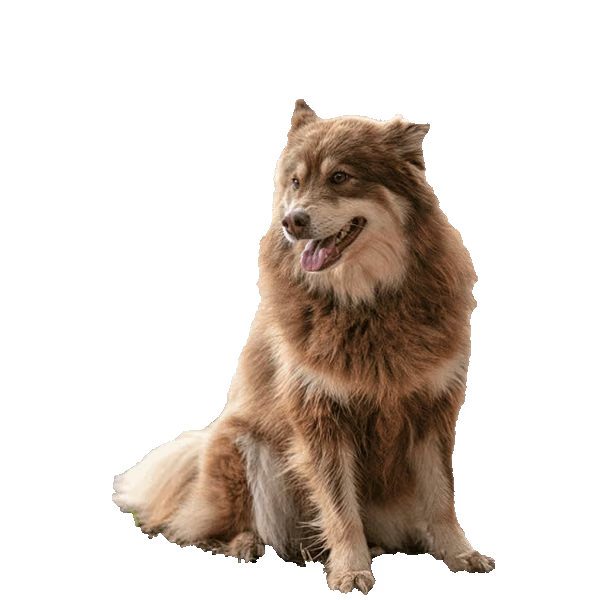
Laponski pastirski pes
Lapponian Herder je prijazna, delovna finska ovčarska pasma, ustvarjena za neutrudno delo priganjanja severnih jelenov v ostrih podnebjih.
- Size
- Srednje
- Lifespan
- 11–14 years
- Origin
- Finska
- Temperament
- Prijazen
- Standard colors
- Črna, Bela, Siva in Jetrna
Characteristics
Coat and grooming
How the Laponski pastirski pes coat is built, and what that means when you groom it.
- Plasti dlake
- Dvojna dlaka
- Struktura dlake
- Plišasta
- Dolžina dlake
- Srednja
- Golenje
- Sezonsko golenje
Grooming guidance
Kritično: A Laponski pastirski pes should not be shaved.
Poddlaka zadržuje vročino zunaj prav tako kot mraz, krovna dlaka pa varuje kožo pred soncem in piki žuželk. Striženje celotne dlake odvzame oboje. Pogosto zraste nazaj v zaplatah, mehka ali druge barve, pri nekaterih živalih pa se krovna dlaka nikoli več ne povrne, kot bi se morala. Poddlako izčešite, namesto da bi jo odrezali.
Informacija: A Laponski pastirski pes drops its undercoat in heavy bursts.
Poddlaka izhaja v močnih sunkih nekaj tednov. Grablje za poddlako ali kopel s temeljitim sušenjem jo odstranijo veliko hitreje kot vsakodnevno krtačenje. Kratko striženje tukaj ni bližnjica.
Laponski pastirski pes colors and patterns
What each club's breed standard says about every Laponski pastirski pes color and pattern. Point at a ruling to see the club's own wording.
Breed standards describe the Laponski pastirski pes in Črna, Bela, Siva in Jetrna. Standard patterns: Z rumenorjavimi znaki.
| Color or pattern | FCI | AKC |
|---|---|---|
| Črna | Po standardu (“Black in different shades”) | Po standardu (“Black”) |
| Bela | Po standardu (“White markings may appear on neck, chest and legs”) | Po standardu (“White Markings”) |
| Siva | Po standardu (“even greyish”) | Po standardu (“Gray”) |
| Jetrna | Po standardu (“dark brown”) | Po standardu (“Liver”) |
| Modra | Diskvalifikacijsko (“Blue, sable and fawn colour”) | Diskvalifikacijsko (“Blue, sable and fawn colour”) |
| Plava | Diskvalifikacijsko (“Blue, sable and fawn colour”) | Diskvalifikacijsko (“Blue, sable and fawn colour”) |
| Patterns | ||
| Z rumenorjavimi znaki | Po standardu (“greyish or brownish colour markings often on head, the lower parts of the body and legs”) | Po standardu (“greyish or brownish colour markings often on head, the lower parts of the body and legs”) |
| Soboljasta | Diskvalifikacijsko (“Blue, sable and fawn colour”) | Diskvalifikacijsko (“Blue, sable and fawn colour”) |
%22%3E%3Ccircle%20cx%3D%2212%22%20cy%3D%2217.2%22%20r%3D%221.25%22%20fill%3D%22%23C4996A%22%2F%3E%3Cpath%20d%3D%22M1.5%2021.2L9%2018.6L12.6%2021L12.2%2026.2L3.5%2024.4Z%22%20fill%3D%22%23C4996A%22%2F%3E%3Cpath%20d%3D%22M10%2026L14.5%2026.4L18.2%2029.2L13.5%2029.8Z%22%20fill%3D%22%23C4996A%22%2F%3E%3Cellipse%20cx%3D%2221.2%22%20cy%3D%2230.6%22%20rx%3D%221.6%22%20ry%3D%222.3%22%20fill%3D%22%23C4996A%22%2F%3E%3Crect%20x%3D%220%22%20y%3D%2247%22%20width%3D%2264%22%20height%3D%2217%22%20fill%3D%22%23C4996A%22%2F%3E%3Cpath%20d%3D%22M51.5%2024.5L55%2027L54.2%2032L50.5%2028.5Z%22%20fill%3D%22%23C4996A%22%2F%3E%3Cpath%20d%3D%22M45%2038.5L48%2039L48.5%2047L45.5%2047Z%22%20fill%3D%22%23C4996A%22%2F%3E%3C%2Fg%3E%3Cuse%20href%3D%22%23s%22%20fill%3D%22none%22%20stroke%3D%22%233B2A20%22%20stroke-opacity%3D%220.6%22%20stroke-width%3D%221%22%20stroke-linejoin%3D%22round%22%2F%3E%3Cellipse%20cx%3D%223.2%22%20cy%3D%2221.7%22%20rx%3D%221.3%22%20ry%3D%221.2%22%20fill%3D%22%231C1C1C%22%2F%3E%3Ccircle%20cx%3D%2210.8%22%20cy%3D%2219.3%22%20r%3D%221.1%22%20fill%3D%22%231C1C1C%22%2F%3E%3C%2Fsvg%3E)
%22%3E%3Crect%20x%3D%220%22%20y%3D%220%22%20width%3D%2264%22%20height%3D%2264%22%20fill%3D%22url(%23g)%22%2F%3E%3Cg%20fill%3D%22none%22%20stroke%3D%22%231C1C1C%22%20stroke-width%3D%221%22%20stroke-linecap%3D%22round%22%20stroke-linejoin%3D%22round%22%3E%3Cpath%20d%3D%22M15.7%2014.8l1.9%203.6M26.4%2024.1l1.2%204.1M42.7%2029.5l0.1%203.3M35.9%2025l1.6%203.2M31.3%2028.1l0.7%203.7M15.5%2011.1l1.6%203.6M41.1%2023.8l0.6%203.2M12.1%2020.7l1.2%203M15.4%2011.2l0.8%203.8M42.9%2027.3l0.7%202.9M48.2%2033.2l0.5%204.1M23.1%2024.7l1.4%203.4M51.9%2036.1l0.3%204.3M18.7%2023.9l1.2%203.7M50.4%2027.4l0.5%204.1M18.4%2020.4l0.1%203.1M55.6%2021.4l1.1%203.9M18.6%2024.9l1.7%203.8M8.3%2023.2l1.7%202.9M18.7%2024.2l0.2%203.1M46.4%2022.7l0.6%202.6M14.3%207l0.9%203.5M50.5%2024.9l0.5%203.7M23.2%2024.7l1.2%204.3M10.5%2022.3l1.6%203.4M56.9%2018.2l1.1%202.5M20.8%2021.7l1.1%203.5M10.9%2020.2l0.2%203.9M6.6%2023.3l1%202.4M54.5%2021.7l0.9%203.8M13.3%2021l0.4%203M11.7%2019.5l0.3%204M39%2023.2l0.7%202.5M20.8%2016.7l0%202.6M18.4%2016l0.2%202.6M46.4%2038.2l1.4%203.2M12.9%2022.6l0.6%203.3M13%2020.9l0.3%204.3M35.3%2024.9l1.3%202.3M29.5%2022.1l0.5%202.8M36.6%2023.4l0.2%204.3M20.5%2017.6l0.7%204.1M18.3%2020.6l0.6%203M20.5%2025.8l0.5%203.8M23.5%2040.2l1.1%202.9M22.8%2024.9l1.5%203M25.5%2023.1l0.5%203.3M47.7%2024.7l1.5%203.7M12.9%2018.4l1.9%203.8M29.5%2023.7l0.5%204.1M37.7%2026.5l0%202.9M16.8%2016.4l0.1%203.3M49.8%2028l1.7%203.8M29.4%2025.5l0.5%203.6M9.3%2023l1.3%203.1M47.4%2025.6l0.5%203.5M48.1%2023.8l1.6%203.2M9.9%2018.3l1.3%202.5M12.2%2016.6l0.4%203.2M22%2022.1l1.4%202.7M43.9%2024.7l1.4%203.9M14.3%2020l1.8%203.2M46.3%2040.1l0.3%203.6M14.9%207l0.3%204M17.5%2016.7l1.2%202.4M54.6%2040l1%203.5M13.3%2013.9l1.6%204.2M15.3%2016.5l1.2%202.9M23.8%2038.5l0.2%203.8M18.2%2019l0.6%203M11.2%2023.6l0.7%204.1M33.1%2023.2l0.9%204.3M13.6%2019.9l0.4%204.5M19.7%2023.1l1.9%203.7M50.5%2027.1l0.3%204.1M28.2%2028.5l0.2%203.8M29%2028.4l0.1%204M47.7%2024.5l0.6%202.5M10.7%2017.2l1.4%202.7M25.5%2040.3l0.6%204.1M37.6%2022.8l0.7%204.4M57%2018.6l0.2%203.4M16.9%2022.2l1.7%203.8M43.5%2024.7l1.8%203.4M49.2%2026l1.5%203.6M47.7%2032.3l0.4%203.7M35.4%2030.8l0.5%202.7M47%2026.1l1%203.9M24.3%2028.1l1.5%204.2M50.5%2023.8l1.3%203.4M58.1%2014.1l0.3%202.6M13.9%2018.2l0.7%202.5M8.2%2021l0.7%202.9M41.4%2026.4l0.4%202.7M16.3%2020.4l0.5%204.3M43.4%2025.9l1.2%203.2M32.3%2022.4l0.3%203.9M43.6%2025.9l2.1%203.8M33.5%2026.3l1.5%203M48.3%2030.6l1.4%203.4M44.2%2024.7l0.9%203.2M12.3%2017.7l0.9%203.7M46.2%2032l1.9%203.4M51%2028.3l0.1%203.7M30.4%2023.1l1.1%203.2M52.6%2022.6l0.9%204.3M16.6%2015.4l0.9%203.1M58.4%2012.8l0.3%202.8M42.8%2032.5l1.8%203.2%22%2F%3E%3Cpath%20d%3D%22M16.4%2026.1l0.1%204.3M14%2017.1l1.3%202.8M36.9%2027.2l1.3%202.6M38.6%2025.8l0.4%203.6M57.6%2014.3l0.3%203.9M14.7%208.2l1%204.3M53.4%2023l1.9%203.4M51.5%2030.3l0.8%202.7M56.2%2020l1.9%203.5M15.9%2010l0.2%202.8M15.8%2022.6l1.8%203.9%22%2F%3E%3C%2Fg%3E%3C%2Fg%3E%3Cuse%20href%3D%22%23s%22%20fill%3D%22none%22%20stroke%3D%22%233B2A20%22%20stroke-opacity%3D%220.6%22%20stroke-width%3D%221%22%20stroke-linejoin%3D%22round%22%2F%3E%3Cellipse%20cx%3D%223.2%22%20cy%3D%2221.7%22%20rx%3D%221.3%22%20ry%3D%221.2%22%20fill%3D%22%231C1C1C%22%2F%3E%3Ccircle%20cx%3D%2210.8%22%20cy%3D%2219.3%22%20r%3D%221.1%22%20fill%3D%22%231C1C1C%22%2F%3E%3C%2Fsvg%3E)
| Color or pattern | FCI | AKC |
|---|---|---|
| Temno rjava | Po standardu (“Preferably dark in colour, yet harmonizing with the coat colour”) | Po standardu (“Preferably dark in colour, yet harmonizing with the coat colour”) |
| Svetlo rjava | Napaka (“Very light eyes in black dogs”) | Napaka (“Very light eyes in black dogs”) |
What the rulings mean
- Po standardu
- Described by the club's breed standard.
- Napaka
- Named by the club's breed standard as a fault: the animal can be shown but is penalized.
- Diskvalifikacijsko
- The club's breed standard disqualifies an animal of this color or pattern.
Color changes
How a Laponski pastirski pes's colors can change over its life.
Črnachanges toRjasta
Dlaka · S telesnim stanjem · can change back
Črnachanges toSiva
Dlaka · Postopna
Črnachanges toRjava
Dlaka · Na soncu · can change back
Belachanges toRoan
Dlaka · S starostjo · from 2 weeks
Z rumenorjavimi znakichanges toS sedlom
Dlaka · S starostjo · from 6 to 156 weeks
Črnachanges toZimski nos
Nos · Z letnim časom · can change back
Črnachanges toRožnata
Nos · Z letnim časom · can change back
%22%3E%3Cg%20fill%3D%22none%22%20stroke%3D%22%23F5F5F0%22%20stroke-width%3D%221.15%22%20stroke-linecap%3D%22round%22%20stroke-linejoin%3D%22round%22%3E%3Cpath%20d%3D%22M28.6%2025h.1M51.3%2028.8h.1M34.7%2024.3h.1M34.2%2041.6h.1M51%2044.2h.1M55.9%2024.7h.1M27.5%2026.3h.1M18.5%2028.6h.1M25.2%2028.9h.1M24.2%2019.3h.1M20.6%2017.6h.1M34.1%2030.6h.1M57.3%2023.3h.1M23.5%2030.7h.1M26.5%2023.1h.1M40%2031.5h.1M51.7%2038.6h.1M20.2%2022.1h.1M40.4%2037.8h.1M35%2043.1h.1M20.6%2031.7h.1M27.8%2031.9h.1M17.2%2021.1h.1M38.1%2037.7h.1M25.3%2040.5h.1M32%2029.3h.1M41.6%2039.5h.1M23.6%2024h.1M26.4%2018.6h.1M30.3%2031.9h.1M31.2%2035.2h.1M36.5%2043.7h.1M35.2%2026.3h.1M55.6%2019.1h.1M22.4%2036.8h.1M39.2%2020h.1M49.5%2039.1h.1M33.6%2033.5h.1M36.4%2032.4h.1M56.3%2042.4h.1M54.8%2031.2h.1M36.9%2023.2h.1M52.7%2019.1h.1M21.5%2033.8h.1M48.6%2028h.1M36.6%2017.5h.1M45.6%2031.3h.1M37.9%2030.5h.1M17%2031.8h.1M21.1%2043.1h.1M55.7%2021.1h.1M30.8%2041.9h.1M57.4%2038.4h.1M54.8%2026.9h.1M29.1%2017.5h.1M24.3%2037.7h.1M26%2032h.1M39.3%2022.8h.1M53.5%2029h.1M53.3%2023.3h.1M20%2038.4h.1M28.3%2044.7h.1M28.6%2039.8h.1M51.9%2041.1h.1M52.3%2033.7h.1M19.6%2042.2h.1M19%2033h.1M47.8%2021.7h.1M45.7%2024.8h.1M24.6%2035.5h.1M29.8%2036.8h.1M50.7%2032h.1M29.5%2043.5h.1M28.2%2041.5h.1M47.4%2034.8h.1M25.4%2033.7h.1M50.2%2041.2h.1M27.7%2029.5h.1M21.5%2024.8h.1M55.5%2017.5h.1M41.2%2044.3h.1M39.2%2018.4h.1M41.1%2042.5h.1M54.7%2035.3h.1M42.8%2034.5h.1M30.1%2023h.1M42.6%2025.1h.1M32.9%2024.4h.1M42.4%2032.4h.1M49.7%2022.2h.1M49.1%2043.1h.1M38%2035.2h.1M47.7%2043.8h.1M43.1%2022.4h.1M22.4%2040.4h.1M44.4%2019.8h.1M53.3%2040.1h.1M20.7%2029.3h.1M55.6%2043.9h.1M17.6%2039.2h.1M41.7%2028.9h.1M44.1%2036.3h.1M24.3%2043.6h.1M26.4%2038.1h.1M30.3%2029.2h.1M31.5%2030.8h.1M32.1%2023h.1M18.3%2040.9h.1M48%2033.4h.1M36.4%2038.7h.1M31.9%2020.8h.1M32.6%2026.2h.1M22%2031.2h.1M53.4%2021.7h.1M41.9%2017.7h.1M53.3%2037.3h.1M47.7%2040.3h.1M54.4%2033.7h.1M33.6%2037.5h.1M25.3%2017.2h.1M37.6%2019.7h.1M31.6%2019h.1M29.2%2019.6h.1M50.7%2027.3h.1M22%2022.1h.1M31%2037.8h.1M56.5%2026.6h.1M34.7%2039.5h.1M56.5%2040.8h.1M47.6%2038h.1M48.6%2026.1h.1M49.7%2034.2h.1M45.4%2027.4h.1M22.6%2038.9h.1M56.5%2035.3h.1M35.1%2021h.1M41.9%2020.1h.1M37.6%2040h.1M32.6%2044.4h.1M37.9%2025.2h.1M26.6%2043h.1M18.9%2036.7h.1M47.2%2028.9h.1M30.5%2026.2h.1M17.4%2027.3h.1M47.1%2017.2h.1M22.3%2044.3h.1M32.5%2042.4h.1M23.6%2025.7h.1M31.4%2024.9h.1%22%2F%3E%3Cpath%20d%3D%22M26%2020.9h.1M41.2%2023.8h.1M39.9%2026.4h.1M28.5%2033.4h.1M42.8%2043.8h.1M17.6%2034.3h.1M34%2017.1h.1M31.2%2017.2h.1M46.5%2036.1h.1M25.1%2022.1h.1M50.3%2023.7h.1M20.2%2026.6h.1M20.8%2020.4h.1M50.9%2017.3h.1M49.5%2020.2h.1M52.9%2044.1h.1M23.9%2017.8h.1M43.2%2028.1h.1M57.6%2030h.1M52%2025.6h.1M19.2%2019.1h.1M19.5%2024.4h.1M32.8%2040.1h.1M36.1%2027.7h.1M39.6%2029.5h.1M38.4%2041.5h.1M47.9%2019.4h.1M49.1%2031.7h.1M55.9%2036.9h.1M29.2%2027.2h.1M46%2043.5h.1M44.6%2028.8h.1M47.5%2031.5h.1M22.8%2020h.1M27.6%2017.1h.1M43.1%2018.6h.1M54.3%2020h.1M57.2%2033.8h.1M44.5%2043.8h.1M27.1%2035.5h.1M45.3%2041.8h.1M56.7%2028.8h.1M36.7%2021.4h.1M43.3%2042.3h.1M17.3%2022.9h.1M32.7%2035.5h.1M30.5%2039.8h.1M29.1%2021.2h.1M34.5%2018.8h.1M25.8%2027h.1%22%2F%3E%3C%2Fg%3E%3Cpath%20d%3D%22M56.3%2038.4l0%201.2M40%2027.2l-0.3%201.3M32.6%2043.6l-0.4%201.5M29%2023.3l0.8%201.5M55.1%2044l0.4%201.1M47.5%2022.5l-0.2%201.6M42.9%2038.6l0.7%201.2M35.2%2041.8l-0.5%201.7M26.9%2040l-0.1%201.2M41%2042.8l-0.1%201.6M18.4%2021.2l0.7%201.3M49.4%2019.3l-0.5%201.4M50.1%2041.7l0%201.8M28.2%2041.8l-0.6%201.2M55.5%2027.1l0.2%201.2M44.7%2019.3l0.5%201.7M48.6%2020.5l-0.8%201.4M43.7%2039.6l0.3%201.1M22.1%2033.8l-0.6%201.6M50.1%2038.1l-0.5%201.3M51.8%2044.1l-0.1%201.8M39%2017.5l0%201.4M30.2%2026.7l0.2%201.4M25.8%2031.2l0.2%201.6M29.6%2043.5l0.1%201M43.7%2018.3l0.1%201.5M29.6%2018.2l0.3%201.6M24.4%2017.6l0.3%201.1M22%2028.2l-0.6%201.6M25.9%2043.3l-0.3%201.4M22.2%2024.3l0.3%201.3M47.3%2029.2l-0.2%201.4M21.8%2033.2l0.5%200.9M32.9%2037l0.4%201M40%2029.9l0.8%201.4M17.4%2038.3l0.2%201.3M31%2039.2l0%201.2M37.3%2033.7l0.3%201.5M48.1%2040.5l0%201.6M33.9%2031.2l0.1%201.2M29.8%2035.2l-0.4%201M25.1%2037.3l-0.2%201.5M30.2%2039.8l0.5%201M44.6%2034.8l0.4%200.9M55.3%2034.2l0%201.7M50.6%2017.9l0.4%201M30.2%2034.9l-0.4%201.4M19.5%2035.7l-0.5%201.7M40.7%2028.7l0.8%201.4M23.3%2029l-0.4%201.4M17%2040.5l-0.2%201M48.4%2023.2l-0.3%201M37.3%2025.1l-0.4%201.3M23%2021.4l-0.4%201.3M20.4%2017.2l-0.1%201.3M42.3%2020.4l0.6%201.4M41%2031.8l0.6%201.2M45.4%2034.3l-0.1%201.2M32.5%2018l0%201.3M46.2%2021.6l0.1%201.4M30.5%2022.3l0.5%201.1M58%2044.6l0.3%201.5M57.1%2033.9l0.8%201.4M18.3%2042.6l0.3%201M40.5%2035.1l-0.6%201.4M38.8%2044.3l-0.3%201.1%22%20fill%3D%22none%22%20stroke%3D%22%23F5F5F0%22%20stroke-width%3D%220.8%22%20stroke-linecap%3D%22round%22%20stroke-linejoin%3D%22round%22%2F%3E%3C%2Fg%3E%3Cuse%20href%3D%22%23s%22%20fill%3D%22none%22%20stroke%3D%22%233B2A20%22%20stroke-opacity%3D%220.6%22%20stroke-width%3D%221%22%20stroke-linejoin%3D%22round%22%2F%3E%3Crect%20x%3D%2220%22%20y%3D%2258%22%20width%3D%223.6%22%20height%3D%222%22%20fill%3D%22%234A4038%22%2F%3E%3Crect%20x%3D%2226%22%20y%3D%2258%22%20width%3D%223.6%22%20height%3D%222%22%20fill%3D%22%234A4038%22%2F%3E%3Crect%20x%3D%2244%22%20y%3D%2258%22%20width%3D%223.6%22%20height%3D%222%22%20fill%3D%22%234A4038%22%2F%3E%3Crect%20x%3D%2250%22%20y%3D%2258%22%20width%3D%223.6%22%20height%3D%222%22%20fill%3D%22%234A4038%22%2F%3E%3Ccircle%20cx%3D%229.5%22%20cy%3D%2211.5%22%20r%3D%221.1%22%20fill%3D%22%231C1C1C%22%2F%3E%3C%2Fsvg%3E)
%22%3E%3Cpath%20d%3D%22M22.5%2018.5Q24%2021%2025%2021.5L47%2022.5Q50%2022.5%2051.5%2023.5L54%2026Q55%2032%2053%2034Q46%2031.5%2038%2033Q30%2034.5%2025.5%2032Q22.5%2026%2022.5%2018.5Z%22%20fill%3D%22%231C1C1C%22%2F%3E%3Cpath%20d%3D%22M51%2024L56%209L63%209L61%2019L54.5%2028Z%22%20fill%3D%22%231C1C1C%22%2F%3E%3Cpath%20d%3D%22M2%2021.2L7.5%2019.2L8.5%2023.6L3.5%2024.2Z%22%20fill%3D%22%231C1C1C%22%20fill-opacity%3D%220.85%22%2F%3E%3C%2Fg%3E%3Cuse%20href%3D%22%23s%22%20fill%3D%22none%22%20stroke%3D%22%233B2A20%22%20stroke-opacity%3D%220.6%22%20stroke-width%3D%221%22%20stroke-linejoin%3D%22round%22%2F%3E%3Cellipse%20cx%3D%223.2%22%20cy%3D%2221.7%22%20rx%3D%221.3%22%20ry%3D%221.2%22%20fill%3D%22%231C1C1C%22%2F%3E%3Ccircle%20cx%3D%2210.8%22%20cy%3D%2219.3%22%20r%3D%221.1%22%20fill%3D%22%231C1C1C%22%2F%3E%3C%2Fsvg%3E)
%22%3E%3Crect%20x%3D%2217%22%20y%3D%2210%22%20width%3D%2230%22%20height%3D%2242%22%20fill%3D%22url(%23g)%22%2F%3E%3C%2Fg%3E%3Cuse%20href%3D%22%23s%22%20fill%3D%22none%22%20stroke%3D%22%233B2A20%22%20stroke-opacity%3D%220.6%22%20stroke-width%3D%221%22%20stroke-linejoin%3D%22round%22%2F%3E%3Cpath%20d%3D%22M12.5%2037Q13%2032%2018.5%2032Q23.5%2032.5%2023.5%2036.5Q20.5%2035.5%2018.8%2037Q17.4%2038.6%2018%2041.5Q13.6%2040.4%2012.5%2037Z%22%20fill%3D%22%231C1C1C%22%20fill-opacity%3D%220.8%22%20stroke%3D%22%23F5F5F0%22%20stroke-opacity%3D%220.4%22%20stroke-width%3D%220.9%22%2F%3E%3Cpath%20d%3D%22M51.5%2037Q51%2032%2045.5%2032Q40.5%2032.5%2040.5%2036.5Q43.5%2035.5%2045.2%2037Q46.6%2038.6%2046%2041.5Q50.4%2040.4%2051.5%2037Z%22%20fill%3D%22%231C1C1C%22%20fill-opacity%3D%220.8%22%20stroke%3D%22%23F5F5F0%22%20stroke-opacity%3D%220.4%22%20stroke-width%3D%220.9%22%2F%3E%3Cpath%20d%3D%22M32%2040V50%22%20fill%3D%22none%22%20stroke%3D%22%231C1C1C%22%20stroke-width%3D%221.3%22%20stroke-opacity%3D%220.5%22%20stroke-linecap%3D%22round%22%20stroke-linejoin%3D%22round%22%2F%3E%3Cellipse%20cx%3D%2232%22%20cy%3D%2221%22%20rx%3D%2212%22%20ry%3D%223.5%22%20fill%3D%22%23F5F5F0%22%20fill-opacity%3D%220.18%22%2F%3E%3C%2Fsvg%3E)
Sources
Each ruling comes from the club's published breed standard or color list.
Meet some of our Laponski pastirski pes
A few of the Laponski pastirski pes profiles members have added to United Pet Club.

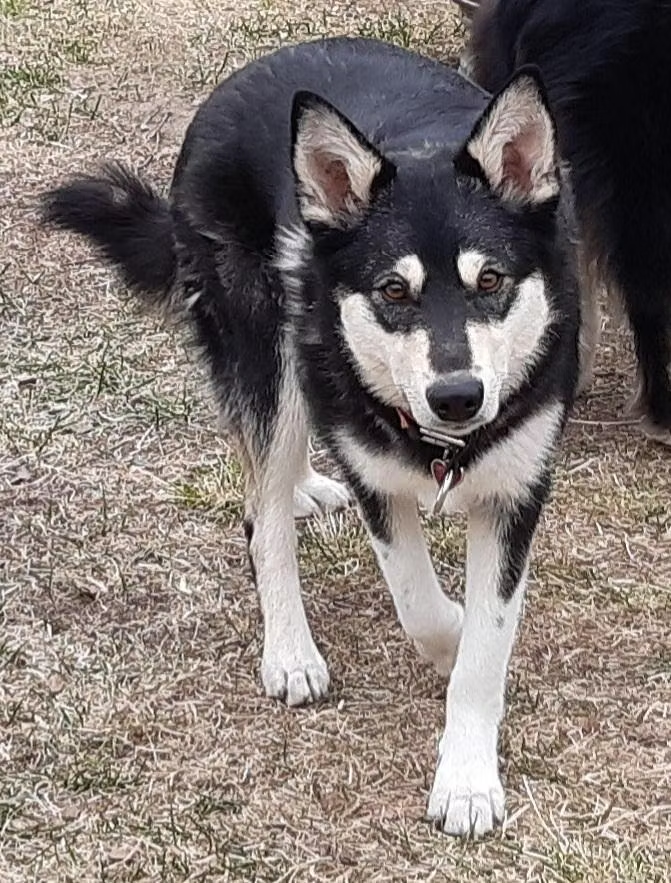


O pasmi lapinporokoira
Lapinporokoira je srednje velik finski pastirski pes, vzrejen za vodenje severnih jelenov po Arktiki, prijazen, energičen in zelo dresuren.
Lapinporokoira je srednje velik delovni pes s Finske, ki so ga Samiji razvili za zbiranje in vodenje čred severnih jelenov po severnih predelih Laponske. Pasma ni grajena za hitrost na kratke razdalje, temveč za vzdržljivost v mrzlem, odprtem svetu. Giblje se zlahka več ur in vztraja pri delu tudi v vremenu, ki bi ustavilo marsikaterega drugega psa.
Po značaju je lapinporokoira prijazen in navezan na ljudi, z močnim delovnim nagonom in pripravljenostjo, da se med delom oglaša z lajanjem. Z družino ustvari tesno vez in ostaja pozoren na to, kaj počne vodnik. Ta kombinacija ubogljivosti in energije je eden od razlogov, da je pasma obdržala svoje mesto pri vodenju severnih jelenov, hkrati pa se je prilagodila tudi aktivnim družinam in športnim domovom.
Odrasli psi običajno živijo od 11 do 14 let. Pasma je zunaj severnih dežel še vedno precej redka, zato lastniki pogosto čakajo na leglo iz delovnih ali razstavnih linij.
| Lastnost | Podatek |
|---|---|
| Izvor | Finska |
| Velikost | Srednja |
| Življenjska doba | 11 do 14 let |
| Skupina / vloga | Pastirski pes (vodenje severnih jelenov) |
| Primeren za | Aktivne družine in izkušene lastnike, ki mu lahko vsak dan zagotovijo delo ali gibanje |
Komu pasma ustreza
Lapinporokoira potrebuje dom, kjer dobi nalogo in redno dnevno aktivnost. Dobro se znajde pri lastnikih, ki uživajo v dresuri, pasjih športih ali dolgih sprehodih na prostem, in ki jim ne moti pes, ki med delom laja. Gospodinjstva, ki iščejo mirnega, manj energičnega spremljevalca, se s to pasmo večinoma ne ujamejo. Ljudje v mrzlem ali zmernem podnebju s prostorom za gibanje pasmi ustrezajo bolje kot tisti v majhnih, toplih ali sedečih razmerah.
Zgodovina in izvor
Lapinporokoira izvira iz samijske kulture vodenja severnih jelenov na severu Finske in je bila kot samostojna pasma priznana sredi 20. stoletja.
Lapinporokoira izhaja iz špicastih psov, ki so jih Samiji redili na severu Finske, Švedske in Norveške. Generacije so ti psi delali ob boku pastirjev severnih jelenov ter jim pomagali zbirati in premikati živali po obsežnih arktičnih pašnikih. Pri izbiri psov je štela delovna sposobnost in zmožnost preživetja ostrih zim, ne videz.
Velik del zgodnje zgodovine pasme ni bil ločen v evidencah od gostoshrstega laponskega psa (lapinkoira). Oba tipa sta se pojavljala na istih pastirskih območjih in ju je vzreja pogosto združevala. Ko se je po severnih deželah razširila organizirana registracija psov, so vzreditelji začeli ločevati krajšedlako pastirsko pasmo od dlakavejšega spremljevalnega tipa.
Pasma je dobila ločeno priznanje na Finskem sredi 20. stoletja, finski standard pa jo je opredelil kot delovnega psa za vodenje severnih jelenov, danes znanega v angleščini kot Lapponian Herder. Približno v istem obdobju je število psov močno upadlo, ker je motorizirani prevoz spremenil rejo severnih jelenov, zato so pasmo obnovili iz omejene populacije.
Danes ostaja lapinporokoira tesno povezana s svojo domovino. Še vedno jo uporabljajo za delo s severnimi jeleni v delih Laponske, hkrati pa nastopa na tekmovanjih v poslušnosti, agilnosti in ovčarskih preizkušnjah na Finskem in drugod po Evropi.
Videz in pasemski standard
Lapinporokoira je srednje velik, rahlo pravokoten špicasti pes z vremensko odporno dvojno dlako, običajno temne barve s svetlejšimi znamenji.
Lapinporokoira je srednje velik pes, katerega telo je nekoliko daljše kot visoko. Taka zgradba daje uravnoteženo in gibčno linijo, primerno za dolge delovne dni. Telo je močno, a ne pretežko. Glava je zmerno široka, ušesa pokončna ali polpokončna, izraz pa buden in prijazen. Rep pes nosi nizko v mirovanju, med gibanjem ali ob pozornosti pa se lahko dvigne navzgor.
| Lastnost | Standard |
|---|---|
| Višina | Psi približno 51 cm, psice približno 46 cm v vihru |
| Teža | Približno 25 do 30 kg |
| Dlaka | Srednje dolga, ravna dvojna dlaka z gosto podlanko |
| Barve | Najpogosteje črna ali temno siva do rjava, s svetlejšimi rjavimi ali sivimi znamenji na glavi, nogah in trebuhu |
| Oči | Ovalne, temne, s pazljivim izrazom |
Dlaka in barve
Dlaka je delovna dvojna dlaka: grobja, vremensko odporna krovna dlaka prekriva mehko, izolativno podlanko. Daljša je okrog vratu in na zadnji strani nog, sicer pa ostaja krajša in bolj tesno ob telesu kot pri laponskem psu (lapinkoira). Temne osnovne barve, kot so črna, siva in rjava, so pogoste, pogosto s svetlejšimi znamenji. Taka kombinacija ustvarja pasmin značilen vzorčast videz. Dlaka se lini, z močnejšim sezonskim linjanjem, ko se menja podlanka.
Temperament in vedenje
Prijazen, energičen in delaven, lapinporokoira se tesno naveže na družino, je na splošno družaben do ljudi in med delom rad laja.
Lapinporokoira je prijazen, pozoren pes, ki rad ostaja vključen v dogajanje ob svojih ljudeh. Doma je miren in nežen, ko so njegove potrebe po aktivnosti izpolnjene, vendar nosi pravi delovni nagon in najbolje uspeva z jasnim namenom. Pasma je inteligentna in se dobro odziva na dresuro, zato se je razširila tudi v poslušnost in agilnost, daleč onkraj svojih pastirskih korenin.
Do družinskih članov je zvest in navezan. Do tujcev je večinoma vljuden, ne agresiven, čeprav rad naznani obiskovalce. Veliko lapinporokoir je na splošno glasnih, saj lajanje uporabljajo tako kot orodje pri delu kot vsakdanje sporazumevanje, zato je strpnost do hrupa pomembna v tesnejših bivalnih razmerah. Do drugih psov je pasma običajno družabna, zgodnja socializacija pa ji pomaga, da se umiri ob manjših hišnih ljubljenčkih, čeprav jo pastirski nagon lahko spodbudi, da zažene gibajoče se živali.
| Lastnost | Ocena |
|---|---|
| Naklonjenost | 4 |
| Energija | 5 |
| Dresurnost | 5 |
| Glasnost | 4 |
| Linjanje | 3 |
Nega in vsakodnevne potrebe
Lapinporokoira potrebuje veliko dnevnega gibanja in miselnega dela, zmerno nego dlake in daje prednost hladnejšemu podnebju.
Nega dlake
- Dvojno dlako krtačite enkrat ali dvakrat tedensko, da odstranite odmrlo dlako in preprečite zapletanje
- Med sezonskim linjanjem, ko pes menja podlanko, krtačite večkrat na teden
- Kopajte le, ko je potrebno, saj dlaka sama po sebi nudi naravno vremensko odpornost
- Redno preglejte in skrajšajte kremplje ter ohranjajte ušesa čista in suha
Gibanje
- Zagotovite vsaj eno do dve uri aktivnosti na dan, razporejeno na sprehode, tek in prosto gibanje
- Dodajte miselno delo, na primer dresurne vaje, iskanje po vonju ali naloge, podobne pastirskemu delu
- Uporabite pasje športe, kot so agilnost, poslušnost ali rally, da usmerite pasmin nagon
- Ne dovolite, da pes ostane brez dovolj gibanja, saj to pogosto vodi v lajanje in nemir
Okolje
Lapinporokoira je prilagojena hladnemu in zmernemu podnebju, mraz pa dobro prenaša zaradi dvojne dlake. Lahko živi v različnih domovih, če ima vsak dan dovolj aktivnosti, najsrečnejša pa je z dostopom na prosto in prostorom za gibanje. V vročem vremenu naj bo napor omejen na hladnejši del dneva, pes pa naj ima na voljo senco in vodo. Ker rad laja, pasma bolje ustreza domovom, kjer je nekaj hrupa sprejemljivega.
Prehrana in hranjenje
Aktivna srednje velika delovna pasma, lapinporokoira potrebuje popolno in uravnoteženo prehrano s količinami, prilagojenimi visoki ravni aktivnosti.
Lapinporokoira dobro uspeva ob popolni in uravnoteženi prehrani, namenjeni aktivnim srednje velikim psom. Ker gre za delovno pasmo z visokimi energijskimi potrebami, se potreba po kalorijah dviguje z obsegom gibanja ali dela s severnimi jeleni, v manj aktivnih obdobjih pa se zniža. Količino hrane prilagodite tako, da pes ostane vitek, z rebri, ki jih zlahka otipate, a jih ne vidite. Sveža voda naj bo na voljo ves čas, še posebej po naporu.
| Življenjsko obdobje | Količina na dan | Obroki |
|---|---|---|
| Mladiček (2 do 6 mesecev) | Po navodilih na embalaži hrane za mladiče, razdeljeno | 3 do 4 |
| Mladostnik (6 do 12 mesecev) | Po navodilih na embalaži, prehod na odmerke za odrasle | 2 do 3 |
| Odrasel (delovni / aktivni) | Približno 250 do 350 g kakovostne suhe hrane | 2 |
| Odrasel (nižja aktivnost) | Približno 200 do 280 g kakovostne suhe hrane | 2 |
| Starejši pes | Zmanjšane kalorije, vzdrževalna količina beljakovin | 2 |
Priboljški in dodatki
Priboljški naj predstavljajo približno deset odstotkov dnevnih kalorij, kar upoštevajte pri odmerjanju obrokov, saj ta pasma hitro pridobi na teži, če jo v obdobjih manjše aktivnosti prekomerno hranite. Večina psov na popolni prehrani ne potrebuje dodatkov. O dodatkih za sklepe ali kožo se pred uvedbo posvetujte z veterinarjem, zlasti pri trdo delujočih ali starejših psih.
Zdravje in pogosta obolenja
Lapinporokoira je na splošno vzdržljiva pasma z življenjsko dobo 11 do 14 let, pri kateri je vredno preverjati nekaj dednih obolenj.
Lapinporokoira je na splošno zdrava in krepka, kar odraža njeno preteklost delovnega psa, izbranega za vzdržljivost v zahtevnem okolju. Večina psov živi od 11 do 14 let. Kot pri vsaki pasmi, obnovljeni iz omejene populacije, odgovorni vzreditelji uporabljajo zdravstvene preglede za obvladovanje dednih obolenj in ohranjanje genetske raznolikosti.
| Obolenje | Znaki | Opomba |
|---|---|---|
| Displazija kolkov | Okorelost, izogibanje skokom, spremenjena hoja | Preverjajte plemenske živali; pes naj ostane vitek |
| Displazija komolcev | Šepanje sprednjih okončin, zlasti po naporu | Dedno; preverite rezultate pregledov staršev |
| Progresivna retinalna atrofija | Nočna slepota, ki napreduje v izgubo vida | DNK in očesno testiranje plemenskih psov zmanjšuje tveganje |
| Katarakta | Motne oči, zmanjšan vid | Veterinarski očesni pregled jo lahko odkrije zgodaj |
Preventivna nega
- Redno skrbite za osnovna cepljenja in zaščito pred zajedavci
- Ohranjajte vitko telesno kondicijo, da zaščitite sklepe
- Redno obiskujte veterinarja, tudi za občasne preglede oči
- Izbirajte mladičke od staršev z dokumentiranimi pregledi kolkov, komolcev in oči
- Zagotavljajte postopno kondicioniranje namesto nenadnih napornih vadb
Dresura
Lapinporokoira je inteligentna in zelo dresurna pasma, ki se najbolje odziva na dosledno dresuro s pozitivno okrepitvijo in ji daje nalogo.
Lapinporokoira sodi med bolj dresurne pastirske pasme. Hitro se uči, je pozorna na vodnika in jo motivirata aktivnost ter nagrada. Ta inteligenca prihaja z neodvisnostjo, vzgojeno za samostojno odločanje na terenu, zato dresura deluje najbolje, kadar je dosledna in zanimiva, ne ponavljajoča se. Pasma blesti v poslušnosti, agilnosti, rallyju in pastirskih preizkušnjah, usmerjanje njenega nagona v strukturirano delo pa zmanjša odvečno lajanje.
Osnove
- Zgodaj začnite s socializacijo in mladička izpostavite ljudem, psom, živini in različnim okoljem
- Osnovne ukaze (sedi, leži, ostani, pridi) učite v kratkih, pogostih vajah
- Dodajte ukaz za umiritev in nagrajujte mirno vedenje, da obvladate pasmino energijo
- Ko so osnove zanesljive, uvedite nalogo ali šport, na primer agilnost ali pastirsko delo
- Vadite nadzorovane ukaze za tišino, da laja doma ne bo preveč
Vzreja
Lapinporokoire dosežejo zrelost pri enem do dveh letih. Brejost traja približno 63 dni in legla so zmerno velika, pri parjenju pa je nujna skrbna izbira zaradi omejenega genskega sklada.
Lapinporokoire telesno in vedenjsko dozorijo večinoma med prvim in drugim letom starosti, odgovorni vzreditelji pa običajno počakajo, da je pes povsem odrasel in zdravstveno pregledan, preden ga vključijo v vzrejo. Parjenje sledi normalnemu ciklu pojatve pri psici, brejost pa traja približno 63 dni. Legla so za srednje veliko pasmo običajno zmerno velika.
Vzgoja mladičev temelji na zgodnjem rokovanju in socializaciji. Mladički imajo korist od nežnega izpostavljanja ljudem, hišnim zvokom in različnim podlagam v prvih tednih, kar podpira pasmin prijazen in prilagodljiv značaj. Ker je bila pasma obnovljena iz majhne populacije, vzreditelji pri načrtovanju parjenj poleg pregledov kolkov, komolcev in oči upoštevajo tudi genetsko raznolikost.
| Merilo | Vrednost |
|---|---|
| Spolna zrelost | Približno 1 do 2 leti |
| Brejost | Približno 63 dni |
| Povprečna velikost legla | Približno 4 do 7 mladičkov |
| Odstavitev | Okrog 7 do 8 tednov |
| Zdravstveni pregledi | Testiranje kolkov, komolcev in oči pri plemenskih živalih |
Registracija psa pasme Laponski pastirski pes in njegovega mikročipa
Brezplačen doživljenjski profil za vašega psa pasme Laponski pastirski pes pri United Pet Club, z registriranim čipom in brez obnovitvenih stroškov.
Kako registrirati psa pasme Laponski pastirski pes v Sloveniji
Vpišite ime psa pasme Laponski pastirski pes, datum rojstva in ostro fotografijo, dodajte svojo telefonsko številko in shranite. To je vse, in nikoli nič ne stane. Registracija psa deluje s čipom ali brez njega.
Veterinar čip vsadi in ga vpiše v državni register; da številka odgovarja tudi zunaj Slovenije, pa je vaša skrb. Registrirajte mikročip brezplačno v doživljenjskem načrtu: sprejme čip katerega koli proizvajalca, posodobitve po selitvi ne stanejo nič in zapis odgovarja na poizvedbe kadar koli, doma in v tujini. Ustvarite brezplačen račun in opravite oboje še danes.
Kako registriram psa pasme Laponski pastirski pes v Sloveniji?
Ustvarite brezplačen račun pri United Pet Club, izpolnite podatke psa pasme Laponski pastirski pes s fotografijo in shranite profil. Brezplačen je vse pasje življenje, obvezni vpis v Centralni register psov pa teče ločeno.
Kako registriram mikročip psa pasme Laponski pastirski pes?
Vnesite 15-mestno številko čipa v brezplačni račun skupaj z naslovom in telefonom. Doživljenjski načrt sprejme čip vsakega proizvajalca in za posodobitve nikoli ne zaračuna.
Je čipiranje psa pasme Laponski pastirski pes v Sloveniji obvezno?
Da, vsak pes mora biti čipiran in vpisan v Centralni register psov pred dopolnjenimi tremi meseci oziroma pred menjavo lastnika. Zapis United Pet Club to dopolnjuje, da številka odgovarja tudi v tujini, brezplačno.
Koliko stane registracija psa pasme Laponski pastirski pes?
Nič. Brezplačni doživljenjski načrt pokriva profil, registracijo čipa in vse prihodnje posodobitve, brez letnih stroškov.
Pogosta vprašanja
Pogosta vprašanja o velikosti, temperamentu, negi, življenjski dobi, primernosti in dostopnosti lapinporokoire.
Kako velik je lapinporokoira?
Gre za srednje velikega psa. Psi merijo približno 51 cm, psice pa približno 46 cm v vihru, večina psov pa tehta od 25 do 30 kg.
Kakšen je temperament lapinporokoire?
Pasma je prijazna, energična in delavna. Tesno se naveže na družino, je večinoma družabna do ljudi in drugih psov ter nagnjena k lajanju, zlasti pri delu ali opozarjanju.
Je nega lapinporokoire zahtevna?
Nega dlake je zmerna, s tedenskim krtačenjem in intenzivnejšo nego med sezonskim linjanjem. Večjo zavezo predstavljata gibanje in miselno delo: pasma potrebuje eno do dve uri dnevne aktivnosti in nalogo, da ostane zadovoljna.
Kako dolgo živijo lapinporokoire?
Običajno živijo od 11 do 14 let. Vitka telesna kondicija, redno gibanje in redni veterinarski pregledi podpirajo dolgo in zdravo življenje.
Je lapinporokoira dober družinski pes?
Da, za aktivne družine. Je naklonjena in dresurna, vendar ustreza domovom, ki lahko zagotovijo dnevno gibanje in prenesejo nekaj lajanja, ne pa mirnim in sedečim gospodinjstvom.
Je lapinporokoiro lahko najti?
Pasma je zunaj severnih dežel še vedno redka, zato iskanje mladička pogosto pomeni stik z vzreditelji na Finskem ali drugod po Evropi in čakanje na leglo.
Ali lapinporokoira veliko laja?
Lahko je glasna. Lajanje je del njenega pastirskega dela, psi, ki nimajo dovolj gibanja, pa nagibajo k pogostejšemu lajanju. Dresura ukaza za tišino in zagotavljanje dnevne aktivnosti pomagata ohraniti lajanje pod nadzorom.
From the community
Ask about the Laponski pastirski pesNo questions about the Laponski pastirski pes yet. Be the first to ask.
Browse Dog breeds