
Breeder software: what it does and how to choose it
A plain look at what breeder management software actually does, from pedigree tracking to litter records, and how to choose a platform that fits your program.
United Pet Club@UnitedPetClub5 min read
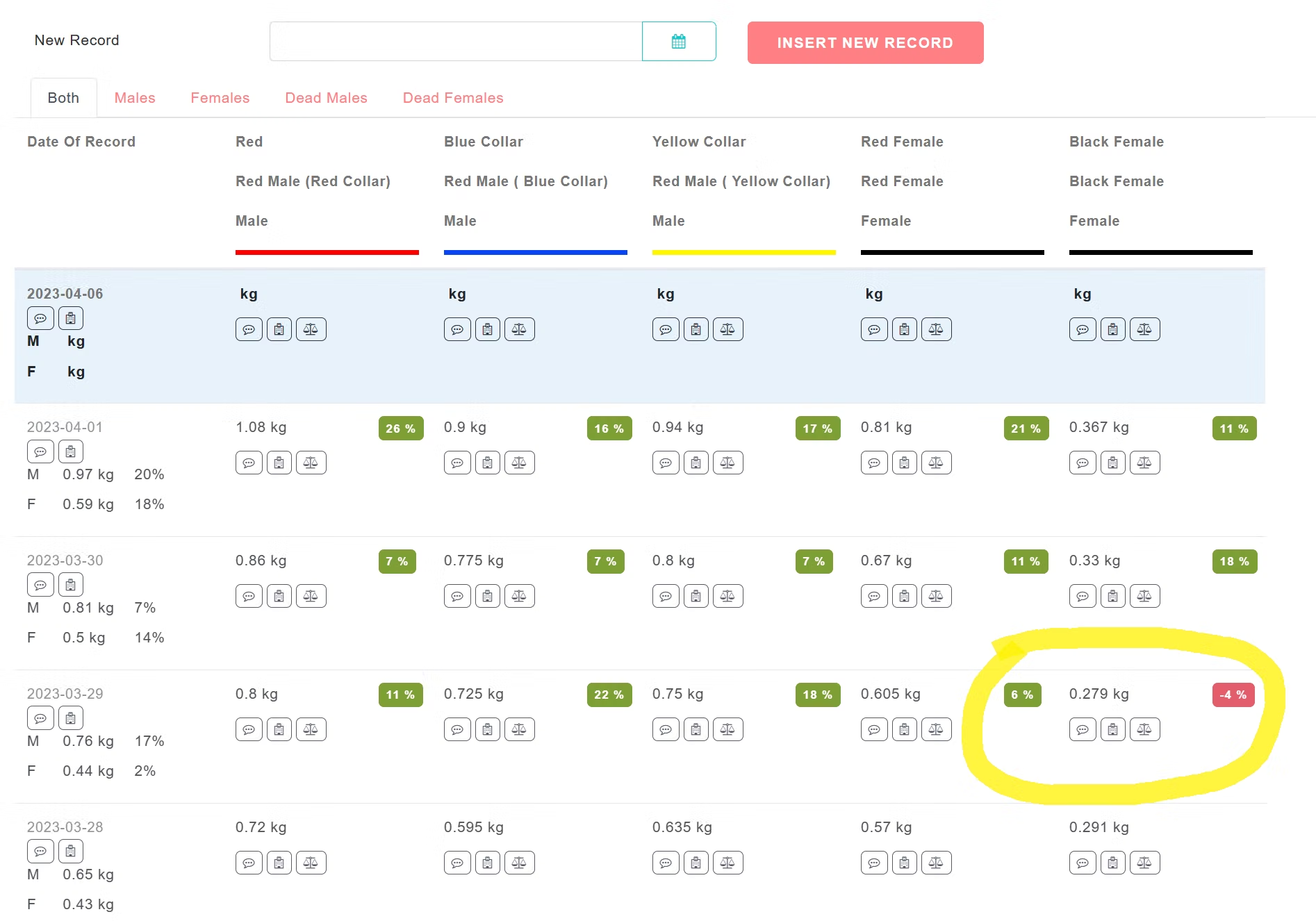
Breeder software is a digital record system built to replace the spreadsheets, paper folders, and sticky notes that most breeding programs start out with. It stores pedigree data, health test results, litter records, and buyer communication in one searchable place, so a breeder can pull up a dog's full history in seconds instead of digging through file boxes. The right platform does not just store information, it makes the information usable when you are making a breeding decision at ten at night with a whelping due in six weeks.
Most breeders do not start with software. They start with a notebook, then a spreadsheet, then a folder of vet PDFs that nobody can find when a puppy buyer asks for proof of a hip clearance. Software earns its keep the moment a program grows past one or two litters a year, because that is when memory stops being a reliable filing system.
What breeder software actually does day to day
Strip away the marketing language and breeder software is doing five jobs. It stores a pedigree and lets you trace lines back several generations without retyping names each time. It holds health records, OFA or PennHIP results, DNA panels, vaccination dates, so a clearance is one click away instead of a search through email attachments. It tracks reproductive cycles: heat dates, breeding dates, and expected whelp windows, with reminders for progesterone testing or prenatal vet visits. It manages litters after birth, weight logs, deworming schedules, puppy identification, and which buyer is matched to which puppy. And it keeps a record of expenses, stud fees, vet bills, food, so a breeder actually knows the cost per litter instead of guessing.
None of this is exotic. A determined breeder can do all five with a well-built spreadsheet. Software just does it faster, with fewer transcription errors, and it does not fall apart when you switch computers.
Pedigree and health records come first
Of everything a program can track, pedigree and health data matter most, because they are what a puppy buyer, a co-owner, or a mentor actually asks to see. A platform that lets you attach a scanned OFA certificate or a DNA panel PDF directly to a dog's profile saves you from digging through an inbox when someone asks for proof five years later.
This is also where responsible breeding and record keeping overlap. A breeder who can show a clean, dated history of health testing across three generations is making a different case to a buyer than one who simply says to trust them. The software is not the ethics behind a breeding program, it is the paper trail that backs the ethics up. It is worth reading about what genetic screening for breeders actually involves before deciding which records your platform needs to hold.
Litter management and buyer communication
A litter is where good software earns its cost back fastest. From the day puppies are born, a breeder is tracking individual weights, daily for the first two weeks and then less often, deworming dates, first vaccinations, and which collar color or microchip number belongs to which puppy. Doing this on paper for a litter of eight is manageable. Doing it for three overlapping litters in the same season is where mistakes happen: a missed deworming date, or a puppy matched to the wrong deposit.
Buyer communication is the other half. Serious platforms let a breeder share a puppy's growth chart, vaccination record, and photos directly with a waiting buyer, which cuts down on the daily check-in messages and gives the buyer something concrete. Some platforms also generate or store the sale contract and microchip registration paperwork, so the transfer of ownership is documented the same day the puppy goes home rather than reconstructed from memory weeks later.
Choosing a platform: the questions that actually matter
Most breeders choosing software end up comparing marketing pages instead of asking the questions that predict whether the tool will still be useful in three years. Before signing up for anything, get a straight answer to these:
- Can you export all your data in a plain format, CSV or PDF, if you switch platforms later, or is your history locked in?
- Does it back up automatically, and where is that backup stored?
- Does the mobile app work in the whelping box at two in the morning, or only at a desk?
- Can more than one person, a co-owner, a vet, a mentor, get limited access without seeing your full buyer list?
- Does the pricing scale with the number of dogs you have or the number of litters, and which one matches how your program actually grows?
A platform that fails two or more of these is going to cost you time later, even if the interface looks polished today.
| Feature | Spreadsheet | Basic app | Full breeder platform |
|---|---|---|---|
| Pedigree charting | Manual, error prone | Basic lookup | Automatic, multi generation |
| Health record storage | Separate files | Some attachments | Attached to each dog's profile |
| Litter and whelping tracking | Manual entry | Basic checklist | Automated reminders and logs |
| Buyer communication | Email only | Basic messaging | Built in buyer portal |
| Expense tracking | Manual | Limited | Per litter cost reports |
| Typical cost | Free | $10 to $30 a month | $50 to $150 a month or a per litter fee |
Free tools versus paid platforms
Cost ranges widely. A basic spreadsheet template costs nothing and works fine for a single litter a year hobby breeder who is comfortable with formulas. Dedicated breeder platforms usually run somewhere between ten and over a hundred dollars a month, depending on how many dogs and buyers you manage and whether registry and pedigree lookup features are bundled in.
United Pet Club offers free breeder software tied to its pet registry for breeders who want pedigree tracking, litter records, and microchip registration in one place without a subscription. It is worth comparing against paid options on the same list above, export rights, backup, mobile access, rather than assuming free automatically means limited. Sometimes it does. Sometimes the paid features you are paying for are ones you will never actually use.
Getting started without losing a season
Switching software mid breeding season is rarely worth the disruption. The lower risk approach is to finish entering new litters and health results in the new platform while leaving historical records in whatever system holds them, then migrate the old data in the off season when there is no active whelping to track. Most platforms will import a CSV of existing pedigree data, so start there rather than retyping years of history by hand.
Whatever you choose, the measure of good breeder software is simple: can you find a specific health clearance, litter record, or buyer contact in under a minute, without calling anyone or digging through an inbox. If the answer is yes, the software is doing its job.
Do I need breeder software if I only have one litter a year?
Not necessarily. A single litter a year is manageable with a well organized spreadsheet and a folder of scanned health documents, as long as you are disciplined about updating it. Software starts paying for itself once you are running two or more litters a year, working with co-owners, or need to hand records to a buyer or vet on short notice.
What does breeder software actually cost?
Pricing ranges from free, for basic spreadsheet templates or bundled registry tools, up to roughly ten to over a hundred dollars a month for full platforms with litter management, buyer portals, and automated health reminders. Cost usually scales with the number of dogs and litters you track rather than being a flat fee, so check pricing tiers against your actual program size.
Can breeder software calculate coefficient of inbreeding?
Many dedicated pedigree platforms calculate coefficient of inbreeding automatically once you have entered a few generations of ancestry, which saves manual lookups. Basic spreadsheet templates usually cannot do this without a custom formula. If this matters to your breeding decisions, confirm the feature is included before you commit to a platform.
What happens to my records if I stop using a software platform?
That depends entirely on whether the platform lets you export your data. Before signing up, confirm you can download a full CSV or PDF export of pedigrees, health records, and litter history at any time. Without that guarantee, canceling a subscription can mean losing years of documented history.
Is free breeder software as reliable as paid platforms?
It depends on the provider, not the price tag. Some free tools, including registry linked options, offer solid pedigree and health tracking without a subscription fee. Judge any platform, free or paid, on the same basics: automatic backups, data export rights, and whether it actually gets used day to day.