
Responsible breeding: what it actually requires
The health testing, genetic planning, and buyer screening that separate a responsible breeder from a backyard operation, plus how to check for them before you buy.
United Pet Club@unitedpetclub4 min de citit

Responsible breeding means pairing animals based on documented health testing and genetic planning, not just physical appearance, and taking on the ongoing cost of caring properly for the dam, sire, and litter through the entire process. It is a real time and money commitment, not just matching two animals of the same breed. If you are considering breeding your own pet, or buying a puppy or kitten from someone who does, the difference between a responsible program and a careless one shows up directly in the health and temperament of the animal you end up with.
This guide covers what responsible breeding requires in practice: health testing, genetic decisions, early socialization, and screening buyers, along with the concrete signs that separate a program worth trusting from one to avoid. For the genetics side specifically, our genetic diversity for breeders guide goes deeper on pairing decisions and pedigree risk.
What responsible breeding actually requires
Health testing comes first. Hip and elbow evaluations, cardiac exams, breed relevant genetic panels, and eye exams from a veterinary specialist all exist to catch inherited risks before a pairing happens, not after a litter shows symptoms. A breeder running these tests and sharing the actual results, not just a verbal claim that the parents are healthy, has done the work that matters most for the animal you eventually take home.
Understanding genetics comes next, and it goes beyond simply avoiding closely related pairs. Responsible breeders track pedigrees several generations back, use outcrossing to bring in unrelated genetic material when a line is getting too concentrated, and make deliberate decisions about which traits to prioritize rather than breeding whatever pair is convenient. None of this is exotic. It is closer to careful record keeping than to advanced science, but it does require a breeder who takes it seriously rather than treating each litter as a one off transaction.
| Signal | Responsible breeder | Backyard breeder |
|---|---|---|
| Health testing | Shares documented results for hip, heart, eye, and genetic screens | No testing, or unwilling to share results |
| Breeding frequency | Spaces litters to let the dam fully recover | Breeds every heat cycle back to back |
| Facility access | Invites you to visit and meet both parents | Meets only off site or refuses visits |
| Buyer screening | Asks about your home, experience, and plans for the animal | Sells to anyone who pays |
| Contract | Written agreement including a health guarantee | No contract, or vague verbal promises only |
Genetics and pairing decisions
A responsible breeder chooses pairings for reasons that go beyond which two animals are available and willing. Linebreeding, keeping certain traits concentrated within a family line, has a legitimate place in some programs but carries real risk if used too aggressively, since it narrows the gene pool the same way close relative pairings do. Outcrossing counters this by introducing fresh, unrelated genetic material, which lowers the odds of concentrating a harmful recessive gene even as it can make it harder to lock in a specific look or trait.
Avoiding inbreeding matters most of all. Pairing animals that share recent common ancestors raises the odds that both parents carry, and pass on, the same harmful recessive gene variant, which is how many hereditary conditions become concentrated in specific lines. Our inbreeding in purebred dog breeding piece covers how this risk is measured and why it compounds across generations rather than resetting with each new litter.
Early socialization and placing animals in the right homes
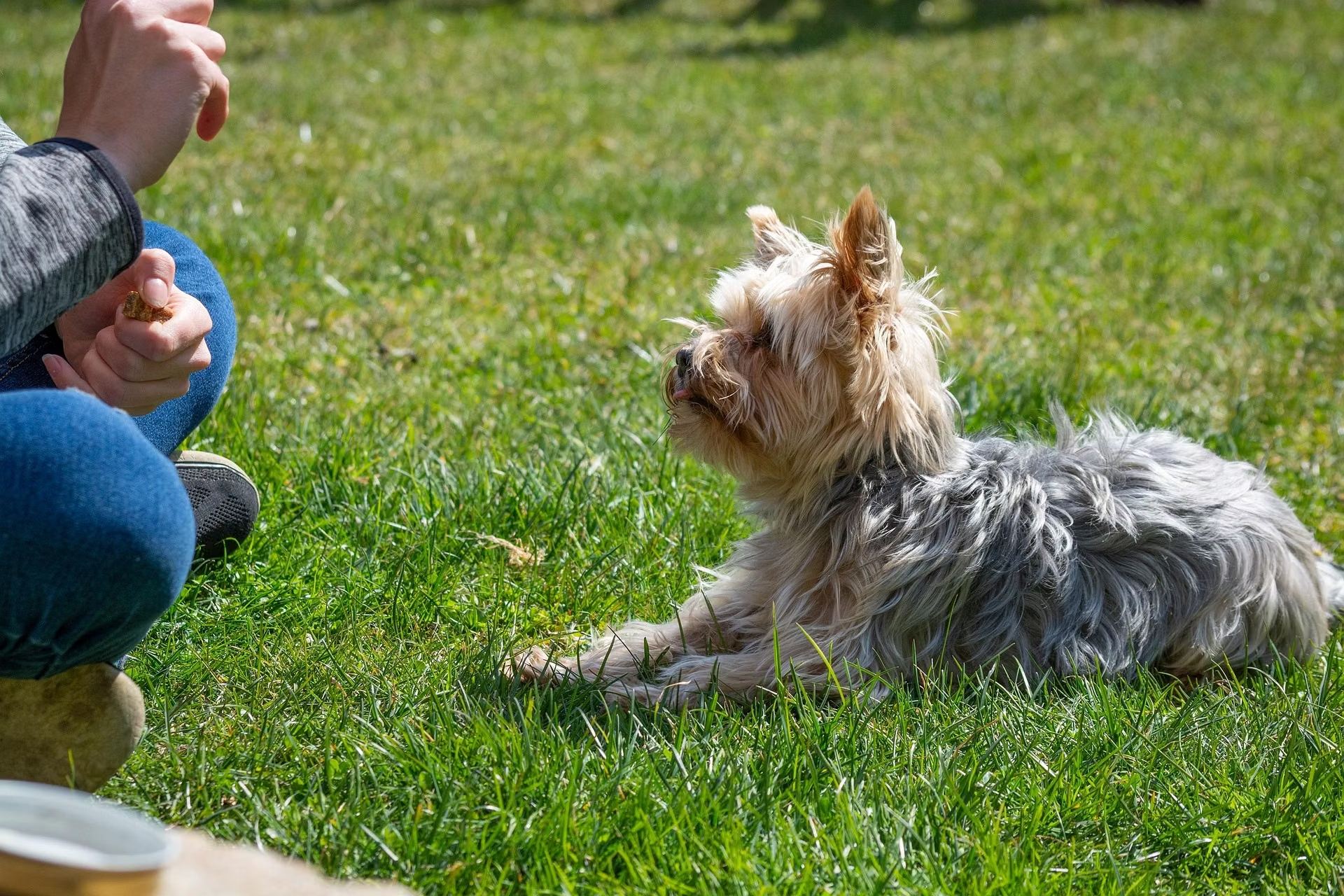
The work does not stop once a litter is born. Puppies and kittens raised with early, gentle exposure to varied sounds, surfaces, people, and handling grow into more confident, adaptable adults than littermates raised with minimal stimulation. This is a deliberate part of a responsible program's routine, not something left to chance: introducing new textures underfoot, brief handling of paws and ears to prepare for future grooming and vet visits, and calm exposure to household sounds like a vacuum or doorbell before the animal ever leaves for its new home.
Placing the litter matters just as much as raising it well. A responsible breeder asks about a buyer's living situation, experience with the breed, and expectations, and is willing to say no to a sale that looks like a poor fit. Many also stay available after the sale, answering questions or taking an animal back later in life if circumstances change, rather than treating the transaction as finished the moment payment clears.
Record keeping runs through all of this. A responsible breeder tracks which puppy or kitten went to which household, keeps copies of health records and test results for their own files, and can tell you years later how a littermate turned out if you ask. That kind of ongoing accountability is hard to fake and even harder to sustain without actually caring about the outcome for each individual animal placed, which is a large part of why it is such a reliable signal when you are trying to judge a program from the outside.
How to spot a responsible breeder as a buyer
Ask directly for health testing documentation before you ask about price or availability. A breeder with nothing to hide will have paperwork ready, often including registry or third party certification; our ICAR certification guide explains what one recognized certification standard actually verifies. Ask how many litters the dam has had and how much time passed between them, since a rapid succession of litters is one of the clearest signs of an overbred, under-recovered dam.
Visit in person if at all possible, and expect to meet at least the dam, since the sire is not always kept on site. A breeder who refuses any visit and insists on meeting only in a parking lot or shipping the animal sight unseen is a red flag worth taking seriously, not a minor inconvenience to work around. If you are still deciding whether to buy from a breeder at all versus adopting, our reasons to buy from a breeder piece lays out that decision separately from the breeder quality question covered here.
What is the difference between a responsible breeder and a backyard breeder?
A responsible breeder health tests both parents, plans pairings around genetics and pedigree, limits how often a dam is bred, and screens buyers before selling. A backyard breeder typically skips testing, breeds for convenience or profit without planning, and sells to any buyer without asking questions. The difference shows up directly in the offspring's health odds and early socialization.
How many litters can a dam have safely in her lifetime?
Most veterinary guidance suggests limiting a dam to a modest number of litters across her breeding years, with real recovery time, often a year or more, between each one. The exact safe number varies by breed, age at first litter, and individual health, which is why a responsible breeder works with a veterinarian to set that schedule rather than breeding every possible cycle.
What health tests should I ask a breeder to show me?
At minimum, ask for hip and elbow evaluations for larger breeds, a cardiac exam, an eye exam from a veterinary ophthalmologist if the breed is prone to eye conditions, and any genetic panel relevant to that specific breed's known inherited conditions. A responsible breeder can produce recent, dated results for both the dam and sire, not just a general statement that they are healthy.
Is it ethical to breed my own pet without being a professional breeder?
It can be, but the same standards apply regardless of scale. Health testing both parents, understanding the genetic risk of the specific pairing, and being prepared to screen buyers and support the litter through placement are not optional just because you are breeding one litter rather than running an ongoing program. Breeding without any of this, even with good intentions, carries the same risks as backyard breeding.
What questions should I avoid being afraid to ask a breeder?
Ask to see health test results for both parents, ask how many litters the dam has had and when the last one was, ask to visit in person, and ask for a written contract with a health guarantee. A breeder who becomes evasive or defensive about any of these specific questions is telling you something important, regardless of how good the puppies or kittens look in photos.