
New Pet Owner Guide: Setting Up the First Weeks Right
The six things to get right in the first weeks with a new dog or cat, from pet proofing the house to booking the first vet visit and getting a microchip.
United Pet Club@unitedpetclub4 min read

The first few weeks with a new dog or cat go smoothest when you handle six things early: pet proof the house before arrival, pick an age appropriate food and set a feeding routine, build a predictable daily schedule, book a vet visit in the first week, start basic training with positive reinforcement from day one, and get your pet a collar tag plus a registered microchip. None of these are complicated on their own, but skipping one tends to create a problem, a chewed cord, a food related upset stomach, a lost pet with no way to identify it, that a little preparation would have avoided entirely.
This guide covers each of those six areas in enough detail to actually act on, whether you are bringing home an eight week old puppy, an adult shelter dog, or a kitten.
Pet proofing the house before your pet arrives
Walk through your home at pet height before your new arrival gets there. Secure loose electrical cords, put cleaning chemicals and medications behind closed doors, and pick up small objects a puppy or kitten could swallow. A handful of common houseplants are genuinely dangerous, lilies are highly toxic to cats and sago palm is toxic to dogs, so either remove them or keep them somewhere your pet cannot reach.
Set up a designated space before arrival day rather than scrambling on the spot. Dogs do well with a defined bed area, water bowl, and a few appropriate chew toys. Cats need a quiet spot for food and water kept well away from the litter box, since cats are surprisingly particular about that separation. A baby gate across an unsafe room and a trash can with a locking lid solve two of the most common early accidents before they happen.
Choosing food and building a feeding routine
Pick a food formulated for your pet's age and species rather than reaching for whatever is on sale. Cats are obligate carnivores and need a diet built around animal protein specifically, while active or working dog breeds often need more protein and calories than a sedentary house pet of the same size. Our pet nutrition basics guide breaks down what to actually look for on the label if you want to go deeper than the basics here.
Feed at the same times each day from the start. A consistent feeding schedule does more than keep a routine, it reduces the stomach upset and anxiety that come with unpredictable mealtimes, especially in a pet still adjusting to a new home. Keep human food out of reach during this period too; chocolate, grapes, onions, and a handful of other common kitchen items are toxic to pets and are easy to forget about during the chaos of settling a new animal in.
| Task | When | Why it matters |
|---|---|---|
| Home safety sweep | Before arrival | Prevents chewing injuries and accidental poisoning |
| First vet visit | Within the first week | Establishes a health baseline and vaccine schedule |
| Microchip and ID tag | Within the first week | Gives your pet a permanent, traceable identity |
| Feeding routine established | Days 1 to 3 | Reduces stomach upset and feeding related anxiety |
| Basic command training starts | Week 1 | Builds trust and early communication |
| Socialization outings begin | Weeks 2 to 16 for puppies | Shapes adult temperament and confidence |
Establishing a daily routine
Pets settle in faster when the day has a predictable shape. Dogs benefit from regular walks at roughly the same times, which supports both physical health and house training, since a consistent potty schedule teaches a puppy where and when bathroom breaks happen far faster than an irregular one. Cats do well with a daily play session, even just ten minutes of chasing a wand toy, since indoor cats without some form of daily activity tend to develop destructive or anxious habits.
A routine matters even more for a shelter or rescue animal adjusting to a completely new environment. Give a newly adopted pet time to decompress rather than expecting them to be immediately comfortable with the household, visitors, or other pets. Some adult dogs and cats take a few days to relax; others take several weeks, and that is normal rather than a sign anything is wrong.

Scheduling the first vet visit
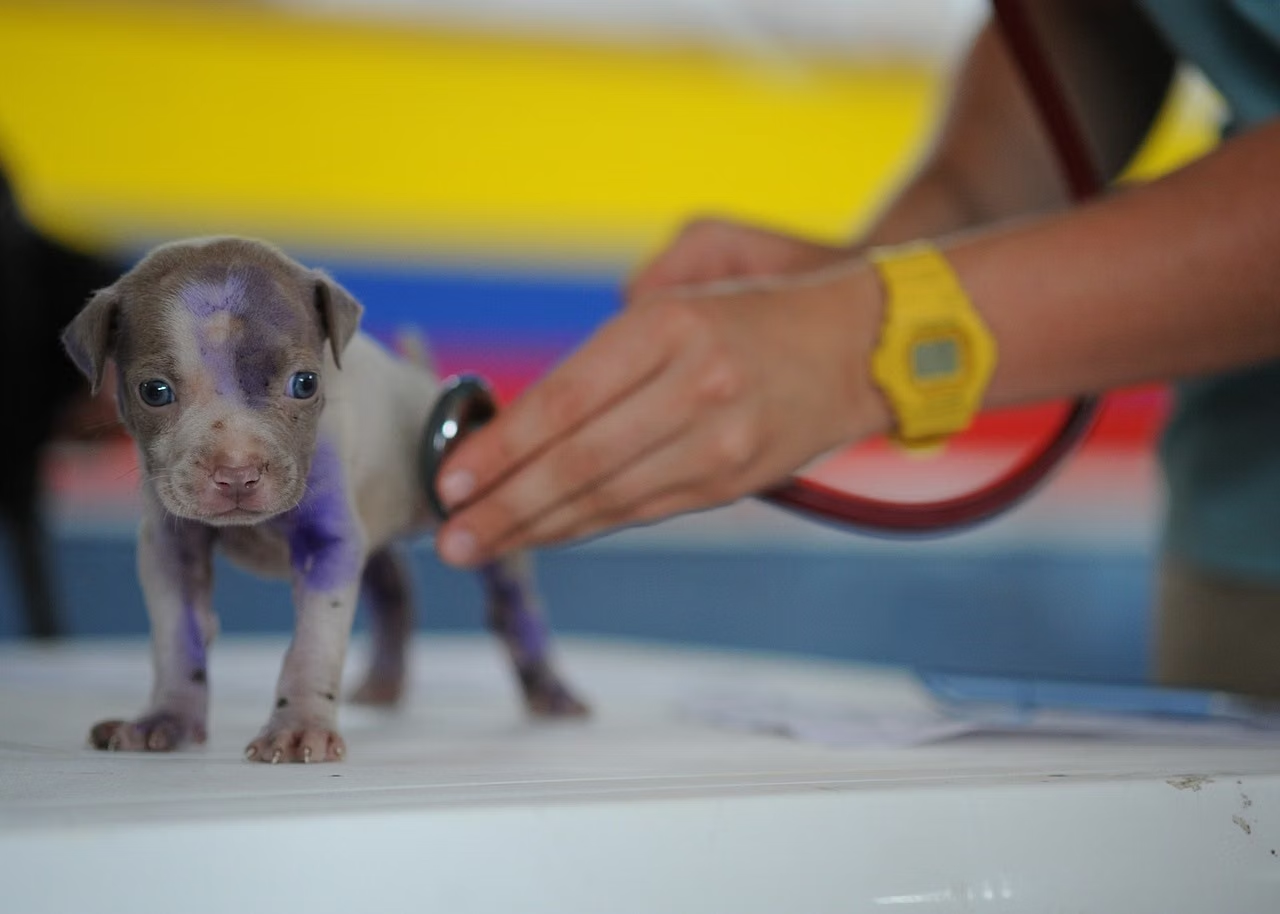
Book a vet appointment for the first week your pet is home, even if nothing seems wrong. This first visit establishes a baseline weight and health record, gets vaccines and deworming on schedule for a puppy or kitten, and gives you a chance to ask questions about food, behavior, or anything else that comes up in those early days. Our vet checkups guide covers what a typical visit includes and how often follow up visits should happen after that first one.
This is also a good time to think about pet insurance if you want it, since most policies exclude pre existing conditions and are cheapest to add before anything has been diagnosed. It costs nothing to ask your vet about it during that first appointment.
Starting training and getting your pet identified
Begin basic training from day one using positive reinforcement, rewarding calm behavior and simple commands like sit or come the moment your pet performs them. Our step by step positive reinforcement guide covers the mechanics of marker timing and treat fading in detail if you want to start off doing it right rather than fixing habits later.
A collar with an ID tag is a reasonable first line of protection, but tags fall off and collars get removed, which is why a microchip matters as the permanent backup. A microchip is a small, painless implant that stores a unique ID number any shelter, vet, or animal control officer can scan if your pet is ever found without you. Getting your new pet microchipped and registering your current contact information in that first week, covered in our guide to the benefits of microchipping, is one of the simplest things you can do that pays off if your pet is ever lost.
How long does it take a new pet to adjust to a new home?
Many pets settle into a basic routine within the first week or two, but full comfort, especially for a rescue animal, can take anywhere from a few weeks to a few months. Give your pet quiet space, a consistent schedule, and avoid overwhelming them with visitors or new experiences all at once during that early period.
What vaccines does my puppy need first?
Puppies typically start a vaccine series around six to eight weeks old covering distemper, parvovirus, and adenovirus, with boosters every three to four weeks until about sixteen weeks. Rabies vaccination is usually given separately once the puppy reaches the minimum age required in your area. Your vet will set the exact schedule at the first visit.
Do I need pet insurance right away?
It is not required, but signing up early is when it works best, since most policies will not cover a condition your pet already had before the policy started. If you are considering insurance at all, getting a quote during the first vet visit, before anything has been diagnosed, keeps your options open.
Should I crate train my new puppy?
Crate training is optional but helpful for most puppies, since it supports house training and gives your dog a safe, contained space during the settling in period. Introduce the crate gradually with meals and toys inside rather than closing your puppy in it right away, so it becomes a place they choose to go rather than one they are forced into.
When should I microchip my new pet?
As soon as possible, ideally during that first vet visit or adoption appointment if the shelter has not already done it. A microchip only helps if the contact information tied to it is current, so register it with your phone number and address right away rather than leaving that step for later.