

Irish Terrier
The Irish Terrier is a fiery, courageous breed known as the daredevil of terriers, fiercely loyal and bold-hearted with its family.
- Size
- Medium
- Lifespan
- 13–15 years
- Origin
- Ireland
- Temperament
- Spirited
- Standard colors
- Raudona, Rūdžių raudona ir Kvietinė
Characteristics
Coat and grooming
How the Irish Terrier coat is built, and what that means when you groom it.
- Kailio sluoksniai
- Dvigubas kailis
- Plauko struktūra
- Šiurkštus
- Plauko ilgis
- Vidutinis
- Šėrimasis
- Menkas šėrimasis
Grooming guidance
Atsargiai: A Irish Terrier coat should be hand-stripped rather than clipped.
Šiurkštus kailis turi būti ištraukiamas su šaknimi, kai plaukas subręsta ir pats ruošiasi atsiskirti. Mašinėlė jį vietoj to nukerpa per vidurį ir palieka minkštą poplaukį. Dėl to kailis atauga suglebęs ir išblukęs, o orams atsparią struktūrą atgauna tik po naujo pešiojimo.
Irish Terrier colors and patterns
What each club's breed standard says about every Irish Terrier color and pattern. Point at a ruling to see the club's own wording.
Breed standards describe the Irish Terrier in Raudona, Rūdžių raudona ir Kvietinė. Standard patterns: Vienspalvė ir Sabalinė.
| Color or pattern | FCI | AKC | UKC | KC | KUSA |
|---|---|---|---|---|---|
| Raudona | Pagal standartą (“red ... or yellow-red”) | Pagal standartą (“Red”) | Pagal standartą (“Red ... or yellow-red”) | Pagal standartą (“red ... to yellow/red”) | Pagal standartą (“red ... or yellow/red”) |
| Rūdžių raudona | Diskvalifikuojanti | Nepripažinta | Nepripažinta | Pagal standartą (“Rust”) | Nepripažinta |
| Kvietinė | Pagal standartą (“red-wheaten”) | Pagal standartą (“Wheaten”) | Pagal standartą (“red wheaten”) | Pagal standartą (“red/wheaten”) | Pagal standartą (“red/wheaten”) |
| Albinosinė | Diskvalifikuojanti | Nepripažinta | Diskvalifikuojanti (“Albinism”) | Nepripažinta | Nepripažinta |
| Patterns | |||||
| Vienspalvė | Pagal standartą (“whole coloured”) | Pagal standartą (“whole-colored”) | Pagal standartą (“whole-colored (of one color)”) | Pagal standartą (“Whole-coloured”) | Pagal standartą (“Whole-coloured”) |
| Sabalinė | No ruling | Pagal standartą (“Puppies sometimes have black hair at birth, which should disappear”) | No ruling | Trūkumas (“Black shading highly undesirable”) | Trūkumas (“Black shading highly undesirable”) |

%22%3E%3Crect%20x%3D%220%22%20y%3D%220%22%20width%3D%2264%22%20height%3D%2264%22%20fill%3D%22url(%23g)%22%2F%3E%3Cg%20fill%3D%22none%22%20stroke%3D%22%231C1C1C%22%20stroke-width%3D%221%22%20stroke-linecap%3D%22round%22%20stroke-linejoin%3D%22round%22%3E%3Cpath%20d%3D%22M15.7%2014.8l1.9%203.6M26.4%2024.1l1.2%204.1M42.7%2029.5l0.1%203.3M35.9%2025l1.6%203.2M31.3%2028.1l0.7%203.7M15.5%2011.1l1.6%203.6M41.1%2023.8l0.6%203.2M12.1%2020.7l1.2%203M15.4%2011.2l0.8%203.8M42.9%2027.3l0.7%202.9M48.2%2033.2l0.5%204.1M23.1%2024.7l1.4%203.4M51.9%2036.1l0.3%204.3M18.7%2023.9l1.2%203.7M50.4%2027.4l0.5%204.1M18.4%2020.4l0.1%203.1M55.6%2021.4l1.1%203.9M18.6%2024.9l1.7%203.8M8.3%2023.2l1.7%202.9M18.7%2024.2l0.2%203.1M46.4%2022.7l0.6%202.6M14.3%207l0.9%203.5M50.5%2024.9l0.5%203.7M23.2%2024.7l1.2%204.3M10.5%2022.3l1.6%203.4M56.9%2018.2l1.1%202.5M20.8%2021.7l1.1%203.5M10.9%2020.2l0.2%203.9M6.6%2023.3l1%202.4M54.5%2021.7l0.9%203.8M13.3%2021l0.4%203M11.7%2019.5l0.3%204M39%2023.2l0.7%202.5M20.8%2016.7l0%202.6M18.4%2016l0.2%202.6M46.4%2038.2l1.4%203.2M12.9%2022.6l0.6%203.3M13%2020.9l0.3%204.3M35.3%2024.9l1.3%202.3M29.5%2022.1l0.5%202.8M36.6%2023.4l0.2%204.3M20.5%2017.6l0.7%204.1M18.3%2020.6l0.6%203M20.5%2025.8l0.5%203.8M23.5%2040.2l1.1%202.9M22.8%2024.9l1.5%203M25.5%2023.1l0.5%203.3M47.7%2024.7l1.5%203.7M12.9%2018.4l1.9%203.8M29.5%2023.7l0.5%204.1M37.7%2026.5l0%202.9M16.8%2016.4l0.1%203.3M49.8%2028l1.7%203.8M29.4%2025.5l0.5%203.6M9.3%2023l1.3%203.1M47.4%2025.6l0.5%203.5M48.1%2023.8l1.6%203.2M9.9%2018.3l1.3%202.5M12.2%2016.6l0.4%203.2M22%2022.1l1.4%202.7M43.9%2024.7l1.4%203.9M14.3%2020l1.8%203.2M46.3%2040.1l0.3%203.6M14.9%207l0.3%204M17.5%2016.7l1.2%202.4M54.6%2040l1%203.5M13.3%2013.9l1.6%204.2M15.3%2016.5l1.2%202.9M23.8%2038.5l0.2%203.8M18.2%2019l0.6%203M11.2%2023.6l0.7%204.1M33.1%2023.2l0.9%204.3M13.6%2019.9l0.4%204.5M19.7%2023.1l1.9%203.7M50.5%2027.1l0.3%204.1M28.2%2028.5l0.2%203.8M29%2028.4l0.1%204M47.7%2024.5l0.6%202.5M10.7%2017.2l1.4%202.7M25.5%2040.3l0.6%204.1M37.6%2022.8l0.7%204.4M57%2018.6l0.2%203.4M16.9%2022.2l1.7%203.8M43.5%2024.7l1.8%203.4M49.2%2026l1.5%203.6M47.7%2032.3l0.4%203.7M35.4%2030.8l0.5%202.7M47%2026.1l1%203.9M24.3%2028.1l1.5%204.2M50.5%2023.8l1.3%203.4M58.1%2014.1l0.3%202.6M13.9%2018.2l0.7%202.5M8.2%2021l0.7%202.9M41.4%2026.4l0.4%202.7M16.3%2020.4l0.5%204.3M43.4%2025.9l1.2%203.2M32.3%2022.4l0.3%203.9M43.6%2025.9l2.1%203.8M33.5%2026.3l1.5%203M48.3%2030.6l1.4%203.4M44.2%2024.7l0.9%203.2M12.3%2017.7l0.9%203.7M46.2%2032l1.9%203.4M51%2028.3l0.1%203.7M30.4%2023.1l1.1%203.2M52.6%2022.6l0.9%204.3M16.6%2015.4l0.9%203.1M58.4%2012.8l0.3%202.8M42.8%2032.5l1.8%203.2%22%2F%3E%3Cpath%20d%3D%22M16.4%2026.1l0.1%204.3M14%2017.1l1.3%202.8M36.9%2027.2l1.3%202.6M38.6%2025.8l0.4%203.6M57.6%2014.3l0.3%203.9M14.7%208.2l1%204.3M53.4%2023l1.9%203.4M51.5%2030.3l0.8%202.7M56.2%2020l1.9%203.5M15.9%2010l0.2%202.8M15.8%2022.6l1.8%203.9%22%2F%3E%3C%2Fg%3E%3C%2Fg%3E%3Cuse%20href%3D%22%23s%22%20fill%3D%22none%22%20stroke%3D%22%233B2A20%22%20stroke-opacity%3D%220.6%22%20stroke-width%3D%221%22%20stroke-linejoin%3D%22round%22%2F%3E%3Cellipse%20cx%3D%223.2%22%20cy%3D%2221.7%22%20rx%3D%221.3%22%20ry%3D%221.2%22%20fill%3D%22%231C1C1C%22%2F%3E%3Ccircle%20cx%3D%2210.8%22%20cy%3D%2219.3%22%20r%3D%221.1%22%20fill%3D%22%231C1C1C%22%2F%3E%3C%2Fsvg%3E)
| Color or pattern | FCI | AKC | UKC | KC | KUSA |
|---|---|---|---|---|---|
| Tamsiai ruda | Pagal standartą (“Should be dark in colour”) | Pagal standartą (“Dark brown in color”) | Pagal standartą (“dark brown in color”) | Pagal standartą (“Dark”) | Pagal standartą (“Dark”) |
| Šviesiai ruda | Trūkumas (“A yellow or light eye is most objectionable”) | Trūkumas (“The light or yellow eye is most objectionable, and is a bad fault”) | Trūkumas (“Light or yellow eyes”) | Trūkumas (“A light or yellow eye undesirable”) | Trūkumas (“A light or yellow eye undesirable”) |
| Geltona | Trūkumas (“A yellow or light eye is most objectionable”) | Trūkumas (“The light or yellow eye is most objectionable, and is a bad fault”) | Trūkumas (“Light or yellow eyes”) | Trūkumas (“A light or yellow eye undesirable”) | Trūkumas (“A light or yellow eye undesirable”) |
| Color or pattern | FCI | AKC | UKC | KC | KUSA |
|---|---|---|---|---|---|
| Juoda | Pagal standartą (“Must be black”) | Pagal standartą (“Must be black”) | Pagal standartą (“The nose must be black”) | Pagal standartą (“Nose black”) | Pagal standartą (“Nose black”) |
What the rulings mean
- Pagal standartą
- Described by the club's breed standard.
- Trūkumas
- Named by the club's breed standard as a fault: the animal can be shown but is penalized.
- Diskvalifikuojanti
- The club's breed standard disqualifies an animal of this color or pattern.
- Nepripažinta
- The club does not accept this color or pattern for the breed.
Color changes
How a Irish Terrier's colors can change over its life.
Juodachanges toŽiemos nosis
Nosis · Pagal sezoną · can change back
Juodachanges toRožinė
Nosis · Pagal sezoną · can change back
%22%3E%3Crect%20x%3D%2217%22%20y%3D%2210%22%20width%3D%2230%22%20height%3D%2242%22%20fill%3D%22url(%23g)%22%2F%3E%3C%2Fg%3E%3Cuse%20href%3D%22%23s%22%20fill%3D%22none%22%20stroke%3D%22%233B2A20%22%20stroke-opacity%3D%220.6%22%20stroke-width%3D%221%22%20stroke-linejoin%3D%22round%22%2F%3E%3Cpath%20d%3D%22M12.5%2037Q13%2032%2018.5%2032Q23.5%2032.5%2023.5%2036.5Q20.5%2035.5%2018.8%2037Q17.4%2038.6%2018%2041.5Q13.6%2040.4%2012.5%2037Z%22%20fill%3D%22%231C1C1C%22%20fill-opacity%3D%220.8%22%20stroke%3D%22%23F5F5F0%22%20stroke-opacity%3D%220.4%22%20stroke-width%3D%220.9%22%2F%3E%3Cpath%20d%3D%22M51.5%2037Q51%2032%2045.5%2032Q40.5%2032.5%2040.5%2036.5Q43.5%2035.5%2045.2%2037Q46.6%2038.6%2046%2041.5Q50.4%2040.4%2051.5%2037Z%22%20fill%3D%22%231C1C1C%22%20fill-opacity%3D%220.8%22%20stroke%3D%22%23F5F5F0%22%20stroke-opacity%3D%220.4%22%20stroke-width%3D%220.9%22%2F%3E%3Cpath%20d%3D%22M32%2040V50%22%20fill%3D%22none%22%20stroke%3D%22%231C1C1C%22%20stroke-width%3D%221.3%22%20stroke-opacity%3D%220.5%22%20stroke-linecap%3D%22round%22%20stroke-linejoin%3D%22round%22%2F%3E%3Cellipse%20cx%3D%2232%22%20cy%3D%2221%22%20rx%3D%2212%22%20ry%3D%223.5%22%20fill%3D%22%23F5F5F0%22%20fill-opacity%3D%220.18%22%2F%3E%3C%2Fsvg%3E)
Sources
Each ruling comes from the club's published breed standard or color list.
Meet some of our Irish Terrier
A few of the Irish Terrier profiles members have added to United Pet Club.

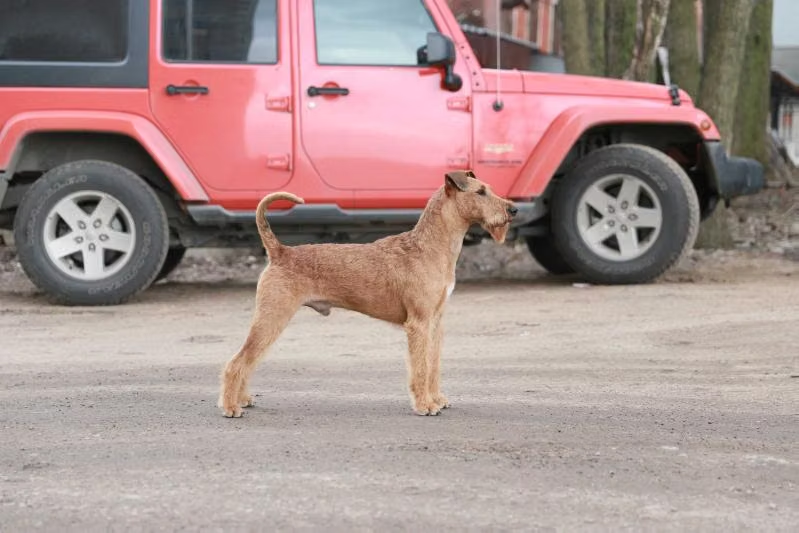

![Ted Malone [Mrs. Butcher's], a Male Irish Terrier registered with United Pet Club](https://media.unitedpetclub.com/m/udqt44FdYl/ted-malone-mrs-butcher-s-irish-terrier_orig.avif "Ted Malone [Mrs. Butcher's] — Irish Terrier")


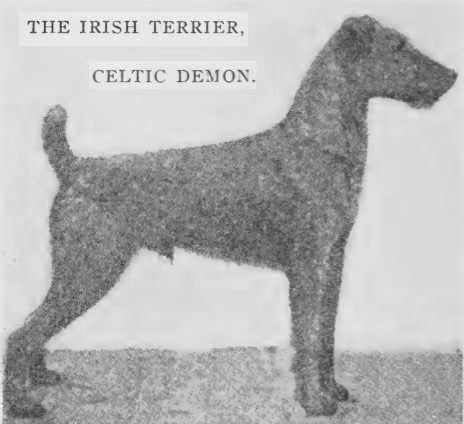
![Sport [Mr Jamison's], a Male Irish Terrier registered with United Pet Club](https://media.unitedpetclub.com/m/G4RVCgYDbI/sport-mr-jamison-s-irish-terrier_orig.avif "Sport [Mr Jamison's] — Irish Terrier")
![Badger [Dr. Mark's], a Male Irish Terrier registered with United Pet Club](https://media.unitedpetclub.com/m/KKEFCHScxd/badger-dr-mark-s-irish-terrier_orig.avif "Badger [Dr. Mark's] — Irish Terrier")
![Kate [Dr. Mark's], a Female Irish Terrier registered with United Pet Club](https://media.unitedpetclub.com/m/fGUbeif4or/kate-dr-mark-s-irish-terrier_orig.avif "Kate [Dr. Mark's] — Irish Terrier")
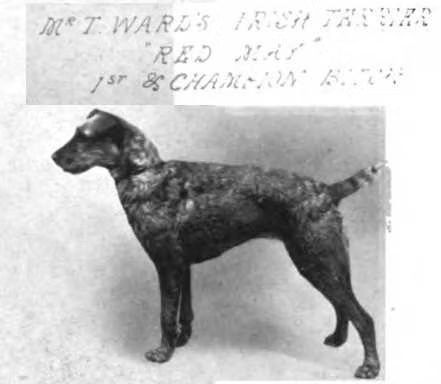
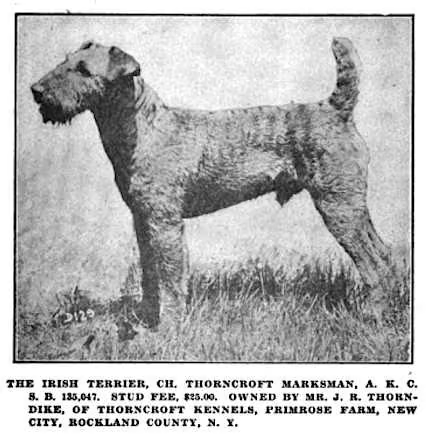
Apie airių terjerą
Airių terjeras yra vidutinio dydžio darbinis terjeras iš Airijos, ištikimas ir drąsus, su vieliniu rudu kailiu; gyvena vidutiniškai 13-15 metų.
Airių terjeras yra vidutinio dydžio šuo, išvestas Airijoje kaip ūkio ir kenkėjų naikinimo šuo. Tai viena seniausių terjerų veislių, atpažįstama iš vientiso rudo kailio ir ilgo, liauno kūno sudėjimo. Veislei prigijo pravardė „velniukas“, nurodanti jos drąsų, nieko nebijantį elgesį net prieš didesnius gyvūnus.
Tai aktyvus, budrus šuo, stipriai prisirišantis prie savo šeimos. Airių terjerai apibūdinami kaip ištikimi, temperamentingi, protingi, drąsūs ir pasitikintys savimi. Jie buvo veisiami savarankiškai dirbti prieš žiurkes ir kitus kenkėjus, todėl turi stiprų instinktą ir polinkį veikti pagal savo nuožiūrą. Su pažįstamais žmonėmis jie švelnūs ir stabilaus būdo.
Ši veislė tinka šeimininkams, galintiems kasdien skirti laiko mankštai, nuosekliai auklėti šunį ir būti šalia. Airių terjerai gali būti santūrūs ar net priekabūs nepažįstamų šunų atžvilgiu, o medžioklės instinktas išlieka stiprus, todėl svarbu turėti tvirtą tvorą ir prižiūrėti šunį šalia mažų gyvūnų. Gaudami aiškias taisykles ir dėmesį, jie gerai pritampa prie šeimos gyvenimo.
| Požymis | Informacija |
|---|---|
| Kilmė | Airija |
| Dydis | Vidutinis |
| Gyvenimo trukmė | 13-15 metų |
| Grupė / paskirtis | Terjeras; kenkėjų naikinimas ūkyje ir kompanionas |
| Sutaria su | Šeimos nariais; su kitais šunimis ir mažais augintiniais reikia priežiūros |
Kam tinka ši veislė
Airių terjeras tinka aktyviam žmogui ar šeimai, norintiems ištvermingo, atsidavusio šuns ir pasiruošusiems dresūrai bei kasdienei veiklai. Jis netinka šeimininkams, kurie ilgai būna išvykę, arba tiems, kurie laiko mažus narvelyje gyvenančius augintinius be atskiro aptvaro. Ankstyva socializacija padeda sumažinti šuns nepasitikėjimą nepažįstamais šunimis.
Kilmė ir istorija
Airių terjeras Airijoje išsivystė kaip ūkio ir kenkėjų naikinimo šuo ir buvo viena pirmųjų terjerų veislių, gavusių oficialų pripažinimą XIX amžiaus pabaigoje.
Airių terjeras kilęs iš Airijos, kur ūkininkai laikė ištvermingus rudus terjerus žiurkėms ir kitiems kenkėjams naikinti bei sodybai saugoti. Tiksli ankstyvoji veislės kilmė nėra smulkiai užfiksuota, tačiau ji laikoma viena seniausių Britų salų terjerų rūšių. Ankstyvąją raidą lėmė darbiniai gebėjimai, o ne išvaizda.
Organizuotas susidomėjimas veisle augo XIX amžiaus antroje pusėje. Airijos šunų parodose nuo aštuntojo dešimtmečio pradėtos rengti šiai veislei skirtos klasės, o tai paskatino veisėjus siekti vienodesnio tipo. 1879 metais Dubline įsteigtas veislės klubas, ir tuo laikotarpiu buvo nustatyti dydžio, kailio ir spalvos standartai. Vientisas rudas kailis tapo skiriamuoju bruožu, išskiriančiu veislę iš kitų terjerų.
XIX amžiaus pabaigoje airių terjeras paplito už Airijos ribų, pirmiausia į Britaniją, o vėliau į Šiaurės Ameriką. Jis pelnė drąsos ir narsumo vardą, o per Pirmąjį pasaulinį karą šios veislės šunys fronte buvo naudojami kaip ryšininkai ir sargybiniai, tai dar labiau sustiprino jo reputaciją.
Šiais laikais airių terjeras daugiausia laikomas kaip kompanionas ir parodinis šuo, nors išlaiko protėvių darbinį instinktą. Jis retesnis nei kai kurios kitos terjerų veislės, tačiau turi pastovų būrį gerbėjų, vertinančių jo charakterį ir istoriją. Lietuvoje airių terjerų veislę registruoja Lietuvos kinologų draugija (LKD), FCI narė, taikanti tą patį airiškos kilmės veislės standartą.
Išvaizda ir veislės standartas
Airių terjeras yra vidutinio dydžio, liaunas šuo su tankiu vieliniu rudu kailiu, ilga plokščiakaukole galva ir tamsiomis akimis.
Airių terjeras turi lieknus, darnius kūno kontūrus: vidutinio ilgio liemenį, tiesias priekines kojas ir gilią, bet ne plačią krūtinę. Bendras įspūdis rodo šunį, sukurtą greičiui ir ištvermei, o ne masyvumui. Galva ilga, su plokščia kaukole, ausys mažos, V formos, priglaustos į priekį prie galvos šonų. Uodega laikoma šiek tiek pakelta.
| Požymis | Standartas |
|---|---|
| Ūgis | Apie 46-48 cm ties ketera |
| Svoris | Apie 11-12 kg |
| Kailis | Tankus, vielinis, šiurkštus viršutinis kailis su minkštesniu pomečiu |
| Spalvos | Vientisa rusva, rusvai gelsva arba auksinė rusva |
| Akys | Mažos, tamsios, gana artimai sodintos |
Kailis ir spalvos
Kailis yra svarbiausias veislės požymis. Jis kietas ir vielinis liesti, glaudžiai priglunda prie kūno ir atlaiko blogą orą. Kartais ant krūtinės matyti nedidelė balta dėmė, ir tai paprastai toleruojama, tačiau pageidaujama spalva yra ryški, tolygi rusva. Šuniukams būdingas tamsesnis atspalvis, kuris išnyksta jiems bręstant. Vielinę kailio tekstūrą geriausiai palaiko rankinis kailio šalinimas (trimingas), kuris išsaugo ir spalvą, ir šiurkštumą, o kirpimas ilgainiui kailį suminkština ir pašviesina.
Temperamentas ir elgesys
Airių terjeras yra ištikimas, drąsus ir protingas, atsidavęs šeimai, tačiau dažnai priekabus nepažįstamų šunų atžvilgiu ir linkęs vytis mažus gyvūnus.
Airių terjeras yra temperamentingas ir drąsus, stipriai prisirišęs prie savo šeimos. Su šeima jis švelnus, žaismingas ir globėjiškas, dažnai pats save paskiria sargu. Veislė protinga ir greitai supranta situaciją, todėl būna puiki kompanija, tačiau kartais gali būti užsispyrusi, jei nesutinka su šeimininku.
Su nepažįstamais žmonėmis airių terjeras budrus ir iš pradžių gali būti santūrus, atšyla tik nusprendęs, kad svečias tinkamas. Su kitais šunimis gali būti priekabus ar net vaidingas, ypač su tos pačios lyties šunimis, ir būtent šis bruožas atnešė veislei drąsuolio reputaciją. Ankstyva ir nuolatinė socializacija mažina konfliktus, tačiau retai visiškai pašalina polinkį ginti savo poziciją.
Medžioklės instinktas stiprus. Katės, graužikai ir kiti maži gyvūnai gali sukelti vijimąsi, todėl namuose, kur laikomi maži augintiniai, būtina kruopšti priežiūra. Su vaikais veislė paprastai sutaria gerai, jei augo kartu, tačiau dėl didelio aktyvumo su mažais vaikais verta prižiūrėti. Šiam šuniui reikia užduočių, protinio krūvio ir pasitikinčio savimi šeimininko.
| Bruožas | Įvertinimas |
|---|---|
| Meilumas | 4 |
| Energingumas | 5 |
| Dresuojamumas | 3 |
| Balsumas | 3 |
| Šėrimasis | 2 |
Priežiūra ir kailio tvarkymas
Airių terjerui reikia rankinio vielinio kailio šalinimo, kasdienio intensyvaus judėjimo ir saugios aplinkos, atitinkančios jo medžioklinį instinktą.
Kailio priežiūra
- Šukuokite kailį kartą ar du per savaitę, kad pašalintumėte iškritusius plaukus ir išvengtumėte susivėlimo.
- Rankomis šalinkite kailį (trimingas) maždaug du tris kartus per metus, kad išlaikytumėte vielinę tekstūrą ir rudą spalvą.
- Maudykite tik tada, kai reikia, nes dažnas maudymas suminkština šiurkštų kailį.
- Reguliariai tikrinkite ir valykite ausis, kas kelias savaites kirpkite nagus, o dantis šukuokite kelis kartus per savaitę.
Fizinis aktyvumas
- Kasdien skirkite bent 60 minučių aktyvumo, padalyto tarp pasivaikščiojimų ir žaidimų.
- Įtraukite bėgiojimą be pavadėlio saugioje aptvertoje vietoje, kur medžioklinis instinktas negalės pridaryti bėdos.
- Papildykite protiniu krūviu: kvapų žaidimais, dresūros pratimais ar galvosūkiais su maistu.
- Šalia kelių ir mažų gyvūnų šunį laikykite pavadėlyje arba aptvertoje teritorijoje.
Aplinka
Airių terjeras prisitaiko prie gyvenimo name ar bute, jei gauna pakankamai judėjimo, tačiau geriausiai jaučiasi turėdamas priėjimą prie saugiai aptverto kiemo. Tvora turi būti tvirta ir neleidžianti iškasti perėjimo, nes veislė linkusi kasti ir vytis. Tankus kailis padeda jam pakęsti šaltą ir drėgną orą, o Lietuvos klimato sąlygomis, kur žiemos šaltos, tai svarbus privalumas. Šuns negalima ilgai palikti vieno, nes nuobodulys gali paskatinti loti ir kasti.
Mityba ir šėrimas
Airių terjerą šerkite jo amžių atitinkančiu subalansuotu maistu, padalytu į matuotas porcijas, ir koreguokite kiekį, kad šis aktyvus šuo išliktų lieknas.
Airių terjerui tinka pilnavertis, subalansuotas šunų maistas, parinktas pagal jo amžių ir aktyvumo lygį. Kaip aktyviai veislei, jam reikia pakankamai baltymų ir riebalų energijai palaikyti, tačiau porcijas būtina kontroliuoti, kad šuo nenutuktų, nes papildomas svoris apkrauna sąnarius. Rinkitės maistą, atitinkantį šuns amžiaus grupę, ir stebėkite kūno būklę, o ne pasikliaukite vien pakuotės nurodymais. Švarus vanduo turi būti prieinamas visada.
| Amžiaus grupė | Kiekis per dieną | Šėrimų skaičius |
|---|---|---|
| Šuniukas (2-6 mėn.) | Pagal šuniukų maisto gaires, padalyta | 3-4 |
| Jaunuolis (6-12 mėn.) | Apie 1-1,5 puodelio | 2-3 |
| Suaugęs | Apie 1,25-1,75 puodelio | 2 |
| Senstantis | Šiek tiek sumažinta, stebint svorį | 2 |
Skanėstai ir papildai
Skanėstai turėtų sudaryti apie 10 procentų dienos kalorijų, ir juos reikia įtraukti į bendrą porciją. Dauguma airių terjerų, šeriamų pilnaverčiu maistu, papildų nereikalauja. Veterinaras konkrečiais atvejais gali pasiūlyti sąnarių ar odos palaikymo priemones, tačiau papildus reikėtų duoti tik jo nurodymu.
Sveikata ir gyvenimo trukmė
Airių terjeras paprastai yra tvirtos sveikatos, gyvena 13-15 metų, tačiau verta stebėti kelis paveldimus sutrikimus, reguliariai lankantis pas veterinarą.
Airių terjeras laikomas tvirtos, sveikos konstitucijos veisle, kurios būdinga gyvenimo trukmė siekia 13-15 metų. Atsakingas veisimas ir reguliari veterinarinė priežiūra padeda daugumai šunų likti geros būklės iki senyvo amžiaus. Kaip ir bet kuriai kitai veislei, jai būdingi keli paveldimi ir įgyti sutrikimai, pasitaikantys dažniau nei bendroje šunų populiacijoje, todėl žinojimas apie juos padeda anksti juos pastebėti.
| Sutrikimas | Požymiai | Pastaba |
|---|---|---|
| Hiperkeratozė (raguoti paikšteliai) | Sustorėję, įtrūkę pėdų pagalvėlės | Paveldimas sutrikimas, dokumentuotas šioje veislėje; valdomas, bet neišgydomas |
| Hipotireozė | Svorio augimas, letargija, kailio pokyčiai | Diagnozuojama kraujo tyrimu, kontroliuojama vaistais |
| Cistinurija | Šlapimo pūslės akmenys, sunkumas šlapinantis | Šlapimo takų akmenligės sutrikimas; reikalinga veterinarinė priežiūra |
| Akių sutrikimai | Drumstumas, regėjimo pokyčiai | Rekomenduojami periodiniai akių patikrinimai |
Prevencinė priežiūra
- Laiku atlikite skiepijimus ir parazitų profilaktiką.
- Kasmet lankykitės pas veterinarą, senstantiems šunims patikrinimus atlikite dažniau.
- Prižiūrėkite dantų būklę, kad sumažintumėte dantenų ligų riziką.
- Stebėkite kūno būklę ir palaikykite šunį lieknos sudėties.
- Rinkitės veisėjus, kurie tikrina žinomus paveldimus sutrikimus.
Dresūra
Airių terjeras yra protingas ir gabus, bet savarankiškas bei užsispyręs, todėl geriausiai reaguoja į nuoseklią, paskatinimais grįstą dresūrą, pradėtą anksti.
Airių terjeras protingas ir greitai mokosi, tačiau buvo veisiamas dirbti savarankiškai, todėl gali būti užsispyręs ir rinktis, kada klausyti. Dresūra veiksmingiausia, kai ji nuosekli, tvirta ir teisinga, o taisyklės aiškios nuo pat pradžių. Griežti metodai dažniausiai duoda priešingą rezultatą: šuo pradeda priešintis, o ne bendradarbiauti. Trumpi, įvairūs užsiėmimai išlaiko veislės dėmesį geriau nei ilgi, pasikartojantys pratimai.
Socializacija tokia pat svarbi kaip ir paklusnumas. Bendravimas su kitais šunimis, žmonėmis ir įvairiomis situacijomis nuo šuniuko amžiaus mažina veislės polinkį į agresiją prieš kitus šunis. Atšaukimo komanda yra sudėtingas iššūkis dėl stipraus medžioklinio instinkto, todėl ją reikia intensyviai treniruoti, o vietose, kur yra mažų gyvūnų ar transporto, šunį laikyti pavadėlyje.
Pagrindai
- Šuniukystėje pradėkite socializaciją ir švelnų priėmimą į rankas.
- Išmokykite reaguoti į vardą bei patikimai atlikti komandas „sėsti“ ir „gulti“.
- Atšaukimo įgūdžius formuokite mažai dėmesį blaškančioje aplinkoje, tik vėliau pridėkite trukdžių.
- Praktikuokite vaikščiojimą su atlaisvintu pavadėliu, kad valdytumėte veislės polinkius.
- Įtraukite struktūruotus žaidimus ir užduotis, kad nukreiptumėte energiją ir intelektą tinkama linkme.
Veisimas
Airių terjerai lytiškai subręsta antraisiais gyvenimo metais, nešioja vados apie devynias savaites ir atveda vidutinio dydžio vadas, kurioms reikia kruopščios socializacijos.
Atsakingas airių terjerų veisimas remiasi temperamentu, eksterjeru ir sveikatos patikrinimais. Veisiami šunys turėtų būti fiziškai subrendę, o tai paprastai reiškia, kad reikia palaukti iki antrųjų metų, o ne veisti po pirmos ar antros rujos. Prieš poravimą abu tėvus reikėtų patikrinti dėl šiai veislei žinomų paveldimų sutrikimų.
Nėštumas trunka apie 63 dienas nuo apvaisinimo. Vados dažniausiai vidutinio dydžio. Kalė paprastai atsiveda be didelių sunkumų, tačiau protinga turėti ramią vietą vadai ir budinčio veterinaro pagalbą. Šuniukai gimsta kurti ir akli, pirmosiomis savaitėmis jie visiškai priklauso nuo motinos.
Ankstyvas priėmimas į rankas ir socializacija formuoja šios veislės temperamentą. Šuniukus reikia nuo mažens pratinti prie švelnaus lietimo, buities garsų ir įvairių paviršių, o su motina ir vados broliais bei sesėmis jie turėtų likti tol, kol bus pakankamai suaugę palikti vadą, o tai paprastai būna apie aštuntą savaitę. Kadangi veislei būdingas stiprus instinktas ir polinkis rodyti tvirtumą prieš kitus šunis, ankstyva socialinė patirtis atsiperka visą gyvenimą.
| Rodiklis | Reikšmė |
|---|---|
| Lytinė branda veisimui | Paprastai po 18-24 mėnesių |
| Nėštumo trukmė | Apie 63 dienas |
| Vidutinis vados dydis | Maždaug 4-7 šuniukai |
| Nujunkymo amžius | Apie 6-8 savaites |
| Rekomenduojamas amžius palikti motiną | Apie 8 savaites |
Irish Terrier veislės šuns ir mikroschemos registracija
Nemokamas profilis visam gyvenimui jūsų Irish Terrier veislės šuniui United Pet Club, su užregistruota mikroschema ir be pratęsimo mokesčių.
Kaip užregistruoti Irish Terrier veislės šunį Lietuvoje
Skaitytuvas prieglaudoje vertas tiek, kiek vertas registras, į kurį veda numeris. Duokite Irish Terrier veislės šuniui registrą, kuris atsako visada: nemokama kortelė su nuotrauka, duomenimis ir jūsų telefonu, pasiekiama visą parą, namie ir užsienyje. Registracija atliekama kartą ir lieka visam laikui.
Penkiolika skaitmenų po Irish Terrier veislės šuns oda parodys į jus tik tada, kai tai pasakys registras. Tegul pasako nemokamai: įrašas United Pet Club niekada nesibaigia, priima bet kurios markės mikroschemą, o kiekvienas duomenų pakeitimas nemokamas. Mikroschemos registracija pirmiausia, paskyra iškart po jos.
Kaip užregistruoti Irish Terrier veislės šunį Lietuvoje?
Susikurkite nemokamą paskyrą United Pet Club, užpildykite Irish Terrier veislės šuns duomenis su nuotrauka ir išsaugokite profilį. Jis nemokamas visą šuns gyvenimą, o privaloma registracija Gyvūnų augintinių registre vyksta atskirai.
Kaip užregistruoti Irish Terrier veislės šuns mikroschemą?
Įveskite 15 skaitmenų mikroschemos numerį nemokamoje paskyroje kartu su adresu ir telefonu. Visą gyvenimą galiojantis planas priima bet kurios markės mikroschemą ir niekada neima mokesčio už atnaujinimus.
Ar mikroschema privaloma Irish Terrier veislės šuniui Lietuvoje?
Taip, nuo 2016 metų šunys privalo būti paženklinti ir įregistruoti Gyvūnų augintinių registre. United Pet Club įrašas papildo valstybinį: atsako į paieškas ir už Lietuvos ribų, nemokamai.
Kiek kainuoja Irish Terrier veislės šuns registracija?
Nieko. Nemokamas visą gyvenimą galiojantis planas apima profilį, mikroschemos registraciją ir visus būsimus atnaujinimus, be metinių mokesčių.
Dažniausiai užduodami klausimai
Dažniausi klausimai apie airių terjerą apima jo dydį, temperamentą, priežiūros poreikius, gyvenimo trukmę, tinkamumą šeimai ir prieinamumą.
Koks dydis būna airių terjero?
Tai vidutinio dydžio šuo, kurio ūgis ties ketera siekia apie 46-48 cm, o svoris apie 11-12 kg.
Koks airių terjero temperamentas?
Jis ištikimas, temperamentingas, protingas ir drąsus. Su šeima švelnus, su nepažįstamaisiais budrus, o kitų šunų atžvilgiu dažnai priekabus, be to, turi stiprų polinkį vytis mažus gyvūnus.
Ar sunku prižiūrėti airių terjerą?
Priežiūra vidutinio sudėtingumo. Vielinį kailį reikia kelis kartus per metus rankomis šalinti ir kas savaitę šukuoti, o šuniui reikia bent valandos judėjimo per dieną ir protinio krūvio. Tai nėra nereikli veislė.
Kiek gyvena airių terjerai?
Įprasta gyvenimo trukmė yra 13-15 metų, o veislė paprastai būna tvirtos sveikatos, jei gauna reguliarią veterinarinę priežiūrą.
Ar airių terjeras tinka šeimai?
Taip, aktyvioms šeimoms, galinčioms užtikrinti judėjimą ir nuoseklią dresūrą. Jis gerai sutaria su vaikais, su kuriais augo, tačiau reikia priežiūros šalia mažų augintinių ir kitų šunų.
Ar lengva rasti airių terjerą?
Ši veislė retesnė nei daugelis kitų terjerų, todėl būsimiems šeimininkams gali tekti kreiptis į veislės klubus arba laukti vados iš patikimo veisėjo.
Ar airių terjerai daug šeria?
Ne. Vielinis kailis šeria mažai, ypač kai reguliariai šalinamas rankomis, ir tai yra vienas iš privalumų žmonėms, jautriems iškritusiems plaukams.
From the community
Ask about the Irish TerrierNo questions about the Irish Terrier yet. Be the first to ask.
Browse Dog breeds