

Akbash
The Akbash is a stately Turkish livestock guardian known for its protective instincts, independence, and calm vigilance.
- Size
- Giant
- Lifespan
- 10–12 years
- Origin
- Turkey
- Temperament
- Protective
- Standard colors
- Balta
Characteristics
Coat and grooming
How the Akbash coat is built, and what that means when you groom it.
- Kailio sluoksniai
- Dvigubas kailis
- Plauko struktūra
- Šeriuotas
- Plauko ilgis
- Vidutinis
- Šėrimasis
- Sezoninis šėrimasis
Grooming guidance
Kritiška: A Akbash should not be shaved.
Poplaukis neįleidžia karščio lygiai taip pat, kaip ir šalčio, o dengiamasis plaukas saugo odą nuo saulės ir vabzdžių įkandimų. Nukirpus visą kailį, netenkama abiejų. Jis dažnai atauga lopais, minkštas arba kitos spalvos, o kai kuriems gyvūnams dengiamasis plaukas taip ir nebeatauga kaip reikiant. Poplaukį iššukuokite, o ne nukirpkite.
Informacija: A Akbash drops its undercoat in heavy bursts.
Poplaukis išeina stipriais protrūkiais per kelias savaites. Poplaukio grėblys arba maudymas su tinkamu išpūtimu pašalina jį kur kas greičiau nei kasdienis šukavimas. Trumpai nukirpti kailį čia nėra trumpesnis kelias.
Akbash colors and patterns
What each club's breed standard says about every Akbash color and pattern. Point at a ruling to see the club's own wording.
Breed standards describe the Akbash in Balta. Standard patterns: Vienspalvė.
| Color or pattern | UKC |
|---|---|
| Balta | Pagal standartą (“The Akbash Dog is always white”) |
| Albinosinė | Diskvalifikuojanti (“albinism”) |
| Patterns | |
| Vienspalvė | Pagal standartą (“always white”) |
| Dėmėta | Diskvalifikuojanti (“defined spots on the outer coat”) |

%22%3E%3Cpath%20d%3D%22M51.6%2041h.1M30.7%2035.3h.1M34.9%2031.1h.1M20.4%2027h.1M24.3%2023.8h.1M13.7%2024.5h.1M48.1%2027.8h.1M22.6%2055.1h.1M26.3%2044.6h.1M46.2%2044.7h.1M32.1%2051.9h.1M40.9%2027.7h.1M52.9%2034.5h.1M57.9%2012.4h.1M49.9%2048.7h.1M44.5%2024.7h.1M45.7%2033.8h.1M31.4%2025h.1M15.2%2015.8h.1M52.2%2055.6h.1M37%2023.9h.1M54.6%2045.7h.1M22.9%2041.7h.1M25.2%2028.6h.1%22%20fill%3D%22none%22%20stroke%3D%22%231C1C1C%22%20stroke-width%3D%223.6%22%20stroke-linecap%3D%22round%22%20stroke-linejoin%3D%22round%22%2F%3E%3Cpath%20d%3D%22M20.5%2032.5h.1M17.8%2021.7h.1M39.4%2032.8h.1M50.4%2023h.1M5.4%2023.9h.1M24.5%2034.2h.1M55.2%2023.5h.1M47.5%2039.1h.1M41.7%2037.8h.1M27.2%2038.4h.1M31.9%2040.9h.1M14.6%207.5h.1M20.7%2018.3h.1M29.1%2055.7h.1M45.2%2051.3h.1M57.6%2017.4h.1M24%2048.9h.1M31.5%2047.4h.1M30.3%2030.9h.1M54%2050.8h.1M11.2%2017.8h.1M52.6%2028.7h.1M36.7%2036.9h.1%22%20fill%3D%22none%22%20stroke%3D%22%231C1C1C%22%20stroke-width%3D%222.4%22%20stroke-linecap%3D%22round%22%20stroke-linejoin%3D%22round%22%2F%3E%3C%2Fg%3E%3Cuse%20href%3D%22%23s%22%20fill%3D%22none%22%20stroke%3D%22%233B2A20%22%20stroke-opacity%3D%220.6%22%20stroke-width%3D%221%22%20stroke-linejoin%3D%22round%22%2F%3E%3Cellipse%20cx%3D%223.2%22%20cy%3D%2221.7%22%20rx%3D%221.3%22%20ry%3D%221.2%22%20fill%3D%22%231C1C1C%22%2F%3E%3Ccircle%20cx%3D%2210.8%22%20cy%3D%2219.3%22%20r%3D%221.1%22%20fill%3D%22%231C1C1C%22%2F%3E%3C%2Fsvg%3E)
| Color or pattern | UKC |
|---|---|
| Tamsiai ruda | Pagal standartą (“golden brown to dark brown, with darker color preferred”) |
| Gintarinė | Pagal standartą (“golden brown”) |
| Geltona | Trūkumas (“Very pale yellow eyes”) |
| Mėlyna | Diskvalifikuojanti (“Blue eyes”) |
| Color or pattern | UKC |
|---|---|
| Juoda | Pagal standartą (“solid black”) |
| Kepeninė | Pagal standartą (“solid dark brown”) |
| Rožinė | Diskvalifikuojanti (“Complete lack of pigmentation on nose”) |
| Patterns | |
| Žiemos nosis | Pagal standartą (“a slight seasonal fading of nose pigment should not be penalized”) |
| Drugelio nosis | Trūkumas (“Butterfly nose”) |
%22%3E%3Crect%20x%3D%2217%22%20y%3D%2210%22%20width%3D%2230%22%20height%3D%2242%22%20fill%3D%22url(%23g)%22%2F%3E%3C%2Fg%3E%3Cuse%20href%3D%22%23s%22%20fill%3D%22none%22%20stroke%3D%22%233B2A20%22%20stroke-opacity%3D%220.6%22%20stroke-width%3D%221%22%20stroke-linejoin%3D%22round%22%2F%3E%3Cpath%20d%3D%22M12.5%2037Q13%2032%2018.5%2032Q23.5%2032.5%2023.5%2036.5Q20.5%2035.5%2018.8%2037Q17.4%2038.6%2018%2041.5Q13.6%2040.4%2012.5%2037Z%22%20fill%3D%22%231C1C1C%22%20fill-opacity%3D%220.8%22%20stroke%3D%22%23F5F5F0%22%20stroke-opacity%3D%220.4%22%20stroke-width%3D%220.9%22%2F%3E%3Cpath%20d%3D%22M51.5%2037Q51%2032%2045.5%2032Q40.5%2032.5%2040.5%2036.5Q43.5%2035.5%2045.2%2037Q46.6%2038.6%2046%2041.5Q50.4%2040.4%2051.5%2037Z%22%20fill%3D%22%231C1C1C%22%20fill-opacity%3D%220.8%22%20stroke%3D%22%23F5F5F0%22%20stroke-opacity%3D%220.4%22%20stroke-width%3D%220.9%22%2F%3E%3Cpath%20d%3D%22M32%2040V50%22%20fill%3D%22none%22%20stroke%3D%22%231C1C1C%22%20stroke-width%3D%221.3%22%20stroke-opacity%3D%220.5%22%20stroke-linecap%3D%22round%22%20stroke-linejoin%3D%22round%22%2F%3E%3Cellipse%20cx%3D%2232%22%20cy%3D%2221%22%20rx%3D%2212%22%20ry%3D%223.5%22%20fill%3D%22%23F5F5F0%22%20fill-opacity%3D%220.18%22%2F%3E%3C%2Fsvg%3E)
%22%3E%3Cpath%20d%3D%22M28.4%2019.1C29.9%2017.7%2032.2%2016.4%2034%2016C35.8%2015.6%2037.4%2016%2039.2%2016.6C41.1%2017.2%2044.4%2018.5%2045.1%2019.5C45.8%2020.6%2044.3%2021.9%2043.3%2023.1C42.2%2024.3%2040.9%2025.9%2039%2026.6C37.1%2027.2%2034.3%2027.3%2032%2026.9C29.6%2026.4%2025.6%2025.3%2025%2024C24.4%2022.7%2026.9%2020.4%2028.4%2019.1Z%22%20fill%3D%22%23E8A0B4%22%2F%3E%3Cpath%20d%3D%22M23.8%2037.7C24.6%2037.5%2026.2%2037.9%2027.4%2038.1C28.5%2038.2%2030.2%2037.9%2030.8%2038.4C31.4%2039%2031.2%2040.7%2030.9%2041.5C30.7%2042.3%2029.9%2042.9%2029.1%2043.3C28.4%2043.8%2027.4%2044.6%2026.4%2044.4C25.4%2044.2%2023.8%2042.9%2023.1%2042.1C22.4%2041.3%2022.2%2040.2%2022.3%2039.5C22.4%2038.8%2022.9%2038%2023.8%2037.7Z%22%20fill%3D%22%23E8A0B4%22%2F%3E%3Cpath%20d%3D%22M10.5%2027.2C10.4%2026.7%2010.4%2025.4%2011%2025C11.5%2024.6%2013%2024.6%2013.9%2024.6C14.8%2024.6%2015.6%2024.5%2016.1%2024.9C16.6%2025.3%2017%2026.2%2017%2026.9C17.1%2027.7%2016.8%2028.8%2016.4%2029.4C15.9%2029.9%2014.9%2030.4%2014.2%2030.3C13.4%2030.1%2012.3%2028.8%2011.7%2028.3C11.1%2027.8%2010.6%2027.8%2010.5%2027.2Z%22%20fill%3D%22%23E8A0B4%22%2F%3E%3C%2Fg%3E%3Cuse%20href%3D%22%23s%22%20fill%3D%22none%22%20stroke%3D%22%233B2A20%22%20stroke-opacity%3D%220.6%22%20stroke-width%3D%221%22%20stroke-linejoin%3D%22round%22%2F%3E%3Cpath%20d%3D%22M12.5%2037Q13%2032%2018.5%2032Q23.5%2032.5%2023.5%2036.5Q20.5%2035.5%2018.8%2037Q17.4%2038.6%2018%2041.5Q13.6%2040.4%2012.5%2037Z%22%20fill%3D%22%231C1C1C%22%20fill-opacity%3D%220.8%22%20stroke%3D%22%23F5F5F0%22%20stroke-opacity%3D%220.4%22%20stroke-width%3D%220.9%22%2F%3E%3Cpath%20d%3D%22M51.5%2037Q51%2032%2045.5%2032Q40.5%2032.5%2040.5%2036.5Q43.5%2035.5%2045.2%2037Q46.6%2038.6%2046%2041.5Q50.4%2040.4%2051.5%2037Z%22%20fill%3D%22%231C1C1C%22%20fill-opacity%3D%220.8%22%20stroke%3D%22%23F5F5F0%22%20stroke-opacity%3D%220.4%22%20stroke-width%3D%220.9%22%2F%3E%3Cpath%20d%3D%22M32%2040V50%22%20fill%3D%22none%22%20stroke%3D%22%231C1C1C%22%20stroke-width%3D%221.3%22%20stroke-opacity%3D%220.5%22%20stroke-linecap%3D%22round%22%20stroke-linejoin%3D%22round%22%2F%3E%3Cellipse%20cx%3D%2232%22%20cy%3D%2221%22%20rx%3D%2212%22%20ry%3D%223.5%22%20fill%3D%22%23F5F5F0%22%20fill-opacity%3D%220.18%22%2F%3E%3C%2Fsvg%3E)
What the rulings mean
- Pagal standartą
- Described by the club's breed standard.
- Trūkumas
- Named by the club's breed standard as a fault: the animal can be shown but is penalized.
- Diskvalifikuojanti
- The club's breed standard disqualifies an animal of this color or pattern.
Color changes
How a Akbash's colors can change over its life.
Baltachanges toDereša
Kailis · Su amžiumi · from 2 weeks
Juodachanges toŽiemos nosis
Nosis · Pagal sezoną · can change back
Juodachanges toRožinė
Nosis · Pagal sezoną · can change back
%22%3E%3Cg%20fill%3D%22none%22%20stroke%3D%22%23F5F5F0%22%20stroke-width%3D%221.15%22%20stroke-linecap%3D%22round%22%20stroke-linejoin%3D%22round%22%3E%3Cpath%20d%3D%22M28.6%2025h.1M51.3%2028.8h.1M34.7%2024.3h.1M34.2%2041.6h.1M51%2044.2h.1M55.9%2024.7h.1M27.5%2026.3h.1M18.5%2028.6h.1M25.2%2028.9h.1M24.2%2019.3h.1M20.6%2017.6h.1M34.1%2030.6h.1M57.3%2023.3h.1M23.5%2030.7h.1M26.5%2023.1h.1M40%2031.5h.1M51.7%2038.6h.1M20.2%2022.1h.1M40.4%2037.8h.1M35%2043.1h.1M20.6%2031.7h.1M27.8%2031.9h.1M17.2%2021.1h.1M38.1%2037.7h.1M25.3%2040.5h.1M32%2029.3h.1M41.6%2039.5h.1M23.6%2024h.1M26.4%2018.6h.1M30.3%2031.9h.1M31.2%2035.2h.1M36.5%2043.7h.1M35.2%2026.3h.1M55.6%2019.1h.1M22.4%2036.8h.1M39.2%2020h.1M49.5%2039.1h.1M33.6%2033.5h.1M36.4%2032.4h.1M56.3%2042.4h.1M54.8%2031.2h.1M36.9%2023.2h.1M52.7%2019.1h.1M21.5%2033.8h.1M48.6%2028h.1M36.6%2017.5h.1M45.6%2031.3h.1M37.9%2030.5h.1M17%2031.8h.1M21.1%2043.1h.1M55.7%2021.1h.1M30.8%2041.9h.1M57.4%2038.4h.1M54.8%2026.9h.1M29.1%2017.5h.1M24.3%2037.7h.1M26%2032h.1M39.3%2022.8h.1M53.5%2029h.1M53.3%2023.3h.1M20%2038.4h.1M28.3%2044.7h.1M28.6%2039.8h.1M51.9%2041.1h.1M52.3%2033.7h.1M19.6%2042.2h.1M19%2033h.1M47.8%2021.7h.1M45.7%2024.8h.1M24.6%2035.5h.1M29.8%2036.8h.1M50.7%2032h.1M29.5%2043.5h.1M28.2%2041.5h.1M47.4%2034.8h.1M25.4%2033.7h.1M50.2%2041.2h.1M27.7%2029.5h.1M21.5%2024.8h.1M55.5%2017.5h.1M41.2%2044.3h.1M39.2%2018.4h.1M41.1%2042.5h.1M54.7%2035.3h.1M42.8%2034.5h.1M30.1%2023h.1M42.6%2025.1h.1M32.9%2024.4h.1M42.4%2032.4h.1M49.7%2022.2h.1M49.1%2043.1h.1M38%2035.2h.1M47.7%2043.8h.1M43.1%2022.4h.1M22.4%2040.4h.1M44.4%2019.8h.1M53.3%2040.1h.1M20.7%2029.3h.1M55.6%2043.9h.1M17.6%2039.2h.1M41.7%2028.9h.1M44.1%2036.3h.1M24.3%2043.6h.1M26.4%2038.1h.1M30.3%2029.2h.1M31.5%2030.8h.1M32.1%2023h.1M18.3%2040.9h.1M48%2033.4h.1M36.4%2038.7h.1M31.9%2020.8h.1M32.6%2026.2h.1M22%2031.2h.1M53.4%2021.7h.1M41.9%2017.7h.1M53.3%2037.3h.1M47.7%2040.3h.1M54.4%2033.7h.1M33.6%2037.5h.1M25.3%2017.2h.1M37.6%2019.7h.1M31.6%2019h.1M29.2%2019.6h.1M50.7%2027.3h.1M22%2022.1h.1M31%2037.8h.1M56.5%2026.6h.1M34.7%2039.5h.1M56.5%2040.8h.1M47.6%2038h.1M48.6%2026.1h.1M49.7%2034.2h.1M45.4%2027.4h.1M22.6%2038.9h.1M56.5%2035.3h.1M35.1%2021h.1M41.9%2020.1h.1M37.6%2040h.1M32.6%2044.4h.1M37.9%2025.2h.1M26.6%2043h.1M18.9%2036.7h.1M47.2%2028.9h.1M30.5%2026.2h.1M17.4%2027.3h.1M47.1%2017.2h.1M22.3%2044.3h.1M32.5%2042.4h.1M23.6%2025.7h.1M31.4%2024.9h.1%22%2F%3E%3Cpath%20d%3D%22M26%2020.9h.1M41.2%2023.8h.1M39.9%2026.4h.1M28.5%2033.4h.1M42.8%2043.8h.1M17.6%2034.3h.1M34%2017.1h.1M31.2%2017.2h.1M46.5%2036.1h.1M25.1%2022.1h.1M50.3%2023.7h.1M20.2%2026.6h.1M20.8%2020.4h.1M50.9%2017.3h.1M49.5%2020.2h.1M52.9%2044.1h.1M23.9%2017.8h.1M43.2%2028.1h.1M57.6%2030h.1M52%2025.6h.1M19.2%2019.1h.1M19.5%2024.4h.1M32.8%2040.1h.1M36.1%2027.7h.1M39.6%2029.5h.1M38.4%2041.5h.1M47.9%2019.4h.1M49.1%2031.7h.1M55.9%2036.9h.1M29.2%2027.2h.1M46%2043.5h.1M44.6%2028.8h.1M47.5%2031.5h.1M22.8%2020h.1M27.6%2017.1h.1M43.1%2018.6h.1M54.3%2020h.1M57.2%2033.8h.1M44.5%2043.8h.1M27.1%2035.5h.1M45.3%2041.8h.1M56.7%2028.8h.1M36.7%2021.4h.1M43.3%2042.3h.1M17.3%2022.9h.1M32.7%2035.5h.1M30.5%2039.8h.1M29.1%2021.2h.1M34.5%2018.8h.1M25.8%2027h.1%22%2F%3E%3C%2Fg%3E%3Cpath%20d%3D%22M56.3%2038.4l0%201.2M40%2027.2l-0.3%201.3M32.6%2043.6l-0.4%201.5M29%2023.3l0.8%201.5M55.1%2044l0.4%201.1M47.5%2022.5l-0.2%201.6M42.9%2038.6l0.7%201.2M35.2%2041.8l-0.5%201.7M26.9%2040l-0.1%201.2M41%2042.8l-0.1%201.6M18.4%2021.2l0.7%201.3M49.4%2019.3l-0.5%201.4M50.1%2041.7l0%201.8M28.2%2041.8l-0.6%201.2M55.5%2027.1l0.2%201.2M44.7%2019.3l0.5%201.7M48.6%2020.5l-0.8%201.4M43.7%2039.6l0.3%201.1M22.1%2033.8l-0.6%201.6M50.1%2038.1l-0.5%201.3M51.8%2044.1l-0.1%201.8M39%2017.5l0%201.4M30.2%2026.7l0.2%201.4M25.8%2031.2l0.2%201.6M29.6%2043.5l0.1%201M43.7%2018.3l0.1%201.5M29.6%2018.2l0.3%201.6M24.4%2017.6l0.3%201.1M22%2028.2l-0.6%201.6M25.9%2043.3l-0.3%201.4M22.2%2024.3l0.3%201.3M47.3%2029.2l-0.2%201.4M21.8%2033.2l0.5%200.9M32.9%2037l0.4%201M40%2029.9l0.8%201.4M17.4%2038.3l0.2%201.3M31%2039.2l0%201.2M37.3%2033.7l0.3%201.5M48.1%2040.5l0%201.6M33.9%2031.2l0.1%201.2M29.8%2035.2l-0.4%201M25.1%2037.3l-0.2%201.5M30.2%2039.8l0.5%201M44.6%2034.8l0.4%200.9M55.3%2034.2l0%201.7M50.6%2017.9l0.4%201M30.2%2034.9l-0.4%201.4M19.5%2035.7l-0.5%201.7M40.7%2028.7l0.8%201.4M23.3%2029l-0.4%201.4M17%2040.5l-0.2%201M48.4%2023.2l-0.3%201M37.3%2025.1l-0.4%201.3M23%2021.4l-0.4%201.3M20.4%2017.2l-0.1%201.3M42.3%2020.4l0.6%201.4M41%2031.8l0.6%201.2M45.4%2034.3l-0.1%201.2M32.5%2018l0%201.3M46.2%2021.6l0.1%201.4M30.5%2022.3l0.5%201.1M58%2044.6l0.3%201.5M57.1%2033.9l0.8%201.4M18.3%2042.6l0.3%201M40.5%2035.1l-0.6%201.4M38.8%2044.3l-0.3%201.1%22%20fill%3D%22none%22%20stroke%3D%22%23F5F5F0%22%20stroke-width%3D%220.8%22%20stroke-linecap%3D%22round%22%20stroke-linejoin%3D%22round%22%2F%3E%3C%2Fg%3E%3Cuse%20href%3D%22%23s%22%20fill%3D%22none%22%20stroke%3D%22%233B2A20%22%20stroke-opacity%3D%220.6%22%20stroke-width%3D%221%22%20stroke-linejoin%3D%22round%22%2F%3E%3Crect%20x%3D%2220%22%20y%3D%2258%22%20width%3D%223.6%22%20height%3D%222%22%20fill%3D%22%234A4038%22%2F%3E%3Crect%20x%3D%2226%22%20y%3D%2258%22%20width%3D%223.6%22%20height%3D%222%22%20fill%3D%22%234A4038%22%2F%3E%3Crect%20x%3D%2244%22%20y%3D%2258%22%20width%3D%223.6%22%20height%3D%222%22%20fill%3D%22%234A4038%22%2F%3E%3Crect%20x%3D%2250%22%20y%3D%2258%22%20width%3D%223.6%22%20height%3D%222%22%20fill%3D%22%234A4038%22%2F%3E%3Ccircle%20cx%3D%229.5%22%20cy%3D%2211.5%22%20r%3D%221.1%22%20fill%3D%22%231C1C1C%22%2F%3E%3C%2Fsvg%3E)
Meet some of our Akbash
A few of the Akbash profiles members have added to United Pet Club.
Apie akbašą
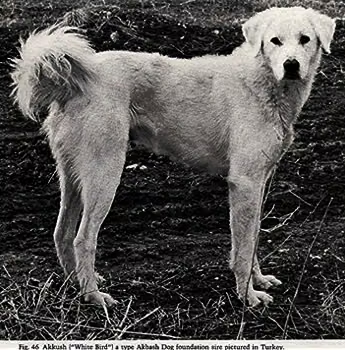
Akbašas yra didžiulis Turkijos kilmės gyvulių sarginis šuo, žinomas dėl ramaus budrumo, savarankiškumo ir stipraus apsauginio instinkto. Jis priklauso aukštųjų baltų Anatolijos sarginių šunų grupei.
Akbašas yra didelis baltas sarginis šuo, kilęs iš vakarų Turkijos, kur jau šimtmečius saugo avis ir ožkas nuo plėšrūnų. Pavadinimas kilęs iš turkiškų žodžių, reiškiančių baltą galvą, tai nuoroda į vientisą šviesų veislės kailį. Tokio tipo šunys buvo veisiami dėl ramaus būdo ir gebėjimo savarankiškai priimti sprendimus atviroje vietovėje, toli nuo žmogaus priežiūros.
Akbašas sukurtas ištvermei, o ne greičiui. Jis apeina ganyklas, saugo bandą ir į grėsmes reaguoja apgalvotai, stiprindamas atsaką tik tada, kai to iš tikrųjų reikia. Su savo šeima šuo paprastai būna ramus ir santūrus, tačiau visada budrus viskam, kas nepažįstama. Būtent šis santūrumo ir parengties derinys apibūdina veislę.
Akbašas tinka žmonėms, kurie supranta savarankiškai dirbančius šunis ir gali suteikti erdvės, aiškios struktūros bei realaus darbo. Tai nėra šuo kasdieniam gyvenimui bute. Geriausiai jis tinka savininkams, laikantiems gyvulius arba turintiems didelį aptvertą sklypą, nes šuns sarginis instinktas reikalauja tikro pritaikymo.
| Požymis | Informacija |
|---|---|
| Kilmė | Turkija |
| Dydis | Milžiniškas |
| Gyvenimo trukmė | 10-12 metų |
| Grupė / paskirtis | Gyvulių sarginis šuo |
| Sugyvenimas | Gerai sutaria su šeima ir gyvuliais, su kuriais augo; santūrus su nepažįstamaisiais |
Kam tinka ši veislė
Akbašas tinka patyrusiems šeimininkams, turintiems kaimo sodybą, poreikį saugoti gyvulius ir kantrybės dirbti su savarankiškai mąstančiu šunimi. Jis mažiau tinka pirmą kartą šunį įsigyjantiems žmonėms, mažiems būstams ar šeimoms, norinčioms paklusnaus, lengvai valdomo bendrakeleivio.
Istorija ir kilmė
Akbašas šimtmečiais formavosi vakarų Turkijoje kaip gyvulių sargas, vienas iš kelių Anatolijos baltų sarginių šunų, o platesnį pripažinimą pelnė XX amžiuje, kai buvo tyrinėjamas ir išvežamas į kitas šalis.
Akbašas kilęs iš vakarų Turkijos regionų, kur piemenys laikė didelius baltus šunis avių ir ožkų bandoms saugoti atvirose ganyklose. Veislė priklauso platesnei Anatolijos sarginių šunų grupei, kuri Turkijos plokščiakalnyje ir aplinkinėse vietovėse dirbo labai ilgą laiką. Šių darbinių šunų istorija labiau siejama su piemenų tradicija nei formaliomis veislynų knygomis, todėl didžioji dalis ankstyvosios istorijos perduota per praktinį naudojimą, o ne rašytinę kilmės liniją.
Baltą kailį kai kurie piemenys rinkosi dėl praktinių priežasčių. Šviesų šunį iš tolo buvo lengviau atskirti nuo plėšrūnų, tokių kaip vilkai, o tai buvo svarbu, kai piemeniui reikėdavo greitai reaguoti prieblandoje. Atranka buvo grįsta sarginiais gebėjimais, ištverme ir ramiu būdu, o ne išvaizda parodoms.
Susidomėjimas veisle už Turkijos ribų išaugo XX amžiaus antroje pusėje, kai tyrėjai ir veisėjai domėjosi turkiškais sarginiais šunimis ir kai kuriuos jų atsivežė į Šiaurės Ameriką bei Europą. Akbašas buvo vienas iš tuo metu importuotų ir aprašytų tipų, o užsienyje veikiančios veisimo programos siekė išsaugoti jo sarginę funkciją nepakitusią.
Šiandien akbašas vis dar naudojamas kaip dirbantis gyvulių sargas dalyje Turkijos ir kitur, be to, jį augina žmonės, vertinantys tradicinį sarginį būdą. Jo pagrindinis vaidmuo mažai pasikeitė nuo to, kurį šuo atliko Anatolijos ganyklose.
Išvaizda ir veislės standartas
Akbašas yra aukštas, galingas baltas šuo, pasižymintis liesu, atletišku kūno sudėjimu, pleišto formos galva ir orams atspariu, nuo trumpo iki vidutinio ilgio kailiu.
Akbašas yra milžiniškas šuo, kurio kūno sudėjimas atrodo greičiau atletiškas nei sunkus. Jis turi ilgas kojas, gilią krūtinę ir šiek tiek stačiakampį siluetą, kuris suteikia erdvę dengiančią eiseną. Galva pleišto formos su stipriu snukiu, ausys nusvirusios arti galvos. Uodega ilga, ramybėje laikoma žemai, o sujaudintam šuniui dažnai susirango.
| Požymis | Aprašymas |
|---|---|
| Ūgis | Maždaug 71-86 cm ties ketera, patinai stambesni |
| Svoris | Apie 41-64 kg |
| Kailis | Dvigubas kailis; trumpo iki vidutinio ilgio, atsparus orams |
| Spalvos | Balta, kartais su lengvu sausainio arba pilku atspalviu ant ausų |
| Akys | Migdolo formos, nuo šviesiai auksinės iki tamsiai rudos spalvos |
Kailis ir spalvos
Akbašas turi dvigubą kailį: šiurkštesnį viršutinį sluoksnį ir minkštesnį pomeistrį po juo. Kai kurie šunys turi trumpesnį, lygesnį kailį, o kiti ilgesnį, su plunksnomis ant kojų ir uodegos. Standartinė spalva balta. Ant ausų ar išilgai nugaros gali pasitaikyti vos pastebimo sausainio ar pilko atspalvio, tačiau bendras įspūdis lieka šviesus, vientisos spalvos šuo. Sezoninis šėrimasis intensyvus: pomeistris gausiai krenta pavasarį ir rudenį.
Temperamentas ir charakteris
Akbašas ramus, savarankiškas ir stipriai apsaugantis, atsidavęs savo šeimai bei bandai, tačiau santūrus ir budrus su nepažįstamais žmonėmis ir gyvūnais.
Akbašas turi ramų, savarankišką dirbančio sargo charakterį. Namie jis paprastai būna tylus ir susikaupęs, įsikuria šalia šeimos ar bandos ir stebi aplinką, o ne siekia nuolatinio dėmesio. Po šia ramybe slypi stiprus apsauginis instinktas. Pajutęs grėsmę šuo gali akimirksniu pereiti nuo poilsio prie veiksmo.
Su savo šeima akbašas ištikimas ir švelnus, dažniausiai stipriai prisiriša prie gyvūnų ar žmonių, kuriuos augina saugoti. Su nepažįstamaisiais jis santūrus ir atsargus. Prie svetimų žmonių nepripranta greitai ir gali mesti iššūkį bet kam, kuo nepasitiki savo teritorijoje. Ankstyva ir nuolatinė socializacija svarbi, kad šuo išmoktų teisingai atskirti įprastą situaciją nuo tikros grėsmės.
Su kitais gyvūnais viskas priklauso nuo auklėjimo. Su gyvuliais augintas akbašas dažniausiai juos laiko globotiniais, kuriuos reikia saugoti. Jis gali būti teritoriškas svetimų šunų atžvilgiu, o savarankiškumas reiškia, kad dažnai sprendžia pats, užuot laukęs komandos. Tai mąstantis šuo, veistas veikti vienam, todėl šeimininkai turėtų tikėtis partnerio, o ne sekėjo.
| Bruožas | Įvertinimas |
|---|---|
| Prieraišumas | 3 |
| Energija | 3 |
| Dresūros lengvumas | 2 |
| Balsingumas | 3 |
| Šėrimasis | 4 |
Priežiūra ir šukavimas
Akbašui reikia reguliaraus dvigubo kailio šukavimo, kasdienės erdvės patruliuoti ir judėti bei saugios aplinkos su vieta ir aiškia sarginio darbo paskirtimi.
Kailio priežiūra
- Šukuokite kartą ar du per savaitę, o sezoninio šėrimosi metu dažniau, kelis kartus per savaitę
- Pavasarį ir rudenį, pomeistriui krentant, tikėkitės gausaus šėrimosi
- Maudykite tik prireikus, nes kailis gana gerai atstumia purvą
- Reguliariai tikrinkite ir trumpinkite nagus, valykite ausis, nes jos nusvirusios
- Po laiko lauke apžiūrėkite kailį, ar nėra erkių, spygliuočių sėklų ar susivėlusių kuokštų už ausų ir ant kojų
Judėjimas
- Kasdien suteikite veiklos, pavyzdžiui, galimybę patruliuoti didelį aptvertą kiemą ar ganyklą
- Leiskite šuniui judėti jam patogiu tempu, o ne pasikliaukite vien trumpais pasivaikščiojimais su pavadėliu
- Kai įmanoma, duokite realų darbą, pavyzdžiui, gyvulių saugojimą ar sklypo stebėjimą
- Venkite priverstinio intensyvaus krūvio jauniems milžiniškiems šunims, kad apsaugotumėte besivystančius sąnarius
Aplinka
Akbašui geriausiai tinka žemės sklypas. Saugiai aptverta kaimo sodyba ar dirbanti ferma jam tinka kur kas geriau nei mažas namas ar butas. Tvora turi būti aukšta ir tvirta, nes veislė patruliuoja ribas ir gali pabėgti, jei aptvaras silpnas. Kailis gerai ištveria šaltį ir kintantį orą, todėl puikiai tinka ir Lietuvos klimatui su šaltomis žiemomis, tačiau šuniui vis tiek reikia pavėsio, priedangos ir švaraus vandens lauke.
Mityba ir šėrimas
Akbašui reikia subalansuotos, milžiniškai veislei pritaikytos mitybos, dozuojamos porcijomis, kad šuniukai augtų tolygiai, o suaugę šunys išlaikytų sveiką svorį.
Akbašas turėtų valgyti pilnavertį, subalansuotą maistą, sukurtą didelėms ar milžiniškoms veislėms. Kadangi tai stambus šuo, dirbantis ramiu ritmu, jo kalorijų poreikis realus, bet nėra kraštutinis, todėl neaktyvų suaugusį šunį lengva pergirdyti maistu. Porciją derinkite pagal konkretaus šuns amžių, svorį ir aktyvumą, o kiekį koreguokite pagal kūno būklę, o ne šeriant fiksuotą kiekį be pertraukos.
Milžiniškų veislių šuniukai auga ilgą laiką, o kontroliuojamas augimas svarbus sąnarių sveikatai. Didelių veislių augimui pritaikytas racionas, šeriamas dozuotomis porcijomis, padeda išvengti per spartaus augimo. Visada laikykite prieinamą švarų vandenį, ypač šuniui, kuris dirba ar ilsisi lauke.
| Amžiaus tarpsnis | Kiekis per dieną | Šėrimų skaičius |
|---|---|---|
| Šuniukas (2-6 mėn.) | Pagal didelių veislių augimo formulę, padalinta | 3-4 |
| Jaunas šuo (6-18 mėn.) | Koreguoti, augimui lėtėjant | 2-3 |
| Suaugęs | Apie 4-6 puodelius kokybiško sauso maisto, pagal svorį ir aktyvumą | 2 |
| Senstantis | Sumažintas kalorijų kiekis sveikam svoriui palaikyti | 2 |
Skanėstai ir maisto papildai
Skanėstus ribokite iki nedidelės kasdienio kalorijų kiekio dalies, kad jie neišbalansuotų raciono ir nepridėtų svorio. Daugumai šunų, šeriamų pilnaverčiu pramoniniu maistu, papildomų priedų nereikia. Dėl sąnarius palaikančių priedų ar bet kokio kito papildo pasitarkite su veterinaru, nes milžiniškos veislės augimo laikotarpiu gali būti jautrios per dideliam papildų kiekiui.
Sveikata ir dažniausios ligos
Akbašas paprastai yra atspari darbinė veislė, gyvenanti 10-12 metų, tačiau, kaip ir daugelis milžiniškų šunų, gali kentėti nuo sąnarių problemų ir skrandžio užvertimo.
Akbašas yra tvirta veislė, suformuota kartų kartų sunkaus darbo, ir daugelis individų iki senyvo amžiaus išlieka sveiki. Įprasta gyvenimo trukmė 10-12 metų, panašiai kaip ir kitų milžiniškų šunų. Gera sveikata priklauso nuo protingo šėrimo, kontroliuojamo šuniukų augimo, reguliarios veterinarinės priežiūros ir atsakingų veisėjų atliekamų patikrinimų.
Kaip ir daugumai didelių bei milžiniškų veislių, pagrindinis rūpestis yra sąnarių ir ortopedinės problemos, o skrandžio užvertimas yra rimtas pavojus, kurį šeimininkai turėtų mokėti atpažinti.
| Liga | Požymiai | Pastaba |
|---|---|---|
| Klubo sąnarių displazija | Sustingimas, šlubavimas, sunkumas keliantis | Dažna didelėms veislėms; patikrinimas padeda |
| Alkūnės sąnario displazija | Priekinės kojos šlubumas, nenoras judėti | Susijusi su augimu ir genetika |
| Skrandžio išsiplėtimas ir užvertimas (volvuliozė) | Ištinęs pilvas, veltui bandymas vemti, neramumas | Skubi pagalba; nedelsiant kreiptis į veterinarą |
| Hipotirozė | Svorio augimas, mažas aktyvumas, kailio pokyčiai | Valdoma diagnozavus ir gydant |
Prevencinė priežiūra
- Nepraleiskite įprastų veterinarinių apžiūrų, skiepų ir parazitų kontrolės
- Šerkite taip, kad šuniukai išlaikytų liesą kūno būklę ir kontroliuojamą augimą
- Rinkitės šuniukus iš veisėjų, kurie tikrina veisimui naudojamų šunų klubus ir alkūnes
- Dalykite dienos maisto davinį į kelias dozuotas porcijas ir venkite intensyvios veiklos iškart po valgio, kad sumažintumėte užvertimo riziką
- Reguliariai trumpinkite nagus bei tikrinkite kailį ir ausis
Dresūra ir socializacija
Akbašas protingas, bet savarankiškas, todėl dresūra geriausiai sekasi taikant ankstyvą socializaciją, nuoseklumą ir gerbiant veislės įprotį galvoti savarankiškai.
Akbašas protingas ir gabus, tačiau jis veistas pats priimti sprendimus lauke, todėl nesimoko taip, kaip į šeimininką orientuotos darbinės veislės. Jis gali išmokti, ko iš jo prašoma, bet vis tiek pasveria, ar verta paklusti, ypač kai įsijungia sarginiai instinktai. Dresūros tikslas turėtų būti patikimas, gerai išauklėtas šuo, o ne greitas paklusnumas, ir geriausiai ji sekasi pradėta anksti bei tęsiama ilgą laiką.
Socializacija yra svarbiausia. Sarginė veislė, kuri šuniuko amžiuje susidūrė su daug žmonių, vietų ir situacijų, suaugusi kur kas geriau atskiria įprastą įvykį nuo tikros grėsmės. Trumpi, nuoseklūs užsiėmimai bei ramus, sąžiningas elgesys iš akbašo išgauna daugiau nei spaudimas ar pratimų kartojimas.
Pagrindai
- Pradėkite socializaciją anksti, supažindindami šuniuką su įvairiais žmonėmis, gyvūnais ir aplinkomis
- Mokykite patikimo atšaukimo ir bazinių manierų, kol šuo dar jaunas ir imlus
- Užsiėmimus darykite trumpus ir nuoseklius, apdovanokite už ramų, teisingą elgesį
- Nustatykite aiškias, sąžiningas ribas, kurių laikosi visa šeima
- Sukurkite saugią aplinką, kad šuo turėtų galimybę elgtis teisingai, o ne būtų baudžiamas už klaidžiojimą ar saugojimą
Veisimas ir jauniklių auginimas
Akbašas, kaip ir kitos milžiniškos veislės, bręsta lėtai, nėštumas trunka apie 63 dienas, o vadai reikalinga kruopšti ankstyva socializacija, kad išaugtų patikimais sargais.
Akbašo veisimas yra atsakinga užduotis, kurią geriausia patikėti patyrusiems žmonėms, tikrinantiems savo šunų sveikatą ir suprantantiems veislės darbinį vaidmenį. Kaip ir kitos milžiniškos veislės, akbašas bręsta lėtai ir gali visiškai fiziškai bei psichiškai subręsti tik sulaukęs dvejų metų ar vėliau. Veisėjai paprastai laukia, kol šunys subręs ir bus patikrinti dėl klubo bei alkūnės problemų, tik tada juos sudaro pora.
Šunų nėštumas nuo apvaisinimo trunka apie 63 dienas. Vados dydis skiriasi, o milžiniškų veislių šuniavimasis gali kelti papildomą riziką, todėl veterinarinė pagalba nėštumo ir gimdymo metu yra protingas sprendimas. Pirmosios savaitės šiai veislei ypač svarbios: šuniukai, skirti gyvulių sarginiais, dažniausiai auginami kartu su gyvuliais, kuriuos jie vėliau saugos, o einantys į šeimos ar sodybos namus turi gauti plačią socializaciją su žmonėmis ir kasdieniu gyvenimu. Rūpestingas, ankstyvas elgesys su šuniukais lemia, ar suaugęs šuo situacijas vertins ramiai, ar reaguos su per dideliu įtarumu.
| Rodiklis | Reikšmė |
|---|---|
| Lytinė branda | Apie 1-2 metus; visiška branda vėliau |
| Nėštumo trukmė | Apie 63 dienas |
| Vados dydis | Skiriasi; paprastai keli šuniukai |
| Žindymo pabaiga | Apie 6-8 savaites |
| Rekomenduojami sveikatos tyrimai | Veisiamų šunų klubo ir alkūnės įvertinimas |
Akbash veislės šuns ir mikroschemos registracija
Nemokamas profilis visam gyvenimui jūsų Akbash veislės šuniui United Pet Club, su užregistruota mikroschema ir be pratęsimo mokesčių.
Kaip užregistruoti Akbash veislės šunį Lietuvoje
Lietuvoje nuo 2016 metų kiekvienas šuo privalo būti paženklintas mikroschema ir įregistruotas Gyvūnų augintinių registre; formalumus atlieka veterinarijos gydytojas. Valstybinis registras atsako tik Lietuvoje, o nemokamas United Pet Club profilis prideda tai, ko trūksta jūsų Akbash veislės šuniui: jūsų kontaktai keliauja kartu, paieška veikia iš bet kurios šalies. Užregistruokite šunį per kelias minutes.
Mikroschemą implantuoja veterinaras ir įrašo į valstybinį registrą; kad numeris atsakytų ir už Lietuvos ribų, jau jūsų rūpestis. Užregistruokite mikroschemą nemokamai visam gyvenimui galiojančiame plane: tinka bet kurios markės mikroschema, atnaujinimai po persikraustymo nieko nekainuoja, o įrašas atsako į paieškas bet kada ir iš bet kur. Susikurkite nemokamą paskyrą ir užbaikite abu darbus šiandien.
Kaip užregistruoti Akbash veislės šunį Lietuvoje?
Susikurkite nemokamą paskyrą United Pet Club, užpildykite Akbash veislės šuns duomenis su nuotrauka ir išsaugokite profilį. Jis nemokamas visą šuns gyvenimą, o privaloma registracija Gyvūnų augintinių registre vyksta atskirai.
Kaip užregistruoti Akbash veislės šuns mikroschemą?
Įveskite 15 skaitmenų mikroschemos numerį nemokamoje paskyroje kartu su adresu ir telefonu. Visą gyvenimą galiojantis planas priima bet kurios markės mikroschemą ir niekada neima mokesčio už atnaujinimus.
Ar mikroschema privaloma Akbash veislės šuniui Lietuvoje?
Taip, nuo 2016 metų šunys privalo būti paženklinti ir įregistruoti Gyvūnų augintinių registre. United Pet Club įrašas papildo valstybinį: atsako į paieškas ir už Lietuvos ribų, nemokamai.
Kiek kainuoja Akbash veislės šuns registracija?
Nieko. Nemokamas visą gyvenimą galiojantis planas apima profilį, mikroschemos registraciją ir visus būsimus atnaujinimus, be metinių mokesčių.
Dažniausiai užduodami klausimai
Dažniausi klausimai apie akbašą apima jo dydį, temperamentą, priežiūros poreikius, gyvenimo trukmę, tinkamumą augintiniu laikyti ir prieinamumą.
Koks akbašo dydis?
Akbašas priklauso milžiniškų šunų veislei. Suaugę šunys paprastai siekia apie 71-86 cm ties ketera ir sveria maždaug 41-64 kg, patinai stambesni už pateles.
Koks akbašo temperamentas?
Jis ramus, savarankiškas, budrus ir stipriai apsauginis. Su savo šeima bei banda veislė ištikima ir švelni, tačiau su nepažįstamaisiais santūri ir atsargi.
Ar akbašą sunku prižiūrėti?
Netinkamoje aplinkoje jis reikalauja daug. Šuniui reikia saugios erdvės, sarginio darbo, kassavaitinio šukavimo, kuris pavasarį ir rudenį tampa intensyvesnis, bei šeimininko, kuriam patogu su savarankiška darbine veisle. Jis netinka butui ar pradedantiesiems šunų augintojams.
Kiek gyvena akbašai?
Įprasta gyvenimo trukmė 10-12 metų, tai normalu milžiniškai veislei.
Ar akbašas tinka šeimos augintiniu?
Jis gali būti atsidavęs šeimai, kuri suteikia jam erdvės, darbo ir ankstyvos socializacijos, dažniausiai kaimo ar aptvertoje sodyboje. Jis mažiau tinka šeimoms, norinčioms lengvai valdomo, labai paklusnaus draugo mažoje erdvėje.
Ar akbašas geras sarginis šuo?
Taip. Jis specialiai veistas saugoti gyvulius ir natūraliai gina savo teritoriją bei globotinius, į grėsmes reaguodamas apgalvotai, bet ryžtingai.
Ar akbašus lengva rasti?
Už savo darbinio vaidmens ribų jie sutinkami palyginti retai. Norint įsigyti akbašą, dažniausiai reikia ieškoti veisėjų, besispecializuojančių sarginiuose šunyse, arba sarginių veislių prieglaudų, o ne tikėtis, kad jų bus lengvai gausu.
From the community
Ask about the AkbashNo questions about the Akbash yet. Be the first to ask.
Browse Dog breeds