
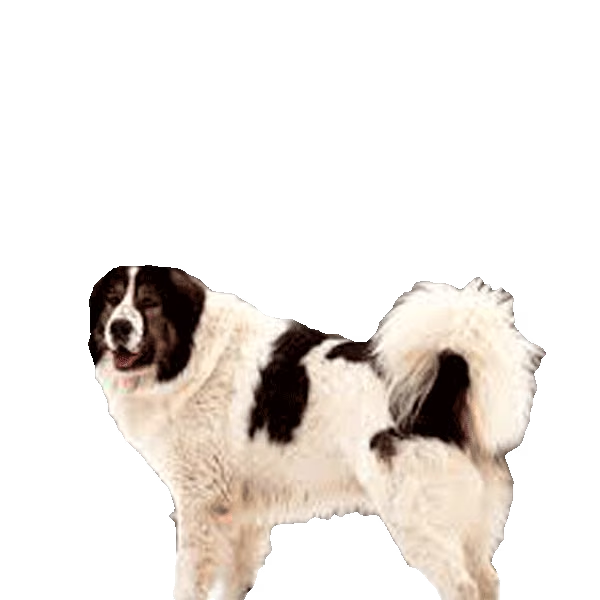
טורניאק
הטורניאק הוא כלב שמירת עדרים הררי רגוע ומסור מהבלקן הידוע באומץ היציב ובנאמנותו.
- Size
- גדול
- Lifespan
- 12–14 years
- Origin
- בוסניה והרצגובינה
- Temperament
- מגונן
- Standard colors
- שחור ולבן
Characteristics
Coat and grooming
How the טורניאק coat is built, and what that means when you groom it.
- שכבות הפרווה
- פרווה כפולה
- מרקם השיער
- גס
- אורך השיער
- ארוך
- נשירה
- נשירה עונתית
Grooming guidance
קריטי: A טורניאק should not be shaved.
התת־פרווה חוסמת את החום בדיוק כפי שהיא חוסמת את הקור, והשיער החיצוני מגן על העור מפני שמש ועקיצות חרקים. גזירת כל הפרווה מסירה את שניהם. לרוב היא צומחת בחזרה בטלאים, רכה או בגוון אחר, ואצל חלק מהחיות שיער השמירה כבר אינו חוזר כראוי. הבריש את התת־פרווה במקום לגזור אותה.
זהירות: A טורניאק coat mats easily.
שיער דק או ארוך מסתבך בבסיס הפרווה, הרחק מהעין, שם הקשרים מתהדקים ומושכים את העור. ההברשה חייבת להגיע עד השורש בקטעים, ולא רק לחלוף על פני השטח.
לידיעה: A טורניאק drops its undercoat in heavy bursts.
התת־פרווה יוצאת בגלים חזקים במשך כמה שבועות. מגרפת תת־פרווה, או רחצה ולאחריה ייבוש אוויר כהלכה, מסלקות אותה מהר בהרבה מהברשה יומית. גזירת הפרווה אינה קיצור דרך כאן.
טורניאק colors and patterns
What each club's breed standard says about every טורניאק color and pattern. Point at a ruling to see the club's own wording.
Breed standards describe the טורניאק in שחור ולבן. Standard patterns: פארטי-קולור, גלימה וקצוות שזופים.
| Color or pattern | FCI | AKC | UKC |
|---|---|---|---|
| שחור | תקני (“dogs with a black mantle”) | תקני (“dogs with a black mantle”) | תקני (“dogs with a black mantle (all over the body)”) |
| לבן | תקני (“Usually the dominant ground colour is white”) | תקני (“White”) | תקני (“Usually the dominant ground/base color is white”) |
| לבקן | פוסל (“Albinism”) | פוסל (“Albinism”) | פוסל (“Albinism”) |
| Patterns | |||
| פארטי-קולור | תקני (“parti-coloured with distinct markings of various solid colours”) | תקני (“parti-coloured with distinct markings of various solid colours”) | תקני (“parti-colored, with distinct markings of various solid colors”) |
| גלימה | תקני (“a black mantle and with white markings”) | תקני (“a black mantle and with white markings”) | תקני (“a black mantle (all over the body), and with white markings”) |
| קצוות שזופים | No ruling | תקני (“Black & Tan Markings”) | No ruling |
| אחיד | פוסל (“Solid coloured dogs”) | פוסל (“Solid coloured dogs”) | פוסל (“Solid colored dog”) |
%22%3E%3Cpath%20d%3D%22M0%200H19.5L19.5%2026.5L14%2027.5L0%2027.5Z%22%20fill%3D%22%23D9C3A0%22%2F%3E%3Cpath%20d%3D%22M1.5%2021.2L9%2018.6L12.6%2021L12.2%2026.2L3.5%2024.4Z%22%20fill%3D%22%23F5F5F0%22%2F%3E%3Cpath%20d%3D%22M8.6%2018L12%2015.8L5.8%2021.8L3.2%2021.4Z%22%20fill%3D%22%23F5F5F0%22%2F%3E%3Cpath%20d%3D%22M27.4%2030.8C25.6%2029.9%2025.2%2028.9%2025.3%2027.7C25.4%2026.4%2026.2%2024.3%2028.1%2023.1C29.9%2022%2034.2%2020.6%2036.5%2020.7C38.8%2020.8%2040.8%2022.8%2042%2023.9C43.2%2024.9%2043.9%2025.8%2043.6%2027.1C43.4%2028.5%2041.7%2031%2040.4%2032C39.1%2033%2038.1%2033.4%2035.9%2033.2C33.7%2033%2029.2%2031.7%2027.4%2030.8Z%22%20fill%3D%22%23D9C3A0%22%2F%3E%3Cpath%20d%3D%22M55.1%2031.3C54.9%2032.4%2054%2033.6%2053%2034.2C52%2034.8%2050.3%2034.9%2049.2%2034.7C48.1%2034.5%2047%2034.2%2046.3%2033.2C45.6%2032.2%2044.9%2029.9%2045.1%2028.7C45.3%2027.5%2046.4%2026.5%2047.4%2026C48.4%2025.5%2050.1%2025.5%2051.2%2025.7C52.4%2026%2053.5%2026.5%2054.1%2027.4C54.8%2028.3%2055.3%2030.2%2055.1%2031.3Z%22%20fill%3D%22%23D9C3A0%22%2F%3E%3C%2Fg%3E%3Cuse%20href%3D%22%23s%22%20fill%3D%22none%22%20stroke%3D%22%233B2A20%22%20stroke-opacity%3D%220.6%22%20stroke-width%3D%221%22%20stroke-linejoin%3D%22round%22%2F%3E%3Cellipse%20cx%3D%223.2%22%20cy%3D%2221.7%22%20rx%3D%221.3%22%20ry%3D%221.2%22%20fill%3D%22%231C1C1C%22%2F%3E%3Ccircle%20cx%3D%2210.8%22%20cy%3D%2219.3%22%20r%3D%221.1%22%20fill%3D%22%231C1C1C%22%2F%3E%3C%2Fsvg%3E)
%22%3E%3Cpath%20d%3D%22M0%200H19L19.5%2019Q15%2021%2012.5%2023L9.5%2019.5L2%2022L0%2021Z%22%20fill%3D%22%231C1C1C%22%2F%3E%3Cpath%20d%3D%22M22.5%2018H52L55%2028Q53%2036%2047%2037Q36%2034%2026%2036L22%2032Z%22%20fill%3D%22%231C1C1C%22%2F%3E%3Cpath%20d%3D%22M51%2024L56%209L63%209L61%2019L54.5%2028Z%22%20fill%3D%22%231C1C1C%22%2F%3E%3Ccircle%20cx%3D%2258.4%22%20cy%3D%2212.8%22%20r%3D%222.6%22%20fill%3D%22%23F5F5F0%22%2F%3E%3C%2Fg%3E%3Cuse%20href%3D%22%23s%22%20fill%3D%22none%22%20stroke%3D%22%233B2A20%22%20stroke-opacity%3D%220.6%22%20stroke-width%3D%221%22%20stroke-linejoin%3D%22round%22%2F%3E%3Cellipse%20cx%3D%223.2%22%20cy%3D%2221.7%22%20rx%3D%221.3%22%20ry%3D%221.2%22%20fill%3D%22%231C1C1C%22%2F%3E%3Ccircle%20cx%3D%2210.8%22%20cy%3D%2219.3%22%20r%3D%221.1%22%20fill%3D%22%231C1C1C%22%2F%3E%3C%2Fsvg%3E)
%22%3E%3Ccircle%20cx%3D%2212%22%20cy%3D%2217.2%22%20r%3D%221.25%22%20fill%3D%22%23C4996A%22%2F%3E%3Cpath%20d%3D%22M1.5%2021.2L9%2018.6L12.6%2021L12.2%2026.2L3.5%2024.4Z%22%20fill%3D%22%23C4996A%22%2F%3E%3Cpath%20d%3D%22M10%2026L14.5%2026.4L18.2%2029.2L13.5%2029.8Z%22%20fill%3D%22%23C4996A%22%2F%3E%3Cellipse%20cx%3D%2221.2%22%20cy%3D%2230.6%22%20rx%3D%221.6%22%20ry%3D%222.3%22%20fill%3D%22%23C4996A%22%2F%3E%3Crect%20x%3D%220%22%20y%3D%2247%22%20width%3D%2264%22%20height%3D%2217%22%20fill%3D%22%23C4996A%22%2F%3E%3Cpath%20d%3D%22M51.5%2024.5L55%2027L54.2%2032L50.5%2028.5Z%22%20fill%3D%22%23C4996A%22%2F%3E%3Cpath%20d%3D%22M45%2038.5L48%2039L48.5%2047L45.5%2047Z%22%20fill%3D%22%23C4996A%22%2F%3E%3C%2Fg%3E%3Cuse%20href%3D%22%23s%22%20fill%3D%22none%22%20stroke%3D%22%233B2A20%22%20stroke-opacity%3D%220.6%22%20stroke-width%3D%221%22%20stroke-linejoin%3D%22round%22%2F%3E%3Cellipse%20cx%3D%223.2%22%20cy%3D%2221.7%22%20rx%3D%221.3%22%20ry%3D%221.2%22%20fill%3D%22%231C1C1C%22%2F%3E%3Ccircle%20cx%3D%2210.8%22%20cy%3D%2219.3%22%20r%3D%221.1%22%20fill%3D%22%231C1C1C%22%2F%3E%3C%2Fsvg%3E)

| Color or pattern | FCI | AKC | UKC |
|---|---|---|---|
| חום כהה | תקני (“dark colour”) | תקני (“dark colour”) | תקני (“dark”) |
| כחול | פוסל (“wall eyes”) | פוסל (“wall eyes”) | פוסל (“wall eyes”) |
| Patterns | |||
| עיניים בצבעים שונים | פוסל (“different colour of eyes”) | פוסל (“different colour of eyes”) | פוסל (“eyes of different colors”) |
%22%3E%3Ccircle%20cx%3D%2216%22%20cy%3D%2232%22%20r%3D%228%22%20fill%3D%22%23D9C3A0%22%2F%3E%3Ccircle%20cx%3D%2216%22%20cy%3D%2232%22%20r%3D%223.4%22%20fill%3D%22%231C1C1C%22%2F%3E%3Ccircle%20cx%3D%2213.6%22%20cy%3D%2229.6%22%20r%3D%221.3%22%20fill%3D%22%23F5F5F0%22%2F%3E%3C%2Fg%3E%3Cpath%20d%3D%22M3%2032Q16%2017%2029%2032Q16%2047%203%2032Z%22%20fill%3D%22none%22%20stroke%3D%22%233B2A20%22%20stroke-opacity%3D%220.75%22%20stroke-width%3D%221.4%22%20stroke-linejoin%3D%22round%22%2F%3E%3Cpath%20d%3D%22M35%2032Q48%2017%2061%2032Q48%2047%2035%2032Z%22%20fill%3D%22%23F5F5F0%22%2F%3E%3Cg%20clip-path%3D%22url(%23e1)%22%3E%3Ccircle%20cx%3D%2248%22%20cy%3D%2232%22%20r%3D%228%22%20fill%3D%22%23847865%22%2F%3E%3Ccircle%20cx%3D%2248%22%20cy%3D%2232%22%20r%3D%223.4%22%20fill%3D%22%231C1C1C%22%2F%3E%3Ccircle%20cx%3D%2245.6%22%20cy%3D%2229.6%22%20r%3D%221.3%22%20fill%3D%22%23F5F5F0%22%2F%3E%3C%2Fg%3E%3Cpath%20d%3D%22M35%2032Q48%2017%2061%2032Q48%2047%2035%2032Z%22%20fill%3D%22none%22%20stroke%3D%22%233B2A20%22%20stroke-opacity%3D%220.75%22%20stroke-width%3D%221.4%22%20stroke-linejoin%3D%22round%22%2F%3E%3C%2Fsvg%3E)
What the rulings mean
- תקני
- Described by the club's breed standard.
- פוסל
- The club's breed standard disqualifies an animal of this color or pattern.
- לא מוכר
- The club does not accept this color or pattern for the breed.
Color changes
How a טורניאק's colors can change over its life.
שחורchanges toחלודה
פרווה · עם מצב הגוף · can change back
שחורchanges toאפור
פרווה · מתקדם
שחורchanges toחום
פרווה · בשמש · can change back
לבןchanges toרואן
פרווה · עם הגיל · from 2 weeks
קצוות שזופיםchanges toדוגמת אוכף
פרווה · עם הגיל · from 6 to 156 weeks
%22%3E%3Cg%20fill%3D%22none%22%20stroke%3D%22%23F5F5F0%22%20stroke-width%3D%221.15%22%20stroke-linecap%3D%22round%22%20stroke-linejoin%3D%22round%22%3E%3Cpath%20d%3D%22M28.6%2025h.1M51.3%2028.8h.1M34.7%2024.3h.1M34.2%2041.6h.1M51%2044.2h.1M55.9%2024.7h.1M27.5%2026.3h.1M18.5%2028.6h.1M25.2%2028.9h.1M24.2%2019.3h.1M20.6%2017.6h.1M34.1%2030.6h.1M57.3%2023.3h.1M23.5%2030.7h.1M26.5%2023.1h.1M40%2031.5h.1M51.7%2038.6h.1M20.2%2022.1h.1M40.4%2037.8h.1M35%2043.1h.1M20.6%2031.7h.1M27.8%2031.9h.1M17.2%2021.1h.1M38.1%2037.7h.1M25.3%2040.5h.1M32%2029.3h.1M41.6%2039.5h.1M23.6%2024h.1M26.4%2018.6h.1M30.3%2031.9h.1M31.2%2035.2h.1M36.5%2043.7h.1M35.2%2026.3h.1M55.6%2019.1h.1M22.4%2036.8h.1M39.2%2020h.1M49.5%2039.1h.1M33.6%2033.5h.1M36.4%2032.4h.1M56.3%2042.4h.1M54.8%2031.2h.1M36.9%2023.2h.1M52.7%2019.1h.1M21.5%2033.8h.1M48.6%2028h.1M36.6%2017.5h.1M45.6%2031.3h.1M37.9%2030.5h.1M17%2031.8h.1M21.1%2043.1h.1M55.7%2021.1h.1M30.8%2041.9h.1M57.4%2038.4h.1M54.8%2026.9h.1M29.1%2017.5h.1M24.3%2037.7h.1M26%2032h.1M39.3%2022.8h.1M53.5%2029h.1M53.3%2023.3h.1M20%2038.4h.1M28.3%2044.7h.1M28.6%2039.8h.1M51.9%2041.1h.1M52.3%2033.7h.1M19.6%2042.2h.1M19%2033h.1M47.8%2021.7h.1M45.7%2024.8h.1M24.6%2035.5h.1M29.8%2036.8h.1M50.7%2032h.1M29.5%2043.5h.1M28.2%2041.5h.1M47.4%2034.8h.1M25.4%2033.7h.1M50.2%2041.2h.1M27.7%2029.5h.1M21.5%2024.8h.1M55.5%2017.5h.1M41.2%2044.3h.1M39.2%2018.4h.1M41.1%2042.5h.1M54.7%2035.3h.1M42.8%2034.5h.1M30.1%2023h.1M42.6%2025.1h.1M32.9%2024.4h.1M42.4%2032.4h.1M49.7%2022.2h.1M49.1%2043.1h.1M38%2035.2h.1M47.7%2043.8h.1M43.1%2022.4h.1M22.4%2040.4h.1M44.4%2019.8h.1M53.3%2040.1h.1M20.7%2029.3h.1M55.6%2043.9h.1M17.6%2039.2h.1M41.7%2028.9h.1M44.1%2036.3h.1M24.3%2043.6h.1M26.4%2038.1h.1M30.3%2029.2h.1M31.5%2030.8h.1M32.1%2023h.1M18.3%2040.9h.1M48%2033.4h.1M36.4%2038.7h.1M31.9%2020.8h.1M32.6%2026.2h.1M22%2031.2h.1M53.4%2021.7h.1M41.9%2017.7h.1M53.3%2037.3h.1M47.7%2040.3h.1M54.4%2033.7h.1M33.6%2037.5h.1M25.3%2017.2h.1M37.6%2019.7h.1M31.6%2019h.1M29.2%2019.6h.1M50.7%2027.3h.1M22%2022.1h.1M31%2037.8h.1M56.5%2026.6h.1M34.7%2039.5h.1M56.5%2040.8h.1M47.6%2038h.1M48.6%2026.1h.1M49.7%2034.2h.1M45.4%2027.4h.1M22.6%2038.9h.1M56.5%2035.3h.1M35.1%2021h.1M41.9%2020.1h.1M37.6%2040h.1M32.6%2044.4h.1M37.9%2025.2h.1M26.6%2043h.1M18.9%2036.7h.1M47.2%2028.9h.1M30.5%2026.2h.1M17.4%2027.3h.1M47.1%2017.2h.1M22.3%2044.3h.1M32.5%2042.4h.1M23.6%2025.7h.1M31.4%2024.9h.1%22%2F%3E%3Cpath%20d%3D%22M26%2020.9h.1M41.2%2023.8h.1M39.9%2026.4h.1M28.5%2033.4h.1M42.8%2043.8h.1M17.6%2034.3h.1M34%2017.1h.1M31.2%2017.2h.1M46.5%2036.1h.1M25.1%2022.1h.1M50.3%2023.7h.1M20.2%2026.6h.1M20.8%2020.4h.1M50.9%2017.3h.1M49.5%2020.2h.1M52.9%2044.1h.1M23.9%2017.8h.1M43.2%2028.1h.1M57.6%2030h.1M52%2025.6h.1M19.2%2019.1h.1M19.5%2024.4h.1M32.8%2040.1h.1M36.1%2027.7h.1M39.6%2029.5h.1M38.4%2041.5h.1M47.9%2019.4h.1M49.1%2031.7h.1M55.9%2036.9h.1M29.2%2027.2h.1M46%2043.5h.1M44.6%2028.8h.1M47.5%2031.5h.1M22.8%2020h.1M27.6%2017.1h.1M43.1%2018.6h.1M54.3%2020h.1M57.2%2033.8h.1M44.5%2043.8h.1M27.1%2035.5h.1M45.3%2041.8h.1M56.7%2028.8h.1M36.7%2021.4h.1M43.3%2042.3h.1M17.3%2022.9h.1M32.7%2035.5h.1M30.5%2039.8h.1M29.1%2021.2h.1M34.5%2018.8h.1M25.8%2027h.1%22%2F%3E%3C%2Fg%3E%3Cpath%20d%3D%22M56.3%2038.4l0%201.2M40%2027.2l-0.3%201.3M32.6%2043.6l-0.4%201.5M29%2023.3l0.8%201.5M55.1%2044l0.4%201.1M47.5%2022.5l-0.2%201.6M42.9%2038.6l0.7%201.2M35.2%2041.8l-0.5%201.7M26.9%2040l-0.1%201.2M41%2042.8l-0.1%201.6M18.4%2021.2l0.7%201.3M49.4%2019.3l-0.5%201.4M50.1%2041.7l0%201.8M28.2%2041.8l-0.6%201.2M55.5%2027.1l0.2%201.2M44.7%2019.3l0.5%201.7M48.6%2020.5l-0.8%201.4M43.7%2039.6l0.3%201.1M22.1%2033.8l-0.6%201.6M50.1%2038.1l-0.5%201.3M51.8%2044.1l-0.1%201.8M39%2017.5l0%201.4M30.2%2026.7l0.2%201.4M25.8%2031.2l0.2%201.6M29.6%2043.5l0.1%201M43.7%2018.3l0.1%201.5M29.6%2018.2l0.3%201.6M24.4%2017.6l0.3%201.1M22%2028.2l-0.6%201.6M25.9%2043.3l-0.3%201.4M22.2%2024.3l0.3%201.3M47.3%2029.2l-0.2%201.4M21.8%2033.2l0.5%200.9M32.9%2037l0.4%201M40%2029.9l0.8%201.4M17.4%2038.3l0.2%201.3M31%2039.2l0%201.2M37.3%2033.7l0.3%201.5M48.1%2040.5l0%201.6M33.9%2031.2l0.1%201.2M29.8%2035.2l-0.4%201M25.1%2037.3l-0.2%201.5M30.2%2039.8l0.5%201M44.6%2034.8l0.4%200.9M55.3%2034.2l0%201.7M50.6%2017.9l0.4%201M30.2%2034.9l-0.4%201.4M19.5%2035.7l-0.5%201.7M40.7%2028.7l0.8%201.4M23.3%2029l-0.4%201.4M17%2040.5l-0.2%201M48.4%2023.2l-0.3%201M37.3%2025.1l-0.4%201.3M23%2021.4l-0.4%201.3M20.4%2017.2l-0.1%201.3M42.3%2020.4l0.6%201.4M41%2031.8l0.6%201.2M45.4%2034.3l-0.1%201.2M32.5%2018l0%201.3M46.2%2021.6l0.1%201.4M30.5%2022.3l0.5%201.1M58%2044.6l0.3%201.5M57.1%2033.9l0.8%201.4M18.3%2042.6l0.3%201M40.5%2035.1l-0.6%201.4M38.8%2044.3l-0.3%201.1%22%20fill%3D%22none%22%20stroke%3D%22%23F5F5F0%22%20stroke-width%3D%220.8%22%20stroke-linecap%3D%22round%22%20stroke-linejoin%3D%22round%22%2F%3E%3C%2Fg%3E%3Cuse%20href%3D%22%23s%22%20fill%3D%22none%22%20stroke%3D%22%233B2A20%22%20stroke-opacity%3D%220.6%22%20stroke-width%3D%221%22%20stroke-linejoin%3D%22round%22%2F%3E%3Crect%20x%3D%2220%22%20y%3D%2258%22%20width%3D%223.6%22%20height%3D%222%22%20fill%3D%22%234A4038%22%2F%3E%3Crect%20x%3D%2226%22%20y%3D%2258%22%20width%3D%223.6%22%20height%3D%222%22%20fill%3D%22%234A4038%22%2F%3E%3Crect%20x%3D%2244%22%20y%3D%2258%22%20width%3D%223.6%22%20height%3D%222%22%20fill%3D%22%234A4038%22%2F%3E%3Crect%20x%3D%2250%22%20y%3D%2258%22%20width%3D%223.6%22%20height%3D%222%22%20fill%3D%22%234A4038%22%2F%3E%3Ccircle%20cx%3D%229.5%22%20cy%3D%2211.5%22%20r%3D%221.1%22%20fill%3D%22%231C1C1C%22%2F%3E%3C%2Fsvg%3E)
%22%3E%3Cpath%20d%3D%22M22.5%2018.5Q24%2021%2025%2021.5L47%2022.5Q50%2022.5%2051.5%2023.5L54%2026Q55%2032%2053%2034Q46%2031.5%2038%2033Q30%2034.5%2025.5%2032Q22.5%2026%2022.5%2018.5Z%22%20fill%3D%22%231C1C1C%22%2F%3E%3Cpath%20d%3D%22M51%2024L56%209L63%209L61%2019L54.5%2028Z%22%20fill%3D%22%231C1C1C%22%2F%3E%3Cpath%20d%3D%22M2%2021.2L7.5%2019.2L8.5%2023.6L3.5%2024.2Z%22%20fill%3D%22%231C1C1C%22%20fill-opacity%3D%220.85%22%2F%3E%3C%2Fg%3E%3Cuse%20href%3D%22%23s%22%20fill%3D%22none%22%20stroke%3D%22%233B2A20%22%20stroke-opacity%3D%220.6%22%20stroke-width%3D%221%22%20stroke-linejoin%3D%22round%22%2F%3E%3Cellipse%20cx%3D%223.2%22%20cy%3D%2221.7%22%20rx%3D%221.3%22%20ry%3D%221.2%22%20fill%3D%22%231C1C1C%22%2F%3E%3Ccircle%20cx%3D%2210.8%22%20cy%3D%2219.3%22%20r%3D%221.1%22%20fill%3D%22%231C1C1C%22%2F%3E%3C%2Fsvg%3E)
Sources
Each ruling comes from the club's published breed standard or color list.
אודות הטורניאק
טורניאק הוא כלב רועים ענק מבוסניה והרצגובינה, ידוע באופיו הרגוע, בנאמנותו העמוקה ובאומץ הקר רוח שהוא מגלה בהגנה על העדר.
טורניאק הוא כלב הרים גדול שפותח בהרי בוסניה והרצגובינה ובאזורים הסמוכים בקרואטיה. במשך מאות שנים הוא עבד לצד רועים, שמר על כבשים ובקר מפני זאבים, דובים וגנבים. שם הגזע נגזר מהמילה המקומית למכלאת צאן, מה שמצביע במפורש על התפקיד שלשמו פותח.
מדובר בכלב שמירה ולא בכלב רועים במובן הצר. טורניאק משגיח על העדר, נע יחד איתו ופועל לפי שיקול דעתו העצמאי כשמזהה איום. בחיי היומיום הוא שקט ולא ממהר, אך כשהוא מחליט שיש צורך בהגנה הוא הופך לנחוש ואמיץ. מסירות למשפחתו ולבעלי החיים שהוא חי איתם מלווה אותו לאורך כל האופי שלו.
כלבים בוגרים גדולים וחזקים, עם פרווה כפולה ועבה המתאימה לחורפים קשים בגובה רב. בעלים מתארים את הגזע כיציב, ערני ובעל ביטחון עצמי שקט. הוא נקשר מאוד למשפחה ולבעלי החיים שאיתם הוא גדל, ונשאר מסויג כלפי זרים.
| תכונה | פרט |
|---|---|
| מוצא | בוסניה והרצגובינה |
| גודל | גדול |
| תוחלת חיים | 12 עד 14 שנים |
| קבוצה / תפקיד | כלב שמירה על בעלי חיים |
| מסתדר עם | בני משפחתו ובעלי החיים שגדל לשמור עליהם |
למי מתאים הטורניאק
הטורניאק מתאים לאנשים עם שטח פתוח, משימה של ממש עבור הכלב וניסיון בגזעים גדולים ועצמאיים. הוא מתפקד היטב בחוות, בנחלות ובבתים כפריים שבהם הוא יכול לשמור על בעלי חיים או לסייר בשטח. הוא פחות מתאים לדירות, לחצרות קטנות או למשפחות שמחפשות בן לוויה צייתן לחלוטין. בעלים חדשים לגזע צריכים לצפות לכלב עצמאי ובעל רצון חזק, הזקוק למנהיגות תקיפה והוגנת ולחיברות מוקדם.
היסטוריה ומקורות
הטורניאק התפתח במשך מאות שנים ככלב שמירה על עדרים בהרי בוסניה והרצגובינה וקרואטיה, ושוקם באמצעות תוכניות גידול מאורגנות בסוף המאה העשרים.
הטורניאק מגיע מהאזורים ההרריים של בוסניה והרצגובינה ומהרמות הגובלות בקרואטיה. כלבים מהסוג הזה עבדו בהרי הדינרים ובמרעים הסובבים אותם במשך תקופה ארוכה מאוד, ושמרו על כבשים ובקר לאורך מסלולי מרעה עונתיים. אזכורים לכלבי שמירה גדולים באזורים אלה מופיעים ברשומות כנסייתיות ומנהליות מתקופת ימי הביניים, מה שמעיד שהטיפוס העבודתי עתיק גם אם שם הגזע המודרני חדש יחסית.
במרבית קיומו היה הטורניאק כלב עבודה שהוחזק בידי רועים, ולא גזע רשום באופן פורמלי. הברירה הייתה מעשית: כלבים ששמרו היטב, שרדו את האקלים הקשה וניתן היה לסמוך עליהם ליד הצאן נשמרו והורבו הלאה. לא היה תקן כתוב, רק דרישות העבודה עצמה.
במהלך המאה העשרים ירד מספר הכלבים ככל שהרעייה המסורתית דעכה ואוכלוסיית הטורפים הצטמצמה. החל משנות השבעים והשמונים, קינולוגים בבוסניה והרצגובינה ובקרואטיה חיפשו בהרים אחר כלבים ששרדו והתאימו לטיפוס הישן, והחלו בתוכניות גידול מאורגנות כדי להציל את הגזע. תוכניות אלה תיעדו יוחסין, קבעו תקן והביאו ליציבות באוכלוסייה.
כיום הטורניאק מוכר כגזע לאומי במולדתו, ועדיין משמש להגנה על עדרים לצד תפקידו ככלב שמירה ובן לוויה. הוא נותר נדיר מחוץ לאזור הבלקן.
מראה ותקן הגזע
הטורניאק הוא כלב הרים גדול וכמעט מרובע בגזרתו, עם פרווה כפולה, ארוכה וצפופה, לרוב לבנה עם כתמי צבע גדולים.
הטורניאק הוא כלב גדול, חזק וכמעט מרובע בצורתו, כלומר אורך גופו קרוב לגובהו בכתפיים. הוא בנוי בעוצמה מבלי להיראות כבד או איטי, עם חזה עמוק, קו גב ישר וזנב פרוותי הנישא מעל הגב כשהכלב ערני. זכרים גדולים ומאסיביים באופן ברור יותר מנקבות. הרושם הכללי הוא של כלב עבודה יציב ומאוזן, המתאים לימים ארוכים בחוץ בהרים קרים.
| תכונה | תקן |
|---|---|
| גובה | זכרים כ-65 עד 70 ס"מ, נקבות כ-60 עד 65 ס"מ בכתפיים |
| משקל | זכרים כ-35 עד 50 ק"ג, נקבות כ-28 עד 42 ק"ג |
| פרווה | פרווה כפולה, ארוכה ועבה, עם תת-פרווה צפופה ורעמה סביב הצוואר |
| צבעים | לרוב לבן כצבע בסיס עם כתמי צבע גדולים; מקובלים סימוני שחור, חום זהוב ואדום |
| עיניים | בגודל בינוני, בצורת שקד, כהות, עם הבעה רגועה |
פרווה וצבעים
הפרווה היא המאפיין הבולט ביותר של הגזע. היא ארוכה, עשירה ועמידה בפני מזג אוויר קשה, עם תת-פרווה רכה מתחת לשכבה חיצונית גסה יותר. השיער הארוך ביותר נמצא סביב הצוואר, בחלק האחורי של הרגליים ובזנב. רוב הטורניאקים לבנים ברובם עם כתמי צבע גדולים, אם כי נראים גם כלבים עם צבע נרחב יותר. סימונים נפוצים כוללים שחור, אפור, חום זהוב ואדום. הפרווה העבה מגנה על הכלב בשלג עמוק וברוח קרה, והוא משיר פרווה בכמות גדולה פעם או פעמיים בשנה.
אופי ותכונות אישיות
הטורניאק רגוע, מסור וערני, נאמן מאוד למשפחתו ומסויג כלפי זרים, עם יצר שמירה עצמאי מובהק.
הטורניאק רגוע ויציב בחיי היומיום, אך רציני מאוד כשמדובר בעבודתו. עם משפחתו הוא חברותי, נאמן ועדין, ויוצר קשרים חזקים עם האנשים ובעלי החיים שהוא חי איתם. הוא ערני מטבעו ושם לב לשינויים בסביבתו, אך אינו עצבני או פזיז. טורניאק שגדל כראוי הוא בטוח בעצמו ומאוזן מבחינה רגשית.
כלפי זרים הגזע מסויג וזהיר. הוא אינו נפתח במהירות ונוטה לבחון אנשים חדשים לפני שהוא מקבל אותם. זהירות זו היא חלק מטבעו כשומר, ויש להתייחס אליה באמצעות חיברות עקבי ומוקדם ולא כאל פגם. הכלב מגונן, ופועל לפי שיקול דעתו העצמאי כדי להגן על מי שבאחריותו, לכן על הבעלים לשלוט בבירור בהיכרויות ובכניסת אנשים לבית.
עם בעלי חיים אחרים הטורניאק בדרך כלל אמין ליד עדרים שגדל איתם, שכן הגנה עליהם היא כל מהותו. הוא יכול לחיות לצד כלבים נוספים, אם כי שני כלבים תקיפים מאותו מין עלולים להתנגש. הוא שומר באמצעות נוכחות ואזהרה, ומשתמש בנביחה עמוקה כדי להרתיע פולשים לפני שהמצב מסלים. זהו כלב חושב ועצמאי, לא כלב שממתין להוראות ברגע משבר.
| תכונה | דירוג |
|---|---|
| חיבה (כלפי המשפחה) | 4 |
| רמת אנרגיה | 3 |
| יכולת אילוף | 3 |
| נטייה לנביחה | 4 |
| השרת פרווה | 5 |
טיפוח וטיפול
הטורניאק זקוק לטיפוח פרווה סדיר, לפעילות גופנית מתונה מדי יום ולשטח לסיור, ומשגשג באקלים קריר כשיש לו תפקיד ברור.
טיפוח
- סרקו את הפרווה פעם או פעמיים בשבוע כדי להסיר שיער רפוי ולמנוע קשרים, בדגש על הרעמה, הרגליים והזנב.
- סרקו מדי יום בתקופת ההשרה העונתית הכבדה, כשתת-הפרווה יורדת בכמויות גדולות.
- רחצו רק לפי הצורך: הפרווה העמידה בפני מזג אוויר מתפקדת טוב יותר בלי רחיצות תכופות.
- בדקו וגזמו ציפורניים באופן קבוע, ונקו אוזניים ושיניים בלוח זמנים סדיר.
פעילות גופנית
- הקפידו על פעילות מתונה מדי יום, כמו הליכות ארוכות או תנועה חופשית בשטח מגודר.
- תנו לכלב מקום לסייר: שטח גדול וגדור מתאים לגזע יותר מהליכות קצרות ברצועה בלבד.
- הימנעו מפעילות מאומצת וחוזרת בכלבים צעירים כל עוד המפרקים עדיין מתפתחים.
- כשאפשר, ספקו לכלב משימה אמיתית, כמו שמירה על עדר, שכן תחושת מטרה שומרת על שביעות רצונו.
סביבת מחיה
הטורניאק בנוי לאקלים קריר וקר, וסובל מחום בגלל פרוותו הצפופה. הוא זקוק לגדר גבוהה ויציבה, מכיוון שהוא מסייר בשטח ומאתגר פולשים. הוא מרוצה ביותר כשיש לו שטח ותפקיד, ואינו מתאים לדירות או לחצרות קטנות. ספקו צל, מים טריים ומחסה, והגבילו פעילות בימים חמים.
בישראל, עם אקלים ים תיכוני חם ולעיתים לח, יש חשיבות מיוחדת לדאוג לצל, למים זמינים ולהפחתת פעילות בשעות החום, במיוחד בקיץ.
תזונה והאכלה
הטורניאק זקוק לתזונה מאוזנת לגזעים גדולים, במנות המותאמות למשקלו ולרמת פעילותו, עם גדילה מבוקרת בגורים כדי להגן על המפרקים המתפתחים.
הטורניאק מסתדר היטב עם תזונה מלאה ומאוזנת המיועדת לגזעים גדולים. מכיוון שמדובר בכלב גדול המתבגר לאט, גדילה מבוקרת בגיל הגורים חשובה מאוד: האכלת יתר של גור טורניאק צעיר עלולה להעמיס על עצמות ומפרקים שעדיין מתפתחים. כלבים בוגרים יעילים למדי בהאכלה ביחס לגודלם, ורצוי לשמור אותם רזים, מכיוון שמשקל עודף מעמיס על המפרקים לאורך שנות עבודה ארוכות. התאימו את הכמות למשקל, לגיל ולרמת הפעילות של הכלב הספציפי, ולא למספר קבוע.
| שלב חיים | כמות ליום | ארוחות |
|---|---|---|
| גור (2 עד 6 חודשים) | לפי הנחיות מזון גורים לגזעים גדולים, בהתאם למשקל הבוגר הצפוי | 3 עד 4 |
| מתבגר (6 עד 18 חודשים) | בערך 3 עד 5 כוסות מזון איכותי, בהתאם לגודל ולפעילות | 2 |
| בוגר | בערך 3 עד 5 כוסות, תוך שמירה על גוף רזה | 2 |
| מבוגר (גיל הזהב) | הפחתת קלוריות בהתאם לירידה בפעילות | 2 |
חטיפים ותוספים
הגבילו חטיפים לכעשרה אחוזים מסך הקלוריות היומיות כדי לא להפר את איזון התזונה. השתמשו בחטיפים קטנים ובריאים לצורכי אילוף, והפחיתו את מנות הארוחות בהתאם. תזונה שכבר מלאה ומאוזנת בדרך כלל אינה זקוקה לתוספים; התייעצו עם וטרינר לגבי תוספי מפרקים או פרווה, במיוחד עבור גזע גדול הנוטה לשחיקת מפרקים. הקפידו על מים טריים וזמינים בכל עת, ובמיוחד לאחר פעילות גופנית.
בריאות ומצבים נפוצים
הטורניאק הוא בדרך כלל גזע חסון ובריא עם תוחלת חיים של 12 עד 14 שנים, אך ככלב גדול הוא עלול להיות רגיש לבעיות מפרקים ולנפיחות קיבה.
הטורניאק הוא בדרך כלל גזע חסון ובריא, תוצאה של מאות שנות ברירה לצורך יציבות עבודתית בסביבה קשה. תוחלת החיים הטיפוסית היא 12 עד 14 שנים, שנחשבת ארוכה יחסית לגודלו. כמו בכל הגזעים הגדולים ובעלי החזה העמוק, החששות העיקריים הם בעיות מפרקים וסיכון לנפיחות קיבה. מגדלים אחראים בודקים את בריאות הירכיים והמרפקים, ולכן כדאי לבקש לראות תוצאות בדיקות אלה בבחירת גור.
| מצב | סימנים | הערה |
|---|---|---|
| דיספלזיה של הירך | נוקשות, צליעה, קושי בקימה | יש לבדוק כלבי גידול; לשמור על משקל רזה |
| דיספלזיה של המרפק | צליעה בגפיים הקדמיות, הימנעות מפעילות | נפוצה יותר בגזעים גדולים המתפתחים מהר |
| הרחבת קיבה ותסביב קיבה (נפיחות) | בטן נפוחה, ניסיונות הקאה ללא תוצאה, מצוקה | מצב חירום רפואי; יש לפנות לווטרינר מיד |
| עומס מפרקים כתוצאה מהשמנה | עלייה במשקל, ירידה בפעילות | יש לנהל תזונה ופעילות לאורך חיי הכלב |
טיפול מונע
- הקפידו על חיסונים, טיפול נגד טפילים וטיפול שיניים.
- האכילו לשמירה על גוף רזה וגדילה מבוקרת, במיוחד בגורים.
- בחרו גורים שהוריהם עברו בדיקות ירכיים ומרפקים.
- חלקו את מנת המזון היומית לשתי ארוחות והימנעו מפעילות מאומצת מיד לאחר האכילה כדי להפחית את הסיכון לנפיחות קיבה.
- קבעו בדיקות וטרינריות שגרתיות, ועברו לתדירות של פעמיים בשנה ככל שהכלב מתבגר.
אילוף וחיברות
הטורניאק חכם ומוכשר אך עצמאי, ולכן הוא לומד הכי טוב באמצעות חיברות מוקדם, עקביות ושיטות מבוססות תגמול במקום כפייה.
הטורניאק חכם ולומד מהר, אך הוא שומר עצמאי שגודל לקבל החלטות בעצמו. הוא לא יעבוד לשם חזרתיות או תחת לחץ כמו חלק מגזעי הליווי, ועשוי לפקפק בפקודות שנראות לו חסרות טעם. אילוף עובד הכי טוב כשהבעלים רגוע, עקבי והוגן, וכשהכלב מבין את המטרה שמאחורי מה שמבקשים ממנו. חיברות מוקדם ומתמשך הוא החלק החשוב ביותר בגידול הגזע הזה, שכן הוא מעצב את האופן שבו הכלב הבוגר יתמודד עם זרים ומצבים חדשים.
התחילו כשהכלב עדיין צעיר. חשפו את הגור למגוון רחב של אנשים, מקומות, בעלי חיים וקולות, כדי שהזהירות הטבעית שלו תתפתח לשיקול דעת בריא ולא לפחד או לחשדנות מוגזמת. קבעו כללי בית ברורים ואכפו אותם באופן עקבי. גידור בטוח והיכרויות מבוקרות הם גם חלק מהאילוף, מכיוון ששומר חייב ללמוד מה מהווה איום ומה לא.
היסודות
- התחילו בחיברות בגיל הגורים, תוך היכרות הדרגתית וחיובית עם אנשים, בעלי חיים וסביבות חדשות.
- למדו את הכלב חזרה אמינה לקריאה וציות בסיסי מוקדם, לפני שהוא מגיע לגודלו וכוחו המלאים.
- שמרו על מפגשי אילוף קצרים ומגוונים כדי לשמר את העניין של הכלב.
- בססו מנהיגות רגועה ועקבית כדי שהכלב יפנה אליכם במצבים לא ברורים.
- תרגלו קבלת פנים מבוקרת כדי שהכלב ילמד לקבל אורחים רצויים.
גידול והגדלת גורים
הטורניאק הוא גזע גדול המתבגר לאט; נקבות מולידות בדרך כלל שגר בגודל בינוני עד גדול, והגורים זקוקים לחיברות מוקדם ולגדילה מבוקרת.
הטורניאק מתבגר לאט, כמו רוב הגזעים הגדולים, ורצוי שכלבים יגיעו לבגרות פיזית ונפשית לפני הזיווג. גידול אחראי מתמקד בבריאות, באופי יציב וביכולת עבודה, כולל בדיקות ירכיים ומרפקים להורים. הזיווג וההמלטה מתנהלים לפי הדפוס הרגיל של כלבים, עם הריון של כתשעה שבועות בקירוב. השגר בדרך כלל בגודל בינוני עד גדול, והאם מגדלת את גוריה בקפידה.
טיפול וחיברות מוקדמים לגורים חיוניים בגזע שמירה כזה. מגיל צעיר, הגורים נהנים מחשיפה עדינה לאנשים, לרעשי הבית, ובמידת הצורך, לבעלי החיים שעליהם יגנו בעתיד. גורים שגדלים לצד עדר בפיקוח לומדים להיקשר לבעלי החיים ולא לרדוף אחריהם. האכילו לגדילה יציבה ומבוקרת כדי להגן על המפרקים המתפתחים, והימנעו מפעילות מאומצת כל עוד השלד עדיין מתבגר. הגורים בדרך כלל עוברים לבתים חדשים לאחר הגמילה ושלב החיברות הראשון, סביב גיל שמונה שבועות או מאוחר יותר, בהתאם למגדל.
| מדד | ערך |
|---|---|
| בגרות מינית | מגיעה במהלך השנה הראשונה עד השנייה, אך רצוי לדחות זיווג עד לבגרות מלאה |
| הריון | כ-63 יום (כתשעה שבועות בקירוב) |
| גודל שגר טיפוסי | בינוני עד גדול, ביחס לגזע גדול |
| גמילה | בסביבות גיל 6 עד 8 שבועות |
| בדיקות בריאות מומלצות | הערכת ירכיים ומרפקים להורים |
רישום כלב מגזע טורניאק והשבב שלו
פרופיל חינמי לכל החיים לכלב מגזע טורניאק ב-United Pet Club, עם שבב רשום בלי תשלום ובלי חידושים.
איך רושמים כלב מגזע טורניאק בישראל
החוק בישראל ברור: כל כלב חייב שבב אלקטרוני ורישיון מהרשות המקומית, והנתונים מגיעים למאגר הכלבים הארצי של משרד החקלאות. זה חל גם על כלב מגזע טורניאק. מה שהמאגר הארצי לא עושה הוא לענות לסריקה מעבר לגבול. הפרופיל החינמי של United Pet Club סוגר את הפער: הפרטים שלכם צמודים לכלב מכל מדינה. רשמו את הכלב בכמה דקות.
חמש עשרה ספרות מתחת לעור של כלב מגזע טורניאק מצביעות עליכם רק כשמאגר אומר את זה. תנו ל-United Pet Club להגיד את זה בחינם: הרשומה לא פגה, מקבלת כל יצרן שבב, וכל שינוי פרטים חינם. רישום השבב קודם, החשבון מיד אחריו.
איך רושמים כלב מגזע טורניאק בישראל?
פותחים חשבון חינם ב-United Pet Club, ממלאים את פרטי הכלב מגזע טורניאק עם תמונה ושומרים את הפרופיל. הוא חינמי לכל חיי הכלב, ורישיון הכלב מהרשות המקומית נשאר חובה נפרדת.
איך רושמים את השבב של כלב מגזע טורניאק?
מקלידים את המספר בן 15 הספרות בחשבון החינמי יחד עם כתובת וטלפון. המסלול לכל החיים מקבל כל יצרן שבב ולא גובה על עדכונים לעולם.
האם שבב חובה לכלב מגזע טורניאק בישראל?
כן. החוק מחייב שבב אלקטרוני ורישיון מהרשות המקומית לכל כלב, והנתונים נרשמים במאגר הארצי. הרשומה ב-United Pet Club מתווספת בחינם כדי שהמספר יענה גם מחוץ לישראל.
כמה עולה לרשום כלב מגזע טורניאק?
כלום. המסלול החינמי לכל החיים כולל את הפרופיל, את רישום השבב וכל עדכון עתידי, בלי דמי חידוש.
שאלות נפוצות
שאלות נפוצות על הגודל, האופי, צורכי הטיפול, תוחלת החיים, ההתאמה והזמינות של הטורניאק.
מה הגודל של טורניאק בוגר?
זהו גזע גדול. זכרים מגיעים לגובה של כ-65 עד 70 ס"מ בכתפיים ומשקלם כ-35 עד 50 ק"ג, בעוד שנקבות קטנות יותר, בגובה כ-60 עד 65 ס"מ ומשקל 28 עד 42 ק"ג.
איך אפשר לתאר את האופי של הטורניאק?
רגוע ומסור בבית, ערני ומגונן כשהוא בתפקיד. הוא נאמן ועדין עם משפחתו, מסויג כלפי זרים, ועצמאי באופן שבו הוא שומר.
האם קשה לטפל בטורניאק?
הטיפול בו נע בין בינוני לתובעני. הפרווה הכפולה והעבה דורשת סירוק סדיר ותשומת לב מוגברת בתקופות ההשרה העונתית, והכלב זקוק לשטח, לגדר בטוחה ורצוי גם למשימה. אופיו העצמאי כשומר מתאים בעיקר לבעלים מנוסים.
כמה זמן חי טורניאק?
בדרך כלל בין 12 ל-14 שנים, שזו תוחלת חיים ארוכה יחסית לגודלו.
האם טורניאק הוא כלב משפחה טוב?
הוא יכול להיות כזה, בבית המתאים. הוא נקשר מאוד למשפחה ועדין עם אנשים שהוא סומך עליהם, אך הוא זקוק לשטח, לחיברות מוקדם ולבעלים שמרגישים בנוח עם גזע גדול, מגונן ועצמאי. הוא אינו מתאים למגורים בדירה.
האם קל למצוא טורניאקים?
הם נדירים מחוץ לבוסניה והרצגובינה, קרואטיה ואזור הבלקן הרחב יותר. מציאת גור במקום אחר בדרך כלל דורשת פנייה למגדלים מומחים והמתנה לשגר.
האם טורניאק זקוק להרבה פעילות גופנית?
הוא זקוק לפעילות מתונה יומיומית ולא לפעילות אינטנסיבית. הליכות ארוכות ומקום לסייר בשטח מגודר מתאימים לו היטב, ותפקיד שמירה שומר עליו מסופק מבחינה מנטלית.
From the community
Ask about the טורניאקNo questions about the טורניאק yet. Be the first to ask.
Browse Dog breeds