
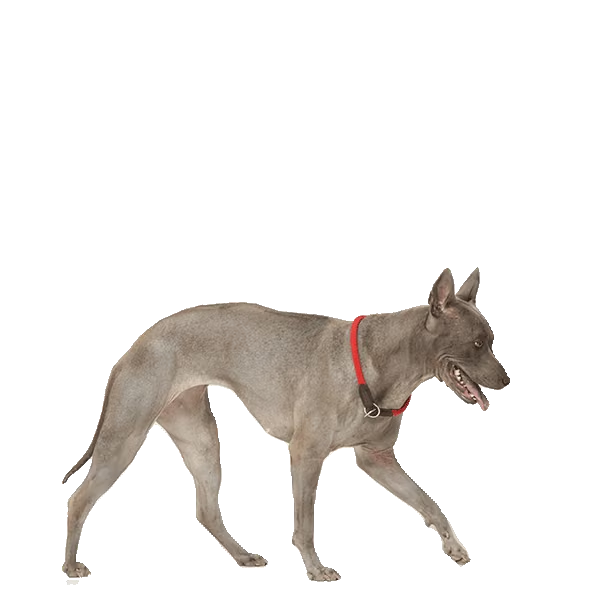
רידג'בק תאילנדי
הריג'בק התאילנדי הוא גזע נאמן ואתלטי הניכר ברכס השיער לאורך גבו ובמסירותו המגוננת.
- Size
- בינוני
- Lifespan
- 12–13 years
- Origin
- תאילנד
- Temperament
- נאמן
- Standard colors
- שחור, כחול, אדום ואיזבלה
Characteristics
Coat and grooming
How the רידג'בק תאילנדי coat is built, and what that means when you groom it.
- שכבות הפרווה
- פרווה יחידה
- מרקם השיער
- חלק
- אורך השיער
- קצר
- נשירה
- נשירה מתונה
רידג'בק תאילנדי colors and patterns
What each club's breed standard says about every רידג'בק תאילנדי color and pattern. Point at a ruling to see the club's own wording.
Breed standards describe the רידג'בק תאילנדי in שחור, כחול, אדום ואיזבלה. Standard patterns: אחיד.
| Color or pattern | FCI | AKC | UKC | KUSA |
|---|---|---|---|---|
| שחור | תקני (“black”) | תקני (“Black”) | תקני (“black”) | תקני (“black”) |
| כחול | תקני (“blue”) | תקני (“Blue”) | תקני (“blue”) | תקני (“blue”) |
| אדום | תקני (“red”) | תקני (“Red”) | תקני (“Red”) | תקני (“red”) |
| איזבלה | תקני (“very light fawn (isabella)”) | תקני (“Fawn (Isabella)”) | תקני (“very light fawn (isabella)”) | תקני (“very light fawn (isabella)”) |
| לבקן | לא מוכר | לא מוכר | פוסל (“Albinism”) | לא מוכר |
| Patterns | ||||
| אחיד | תקני (“Solid colour”) | תקני (“Solid colour”) | תקני (“The following solid colors are permitted”) | תקני (“Solid colour”) |

| Color or pattern | FCI | AKC | UKC | KUSA |
|---|---|---|---|---|
| חום כהה | תקני (“The eye colour is dark brown”) | תקני (“The eye colour is dark brown”) | תקני (“Eye color is dark brown”) | תקני (“The eye colour is dark brown”) |
| ענבר | תקני (“In blues, amber-coloured eyes are permitted”) | תקני (“In blues, amber-coloured eyes are permitted”) | תקני (“in blue dogs, where amber eyes are permitted”) | תקני (“In blues, amber-coloured eyes are permitted”) |
| Color or pattern | FCI | AKC | UKC | KUSA |
|---|---|---|---|---|
| שחור | תקני (“Black”) | תקני (“Black”) | תקני (“Black”) | תקני (“Black”) |
| כחול | תקני (“In blue dogs, the nose is bluish”) | תקני (“In blue dogs, the nose is bluish”) | תקני (“In bluish dogs, the nose is bluish”) | תקני (“In blue dogs, the nose is bluish”) |
| Color or pattern | FCI | AKC | UKC | KUSA |
|---|---|---|---|---|
| מנוקד | תקני (“Black marking on the tongue is preferable”) | תקני (“Black marking on the tongue is preferable”) | תקני (“Black marking on the tongue is preferable”) | תקני (“Black marking on the tongue is preferable”) |
%22%3E%3Cg%20fill%3D%22%231C1C1C%22%3E%3Cellipse%20cx%3D%2224%22%20cy%3D%2222%22%20rx%3D%224.5%22%20ry%3D%223.5%22%2F%3E%3Cellipse%20cx%3D%2240%22%20cy%3D%2228%22%20rx%3D%225%22%20ry%3D%224%22%2F%3E%3Cellipse%20cx%3D%2227%22%20cy%3D%2240%22%20rx%3D%224%22%20ry%3D%223%22%2F%3E%3Cellipse%20cx%3D%2240%22%20cy%3D%2246%22%20rx%3D%223%22%20ry%3D%222.5%22%2F%3E%3Cellipse%20cx%3D%2221%22%20cy%3D%2232%22%20rx%3D%222.5%22%20ry%3D%222%22%2F%3E%3C%2Fg%3E%3C%2Fg%3E%3Cpath%20d%3D%22M32%2010V44%22%20fill%3D%22none%22%20stroke%3D%22%231C1C1C%22%20stroke-opacity%3D%220.25%22%20stroke-width%3D%221.6%22%20stroke-linecap%3D%22round%22%2F%3E%3Cuse%20href%3D%22%23s%22%20fill%3D%22none%22%20stroke%3D%22%233B2A20%22%20stroke-opacity%3D%220.6%22%20stroke-width%3D%221%22%20stroke-linejoin%3D%22round%22%2F%3E%3Cellipse%20cx%3D%2225%22%20cy%3D%2216%22%20rx%3D%224%22%20ry%3D%222%22%20fill%3D%22%23F5F5F0%22%20fill-opacity%3D%220.25%22%2F%3E%3C%2Fsvg%3E)
What the rulings mean
- תקני
- Described by the club's breed standard.
- פוסל
- The club's breed standard disqualifies an animal of this color or pattern.
- לא מוכר
- The club does not accept this color or pattern for the breed.
Color changes
How a רידג'בק תאילנדי's colors can change over its life.
שחורchanges toחלודה
פרווה · עם מצב הגוף · can change back
שחורchanges toאפור
פרווה · מתקדם
שחורchanges toחום
פרווה · בשמש · can change back
שחורchanges toאף שלג
אף · עם העונה · can change back
שחורchanges toורוד
אף · עם העונה · can change back
ורודchanges toשחור-כחלחל
לשון · עם הגיל · from 8 to 26 weeks
%22%3E%3Crect%20x%3D%2217%22%20y%3D%2210%22%20width%3D%2230%22%20height%3D%2242%22%20fill%3D%22url(%23g)%22%2F%3E%3C%2Fg%3E%3Cuse%20href%3D%22%23s%22%20fill%3D%22none%22%20stroke%3D%22%233B2A20%22%20stroke-opacity%3D%220.6%22%20stroke-width%3D%221%22%20stroke-linejoin%3D%22round%22%2F%3E%3Cpath%20d%3D%22M12.5%2037Q13%2032%2018.5%2032Q23.5%2032.5%2023.5%2036.5Q20.5%2035.5%2018.8%2037Q17.4%2038.6%2018%2041.5Q13.6%2040.4%2012.5%2037Z%22%20fill%3D%22%231C1C1C%22%20fill-opacity%3D%220.8%22%20stroke%3D%22%23F5F5F0%22%20stroke-opacity%3D%220.4%22%20stroke-width%3D%220.9%22%2F%3E%3Cpath%20d%3D%22M51.5%2037Q51%2032%2045.5%2032Q40.5%2032.5%2040.5%2036.5Q43.5%2035.5%2045.2%2037Q46.6%2038.6%2046%2041.5Q50.4%2040.4%2051.5%2037Z%22%20fill%3D%22%231C1C1C%22%20fill-opacity%3D%220.8%22%20stroke%3D%22%23F5F5F0%22%20stroke-opacity%3D%220.4%22%20stroke-width%3D%220.9%22%2F%3E%3Cpath%20d%3D%22M32%2040V50%22%20fill%3D%22none%22%20stroke%3D%22%231C1C1C%22%20stroke-width%3D%221.3%22%20stroke-opacity%3D%220.5%22%20stroke-linecap%3D%22round%22%20stroke-linejoin%3D%22round%22%2F%3E%3Cellipse%20cx%3D%2232%22%20cy%3D%2221%22%20rx%3D%2212%22%20ry%3D%223.5%22%20fill%3D%22%23F5F5F0%22%20fill-opacity%3D%220.18%22%2F%3E%3C%2Fsvg%3E)
Sources
Each ruling comes from the club's published breed standard or color list.
Meet some of our רידג'בק תאילנדי
A few of the רידג'בק תאילנדי profiles members have added to United Pet Club.

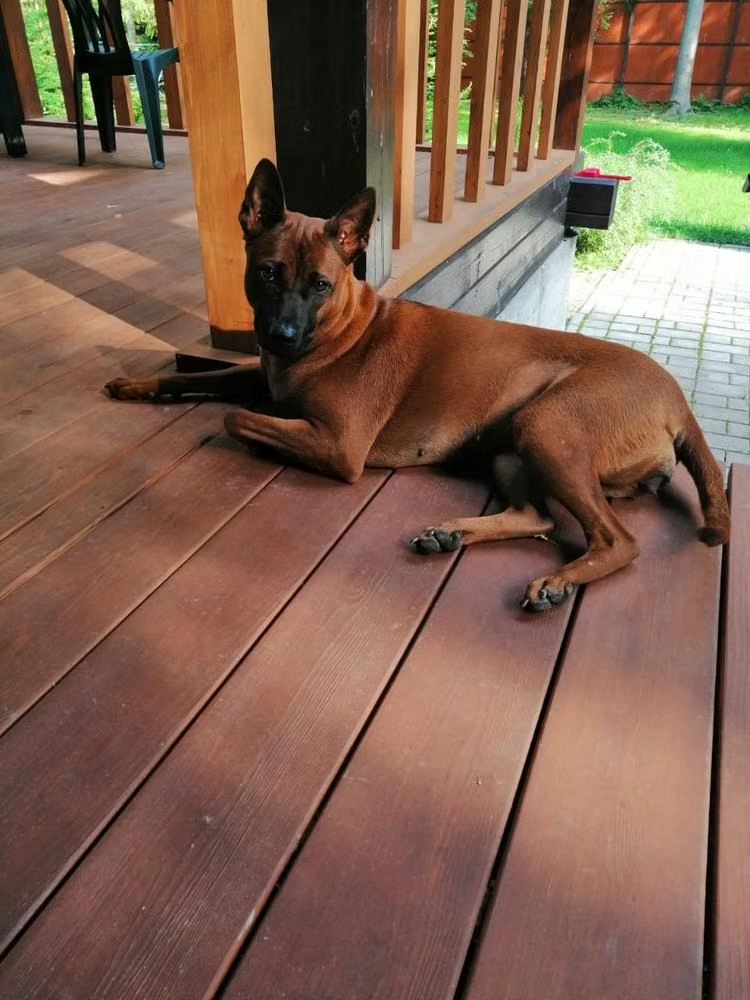


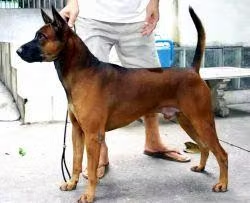


אודות הריג'בק התאילנדי
הריג'בק התאילנדי הוא כלב בגודל בינוני מתאילנד, הידוע ברכס השיער הצומח בכיוון הפוך על גבו ובאופיו הנאמן והשומרני.
הריג'בק התאילנדי הוא כלב בגודל בינוני שמקורו בתאילנד. הסימן המובהק ביותר שלו הוא הרכס לאורך עמוד השדרה, שבו השיער צומח בכיוון הפוך לשאר הפרווה. מדובר בגזע שרירי וספורטיבי, עם פרווה קצרה, ראש בצורת טריז וגוף חזק ומאוזן המתאים לחיים פעילים בחוץ.
הגזע נאמן ומסור למשפחתו, אך שומר על אופי עצמאי. ריג'בקים תאילנדיים ערניים ובעלי נטייה טבעית להגנה, תכונות שבעבר הפכו אותם לכלבי שמירה וציד שימושיים בכפרי תאילנד. הם נוטים ליצור קשר הדוק עם האנשים שהם מכירים ועלולים להיות מסויגים כלפי זרים.
כלב בוגר שוקל בדרך כלל בין 16 ל-34 ק"ג וגובהו בכתף נע בין 51 ל-61 ס"מ, כאשר הזכרים בדרך כלל גדולים יותר מהנקבות. הפרווה הקצרה והצפופה קלה לטיפוח, אך בשל הרצון העצמאי החזק וצורכי הפעילות הגבוהים, הגזע מתאים בעיקר לבעלים מנוסים.
| מאפיין | פרט |
|---|---|
| מוצא | תאילנד |
| גודל | בינוני |
| תוחלת חיים | 12-13 שנים |
| קבוצה/תפקיד | כלב שמירה וציד |
| מתאים ל | משפחות עם ילדים גדולים ובעלים מנוסים |
למי הוא מתאים
הריג'בק התאילנדי מתאים לבעלים פעילים שיכולים להעניק אימון עקבי, פעילות גופנית יומית וחיברות מוקדמת. זהו גזע טוב למשקי בית שרוצים בן לוויה ערני ונאמן ומוכנים להשקיע זמן בניהול כלב עצמאי ואנרגטי. הוא פחות מתאים לבעלי כלבים חסרי ניסיון או לבתים שבהם נעדרים לפרקי זמן ארוכים.
ההיסטוריה של הריג'בק התאילנדי
הריג'בק התאילנדי התפתח לאורך מאות שנים במזרח תאילנד, שם שימש ככלב ציד ושמירה ונותר מבודד יחסית מגזעים אחרים.
הריג'בק התאילנדי מקורו בתאילנד, שם הוא קיים כבר מאות שנים. הוא התפתח בעיקר באזורים המזרחיים של המדינה, כולל האזורים סביב האי פו קוווק והמחוזות הגובלים בקמבודיה של ימינו. הבידוד הממושך של הגזע באזורים כפריים אלה ככל הנראה שמר על קווי הדם שלו טהורים יחסית, בהשוואה לגזעים שהתפשטו לאורך נתיבי מסחר מרכזיים.
לאורך רוב תולדותיו שימש הריג'בק התאילנדי ככלב כפרי רב-תכליתי. הוא גידל כדי לשמור על בתים ועגלות, לצוד חיות קטנות ולשלוט במזיקים. הספורטיביות, הערנות והעצמאות שלו היו תכונות מוערכות בסביבה שבה כלבים נדרשו לעבוד ולקבל החלטות בעצמם, בלי הכוונה אנושית ישירה.
הגזע הוא אחד ממספר קטן של כלבים הנושאים רכס גבי ייחודי, תכונה המשותפת לו עם הרודזיאן ריג'בק וכלב פו קוווק. הרכס הוא סימן מובהק שמגדלים בתאילנד שימרו לאורך דורות רבים.
הריג'בק התאילנדי נותר כמעט לא מוכר מחוץ לתאילנד עד סוף המאה העשרים, אז עניין מצד מגדלים מחוץ למדינה חשף אותו לקהל בינלאומי רחב יותר. הוא עדיין נחשב לגזע נדיר יחסית במדינות רבות כיום.
המראה של הריג'בק התאילנדי
הריג'בק התאילנדי הוא כלב שרירי בגודל בינוני, עם פרווה קצרה ורכס של שיער הפוך לאורך גבו.
הריג'בק התאילנדי הוא כלב שרירי וספורטיבי בגודל בינוני. הגוף ארוך מעט יותר מגובהו, עם חזה עמוק, קו גב ישר וגפיים חזקות ונקיות. הראש בצורת טריז, האוזניים זקופות ומשולשות, והזנב מתחדד ונישא כלפי מעלה בקשת קלה. הרושם הכללי הוא של כלב זריז וכשיר, בנוי למהירות ולסיבולת.
| מאפיין | תקן |
|---|---|
| גובה | 51-61 ס"מ בכתף |
| משקל | 16-34 ק"ג |
| פרווה | קצרה, חלקה, צמודה לגוף |
| צבעים | שחור, כחול, אדום, חום-צהבהב (איזבלה) |
| עיניים | כהות, בצורת שקד |
פרווה וצבעים
הפרווה קצרה וחלקה וצמודה לגוף, ולכן קלה לטיפוח. ארבעה צבעים אחידים מוכרים: שחור, כחול, אדום וחום-צהבהב. המאפיין המובהק ביותר הוא הרכס לאורך הגב, שבו השיער צומח בכיוון הפוך לשאר הפרווה. הרכס משתנה ברוחב ובצורה בין פרטים שונים, וקיימים כמה דפוסי רכס נבדלים בתוך הגזע.
האופי של הריג'בק התאילנדי
הריג'בק התאילנדי נאמן ומסור למשפחתו, בעל אופי עצמאי, ונוטה להגנה ולריחוק כלפי זרים.
הריג'בק התאילנדי נאמן ויוצר קשרים חזקים עם משפחתו. הוא רגוע וחיבתי בבית עם אנשים שהוא סומך עליהם, אך גם עצמאי ונוטה לחשוב בעצמו, מורשת מתפקידו ההיסטורי ככלב עבודה עצמאי. עצמאות זו משמעה שהוא לא תמיד ציית לבעליו ללא מנהיגות ברורה ועקבית.
כלפי זרים הגזע בדרך כלל מסויג וערני. בזכות הנטייה הטבעית שלו להגנה הוא כלב התראה יעיל, אך לרוב אינו נובח ללא סיבה. חיברות מוקדמת ומתמשכת חשובה כדי שהכלב יישאר בטוח בעצמו ומתנהג יפה מול אנשים ומצבים לא מוכרים.
ריג'בקים תאילנדיים יכולים לחיות לצד חיות מחמד אחרות כשגדלים איתן, אך דחף הטרף וההגנה הטריטוריאלית שלהם מחייבים היכרויות זהירות ומפוקחות. בדרך כלל הם מסתדרים הכי טוב עם ילדים גדולים יותר שיודעים איך להתייחס בכבוד לכלב בעל רצון חזק.
| תכונה | דירוג |
|---|---|
| חיבה | 4 |
| אנרגיה | 4 |
| יכולת אילוף | 3 |
| נטייה לנביחות | 2 |
| נשירת שיער | 2 |
טיפול בריג'בק תאילנדי
הריג'בק התאילנדי זקוק לפעילות גופנית יומית ולטיפול עקבי, ודורש טיפוח מועט הודות לפרווה הקצרה שלו.
טיפוח
- הבריקו את הפרווה הקצרה אחת לשבוע להסרת שיער רפוי ולשמירה על ניקיון.
- רחצו רק לפי הצורך, מכיוון שהפרווה דוחה לכלוך היטב.
- גזרו ציפורניים כל כמה שבועות ובדקו את האוזניים באופן קבוע.
- צחצחו שיניים כמה פעמים בשבוע לתמיכה בבריאות הפה.
פעילות גופנית
- הקצו לפחות 60 דקות של פעילות בכל יום.
- שלבו הליכות מהירות, ריצה ופעילות ללא רצועה בשטח מגודר.
- הציעו משחקי פתרון בעיות ומפגשי אימון לגירוי מנטלי.
- השתמשו בשטח מגודר וסגור היטב, מכיוון שהגזע קופץ ומטפס היטב.
סביבת מחיה
הריג'בק התאילנדי מסתגל היטב לאקלים חם, כפי שמאפיין את הקיץ בישראל, וסובל חום טוב יותר מקור. הוא מעדיף בית עם גישה לחצר מגודרת היטב על פני מגורים סגורים בדירה, אם כי הוא יכול להסתדר בשטח קטן יותר כשצרכי הפעילות שלו מתמלאים. הפרווה מספקת הגנה מועטה מפני קור, ולכן מומלץ מעיל או הגבלת זמן בחוץ בטמפרטורות נמוכות.
האכלת ריג'בק תאילנדי
ריג'בק תאילנדי מסתדר היטב עם תזונה מאוזנת המותאמת למשקלו ולרמת הפעילות שלו, מחולקת לשתי ארוחות ביום למבוגרים.
הריג'בק התאילנדי זקוק לתזונה מלאה ומאוזנת המתאימה לגילו, למשקלו ולרמת הפעילות שלו. כגזע ספורטיבי, הוא נהנה מחלבון איכותי לתמיכה במסת שריר רזה. גודל המנות צריך להתאים לכלב הספציפי ולהתעדכן כדי לשמור עליו במשקל בריא, מכיוון שהגזע אמור להישאר כשיר ומוגדר ולא כבד.
| שלב חיים | כמות ליום | ארוחות |
|---|---|---|
| גור (2-6 חודשים) | לפי הנחיות המוצר למשקל | 3-4 |
| צעיר (6-12 חודשים) | לפי הנחיות המוצר למשקל | 2-3 |
| בוגר | כ-200-350 גרם מזון יבש | 2 |
| מבוגר (קשיש) | מותאם כלפי מטה לפי רמת הפעילות | 2 |
חטיפים ותוספים
חטיפים צריכים להוות לא יותר מכעשרה אחוזים מסך הקלוריות היומיות. רוב הריג'בקים התאילנדיים הבריאים שאוכלים תזונה מלאה אינם זקוקים לתוספים, אך תמיכה במפרקים עשויה להועיל לכלבים מבוגרים או פעילים מאוד. יש להתייעץ עם וטרינר לפני הוספת כל תוסף. הקפידו על מים טריים זמינים בכל עת, בפרט לאור רמת הפעילות הגבוהה של הגזע בתנאי חום.
בריאות הריג'בק התאילנדי
הריג'בק התאילנדי בריא ברובו, עם תוחלת חיים של 12-13 שנים, אך עלול לסבול ממצב עורי הקשור לרכס וממספר בעיות נוספות.
הריג'בק התאילנדי הוא בדרך כלל גזע חסון ובריא עם תוחלת חיים אופיינית של 12-13 שנים. ההכלאה המוגבלת שלו עם גזעים אחרים סייעה לשמור על מאגר גנטי בריא יחסית. עם זאת, כמה מצבים נראים בגזע, וגידול אחראי וטיפול וטרינרי שוטף מסייעים לצמצם את השפעתם.
| מצב | סימנים | הערה |
|---|---|---|
| סינוס דרמואידי | פתח עורי דמוי צינור לאורך עמוד השדרה, הפרשה | קשור לרכס; מטופל בניתוח |
| דיספלזיה של הירך | נוקשות, ירידה בפעילות, צליעה | בדיקת סינון לכלבי גידול מסייעת |
| אלרגיות עור | גירוד, אדמומיות, נשירת שיער | יש לנהל את הגורמים בהתייעצות עם וטרינר |
טיפול מונע
- הקפידו על חיסונים וטיפול נגד טפילים מעודכנים.
- קבעו בדיקות וטרינריות שנתיות, ובתדירות גבוהה יותר לכלבים מבוגרים.
- שמרו על משקל בריא באמצעות האכלה מדודה ופעילות גופנית סדירה.
- בדקו את הרכס והעור לאיתור פתחים, גושים או גירויים.
- הקפידו על טיפול שיניים שוטף.
אילוף ריג'בק תאילנדי
הריג'בק התאילנדי חכם אך עצמאי, כך שהאילוף מתבסס על עקביות, חיברות מוקדמת ושיטות מבוססות תגמול.
הריג'בק התאילנדי חכם ומוכשר, אך עצמאי, ולכן האילוף שלו תובעני יותר בהשוואה לגזעים להוטים לרצות. הוא לומד מהר כשיש לו מוטיבציה, אך עשוי לבחור לפעול לפי שיקול דעתו ולא לציית לפקודה. עקביות, סבלנות וגבולות ברורים הכרחיים, והאילוף יעיל ביותר כשמתחילים בו מוקדם. שיטות קשוחות נוטות לחזור כבומרנג ועלולות לפגוע באמון עם כלב רגיש ובעל רצון חזק כמו זה.
יסודות
- התחילו בחיברות ובטיפול בסיסי מוקדם ככל האפשר.
- למדו פקודות ליבה כמו שב, המתן, בוא ועזוב.
- שמרו על מפגשים קצרים, מגוונים ומעניינים כדי לשמר את תשומת הלב.
- חזקו את פקודת החזרה ואת בקרת הדחפים לאור דחף הטרף של הגזע.
- תרגלו קבלות פנים רגועות ומבוקרות מול אנשים וחיות חדשים.
גידול ריג'בק תאילנדי
הריג'בק התאילנדי מגיע לבגרות רבייה בגיל כ-18 חודשים עד שנתיים, ומביא לעולם המלטות של כחמישה עד שבעה גורים לאחר הריון כלבי אופייני.
ריג'בקים תאילנדיים מגיעים לבגרות פיזית והתנהגותית מאוחר יותר מגזעים רבים אחרים, ומגדלים אחראיים בדרך כלל ממתינים עד שהכלב בן 18 חודשים לפחות ועד שנתיים לפני הרבעה. בדיקות בריאות לשני ההורים, כולל הערכת דיספלזיה של הירך ובדיקת סינוס דרמואידי, מסייעות לצמצם את הסיכון להעברת בעיות תורשתיות.
ההיריון נמשך כ-63 יום, האורך הסטנדרטי אצל כלבים. המלטות מכילות בדרך כלל כחמישה עד שבעה גורים, אם כי הגודל משתנה. מכיוון שהרכס וכמה מצבי עור מסוימים תורשתיים, מגדלים בעלי ידע מקדישים תשומת לב רבה לצורת הרכס ולבריאות העור בעת תכנון זיווגים.
גורים צריכים להישאר עם האם לפחות עד גיל שמונה שבועות. טיפול וחשיפה מוקדמים לאנשים, לצלילים ולבעלי חיים אחרים בתקופה זו חשובים מאוד להפקת כלבים בוגרים בטוחים בעצמם ומאוזנים, לאור האופי המסויג הטבעי של הגזע.
| מדד | ערך |
|---|---|
| בגרות רבייה | 18 חודשים עד שנתיים |
| הריון | כ-63 יום |
| גודל המלטה ממוצע | 5-7 גורים |
| גיל גמילה | כ-7-8 שבועות |
| גיל מומלץ למעבר לבית חדש | מגיל 8 שבועות |
רישום כלב מגזע רידג'בק תאילנדי והשבב שלו
פרופיל חינמי לכל החיים לכלב מגזע רידג'בק תאילנדי ב-United Pet Club, עם שבב רשום בלי תשלום ובלי חידושים.
איך רושמים כלב מגזע רידג'בק תאילנדי בישראל
מלאו את שם הכלב מגזע רידג'בק תאילנדי, תאריך לידה ותמונה חדה, הוסיפו את הטלפון שלכם ושמרו. זה הכול, וזה לא עולה שקל, לא היום ולא בעתיד. רישום הכלב עובד עם שבב ובלעדיו.
הווטרינר משתיל את השבב, אבל רשומה שעונה גם מחוץ לישראל היא באחריותכם. רשמו את השבב במסלול החינמי לכל החיים: כל יצרן מתקבל, עדכון כתובת או טלפון לא עולה שקל, והרשומה זמינה לחיפוש בכל שעה, בארץ ובעולם. פתחו חשבון חינם וסגרו את שני השלבים הערב.
איך רושמים כלב מגזע רידג'בק תאילנדי בישראל?
פותחים חשבון חינם ב-United Pet Club, ממלאים את פרטי הכלב מגזע רידג'בק תאילנדי עם תמונה ושומרים את הפרופיל. הוא חינמי לכל חיי הכלב, ורישיון הכלב מהרשות המקומית נשאר חובה נפרדת.
איך רושמים את השבב של כלב מגזע רידג'בק תאילנדי?
מקלידים את המספר בן 15 הספרות בחשבון החינמי יחד עם כתובת וטלפון. המסלול לכל החיים מקבל כל יצרן שבב ולא גובה על עדכונים לעולם.
האם שבב חובה לכלב מגזע רידג'בק תאילנדי בישראל?
כן. החוק מחייב שבב אלקטרוני ורישיון מהרשות המקומית לכל כלב, והנתונים נרשמים במאגר הארצי. הרשומה ב-United Pet Club מתווספת בחינם כדי שהמספר יענה גם מחוץ לישראל.
כמה עולה לרשום כלב מגזע רידג'בק תאילנדי?
כלום. המסלול החינמי לכל החיים כולל את הפרופיל, את רישום השבב וכל עדכון עתידי, בלי דמי חידוש.
שאלות נפוצות על הריג'בק התאילנדי
שאלות נפוצות על הריג'בק התאילנדי מתייחסות לגודלו, לאופיו, לצורכי הטיפול בו, לתוחלת חייו, להתאמתו ולזמינותו.
מה הגודל של ריג'בק תאילנדי בבגרותו?
מדובר בגזע בגודל בינוני, בגובה של כ-51 עד 61 ס"מ בכתף ובמשקל של 16 עד 34 ק"ג, כאשר הזכרים בדרך כלל גדולים יותר מהנקבות.
האם הריג'בק התאילנדי הוא כלב משפחה טוב?
הוא יכול להיות בן לוויה נאמן ומסור למשפחה, בפרט בבתים עם ילדים גדולים יותר. האופי העצמאי וההגנתי שלו משמעו שהוא נהנה מטיפול של בעלים מנוסים ומחיברות מוקדמת.
האם קשה לטפל בריג'בק תאילנדי?
הטיפוח קל הודות לפרווה הקצרה, אך הגזע תובעני מבחינת פעילות גופנית, אילוף וחיברות. בשל עצמאותו, הוא מתאים בעיקר לבעלים עם ניסיון מסוים בכלבים.
כמה זמן חיים ריג'בקים תאילנדיים?
הם חיים בדרך כלל 12 עד 13 שנים. תזונה טובה, פעילות גופנית סדירה וטיפול וטרינרי שוטף תומכים בחיים ארוכים ובריאים.
האם ריג'בקים תאילנדיים מתאימים לבעלים חסרי ניסיון?
בדרך כלל הם אינם מומלצים לבעלים חסרי ניסיון. הרצון החזק, דחף הטרף והנטיות ההגנתיות שלהם דורשים מנהיגות בטוחה ועקבית.
האם ריג'בקים תאילנדיים נדירים?
כן. הגזע נותר מבודד בתאילנד לאורך רוב תולדותיו, ועדיין נחשב לא נפוץ במדינות רבות, כך שמציאת גור עשויה לדרוש זמן ומחקר.
האם ריג'בקים תאילנדיים משילים הרבה שיער?
לא. הפרווה הקצרה והצמודה משילה במידה מתונה, ומספיקה הברשה שבועית כדי לשמור עליה במצב טוב.
From the community
Ask about the רידג'בק תאילנדיNo questions about the רידג'בק תאילנדי yet. Be the first to ask.
Browse Dog breeds