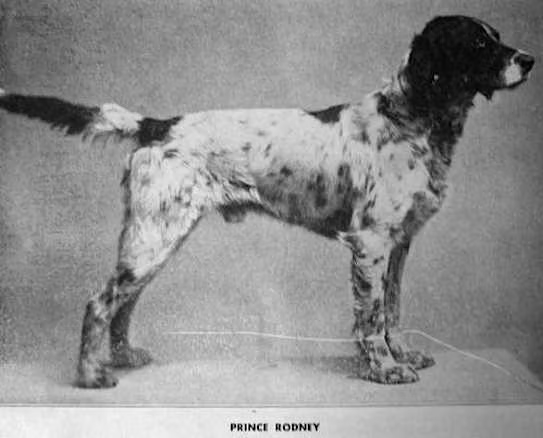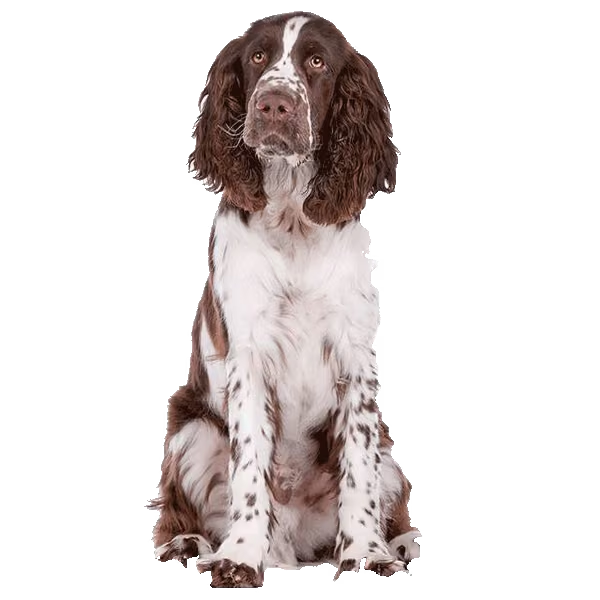
המינסטרלנדר הקטן המצביע הוא כלב ציד רב-תכליתי, נבון וחיבתי המצטיין בהצבעה ובאחזור.
איך בנויה הפרווה של מינסטרלנדר קטן פוינטר ומה זה אומר בטיפוח.
זהירות: הפרווה של מינסטרלנדר קטן פוינטר נקשרת בקלות.
שיער דק או ארוך מסתבך בבסיס הפרווה, הרחק מהעין, שם הקשרים מתהדקים ומושכים את העור. ההברשה חייבת להגיע עד השורש בקטעים, ולא רק לחלוף על פני השטח.
A few of the מינסטרלנדר קטן פוינטר profiles members have added to United Pet Club.
The Small Munsterlander Pointer is a medium-sized German gundog known for intelligence and affection, bred to point and retrieve on land and in water.
The Small Munsterlander Pointer is a medium-sized hunting dog from Germany. It belongs to the versatile gundog group, meaning it was developed to find, point, and retrieve game across fields, woodland, and water rather than to specialize in a single task. Owners describe it as a working partner that stays closely connected to its handler in the field and at home.
The breed combines a steady pointing instinct with a strong drive to retrieve. It is energetic and needs daily activity, but it is also affectionate and forms close bonds with the people it lives with. Adults usually weigh roughly 18 to 27 kg and stand around 50 to 56 cm at the shoulder, which places them at the smaller end of the pointing breeds.
Its coat is medium-length and feathered, set in brown and white with roan and ticked patterns. The build is balanced and athletic without being heavy, which suits long days of work and active family life.
| Attribute | Detail |
|---|---|
| Origin | Germany |
| Size | Medium (about 18 to 27 kg) |
| Lifespan | 12 to 14 years |
| Group/role | Versatile gundog (pointing and retrieving) |
| Good with | Families, older children, other dogs with training and exercise |
This breed fits active households that can give it consistent daily exercise and mental work. It does well with hunters, dog-sport handlers, and families who walk, run, or train often. It is less suited to homes with long periods alone or little outdoor time, because an under-exercised dog of this type can become restless and hard to settle.
The Small Munsterlander Pointer comes from the Munster region of Germany, where versatile pointing and retrieving dogs were refined into a distinct breed in the early twentieth century.
The breed takes its name from Munster in north-western Germany, the area where its modern form was settled. Dogs of this general type, smaller feathered pointers that could work close to a hunter on foot, had existed in German farming and hunting communities for a long time before formal breeding records.
Interest in standardizing the breed grew in the late nineteenth and early twentieth centuries, as German hunters sought versatile dogs that could point, track, and retrieve from both land and water. Local populations of small long-haired pointing dogs were gathered and bred toward a consistent type during this period.
A breed club formed in Germany in the early twentieth century to record pedigrees and set a written standard, which fixed the brown-and-white coat and the versatile working role. The breed remained primarily a hunter's dog rather than a show or companion animal, and selection stayed focused on field ability.
From Germany the breed spread to other parts of Europe and later to North America, kept mainly by hunters who valued its all-round skills. It remains less common than many sporting breeds, and breeding in many regions continues to emphasize working aptitude alongside conformation.
The Small Munsterlander Pointer is a balanced medium-sized dog with a medium-length brown-and-white feathered coat, an athletic outline, and dark eyes.
The Small Munsterlander Pointer has an athletic, well-proportioned build that reads as a working dog rather than a heavy one. The body is slightly longer than tall, the chest is deep, and the legs are straight and sound. The head is moderate with a defined stop, and the ears hang flat against the head with feathering along the edges. The tail is carried roughly level with feathering on the underside.
| Trait | Standard |
|---|---|
| Height | Roughly 50 to 56 cm at the shoulder |
| Weight | About 18 to 27 kg |
| Coat | Medium-length, dense, with feathering on ears, legs, and tail |
| Colors | Brown and white, including brown roan, ticked, and patched patterns |
| Eyes | Dark brown, medium-sized, alert expression |
The coat is medium in length, lying close to the body and slightly wavy in places, with longer feathering on the ears, the backs of the legs, and the underside of the tail. The standard color is brown and white. This appears as solid brown patches over white, brown roan where the two colors mix, and ticking where small brown flecks scatter across white areas. A brown head with white markings or a blaze is common. The texture is weather-resistant, which suits work in cold water and rough cover.
The Small Munsterlander Pointer is affectionate, intelligent, and energetic, bonding closely with its family while staying biddable and responsive to training.
This is an affectionate breed that stays closely attached to its people. It tends to follow family members from room to room and prefers company to being left alone. With children it is usually gentle and playful, and it generally does well with older children who respect a dog's space.
With strangers it is typically friendly or politely reserved rather than sharp. It is alert and will notice visitors, but it is not bred as a guard dog. Around other dogs it is usually sociable, especially when raised with them, though its strong prey drive means small pets such as birds and rabbits can trigger chasing.
The breed is intelligent and eager to work, which makes it responsive to training but also quick to find its own entertainment if bored. A dog that does not get enough physical and mental activity may bark, dig, or chew. Given regular exercise and a job to do, it settles into a calm and easy household companion.
| Trait | Rating |
|---|---|
| Affection | 5 |
| Energy | 5 |
| Trainability | 5 |
| Vocalness | 3 |
| Shedding | 3 |
The Small Munsterlander Pointer needs substantial daily exercise, regular coat care to manage feathering, and a home that keeps it physically and mentally engaged.
The breed does best in a home with secure outdoor space and an active routine. A house with a fenced yard is ideal, though apartment life can work if the dog is exercised thoroughly every day. It tolerates cool and wet weather well thanks to its coat, but it should not be left outside alone for long stretches, because it needs human contact to stay content.
The Small Munsterlander Pointer needs a complete, balanced diet suited to an active medium-sized dog, with portions adjusted for workload, age, and body condition.
Feed a complete, balanced food formulated for an active medium-sized dog. Working dogs and those exercised hard may need more calories than the package guideline suggests, while less active pets need less to avoid weight gain. Adjust portions to keep a visible waist and easily felt ribs, and split the daily amount into meals rather than feeding once a day. Fresh water should always be available, especially around exercise and swimming.
| Life stage | Amount per day | Meals |
|---|---|---|
| Puppy (2 to 6 months) | Per puppy food guideline, growth amounts | 3 to 4 |
| Adolescent (6 to 12 months) | Gradually shifting toward adult portions | 2 to 3 |
| Adult (1 to 7 years) | About 200 to 350 g dry food, by weight and activity | 2 |
| Senior (8 years and older) | Slightly reduced, watch weight | 2 |
Keep treats to roughly 10 percent of daily calories and reduce meals to account for them. Small training treats work well for a food-motivated breed. A dog on a complete diet usually needs no supplements; discuss any joint, skin, or coat supplement with a veterinarian before adding it, particularly for growing puppies and senior dogs.
The Small Munsterlander Pointer is generally healthy with a lifespan of 12 to 14 years, though it can be prone to hip dysplasia and ear infections that benefit from preventive care.
The Small Munsterlander Pointer is generally a hardy, healthy breed, helped by its history of selection for working ability rather than extreme physical features. Typical lifespan is 12 to 14 years. As with most breeds, a few conditions appear often enough to watch for, and responsible breeders screen breeding stock for inherited joint problems.
| Condition | Signs | Note |
|---|---|---|
| Hip dysplasia | Stiffness, limping, reluctance to jump or run | Inherited joint laxity; screen breeding dogs |
| Ear infections | Head shaking, odor, scratching at the ear | Drop ears trap moisture, common after swimming |
| Eye conditions | Cloudiness, redness, vision changes | Periodic eye checks help with early detection |
| Skin irritation | Itching, redness in feathered areas | Often linked to debris or allergies |
The Small Munsterlander Pointer is intelligent and eager to please, which makes it highly trainable when given consistent, reward-based guidance from puppyhood.
This breed learns quickly and wants to work with its handler, which makes training rewarding. Its intelligence cuts both ways: it picks up good habits fast but also learns unwanted ones if rules are inconsistent. Start training and socialization early, keep sessions short and varied, and give the dog regular jobs to channel its drive. Because it bonds closely with its people, harsh handling damages the relationship and is rarely needed; clear, calm direction works better.
Breeding the Small Munsterlander Pointer responsibly means waiting for full maturity, screening for inherited conditions, and carefully raising and socializing the litter.
Females are usually bred only after they reach full physical maturity, generally around two years of age, so that body and temperament are well developed. Responsible breeders screen both parents for inherited problems such as hip dysplasia and eye conditions, and select for sound working temperament as well as health. Pregnancy lasts roughly 63 days. Litters commonly contain about 6 to 8 puppies, though individual litters vary.
Puppies need careful early care: a warm, clean whelping area, monitoring of weight gain, and gradual weaning onto solid food from around three to four weeks. Early handling and exposure to household sights and sounds lay the groundwork for the breed's friendly, biddable adult temperament. Puppies usually go to new homes from about eight weeks of age, after a first vaccination and veterinary check.
| Metric | Value |
|---|---|
| Female breeding maturity | Around 2 years |
| Gestation | About 63 days |
| Average litter size | About 6 to 8 puppies |
| Weaning | Begins around 3 to 4 weeks |
| Weaning complete / homing | From about 8 weeks |
פרופיל חינמי לכל החיים לכלב מגזע מינסטרלנדר קטן פוינטר ב-United Pet Club, עם שבב רשום בלי תשלום ובלי חידושים.
החוק בישראל ברור: כל כלב חייב שבב אלקטרוני ורישיון מהרשות המקומית, והנתונים מגיעים למאגר הכלבים הארצי של משרד החקלאות. זה חל גם על כלב מגזע מינסטרלנדר קטן פוינטר. מה שהמאגר הארצי לא עושה הוא לענות לסריקה מעבר לגבול. הפרופיל החינמי של United Pet Club סוגר את הפער: הפרטים שלכם צמודים לכלב מכל מדינה. רשמו את הכלב בכמה דקות.
חמש עשרה ספרות מתחת לעור של כלב מגזע מינסטרלנדר קטן פוינטר מצביעות עליכם רק כשמאגר אומר את זה. תנו ל-United Pet Club להגיד את זה בחינם: הרשומה לא פגה, מקבלת כל יצרן שבב, וכל שינוי פרטים חינם. רישום השבב קודם, החשבון מיד אחריו.
פותחים חשבון חינם ב-United Pet Club, ממלאים את פרטי הכלב מגזע מינסטרלנדר קטן פוינטר עם תמונה ושומרים את הפרופיל. הוא חינמי לכל חיי הכלב, ורישיון הכלב מהרשות המקומית נשאר חובה נפרדת.
מקלידים את המספר בן 15 הספרות בחשבון החינמי יחד עם כתובת וטלפון. המסלול לכל החיים מקבל כל יצרן שבב ולא גובה על עדכונים לעולם.
כן. החוק מחייב שבב אלקטרוני ורישיון מהרשות המקומית לכל כלב, והנתונים נרשמים במאגר הארצי. הרשומה ב-United Pet Club מתווספת בחינם כדי שהמספר יענה גם מחוץ לישראל.
כלום. המסלול החינמי לכל החיים כולל את הפרופיל, את רישום השבב וכל עדכון עתידי, בלי דמי חידוש.
Common questions about the Small Munsterlander Pointer cover its size, temperament, care needs, lifespan, suitability, and availability.
It is a medium-sized dog, standing roughly 50 to 56 cm at the shoulder and weighing about 18 to 27 kg, with males usually larger than females.
Yes. It is affectionate and bonds closely with its people, and it is generally gentle with older children. It does best in active families that can meet its exercise needs.
Grooming is moderate, needing a brush once or twice a week. The bigger commitment is exercise: it needs 1 to 2 hours of activity daily plus mental work, so it suits active owners more than sedentary homes.
Typical lifespan is 12 to 14 years. Regular veterinary care, a healthy weight, and good exercise help support a long, sound life.
It is usually sociable with other dogs, especially when raised together. Its strong prey drive means small pets such as birds and rabbits may be chased, so introductions and supervision are important.
It is less common than many sporting breeds and is kept mainly by hunters and active owners. Finding a puppy can take patience and may involve a waitlist with a dedicated breeder.
It can adapt to apartment life if it receives thorough daily exercise and mental stimulation, but a home with secure outdoor space suits it better.