
Pet Adoption Stories That Show What a Second Chance Really Looks Like
Five real shelter and rescue adoptions, and the practical patterns behind them, for anyone thinking about bringing home a rescue pet.
United Pet Club@unitedpetclub5 min read
Adoption stories get told because the pattern repeats often enough to matter: a dog or cat that looked unadoptable on paper, whether because of age, fear, or a rough start, turns out to be exactly what a particular family needed. The animals in these stories were not chosen because they were easy. They were chosen because someone paid attention long enough to notice a personality worth taking home. That is really what a rescue or shelter adoption is: matching a specific animal's temperament and history to a household that can work with it, not around it.
The stories below are drawn from real shelter and rescue placements. They are told briefly here because the details vary from case to case, but the underlying pattern does not: patience during the first weeks, a willingness to let the animal set the pace, and a household that adjusts its own expectations instead of demanding the pet arrive fully settled on day one.
Senior and high energy dogs are often overlooked for the wrong reasons
Max, a senior Golden Retriever, ended up in a shelter after his owner died, an all too common way for older pets to lose their home through no fault of their own. Shelter staff described him as patient and easygoing with visitors, but senior dogs are consistently the hardest group to place: potential adopters worry about vet bills and a shorter time together, and pass over dogs like Max in favor of puppies. A retired couple looking for a calm companion, rather than a project, adopted him, and he settled into a slower routine of short walks and quiet evenings within days rather than weeks.
Bella went the other direction. Found as a stray, thin and frightened, she needed a very different kind of adopter: someone with the energy and schedule to match a young, active dog that had spent months without structure. A runner looking for a training partner took her home, and the daily mileage that would have driven a calmer household to distraction turned out to be exactly what Bella needed to settle down. Both dogs ended up in the right place, but it was two completely different kinds of right. That mismatch, matching temperament to household rather than picking the cutest photo, is one of the biggest factors in whether an adoption sticks. If you are weighing a shelter adoption against buying from a breeder, our guide on reasons to adopt a dog walks through the tradeoffs in more detail.

Shy animals often need one specific person, not a busier shelter environment
Oliver, a Tabby cat, spent months being passed over in a crowded shelter because he was quiet and slow to approach strangers, the opposite of the outgoing cats that usually get adopted first. Shy animals are frequently the longest stayers in any shelter, not because something is wrong with them, but because a loud, busy adoption floor is the worst possible environment to show off a cautious personality.
Emma, a teenager with autism, met Oliver during a visit and he walked straight to her and climbed into her lap, a response the shelter staff had not seen him give to anyone else. There is no reliable way to predict which specific person a shy animal will respond to, which is exactly why in person visits matter more than photos or descriptions for these cases. Oliver became Emma's constant companion afterward, the kind of quiet, steady presence that shy cats in particular tend to offer once they trust their environment.
Recovery cases: pets that needed real help before they needed a home
Lucky, a mixed breed puppy, was rescued severely underweight after a hurricane left him without shelter or food. Cases like his depend on foster networks more than adoption listings: volunteers manage the weeks or months of medical care and weight recovery a badly neglected animal needs before it is ready to be shown to adopters at all. Without that foster stage, animals in Lucky's condition are rarely strong enough to be adopted directly from a shelter kennel.
A firefighter who took part in Lucky's rescue ended up adopting him once his recovery was complete, and Lucky now lives at the station, a common outcome for dogs rescued by first responders who stay involved through the recovery period. Stories like this are a reminder that adoption ready is a status an animal reaches, not a starting point. Foster volunteers and rescue groups do the unglamorous work of getting an animal there before any adoption story can happen.
| Phase | Typical duration | What to expect |
|---|---|---|
| Decompression | First few days | The pet is overwhelmed, may hide, refuse food, or stay quiet. Keep routines simple and low key. |
| Learning | First few weeks | The pet starts learning your household routine, testing boundaries, and showing more of its real personality. |
| Settling in | First few months | Confidence builds, personality fully emerges, and the pet forms a real attachment to its new family. |
Daisy's second career: what some rescue dogs go on to do
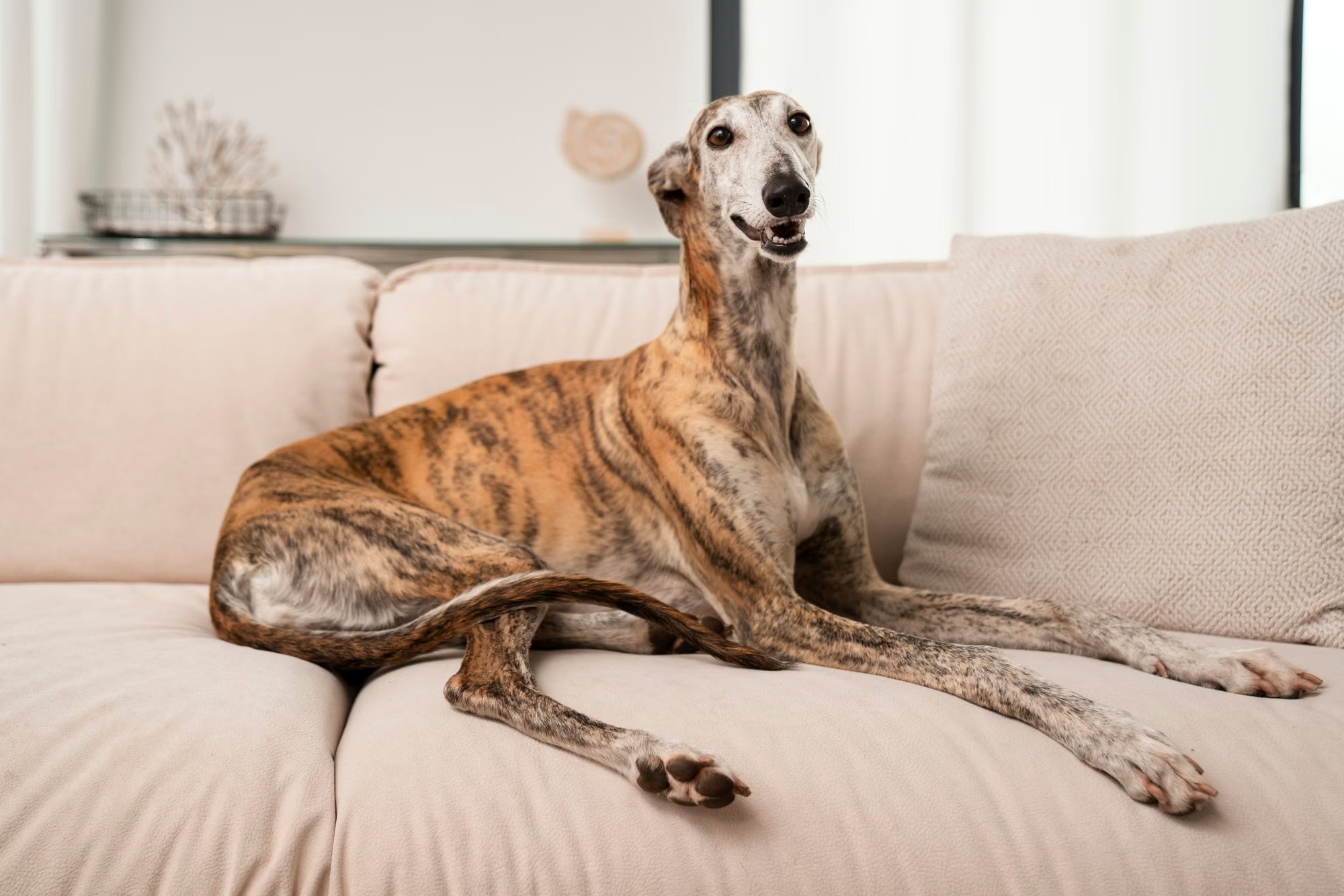
Daisy, a retired racing Greyhound, was adopted by a family whose son was recovering from surgery. Her calm temperament, typical of retired racing Greyhounds once they are off the track, made her a steady presence during his recovery, and the family later had her evaluated and trained as a therapy dog. She now visits schools and hospitals.
Not every adopted pet becomes a working therapy animal, and it is not something to expect or plan around when adopting. But Daisy's path shows how much capacity a rescue animal can have once its basic needs, structure, and medical care are addressed. Breed background matters here too: retired racing Greyhounds are frequently recommended for first time therapy dog handlers precisely because of temperament traits bred into them for track work, calm indoors and comfortable around strangers. If you are curious how breed specific traits like this show up outside working or show contexts, our piece on reasons to buy from a breeder covers how predictable temperament factors into that decision too, alongside adoption.
What to expect if you are considering adoption yourself
If these stories have you thinking about adopting, the practical planning matters as much as the sentiment. Ask the shelter directly about the animal's history, known triggers, and behavior around children, other pets, and strangers, rather than relying on a general good with everyone label. Visit more than once if you can, ideally at different times of day, since shelter environments are stressful and do not show an animal's real temperament well.
Budget for the first veterinary visit, a microchip if the animal does not already have one, and basic supplies before the animal comes home, not after. Set up a quiet space in advance rather than a full run of the house on day one. None of this guarantees a smooth transition, but it removes the avoidable sources of stress so you can focus on the actual adjustment period, which, as the stories above show, is rarely instant and is almost always worth it. For a broader rundown of what to have ready before any new pet arrives, see our new pet owner guide.
How long does it take a shelter dog to adjust to a new home?
Most dogs need several weeks before their real personality shows, not just a few days. Expect a quiet, cautious first week, more testing of boundaries over the following weeks, and a settled, confident pet within two to three months. Timelines vary by individual dog and history.
Are senior shelter pets harder to adopt than puppies?
Senior pets are usually overlooked for the wrong reasons. Their personalities are already established, so what you see during a shelter visit is close to what you will get at home, with fewer training surprises than a puppy, though shorter expected time together and higher near term vet costs are real factors to plan for.
Why do shy or fearful shelter animals get passed over so often?
A loud, busy shelter floor is a poor environment for a cautious animal to show its real personality, so shy pets often stay longer through no fault of their own. In person, quiet visits, ideally more than one, give a much better read on how the animal will actually behave at home.
Do rescue pets make good therapy or service animals?
Some do, particularly breeds with naturally calm, low reactivity temperaments such as retired racing Greyhounds, but it is not something to expect or plan around when adopting. Any pet being considered for therapy work needs a formal evaluation and training program first.
What should I ask a shelter before adopting a pet?
Ask about the animal's known history, behavior around children, other pets, and strangers, any medical conditions, and why it was surrendered if that information is available. A specific answer tells you more than a broad reassurance like good with everyone.