Veterinarian health tips: the habits that actually keep pets out of the exam room
A short list of the habits veterinarians consistently point to for a longer, healthier pet life, from annual exams to dental care to catching behavior changes early.
United Pet Club@unitedpetclub4 دقیقه مطالعه
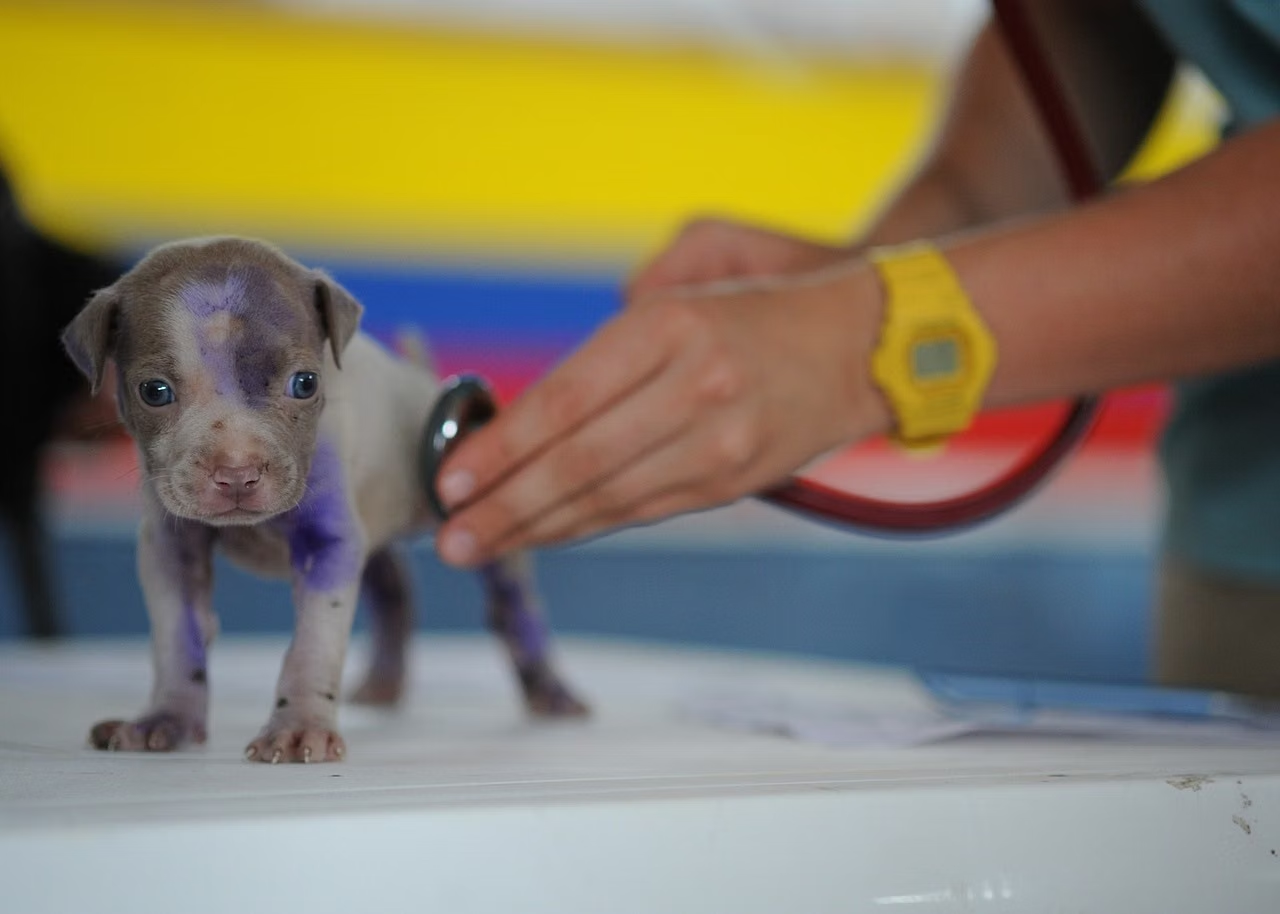
The habits that matter most for a pet's long term health are consistent, not exotic: annual exams that catch problems before they become emergencies, a diet suited to the animal's actual size and age, regular dental care, and daily exercise. None of these require expensive equipment or special training, and together they explain most of the gap between pets who live long, comfortable lives and pets who accumulate preventable problems.
Annual exams catch what a home check cannot
A yearly wellness visit does more than confirm vaccinations are current. Bloodwork can flag early kidney or liver changes long before an animal shows any outward sign, and a hands on exam catches things owners often miss entirely, a small lump, a heart murmur, early dental disease. For senior pets, many vets recommend moving to twice yearly visits, since age related conditions tend to progress faster and benefit more from being caught early.
Skipping checkups because a pet seems fine is one of the most common ways preventable conditions get expensive and serious. Our guide to vet checkups covers what a thorough exam actually includes and how often to schedule one at different life stages.
Puppies and kittens need a different schedule entirely, usually a series of visits every three to four weeks through the first four months of life to complete their vaccination series and get an early baseline on growth and development. Missing one of these early visits is not simply a delay, since some vaccines need to be given in sequence to build full protection, and a gap can mean starting part of the series over.
Diet suited to the animal in front of you
A balanced diet does more for long term health than almost anything else on this list, and getting it wrong is easy: too many treats, table scraps, or a food not matched to an animal's age and activity level adds up to obesity, joint strain, and in some cases diabetes over a few years. The right diet varies by breed, age, and how active the animal actually is, which is why a food that works well for one dog can be the wrong choice for another of the same breed at a different life stage.
Some fruits and vegetables make reasonable additions in small amounts, but plenty of common human foods, grapes, onions, and anything high in fat or sugar among them, cause real harm. If you are unsure what your pet's specific diet should look like, our guide to pet nutrition basics breaks down portioning and ingredient basics by life stage.
Treats are where portion control quietly falls apart in a lot of households. A single small training treat here and there adds up over a day, and many owners underestimate how much of a pet's daily calorie intake comes from treats rather than meals. A reasonable rule is keeping treats under ten percent of total daily calories, and using a portion of the pet's regular kibble as a training reward instead of extra treats on top of it.