
10 reasons to buy a puppy from a responsible breeder
A balanced look at what a responsible breeder actually offers over adoption: predictability, verified health testing, and lifelong support, along with the real cost and wait times involved.
United Pet Club@unitedpetclub4 min de lectura
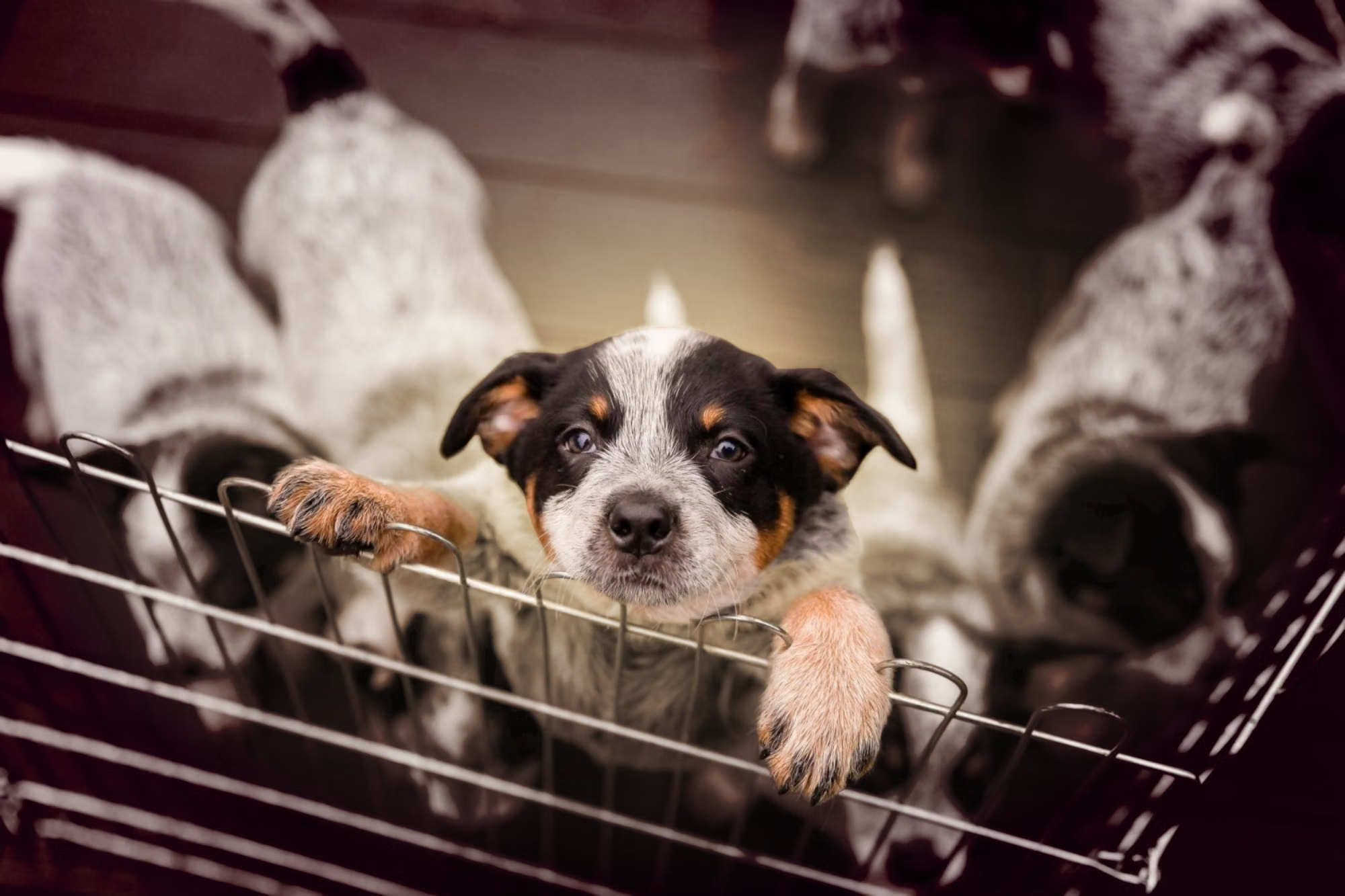
Buying a puppy from a responsible breeder makes the most sense when you want predictability: a specific breed suited to your lifestyle, and documented health testing behind the parents. You pay more up front, typically several times an adoption fee, and you may wait months for a litter, but you get a puppy whose adult size, temperament tendencies, and known health risks are much easier to predict than with a rescue dog of unknown background. This is not automatically the better option for every household. It is the right one for households whose needs specifically call for a known breed and a documented health history. Adopting a dog from a shelter is a genuinely strong alternative for a lot of the same people, and it is worth comparing directly before you decide.
Predictable size, coat, and temperament
A responsible breeder is working within a known breed standard, so a puppy from a litter of Labrador Retrievers is going to grow into a dog with a fairly narrow range of adult size, coat type, and typical energy level. That matters if you have a specific need: a low shedding coat because someone in the house has allergies, a size that fits a small apartment, or an activity level that matches a household that runs or hikes daily. A shelter dog described as a Lab mix can still grow into something quite different from what the intake paperwork guessed, because visual breed guesses are frequently wrong. Neither path guarantees a perfect match, but a breeder bred puppy narrows the range of outcomes considerably.
Health testing you can actually verify
Reputable breeders test breeding parents for the genetic and orthopedic conditions common in that breed before pairing them: hip and elbow scores, eye exams, cardiac clearances, and increasingly, DNA panels for known inherited conditions. Ask to see the actual paperwork rather than taking a breeder's word for it. A legitimate breeder will show it without hesitation. This is a real, verifiable advantage over a shelter puppy, whose genetic background is usually unknown. It is worth reading more about what genetic screening for breeders actually involves so you know what to ask for before you meet a litter.
| Factor | Responsible breeder | Shelter or rescue |
|---|---|---|
| Typical upfront cost | $1,500 to $4,000 or more depending on breed | $50 to $400 adoption fee |