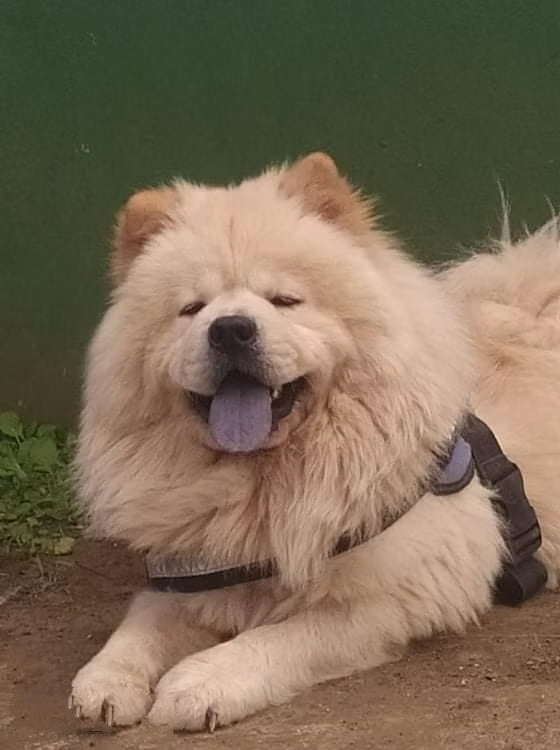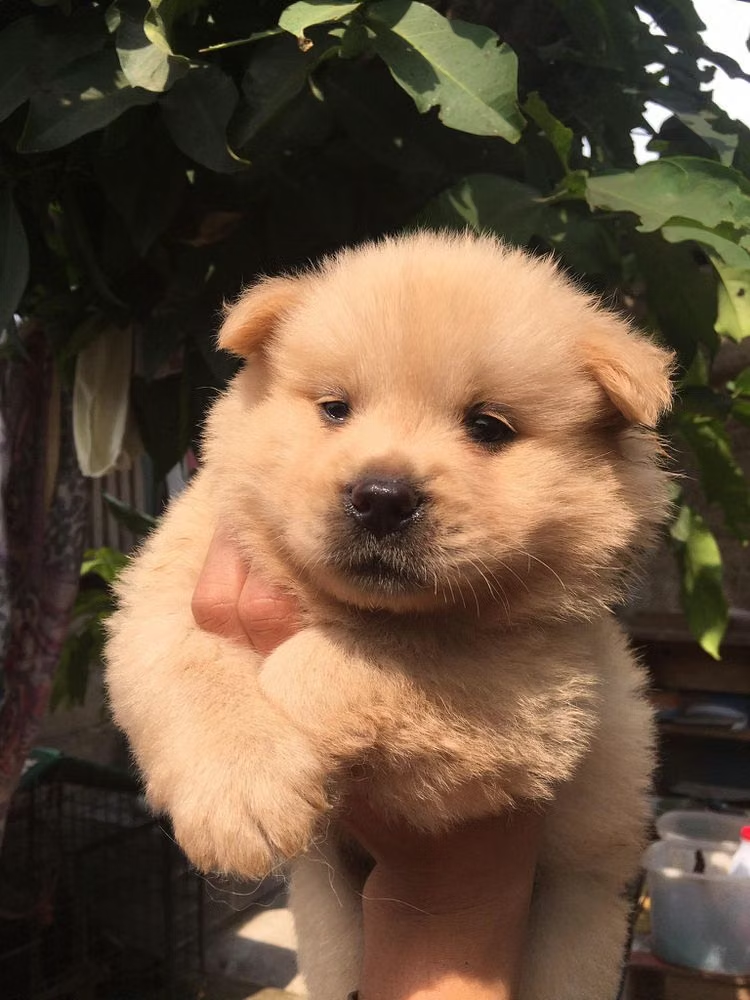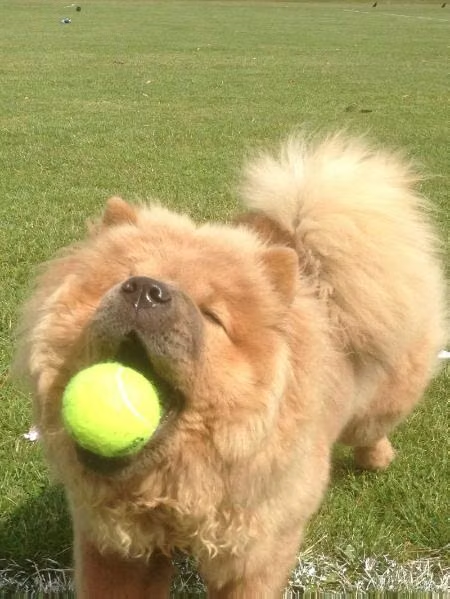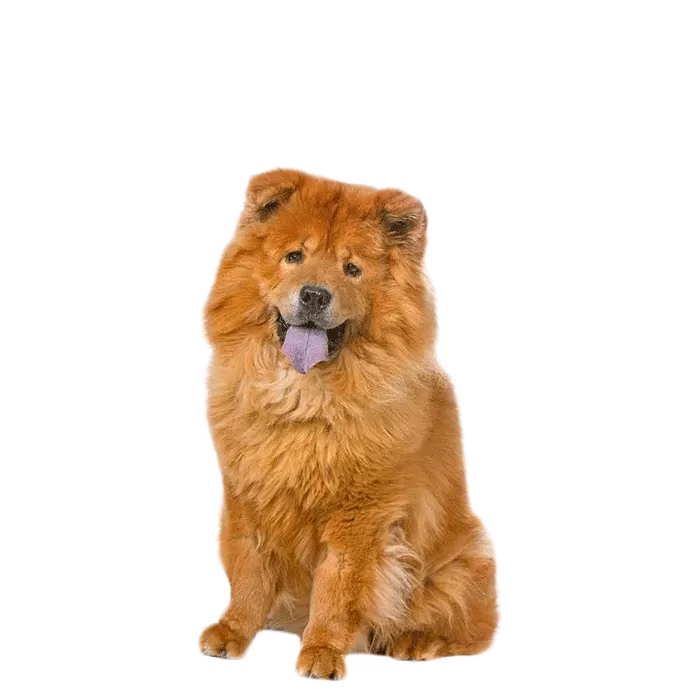
The Chow Chow is a dignified, lion-maned Chinese breed known for its aloof independence and deep loyalty to its chosen family.
How the Chow Chow coat is built, and what that means when you groom it.
Critical: A Chow Chow should not be shaved.
The undercoat keeps heat out as well as in, and the outer coat shields the skin from sun and insect bites. Clipping the whole coat off removes both. It often grows back patchy, soft or a different colour, and in some animals the guard hairs never return properly. Brush the undercoat out instead of cutting it off.
Caution: A Chow Chow coat mats easily.
Fine or long hair tangles at the base of the coat, out of sight, where the mats tighten and pull on the skin. Brushing has to reach right down to the roots in sections, not just skim the surface.
Information: A Chow Chow drops its undercoat in heavy bursts.
The undercoat comes out in heavy bursts over a few weeks. An undercoat rake, or a bath followed by a proper blow-dry, clears it far faster than daily brushing. Clipping the coat down is not a shortcut for this.
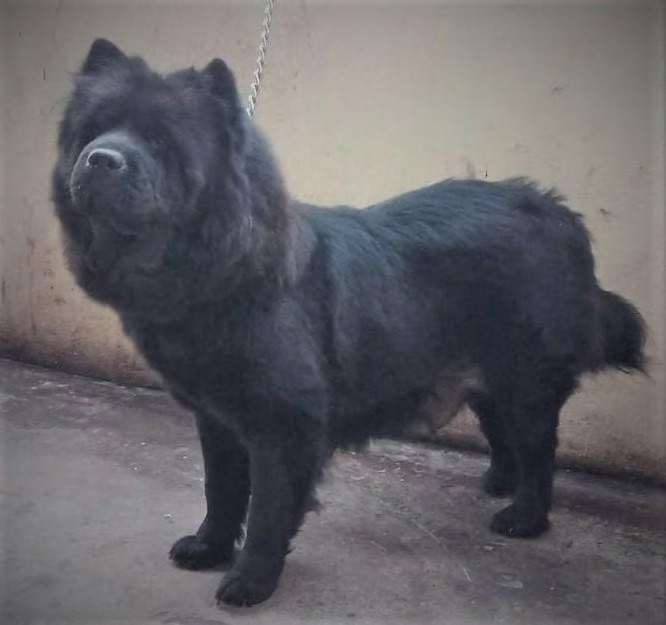
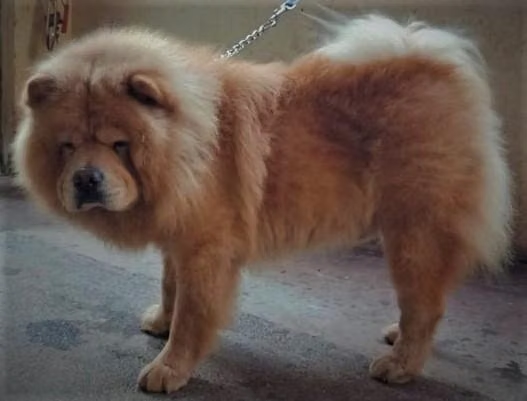
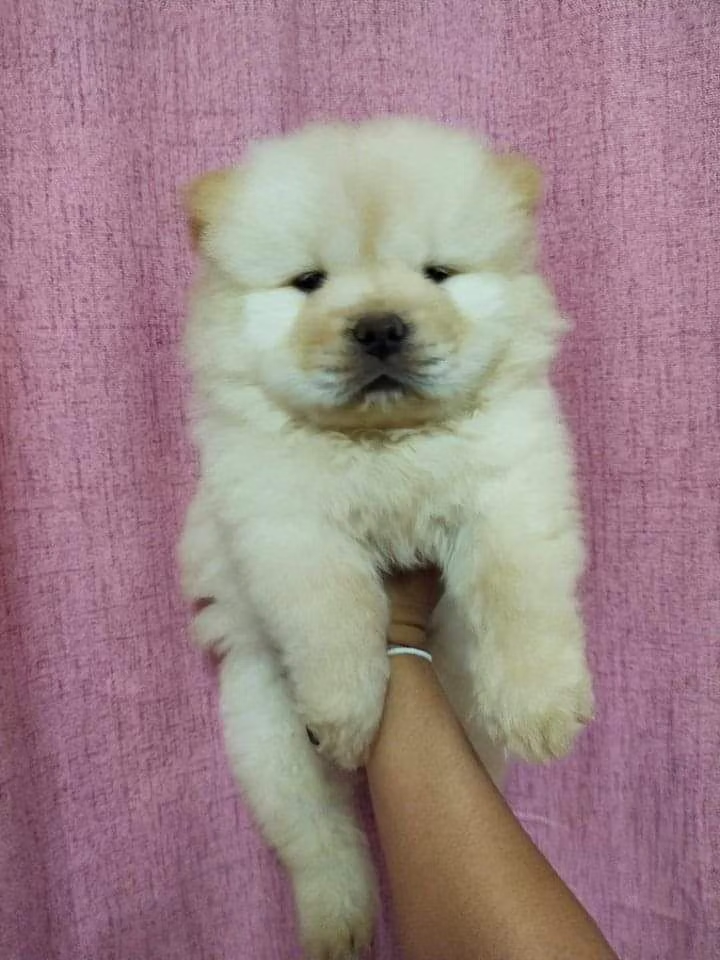
A few of the Chow Chow profiles members have added to United Pet Club.
The Chow Chow is a medium-sized Chinese breed with a lion-like ruff, a dignified and standoffish manner, and a deep bond with its own family.
The Chow Chow is a solid, square-built dog from China, known at a glance for the thick mane around its head and its blue-black tongue. Adults typically stand 43 to 51 cm at the shoulder and weigh 20 to 32 kg, putting the breed in the medium category. The coat comes in two types, rough and smooth, and gives the dog a heavy, compact outline.
Temperament marks the Chow Chow out as much as its looks do. It is loyal and dignified, often settling on one or two people as its true companions while staying reserved with everyone else. It is quiet and self-possessed rather than demonstrative, and plenty of owners liken its manner to that of a cat sizing up the room.
A Chow Chow suits a settled household that leaves it to its own devices. It does not chase attention, and it builds trust through routine rather than boisterous play, so a predictable home matters more than a large garden.
| Attribute | Detail |
|---|---|
| Origin | China |
| Size | Medium (43-51 cm, 20-32 kg) |
| Lifespan | 8-12 years |
| Group/role | Companion and former guardian |
| Good with | Its own household once settled; wary of strangers |
The Chow Chow suits an experienced, patient owner who wants a calm, loyal companion rather than a dog that fusses over every visitor. Early, ongoing socialisation matters because the breed is naturally reserved by nature. Households with young children, or a steady stream of unfamiliar people through the front door, should think carefully about the dog's aloof streak before committing to one.
The Chow Chow is one of the oldest dog types out of China, kept for centuries as a guardian and working dog before it settled into life as a companion breed abroad.
The Chow Chow ranks among the oldest recognisable dog types, with roots in northern China. Dogs resembling the breed turn up in Chinese art from the Han dynasty, close on two thousand years ago, which points to a long presence in the region.
Over the centuries the breed took on several working roles in China. Dogs of this type guarded homes and temples, worked in hunting parties, and pitched in on other practical tasks around the household. The thick double coat was built for the cold northern winters.
The breed reached Britain in the late 1700s and early 1800s through trade with China, and the name Chow Chow is generally traced to a catch-all term for miscellaneous cargo shipped from the East. Interest built through the 1800s, and Queen Victoria's fondness for the breed helped raise its profile in England.
Formal recognition followed as breed clubs took shape. The American Kennel Club recognised the Chow Chow in 1903. From a working background in China, the breed shifted toward life as a companion and show dog across Europe and North America, and that remains its main role today. In South Africa the breed is recognised by the Kennel Union of Southern Africa (KUSA), and it is shown here as it is internationally, within the non-sporting group.
The Chow Chow is a compact, square dog with a dense ruff, a broad head, deep-set eyes, and the breed's trademark blue-black tongue.
The Chow Chow carries a powerful, square body on straight hind legs, which gives it a stiff, deliberate gait unlike most other breeds. The broad skull, full ruff, and small rounded ears set close together give it a scowling, lion-like expression. The tail sits high and is carried over the back. Its most telling feature is the blue-black tongue and dark mouth tissue, found in this breed and barely any other.
| Trait | Standard |
|---|---|
| Height | 43-51 cm (17-20 in) |
| Weight | 20-32 kg (45-70 lb) |
| Coat | Double coat in rough (long) or smooth (short) type |
| Colours | Red, black, blue, cinnamon, cream |
| Eyes | Dark, deep-set, almond-shaped |
Two coat types are recognised. The rough coat is abundant and dense, with a thick outer layer standing off the body and a soft undercoat, heaviest around the neck. The smooth coat is shorter and harsh to the touch but still double-layered. Accepted solid colours are red, black, blue, cinnamon, and cream, sometimes with lighter shading through the coat. The dense undercoat blows out heavily during seasonal coat changes, so expect a proper clean-up twice a year.
The Chow Chow is loyal, independent, and dignified, devoted to its own household while staying reserved or aloof with people it does not know.
The Chow Chow is independent and self-assured, not a breed that needs constant reassurance. It bonds tightly with its family but often singles out one or two favourite people and shows quiet devotion rather than open affection. With strangers it stays watchful and reserved, a trait carried over from its guardian past, so early socialisation is not optional.
With children the Chow Chow can be tolerant of those it grew up alongside, though its low patience for rough handling means supervision is sensible, particularly with toddlers. Around other dogs and household pets it can be territorial or standoffish, and same-sex aggression does occur, so introductions are worth taking slowly. The breed is generally quiet and not one for needless barking, though it will raise the alarm at anything out of place.
| Trait | Rating |
|---|---|
| Affection | 2 |
| Energy | 2 |
| Trainability | 2 |
| Vocalness | 2 |
| Shedding | 4 |
The Chow Chow needs regular brushing of its dense double coat, moderate daily exercise, and a cool, calm environment, which matters wherever you are in South Africa's varied climate.
The Chow Chow suits a calm home and copes with flat living if its exercise needs are met. The heavy coat makes it sensitive to heat, so cool, shaded, well-ventilated space matters, especially in hot Bushveld or coastal regions, while Highveld winters suit the breed's coat well. A securely fenced garden suits its territorial streak.
The Chow Chow needs a measured, balanced diet matched to its life stage, with care taken to avoid overfeeding and the joint strain that comes with excess weight.
The Chow Chow does well on a complete, balanced diet formulated for its size and activity level. Because the breed has moderate energy and a heavy coat that hides weight gain easily, portions should be measured and body condition checked regularly rather than left to guesswork. Diets with controlled fat and adequate protein support a healthy coat and a steady weight. Always keep fresh water available, particularly given how sensitive the breed is to heat.
| Life stage | Amount per day | Meals |
|---|---|---|
| Puppy (2-6 mo) | Per product guide for growth | 3-4 |
| Puppy (6-12 mo) | Per product guide for growth | 2-3 |
| Adult | 2-3 cups (split) | 2 |
| Senior | Adjusted lower for activity | 2 |
Keep treats to a small share of daily calories to prevent weight gain creeping on unnoticed. Joint supplements such as glucosamine may help given the breed's risk of hip and elbow problems, but check with a vet before adding any supplement to the diet.
The Chow Chow lives about 8 to 12 years and is prone to joint, eye, and skin problems linked to its build and heavy coat, alongside tick-borne risks common in South Africa.
The Chow Chow generally lives 8 to 12 years. Its build and dense coat predispose it to a handful of conditions, so routine vet visits and weight control matter. Eye and joint issues are the most common concerns, and the deep coat and facial folds call for regular skin and ear checks, especially in humid regions.
South African owners also need to stay alert to tick-borne biliary, known clinically as canine babesiosis, which is a genuine risk across much of the country and can turn serious within a day or two if missed. Daily tick checks and a reliable tick preventative are worth the trouble, particularly after a walk through long grass or veld.
| Condition | Signs | Note |
|---|---|---|
| Hip dysplasia | Stiffness, limping, reluctance to rise | Worsened by excess weight |
| Elbow dysplasia | Foreleg lameness, swelling | Screen breeding stock |
| Entropion | Eye irritation, tearing, squinting | Eyelid rolls inward; may need surgery |
| Tick-borne biliary (babesiosis) | Lethargy, pale gums, dark urine, fever | Common regional risk; needs urgent vet treatment |
| Skin and ear infections | Odour, redness, scratching | Linked to dense coat and folds |
The Chow Chow is intelligent but independent and stubborn, so it responds best to early, consistent, reward-based training and thorough socialisation.
The Chow Chow is intelligent and more than capable, but strong-willed and not naturally eager to please the way some breeds are. It picks things up quickly when it sees the point, yet may simply decide not to comply, so training calls for patience, consistency, and a calm, firm handler rather than a pushover. Harsh methods tend to backfire badly and erode trust fast. Early, broad socialisation is essential to soften the breed's reserve around strangers and other animals.
Chow Chows reach maturity at one to two years, carry litters for about 63 days, and typically produce four to six puppies that need early socialisation.
Chow Chows reach sexual maturity around 9 to 12 months, but responsible breeders usually hold off until physical and mental maturity at one to two years before mating, with hip, elbow, and eye clearances done beforehand. Gestation runs about 63 days. Litters commonly number four to six puppies. Because of the breed's broad head, some litters need close monitoring at whelping, and having a vet on standby is a sensible precaution.
Newborn puppies rely entirely on the dam for warmth and feeding in the early weeks. Early handling and gentle exposure to people and everyday sights from a young age matter a great deal, since the breed's natural reserve makes early socialisation central to raising a sound, well-adjusted dog. Puppies generally move to new homes from around eight weeks, ideally once KUSA registration and the relevant health clearances are in order.
| Metric | Value |
|---|---|
| Sexual maturity | 9-12 months |
| Recommended breeding age | 1-2 years |
| Gestation | ~63 days |
| Average litter size | 4-6 puppies |
| Weaning age | ~6-8 weeks |
No national chip law protects a Chow Chow here; a free United Pet Club record does, for life, at no cost.
Load your Chow Chow's details once and be done with it: name, date of birth, photo, your cell number, save. The profile is free for his whole life, and it takes a chip number the day the vet supplies one. Dog registration is the start of the paper trail.
The chip is a number; the registry entry is the story behind it. Capture your Chow Chow's 15-digit number in a free United Pet Club account and the story reads: this dog has a home. Every brand is accepted, updates never cost a cent, and the record stays searchable here and abroad. Microchip registration plus a free account does it.
Create a free United Pet Club account, load your Chow Chow's details and a photo, and save. The lifetime plan keeps the profile active at no cost for as long as you have him, chip or no chip.
Load the 15-digit chip number into your free account together with your address and cell number. Registration and every later update are free, and chips from any brand a South African vet implants are accepted.
No national law says so, though the SPCA chips as standard practice and many breeders and welfare groups insist on it. The registration behind the chip is the part that finds you, and with United Pet Club it costs nothing.
Nothing at all. The free lifetime plan covers the profile, the chip record, and unlimited updates, with no annual renewal in sight.
Common questions about the Chow Chow cover its size, temperament, care needs, lifespan, suitability, and where to find one in South Africa.
The Chow Chow is a medium breed, standing about 43 to 51 cm at the shoulder and weighing roughly 20 to 32 kg once fully grown.
It is loyal, independent, and dignified, devoted to its own family while reserved or aloof with strangers. Plenty of owners describe its manner as cat-like.
It needs consistent care. The dense double coat calls for frequent brushing, the breed feels the heat, and its independent streak means training has to be patient and consistent.
The typical lifespan is 8 to 12 years, supported by routine vet care, weight control, tick-borne disease prevention, and screening for joint and eye conditions.
It suits experienced owners better. Its stubbornness, reserve around strangers, and grooming demands make early socialisation and steady handling important from the start.
They can tolerate children they were raised with, under supervision, but their low patience for rough handling and territorial streak mean introductions to children and other pets need care.
Look for a KUSA-registered breeder who health-tests their dogs, or approach a breed-specific rescue group. Choose sources that screen for hip, elbow, and eye conditions before placing puppies.