
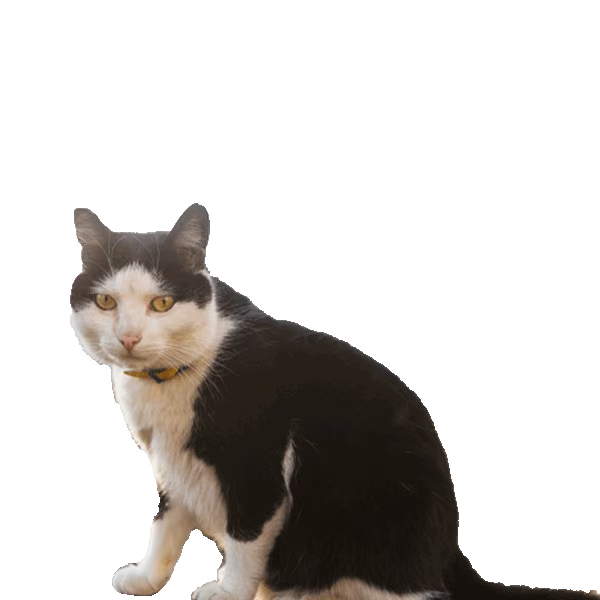
Cyprus
The Cyprus is a friendly, affectionate breed valued for its sociable, easygoing nature and naturally robust island heritage.
- Size
- Medium
- Lifespan
- 12–15 years
- Origin
- Cyprus
- Temperament
- Friendly
Characteristics
Coat and grooming
How the Cyprus coat is built, and what that means when you groom it.
- Coat layers
- Double coat
- Coat texture
- Silky
- Coat length
- Medium
- Shedding
- Moderate shedding
Grooming guidance
Critical: A Cyprus should not be shaved.
The undercoat keeps heat out as well as in, and the outer coat shields the skin from sun and insect bites. Clipping the whole coat off removes both. It often grows back patchy, soft or a different colour, and in some animals the guard hairs never return properly. Brush the undercoat out instead of cutting it off.
Caution: A Cyprus coat mats easily.
Fine or long hair tangles at the base of the coat, out of sight, where the mats tighten and pull on the skin. Brushing has to reach right down to the roots in sections, not just skim the surface.
About the Cyprus Cat
A natural Mediterranean breed that developed on the island of Cyprus over thousands of years. Friendly, easygoing, and well-suited to family life.
The Cyprus is a medium-sized domestic cat with roots stretching back to ancient times on the Mediterranean island of Cyprus. Unlike many modern breeds, it was not engineered through selective breeding programmes, it simply evolved as a natural landrace cat, shaped by island life. The result is a hardy, balanced, and genuinely people-friendly companion. South Africans living in the Western Cape will find an easy parallel: the Mediterranean climate there mirrors the conditions the Cyprus has adapted to for millennia, warm, dry summers and mild wet winters. This cat is built for that kind of world.
| Trait | Detail |
|---|---|
| Origin | Cyprus, Eastern Mediterranean |
| Size | Medium (4–6 kg) |
| Lifespan | 12–15 years |
| Group role | Natural landrace / companion cat |
| Good with | Families, older children, other cats |
The Cyprus suits active households that want an affectionate cat without high-maintenance demands. It is a solid choice for families with older children, multi-cat homes, and owners who appreciate a confident, sociable pet that does not demand constant attention but genuinely enjoys your company.
History
One of the oldest known domestic cats, with a presence on Cyprus dating back to Neolithic times.
The history of the Cyprus cat is remarkably deep. Archaeological evidence places domestic cats on the island of Cyprus as far back as 9 500 years ago, making this one of the earliest documented associations between humans and cats anywhere in the world. For most of that history, Cyprus cats lived alongside farming communities and in village settings, earning their place by keeping rodent populations in check.
Unlike breeds developed in Western Europe or North America through formal breeding clubs and studbooks, the Cyprus cat remained largely unrecognised by international cat fancy organisations until relatively recently. Efforts to establish a formal breed standard and seek recognition have gained momentum in the twenty-first century, driven largely by enthusiasts on the island itself.
The breed's gene pool reflects its island origins, shaped by natural selection over thousands of years rather than human intervention. This background contributes to its overall hardiness and genetic diversity. For cat lovers in South Africa, where most pedigree breeds arrived via European breeding lines, the Cyprus represents something genuinely different: a cat whose character was forged by the land itself.
Appearance
A balanced, athletic cat with a short to medium coat, expressive eyes, and a natural, unexaggerated look.
The Cyprus has a well-proportioned, athletic build that reflects its origins as a working farm and village cat. There is nothing extreme about its conformation, no flattened face, no folded ears, no exaggerated features. The head is rounded with a moderately broad skull, the ears are medium to large and set well apart, and the eyes are large and notably expressive. Overall, it is a handsome cat that looks exactly like what it is: a healthy, capable animal.
| Feature | Description |
|---|---|
| Height | Medium frame, moderately long legs |
| Weight | 4–6 kg (females typically lighter) |
| Coat | Short to medium length, close-lying, low-maintenance |
| Colours | Tabby, solid, bicolour, and many other patterns accepted |
| Eyes | Large, expressive; green, amber, and other colours occur |
The coat is one of the Cyprus's most practical features. It is short to medium in length, lies close to the body, and has a natural texture that requires very little intervention to stay in good condition. Tabby patterns are common, as are solid coats and bicolour combinations, there is no single defining coat type, which reflects the breed's diverse natural origins. The eyes are a standout feature: large, open, and warm in expression, they give the Cyprus a particularly engaging and approachable face.
Temperament
Warm, people-oriented, and confident, the Cyprus is a sociable cat that bonds closely with its family.
If you are looking for a cat that genuinely enjoys people, the Cyprus delivers. This is not a standoffish breed that tolerates humans from a distance, it actively seeks out company and forms close bonds with its household. It is gentle and patient with older children, and it tends to be confident rather than anxious around visitors.
The Cyprus carries a fair amount of energy. It enjoys active play, climbing, and exploring its environment, but it balances this with a calm, easygoing side that makes it pleasant to live with. It is not overly vocal, you will not be woken at night by persistent yowling, but it will make its needs known when it wants to. Overall, the Cyprus is the kind of cat that fits comfortably into family routines without being demanding or difficult.
| Trait | Rating (out of 5) |
|---|---|
| Affection | 5 |
| Energy | 4 |
| Trainability | 3 |
| Vocalness | 2 |
| Shedding | 3 |
Care
Low-maintenance grooming combined with a need for daily play and mental stimulation. An enriched indoor environment suits the South African context well.
The Cyprus is one of the more straightforward cats to care for. Its coat does not mat or tangle easily, and its general constitution is robust. That said, good daily care and a stimulating environment will keep it healthy and content throughout its life.
Grooming
- Brush the coat once a week under normal conditions; increase to two or three times a week during the spring and autumn coat changes
- Check and gently clean the ears weekly, look for dirt, redness, or unusual odour
- Trim the claws every two to three weeks to prevent snagging and overgrowth
- Brush the teeth regularly using cat-safe toothpaste; starting this habit early makes a real difference
Exercise and Enrichment
- Aim for at least two dedicated play sessions per day using wand toys, feather teasers, or similar interactive toys
- A sturdy cat tree or wall-mounted shelves give the Cyprus a climbing outlet and a sense of territory
- Rotate toys regularly to keep things interesting; puzzle feeders are an excellent way to engage the Cyprus's active mind
- In South Africa, outdoor access comes with genuine risks, wildlife encounters, traffic, disease, and tick and flea exposure are all real concerns. A well-enriched indoor environment, or a secure outdoor enclosure, is strongly recommended
Environment
The Cyprus adapts readily to indoor living when given enough stimulation. In warmer parts of South Africa, ensure the home stays cool in summer, while the breed is Mediterranean in origin, cats in general do not cope well with extreme heat. Provide cool, shaded resting spots and ensure fresh water is always available.
Nutrition
Feed a complete commercial cat food appropriate for the cat's life stage, and always provide fresh water.
Like all cats, the Cyprus is an obligate carnivore, it must get its nutrients from animal-based protein and cannot thrive on a plant-based diet. A complete and balanced commercial cat food (wet, dry, or a combination) that meets the nutritional standards for its life stage is the simplest way to meet its needs. Adjust portions according to the cat's age, weight, body condition, and activity level. Fresh, clean water must always be available; this is especially important in South Africa's warmer months.
| Life Stage | Meals per Day | Approximate Portion |
|---|---|---|
| Kitten (up to 12 months) | 3–4 | Follow product guidelines; kittens need more energy per kg than adults |
| Adult (1–7 years) | 2 | 50–70 g dry food per day, split across two meals (adjust for wet food or mixed feeding) |
| Senior (7+ years) | 2 | Adjusted portions, senior cats often need fewer calories but higher protein; consult your vet |
Treats are a useful training and bonding tool, but they should make up no more than 10% of your cat's daily calorie intake. Choose cat-specific treats and avoid anything seasoned or processed for human consumption.
Health
A hardy natural breed with a lifespan of 12–15 years. Preventive care and regular vet visits go a long way.
The Cyprus benefits from the genetic diversity that comes with being a natural landrace breed rather than a heavily line-bred pedigree. It is generally a healthy cat with a good lifespan of 12 to 15 years. That said, no cat is immune to common health concerns, and routine preventive care remains essential throughout its life.
| Condition | Signs to Look Out For | Note |
|---|---|---|
| Dental disease | Bad breath, reluctance to eat, pawing at mouth, drooling | Very common in cats; regular tooth brushing and professional dental checks help prevent it |
| Obesity | Visible weight gain, reduced activity, difficulty grooming the lower back | Often caused by overfeeding and insufficient exercise; especially relevant for indoor cats |
| Parasites | Scratching, hair loss, visible fleas or ticks, changes in stool | In South Africa, tick and flea prevention is essential year-round given the climate |
| Kidney disease | Increased thirst and urination, weight loss, reduced appetite, vomiting | More common in older cats; early detection through blood and urine tests makes a real difference |
Preventive Care Checklist
- Keep vaccinations current, your vet will advise on the appropriate schedule for South Africa's disease landscape
- Book an annual wellness check even when your cat seems healthy; many conditions are easier to manage when caught early
- Maintain a lean body condition, ribs should be easily felt but not visible
- Arrange regular dental examinations as part of annual check-ups
- Neuter or spay your cat unless you are actively and responsibly involved in a breeding programme; this reduces roaming, certain cancers, and unwanted litters
Training
Intelligent and sociable, the Cyprus responds well to reward-based training. Short, consistent sessions work best.
The Cyprus is an intelligent cat that picks up on routines quickly. While cats are not as readily trained as dogs, the Cyprus's sociable nature and interest in interaction make it more receptive to guidance than many breeds. The key is to work with its instincts rather than against them.
Getting Started
- Set up the litter tray in a quiet, accessible location from day one, most cats will use it without prompting once shown where it is
- Introduce a scratching post early and reward the cat with treats or praise whenever it uses it; this redirects natural scratching behaviour away from furniture
- Handle paws, ears, and teeth gently and regularly from a young age to make vet visits and grooming much less stressful for everyone
- Teach simple cues like 'come' or 'sit' using small, tasty treats and calm, consistent repetition, keep sessions short (five minutes or less) to hold attention
- Redirect unwanted behaviour calmly rather than punishing, a sharp 'no' and an immediate alternative works far better than any form of physical correction
Basics
- Set up a clean, quiet litter tray early and keep it consistent.
- Reward use of the scratching post to protect furniture.
- Get the cat used to gentle handling, carriers, and grooming from a young age.
- Teach simple cues such as coming when called by pairing them with a treat.
- Redirect unwanted behavior to an acceptable activity instead of punishing it.
Breeding
A natural seasonal breeder. Responsible breeders wait until the female is fully mature and screen for general health before pairing.
The Cyprus is a natural breed, and its breeding patterns reflect this. Females typically reach sexual maturity between five and ten months of age, but responsible breeders do not mate a queen at her first season, they wait until she is physically and mentally mature, usually well into her second year. Like many cats, Cyprus females are seasonally polyoestrous, meaning they cycle in response to daylight hours rather than at fixed intervals throughout the year.
Gestation runs 63 to 65 days, and litters average four to six kittens. The queen is generally a capable and attentive mother. Kittens should stay with their mother until at least twelve weeks of age, this socialisation period is critical for behavioural development and immune support from nursing.
For anyone breeding Cyprus cats in South Africa, where the breed is rare, it is important to maintain thorough health records, keep vaccinations current in breeding animals, and prioritise the welfare of the queen and kittens above any commercial considerations. Given the breed's scarcity in the country, responsible breeding and careful rehoming are especially important.
| Factor | Detail |
|---|---|
| Sexual maturity (female) | 5–10 months; responsible breeders wait until fully grown |
| Gestation period | 63–65 days |
| Average litter size | 4–6 kittens |
| Weaning age | Around 8 weeks, with solid food introduction from 4 weeks |
| Recommended rehoming age | 12 weeks minimum |
A registered Cyprus: the record behind the chip
Free lifetime registration for your Cyprus with United Pet Club, searchable by every SPCA branch, at home and abroad.
Registering a Cyprus in South Africa
A gate left open for the gardener is all it takes for a homebody Cyprus to go missing. Her free United Pet Club profile keeps your details one scan away, wherever she turns up. Register your cat once, free, and the record outlasts every house move.
If a chip is already under her skin, finish the job by recording the number. Register the microchip on the free lifetime plan: any brand a South African vet implants is accepted, updating after a move between provinces costs nothing, and the record is searchable around the clock. Create your free account and cover cat and chip together.
How do I register my Cyprus in South Africa?
Sign up for a free United Pet Club account, add her name, colouring, and a photo, and save. The lifetime plan holds the profile at no cost for her whole life, indoors or out.
How do I register my Cyprus's microchip?
Capture the 15-digit number from your vet's paperwork in your free account with your current contact details. The plan accepts every chip brand and never charges for the record or its updates.
Do cats have to be microchipped in South Africa?
No law requires it, but the SPCA recommends it and shelters chip on adoption as a matter of course. A chip only speaks for a Cyprus once the number is registered, and that registration is free here.
What does registering a Cyprus cost?
Not a rand. Profile, microchip record, and every update are covered by the free lifetime plan, with nothing to renew.
Frequently Asked Questions
Common questions about the Cyprus cat from South African cat lovers.
How big does a Cyprus cat get?
The Cyprus is a medium-sized cat, typically weighing between 4 and 6 kg when fully grown. Females tend to be on the lighter end of that range and males towards the heavier end. It has an athletic, well-proportioned build, not a large breed, but solidly built and capable-looking.
What is the Cyprus cat's temperament like?
Warm, friendly, and genuinely sociable. The Cyprus bonds closely with its family and enjoys being part of daily life. It is confident without being demanding, playful without being hyperactive, and calm enough to be comfortable in most household environments. It generally gets on well with older children and other cats.
Is the Cyprus cat difficult to care for?
No, it is one of the more straightforward breeds to look after. Its coat is low-maintenance, its general health is good, and it does not have the extreme grooming or health needs of some pedigree breeds. Daily play and a stimulating environment are the main things it needs beyond basic food, water, and routine vet care.
How long does a Cyprus cat live?
A well-cared-for Cyprus typically lives between 12 and 15 years. As a natural landrace breed with good genetic diversity, it tends to be hardy. Regular vet check-ups, a healthy diet, appropriate weight management, and keeping vaccinations and parasite prevention up to date all contribute to a long, healthy life.
Is the Cyprus a good family pet in South Africa?
Yes, it suits South African family life very well. Its warm, adaptable temperament makes it comfortable in active households. For families in the Western Cape particularly, the breed's Mediterranean origins mean it is well-suited to the local climate. Keeping it safely indoors or in a secure outdoor enclosure is recommended given South Africa's outdoor risks, ticks, wildlife, and traffic are genuine hazards for free-roaming cats.
Can I find a Cyprus cat in South Africa?
The Cyprus is rare in South Africa. It is a common cat on its home island and relatively well-known in parts of Europe and the Middle East, but it has not yet established a significant breeding presence in South Africa. If you are determined to find one, your best options are to connect with international breed registries or specialist breeders abroad, or to watch for occasional imports through reputable South African cat fancy channels. Be patient and do your homework, a well-bred Cyprus from a responsible source is worth waiting for.
Does the Cyprus cat need a companion?
The Cyprus is a sociable breed that genuinely enjoys company. While it can adapt to being an only cat if given plenty of human interaction and enrichment, it typically thrives in a multi-cat household or with a companion pet it gets on with. If you are away from home for long hours, a second cat is a worthwhile consideration, it makes a real difference to the Cyprus's day-to-day contentment.