
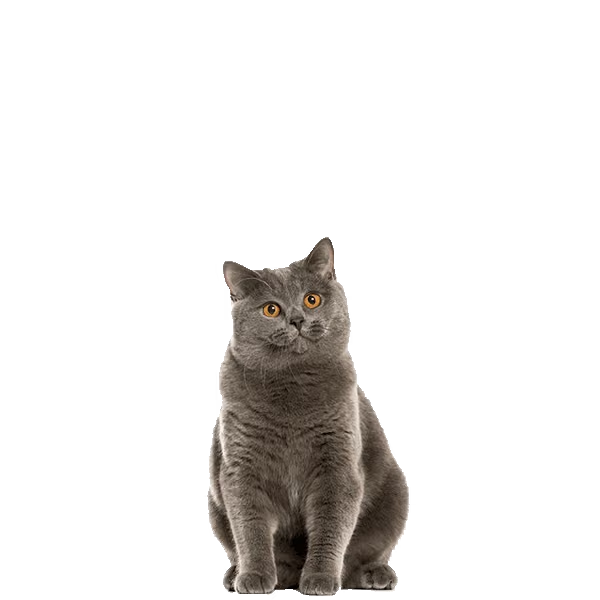
Chartreux
The Chartreux is a calm, gentle breed treasured for its plush blue-grey coat, quiet voice, and devoted, easygoing companionship.
- Size
- Medium
- Lifespan
- 12–15 years
- Origin
- France
- Temperament
- Calm
- Standard colors
- Blue
Characteristics
Coat and grooming
How the Chartreux coat is built, and what that means when you groom it.
- Coat layers
- Double coat
- Coat texture
- Plush
- Coat length
- Short
- Shedding
- Seasonal shedding
Grooming guidance
Critical: A Chartreux should not be shaved.
The undercoat keeps heat out as well as in, and the outer coat shields the skin from sun and insect bites. Clipping the whole coat off removes both. It often grows back patchy, soft or a different colour, and in some animals the guard hairs never return properly. Brush the undercoat out instead of cutting it off.
Information: A Chartreux drops its undercoat in heavy bursts.
The undercoat comes out in heavy bursts over a few weeks. An undercoat rake, or a bath followed by a proper blow-dry, clears it far faster than daily brushing. Clipping the coat down is not a shortcut for this.
Chartreux colors and patterns
What each club's breed standard says about every Chartreux color and pattern. Point at a ruling to see the club's own wording.
Breed standards describe the Chartreux in Blue. Standard patterns: Solid.
| Color or pattern | TICA | CFA | FIFE | GCCF |
|---|---|---|---|---|
| Blue | Standard (“Blue”) | Standard (“blue-gray”) | Standard (“blue”) | Standard (“greyish blue”) |
| Patterns | ||||
| Solid | Standard (“Solid”) | No ruling | Standard (“solid”) | No ruling |
| Pointed | No ruling | No ruling | No ruling | Not recognised (“colourpoint”) |

%22%3E%3Cpath%20d%3D%22M5.5%2017L7.5%207L12%2015ZM14%2015L17.5%207L20%2018.5Z%22%20fill%3D%22%23847865%22%2F%3E%3Cellipse%20cx%3D%227.6%22%20cy%3D%2223.6%22%20rx%3D%225%22%20ry%3D%225.2%22%20fill%3D%22%23847865%22%2F%3E%3Crect%20x%3D%220%22%20y%3D%2244%22%20width%3D%2264%22%20height%3D%2220%22%20fill%3D%22%23847865%22%2F%3E%3Cpath%20d%3D%22M50%2027L53.5%205L64%203L64%2013L59%2024L53%2033Z%22%20fill%3D%22%23847865%22%2F%3E%3C%2Fg%3E%3Cuse%20href%3D%22%23s%22%20fill%3D%22none%22%20stroke%3D%22%233B2A20%22%20stroke-opacity%3D%220.6%22%20stroke-width%3D%221%22%20stroke-linejoin%3D%22round%22%2F%3E%3Cpath%20d%3D%22M3.4%2022.3L5.4%2022.5L4.3%2024Z%22%20fill%3D%22%23E8A0B4%22%2F%3E%3Ccircle%20cx%3D%229.6%22%20cy%3D%2221.2%22%20r%3D%221.1%22%20fill%3D%22%231C1C1C%22%2F%3E%3C%2Fsvg%3E)
| Color or pattern | TICA | CFA | FIFE | GCCF |
|---|---|---|---|---|
| Orange | Standard (“orange”) | Standard (“orange”) | No ruling | No ruling |
| Copper | Standard (“copper”) | Standard (“copper”) | Standard (“deep copper”) | Standard (“copper”) |
| Yellow | No ruling | No ruling | Standard (“deep yellow”) | Standard (“yellow”) |
| Gold | Standard (“gold”) | Standard (“gold”) | No ruling | No ruling |
| Green | Disqualifying (“Green”) | Disqualifying (“green”) | Not recognised (“green”) | Disqualifying (“Green”) |
| Color or pattern | TICA | CFA | FIFE | GCCF |
|---|---|---|---|---|
| Blue | No ruling | No ruling | Standard (“blue-grey”) | No ruling |
| Slate | Standard (“slate gray”) | Standard (“slate gray”) | No ruling | Standard (“slate grey”) |
| Color or pattern | TICA | FIFE |
|---|---|---|
| Blue | Standard (“blue with rose-taupe overtones”) | Standard (“blue-grey”) |
What the rulings mean
- Standard
- Described by the club's breed standard.
- Disqualifying
- The club's breed standard disqualifies an animal of this colour or pattern.
- Not recognised
- The club does not accept this colour or pattern for the breed.
Color changes
How a Chartreux's colors can change over its life.
Bluechanges toTortoiseshell
Coat · With age
Tabbychanges toSolid
Coat · With age · from 0 to 104 weeks
Solidchanges toSmoke
Coat · With age · from 3 to 104 weeks
%22%3E%3Cg%20fill%3D%22%23A6402A%22%3E%3Cpath%20d%3D%22M33.4%2041.5C32.7%2042.3%2029.1%2042.6%2027.6%2042.6C26.1%2042.6%2024.8%2042.1%2024.2%2041.4C23.7%2040.8%2024.1%2039.5%2024.4%2038.7C24.7%2037.9%2025.4%2037.1%2026.1%2036.6C26.7%2036.2%2027.1%2036.1%2028.2%2036C29.4%2035.8%2032.3%2035.3%2032.9%2035.7C33.5%2036.1%2031.8%2037.2%2031.9%2038.2C32%2039.1%2034.1%2040.8%2033.4%2041.5ZM43.8%2021C44.8%2021.8%2044.6%2022.4%2045.1%2023.5C45.7%2024.7%2047.5%2026.8%2047.1%2027.9C46.8%2029.1%2044.4%2030.1%2042.9%2030.2C41.5%2030.3%2039.7%2029.4%2038.4%2028.8C37.2%2028.1%2035.9%2027.2%2035.5%2026.3C35%2025.3%2035.4%2024.2%2036%2023C36.5%2021.8%2037.3%2019.3%2038.6%2019C39.9%2018.6%2042.7%2020.3%2043.8%2021ZM32.1%2031.7C30.8%2031.1%2027.1%2030.8%2026.3%2030.2C25.5%2029.5%2026%2028.5%2027.2%2027.9C28.4%2027.2%2031.6%2026.4%2033.4%2026.5C35.1%2026.5%2036.4%2027.9%2037.7%2028.4C38.9%2028.9%2040.6%2029.1%2040.9%2029.6C41.2%2030.2%2040.6%2031.1%2039.5%2031.7C38.5%2032.4%2035.8%2033.6%2034.5%2033.6C33.3%2033.6%2033.5%2032.3%2032.1%2031.7ZM14.2%2025.9C14.7%2025.4%2017.6%2025%2018.9%2025C20.2%2024.9%2021.2%2025.1%2022.2%2025.4C23.2%2025.6%2024.4%2025.9%2024.9%2026.4C25.5%2026.8%2025.8%2027.3%2025.7%2027.8C25.7%2028.3%2025.4%2029.2%2024.5%2029.4C23.6%2029.6%2021.8%2029.2%2020.3%2029C18.8%2028.8%2016.5%2028.7%2015.5%2028.2C14.5%2027.7%2013.6%2026.5%2014.2%2025.9ZM12.7%2024.9C11.2%2024.1%208.1%2024.5%207.7%2023.6C7.4%2022.8%209.8%2020.5%2010.7%2019.8C11.7%2019.1%2012.2%2019.6%2013.3%2019.5C14.3%2019.4%2015.7%2018.9%2017.1%2019.1C18.5%2019.3%2021.2%2019.9%2021.7%2020.8C22.3%2021.6%2021.1%2023%2020.3%2024.3C19.5%2025.6%2018.3%2028.2%2017%2028.3C15.7%2028.4%2014.2%2025.7%2012.7%2024.9ZM4.1%2022.6C5%2021.8%209.9%2021.6%2011.1%2022.2C12.2%2022.8%2010.7%2025.1%2011%2026.1C11.2%2027.2%2012.6%2027.6%2012.8%2028.5C12.9%2029.3%2012.9%2030.8%2011.9%2031.2C10.9%2031.6%208.2%2031.1%206.8%2030.9C5.4%2030.7%203.9%2030.6%203.6%2029.9C3.3%2029.2%205.2%2027.9%205.2%2026.7C5.3%2025.5%203.1%2023.3%204.1%2022.6ZM44.6%2058.9C43.2%2058.4%2041.4%2057.6%2040.5%2056.7C39.7%2055.9%2038.9%2054.4%2039.5%2053.7C40.1%2053%2042.8%2053.2%2043.9%2052.4C45.1%2051.5%2045.7%2048.8%2046.6%2048.6C47.5%2048.4%2048.7%2050.2%2049.1%2051.3C49.6%2052.3%2049.3%2053.4%2049.2%2054.9C49.2%2056.4%2049.8%2059.5%2049%2060.1C48.3%2060.8%2046%2059.5%2044.6%2058.9Z%22%2F%3E%3Cpath%20d%3D%22M13.4%2021.1C13.1%2021.7%2011.8%2022%2010.3%2022.4C8.8%2022.9%205.2%2023.9%204.3%2023.6C3.4%2023.3%205.5%2021.4%204.8%2020.6C4.1%2019.8%200.1%2019.3%200.2%2018.9C0.3%2018.4%203.6%2018.1%205.3%2017.8C7%2017.6%209.3%2017.2%2010.4%2017.3C11.5%2017.4%2011.7%2018%2012.2%2018.6C12.7%2019.2%2013.8%2020.4%2013.4%2021.1ZM19.7%2020.4C18.8%2020.9%2017.5%2019.9%2016.2%2019.7C14.9%2019.4%2012.5%2019.9%2011.8%2019C11.2%2018%2011.6%2015.2%2012.4%2014.3C13.3%2013.3%2015.6%2013.6%2016.8%2013.4C18.1%2013.3%2019.1%2013.2%2019.9%2013.3C20.8%2013.4%2021.5%2013.5%2021.7%2014C22%2014.5%2021.8%2015.4%2021.5%2016.5C21.1%2017.5%2020.6%2019.8%2019.7%2020.4ZM34.3%2048.7C33.9%2048%2035%2046.2%2035%2044.7C35.1%2043.2%2034.2%2040.4%2034.6%2039.4C35.1%2038.5%2036.2%2038.8%2037.5%2038.9C38.9%2039.1%2042.1%2039.5%2042.7%2040.3C43.2%2041.2%2040.9%2042.8%2040.7%2044.1C40.6%2045.4%2042.3%2047.5%2041.8%2048.3C41.3%2049.1%2038.8%2048.7%2037.5%2048.7C36.3%2048.8%2034.8%2049.3%2034.3%2048.7ZM40.6%2033.5C40.2%2032.1%2038.2%2031.9%2038.5%2030.8C38.7%2029.8%2041.1%2027.9%2042.2%2027.2C43.3%2026.6%2044.6%2026.3%2045.3%2027.1C45.9%2027.8%2046%2030.2%2046.4%2031.6C46.7%2032.9%2047.4%2034.1%2047.2%2035.2C47%2036.4%2046.4%2037.8%2045.2%2038.5C44.1%2039.2%2041.1%2040.3%2040.3%2039.4C39.5%2038.6%2040.9%2035%2040.6%2033.5ZM27.8%2024.7C27%2023.4%2027.6%2020.6%2028%2019.3C28.3%2018%2028.9%2017.8%2030%2017C31%2016.1%2033.4%2014%2034.2%2014.1C35%2014.3%2034.3%2016.9%2034.9%2018.1C35.5%2019.3%2037.9%2020.5%2037.8%2021.2C37.7%2022%2035.1%2021.9%2034.2%2022.8C33.3%2023.8%2033.7%2026.8%2032.7%2027.1C31.6%2027.4%2028.5%2026%2027.8%2024.7ZM24.5%2050.5C23.4%2050.6%2022.7%2048.1%2022.1%2047.5C21.6%2046.9%2021.5%2047.5%2020.9%2046.8C20.3%2046%2018.2%2043.9%2018.4%2043.2C18.6%2042.6%2020.6%2043.2%2022.1%2042.9C23.6%2042.6%2026.4%2041.1%2027.3%2041.4C28.2%2041.7%2027.3%2043.8%2027.5%2044.7C27.7%2045.6%2029%2045.8%2028.5%2046.8C28%2047.7%2025.5%2050.4%2024.5%2050.5ZM49.9%2046.9C48.9%2047.3%2046.2%2047%2045.3%2046.6C44.3%2046.3%2044.2%2045.5%2044%2044.6C43.8%2043.7%2043.8%2041.9%2044.2%2041.2C44.6%2040.6%2045.6%2040.7%2046.2%2040.5C46.9%2040.3%2047.4%2039.8%2048.2%2040.1C49%2040.3%2050.4%2041.2%2050.8%2041.9C51.3%2042.6%2051.2%2043.3%2051.1%2044.1C50.9%2045%2050.8%2046.5%2049.9%2046.9Z%22%2F%3E%3Cpath%20d%3D%22M23.4%2058.2C22.3%2058.9%2020.7%2061.5%2020.2%2061.2C19.7%2060.9%2020.6%2058%2020.2%2056.3C19.8%2054.6%2017.8%2052.5%2017.9%2051.1C17.9%2049.6%2019.7%2047.9%2020.7%2047.7C21.6%2047.5%2022.8%2049%2023.6%2049.8C24.3%2050.6%2024.6%2051.1%2025.1%2052.3C25.6%2053.6%2027%2056.2%2026.7%2057.2C26.4%2058.2%2024.4%2057.6%2023.4%2058.2ZM50.2%2017.9C51%2018.5%2052.1%2021.9%2052.1%2023.2C52%2024.5%2050.5%2025.2%2050%2025.8C49.5%2026.4%2049.7%2026.4%2049%2026.8C48.4%2027.1%2046.8%2028.5%2046.3%2028.1C45.8%2027.7%2046.3%2025.6%2046.2%2024.5C46%2023.5%2045.4%2022.5%2045.5%2021.7C45.7%2020.9%2046.3%2020.3%2047%2019.7C47.8%2019.1%2049.4%2017.3%2050.2%2017.9Z%22%2F%3E%3C%2Fg%3E%3Cpath%20d%3D%22M18.9%2037.1h.1M44.8%2032.6h.1M39.4%2020.9h.1M26.4%2038.1h.1M31.6%2025.6h.1M32.5%2038.6h.1M48.1%2025h.1M56.5%2014.7h.1M16.4%2022.9h.1M45.4%2042.6h.1M12.2%2025.5h.1M15.6%2014.7h.1M44.2%2026.5h.1M47.1%2050.9h.1M7.7%2021.4h.1M25.8%2025.2h.1M38%2041.5h.1M21.9%2028.5h.1M17%2043.1h.1M26.4%2033.5h.1M7.6%2012h.1M56.3%2022.8h.1%22%20fill%3D%22none%22%20stroke%3D%22%231C1C1C%22%20stroke-width%3D%222%22%20stroke-linecap%3D%22round%22%20stroke-linejoin%3D%22round%22%2F%3E%3Cpath%20d%3D%22M48.6%2029.8h.1M8.5%2028.3h.1M21.9%2030h.1M48.5%2042.7h.1M18.7%2047.5h.1M45.4%2052.3h.1M27.7%2036h.1M34%2029.5h.1M44.5%2039.6h.1M57.5%2017.2h.1M31.4%2026.1h.1M17.5%2025.8h.1M22.4%2051.3h.1M14.5%2019h.1M55.2%2012.8h.1M22.2%2039.1h.1M18.9%2021h.1M36.4%2037.7h.1M58.8%208.8h.1M7.2%2016.6h.1M26.4%2030h.1M38.5%2047.6h.1%22%20fill%3D%22none%22%20stroke%3D%22%23A6402A%22%20stroke-width%3D%222%22%20stroke-linecap%3D%22round%22%20stroke-linejoin%3D%22round%22%2F%3E%3C%2Fg%3E%3Cuse%20href%3D%22%23s%22%20fill%3D%22none%22%20stroke%3D%22%233B2A20%22%20stroke-opacity%3D%220.6%22%20stroke-width%3D%221%22%20stroke-linejoin%3D%22round%22%2F%3E%3Cpath%20d%3D%22M3.4%2022.3L5.4%2022.5L4.3%2024Z%22%20fill%3D%22%23E8A0B4%22%2F%3E%3Ccircle%20cx%3D%229.6%22%20cy%3D%2221.2%22%20r%3D%221.1%22%20fill%3D%22%231C1C1C%22%2F%3E%3C%2Fsvg%3E)
%22%3E%3Cpath%20d%3D%22M20%2021Q34%2018.8%2048%2022%22%20fill%3D%22none%22%20stroke%3D%22%231C1C1C%22%20stroke-width%3D%222.2%22%20stroke-linecap%3D%22round%22%20stroke-linejoin%3D%22round%22%2F%3E%3Cpath%20d%3D%22M25%2021.5q3%206%20-.5%2016M31.5%2020.8q3%207%20-.5%2016.6M38%2021q3%207%20-.5%2016.6M44.5%2022q2.6%206%20-.5%2014%22%20fill%3D%22none%22%20stroke%3D%22%231C1C1C%22%20stroke-width%3D%222.6%22%20stroke-linecap%3D%22round%22%20stroke-linejoin%3D%22round%22%2F%3E%3Cpath%20d%3D%22M15%2044H50M15%2048H50%22%20fill%3D%22none%22%20stroke%3D%22%231C1C1C%22%20stroke-width%3D%221.8%22%20stroke-linecap%3D%22round%22%20stroke-linejoin%3D%22round%22%2F%3E%3Cpath%20d%3D%22M50%2022H62M51%2017H62M52%2012H63%22%20fill%3D%22none%22%20stroke%3D%22%231C1C1C%22%20stroke-width%3D%221.8%22%20stroke-linecap%3D%22round%22%20stroke-linejoin%3D%22round%22%2F%3E%3Ccircle%20cx%3D%2259.8%22%20cy%3D%227.8%22%20r%3D%222%22%20fill%3D%22%231C1C1C%22%2F%3E%3Cpath%20d%3D%22M12.6%2015.5l.6%204.2M15%2015.5l-.2%204.2M9%2025.2l4.6%201M9.6%2027.4l4%20.2%22%20fill%3D%22none%22%20stroke%3D%22%231C1C1C%22%20stroke-width%3D%221.1%22%20stroke-linecap%3D%22round%22%20stroke-linejoin%3D%22round%22%2F%3E%3C%2Fg%3E%3Cuse%20href%3D%22%23s%22%20fill%3D%22none%22%20stroke%3D%22%233B2A20%22%20stroke-opacity%3D%220.6%22%20stroke-width%3D%221%22%20stroke-linejoin%3D%22round%22%2F%3E%3Cpath%20d%3D%22M3.4%2022.3L5.4%2022.5L4.3%2024Z%22%20fill%3D%22%23E8A0B4%22%2F%3E%3Ccircle%20cx%3D%229.6%22%20cy%3D%2221.2%22%20r%3D%221.1%22%20fill%3D%22%231C1C1C%22%2F%3E%3C%2Fsvg%3E)
%22%3E%3Crect%20x%3D%220%22%20y%3D%220%22%20width%3D%2264%22%20height%3D%2264%22%20fill%3D%22%231C1C1C%22%2F%3E%3Crect%20x%3D%220%22%20y%3D%220%22%20width%3D%2264%22%20height%3D%2264%22%20fill%3D%22url(%23g)%22%2F%3E%3Cpath%20d%3D%22M17.5%2030.4l0.2%203.7M48.5%2036.2l-0.3%203.1M40.1%2038.4l0.7%202.8M21.3%2029.4l0.3%202.9M38.5%2024l-0.7%202.7M19.4%2041l0.9%203.8M47.2%2026.3l0.3%203M28.1%2031.1l-0.4%202.6M21%2027l-0.7%203.4M20.1%2035l0.7%202.8M27.4%2035.9l1.2%203.6M31.5%2032.2l0.5%202.5M43.7%2038.4l0.2%202.9M15.5%2027.6l0.2%203M33.5%2029.7l0%203.8M50%2028l0.5%203.8M50.1%2029.5l-0.2%203.3M39.4%2037.1l0.8%203M31.1%2025l1%203.1M19.5%2028.3l0.3%203.1M29.5%2034.2l-0.3%203.8M50.4%2033.8l-0.5%202.6M39.3%2028.8l1.2%203.8M36.6%2037.2l-0.3%202.8M41.6%2026.3l-0.7%202.7M24.2%2038.3l-0.2%203.3M20.5%2033.1l0.7%203M24%2032.2l-0.7%203.3M42.7%2038.5l-0.6%203.8M20.4%2038.2l0.2%203.3M37.5%2036.9l-0.8%202.4M36%2035.3l-0.7%202.9M46.2%2033.2l-0.8%203.8M38.1%2030.5l-0.6%203.6M29%2038.9l-0.7%203.7M42.8%2031.3l0.1%203.1M22.5%2025.1l0.4%202.9M47.4%2025l0.2%203M24.7%2032l-0.8%203.2M14.8%2024.5l1.1%203.3%22%20fill%3D%22none%22%20stroke%3D%22%23F5F5F0%22%20stroke-width%3D%221%22%20stroke-opacity%3D%220.85%22%20stroke-linecap%3D%22round%22%20stroke-linejoin%3D%22round%22%2F%3E%3C%2Fg%3E%3Cuse%20href%3D%22%23s%22%20fill%3D%22none%22%20stroke%3D%22%233B2A20%22%20stroke-opacity%3D%220.6%22%20stroke-width%3D%221%22%20stroke-linejoin%3D%22round%22%2F%3E%3Cpath%20d%3D%22M3.4%2022.3L5.4%2022.5L4.3%2024Z%22%20fill%3D%22%23E8A0B4%22%2F%3E%3Ccircle%20cx%3D%229.6%22%20cy%3D%2221.2%22%20r%3D%221.1%22%20fill%3D%22%231C1C1C%22%2F%3E%3C%2Fsvg%3E)
Sources
Each ruling comes from the club's published breed standard or color list.
About the Chartreux
The Chartreux is a medium French cat with a dense blue-grey coat, copper to gold eyes and a calm, devoted nature. It is quiet and suits owners wanting an undemanding companion.
The Chartreux is a sturdy medium-sized cat from France, known by its woolly blue-grey coat and a rounded face that seems to carry a slight smile. Toms are noticeably larger and heavier than queens, with broad shoulders and a deep chest carried on relatively fine legs. Physical maturity comes slowly, and some cats take three to four years to fill out fully.
In character the Chartreux is settled rather than pushy. It bonds firmly with its household and will trail after family members from room to room, yet it shows affection through quiet company more than constant talk. Many are described as almost silent, and a fair number rarely meow.
The breed does well in flats and in homes that keep a steady routine. It is patient with children who handle it kindly and generally lives in peace with other cats and with dogs. A quiet, low-drama cat that still likes being near its people is what most owners find in the Chartreux.
| Attribute | Detail |
|---|---|
| Origin | France |
| Size | Medium |
| Lifespan | 12 to 15 years |
| Role | Companion cat |
| Good with | Families, gentle children, other cats, dogs |
Who it suits
The Chartreux suits homes that want a peaceful, affectionate cat without heavy grooming or attention demands. Its soft voice makes it a sensible pick for flats and shared walls. First-time owners cope well, since the breed is even-tempered and not unusually active, though it still gains from daily play and company.
History and origin
The Chartreux is an old French breed tied to grey working cats kept for centuries, then formally documented and bred in France from the early twentieth century.
The Chartreux is among the older recognised cat breeds and is closely bound to France, where grey cats of this stamp were written about as far back as the eighteenth century. The naturalist Buffon named the cat in his work during the 1700s, one of the earliest clear records of the breed.
How the name arose is still argued. One traditional account ties the cats to Carthusian monks, though written proof of monastery breeding is scarce. Another links the name to a Spanish wool called pile de Chartreux, comparing the cat's dense coat to the woolly feel of that cloth.
Through the nineteenth and early twentieth centuries the breed lived on as free-roaming and semi-feral grey cats across parts of France. Early in the twentieth century French breeders, among them the Leger sisters who worked with a population on Belle-Ile-en-Mer, took up deliberate breeding to hold the type. The first written standard appeared in France in the 1930s.
Both World Wars cut the breeding population sharply, and recovery called for patient work, at times using outcrosses to keep the line going. The Chartreux later reached North America in the 1970s and won recognition from the main registries. In South Africa it stays uncommon, and cats of the breed can be registered through the South African Cat Council (SACC) or TICA.
Appearance and breed standard
The Chartreux is a sturdy medium cat with a short, dense blue-grey double coat, a rounded head with a soft smiling look and round eyes from copper to gold.
The Chartreux carries a solid, muscular body often called primitive in build: broad and deep through the chest with comparatively fine-boned legs and small, neat feet. The head is rounded with full cheeks, marked in mature toms, and the tapering muzzle set against the line of the mouth gives the breed its gentle, smiling look. Ears sit medium in size and high on the head.
The coat defines the breed. It runs short to medium, dense and slightly woolly, standing off the body and breaking like sheepskin as the cat moves. A heavy undercoat lends the fur a springy, water-resistant quality.
| Trait | Standard |
|---|---|
| Height | About 23 to 28 cm at the shoulder |
| Weight | Toms 5 to 7 kg; queens 3 to 4.5 kg |
| Coat | Short to medium, dense, woolly double coat |
| Colours | Blue-grey, from ash to slate, any shade accepted |
| Eyes | Round, copper to gold |
Coat and colours
Blue-grey is the only accepted colour, running from a light ash to a deeper slate. The tips of the guard hairs often carry a faint silvery sheen. Adult eyes are round and shade from copper through gold. Kittens are sometimes born with faint tabby ghost markings or tail rings, which usually fade as the coat matures into a solid tone. The nose leather is slate grey and the paw pads run from a rosy-taupe to grey.
Temperament and personality
The Chartreux is gentle, calm and devoted, bonding closely with family while staying reserved with strangers. It is notably quiet and generally good with children and other pets.
The Chartreux is even-tempered and undemanding. It builds strong ties with its household and often chooses one or two people to follow closely, settling nearby rather than pressing for constant handling. Affection comes quietly, through nearness and soft attention, and the breed ranks among the more silent cats. Many talk in small chirps or trills, and some barely meow at all.
With family the breed is patient and forgiving, which suits homes with considerate children. It tends to hold back with strangers at first, watching from a distance before choosing to come closer. Toward other cats and dogs it is usually easy-going and fits a multi-pet home well when introductions go slowly.
For all its calm name, the Chartreux stays alert and watchful. Many keep a keen play and hunting drive, enjoy chasing toys and have earned a name as capable mousers. The breed is clever and follows household routines closely, learning where things happen and when.
| Trait | Rating |
|---|---|
| Affection | 4 |
| Energy | 2 |
| Trainability | 3 |
| Vocalness | 1 |
| Shedding | 3 |
Care and grooming
The Chartreux needs regular brushing of its dense double coat, moderate daily play and a calm indoor home. Grooming rises during seasonal shedding.
The dense double coat asks for more care than the cat's short fur might suggest. The woolly undercoat can mat or clump if left alone, so routine combing keeps it healthy and cuts down on hairballs.
Grooming
- Comb the coat at least weekly with a wide-toothed comb to reach the undercoat
- Step up to several times a week during spring and autumn shedding
- Avoid over-bathing, since the coat sheds water and rarely needs washing
- Check ears weekly and clean gently if needed
- Trim claws every two to three weeks and provide a scratching post
Exercise
- Offer 10 to 15 minutes of active play once or twice a day
- Use wand toys and small prey-style toys to draw out the hunting drive
- Provide puzzle feeders or foraging toys for mental work
- Rotate toys to hold interest, since the breed is clever and observant
Environment
The Chartreux adapts well to flats and quiet homes. It values a steady routine and a few comfortable resting spots, a perch with a view among them. Cat trees and window access suit its watchful streak. The breed is generally calm indoors and does not need large open space, though it welcomes room to play and climb.
Nutrition and feeding
The Chartreux does well on a complete, meat-based cat food matched to its life stage. Portion control matters, as the breed gains weight easily if overfed.
As an obligate carnivore, the Chartreux needs a diet built on animal protein with enough fat and the amino acid taurine. A complete and balanced commercial cat food, whether wet, dry or a mix, meets these needs. Wet food adds moisture, which supports urinary and kidney health. Fresh water should always be within reach.
Because the breed is solidly built and not very active, it can put on excess weight when fed freely. Measured meals beat leaving food out all day, and body condition should be checked often.
| Life stage | Amount per day | Meals |
|---|---|---|
| Kitten (under 12 months) | Per product label, fed to appetite | 3 to 4 |
| Adult (1 to 7 years) | About 45 to 65 g dry, or equivalent wet | 2 |
| Senior (7 years and older) | Adjusted to weight and activity | 2 |
Treats and supplements
Treats should stay under about 10 percent of daily calories to guard against weight gain. A complete diet usually supplies every needed nutrient, so supplements are not required unless a vet advises them for a specific problem. Hairball-control formulas or the odd bit of cat grass can help clear swallowed fur from the dense coat.
Health and common conditions
The Chartreux is generally hardy with a lifespan of 12 to 15 years. Reported concerns include patellar luxation, urinary issues and weight-related problems.
The Chartreux counts as a robust and fairly healthy breed, aided by its broad natural gene pool history. With good care most cats live 12 to 15 years, and some go beyond. As with all cats, routine veterinary care and weight management do the most for long-term health.
A few conditions turn up more often in the breed or in cats generally. Responsible breeders screen breeding cats to lower the risk of inherited trouble.
| Condition | Signs | Note |
|---|---|---|
| Patellar luxation | Skipping gait, occasional hind-leg lameness | Kneecap slips out of position; severity varies |
| Struvite urinary crystals | Straining, frequent urination, blood in urine | Diet and hydration help manage risk |
| Obesity | Weight gain, reduced activity | Preventable with portion control and play |
| Dental disease | Bad breath, drooling, gum redness | Common in cats; routine dental care helps |
Preventive care
- Annual veterinary checkups, more often for senior cats
- Keep core vaccinations and parasite control up to date
- Brush teeth or use dental aids to limit tartar
- Monitor body condition and adjust food accordingly
- Ensure steady water intake to support urinary health
Training and enrichment
The Chartreux is clever and attentive, responding well to short, reward-based sessions. It can learn its name, simple cues and household routines with patience.
The Chartreux watches the household and learns from it, which leaves it open to training when the approach stays gentle. The breed answers far better to encouragement than to pressure, and its quiet, reserved nature means sessions work best kept brief and positive. Many learn to come when called, use a scratching post and follow a feeding routine. Some can be taught to fetch or to run simple tricks for food rewards.
Litter training is usually easy, as the breed is naturally clean. A clean tray in a quiet spot is generally enough.
Basics
- Start with name recognition, rewarding the cat when it looks or moves toward you
- Use small, high-value treats given right after the wanted action
- Keep sessions to a few minutes and stop while the cat is still keen
- Redirect scratching to a post rather than telling the cat off
- Reinforce calm litter and feeding routines so the cat knows what to expect
Breeding and kittens
The Chartreux matures slowly, with litters of about three to five kittens. Kittens may show faint ghost markings that fade as the solid blue-grey coat develops.
The Chartreux reaches sexual maturity later than many cats, and full physical growth can take three to four years, above all in toms that keep broadening through the head and shoulders. Responsible breeding pairs cats that have been health screened, with an eye on coat quality, eye colour and the breed's typical build.
Gestation runs roughly 63 to 67 days. Litters tend to be small to moderate, often three to five kittens. Newborn kittens are sometimes born with faint tabby ghost markings or tail rings, a normal trait that fades as the adult solid coat comes through. Eye colour also develops over the early months, settling into the copper to gold range as the kitten grows.
Queens generally make attentive mothers. Kittens should stay with the mother and littermates until well socialised and weaned, usually around 12 weeks, before moving to new homes. Because the breed is uncommon, kittens from established breeders can mean waiting lists.
| Metric | Value |
|---|---|
| Sexual maturity | Around 10 to 12 months |
| Full physical maturity | 3 to 4 years |
| Gestation | About 63 to 67 days |
| Average litter size | 3 to 5 kittens |
| Weaning age | Around 8 to 12 weeks |
A registered Chartreux: the record behind the chip
Free lifetime registration for your Chartreux with United Pet Club, searchable by every SPCA branch, at home and abroad.
Registering a Chartreux in South Africa
A gate left open for the gardener is all it takes for a homebody Chartreux to go missing. Her free United Pet Club profile keeps your details one scan away, wherever she turns up. Register your cat once, free, and the record outlasts every house move.
If a chip is already under her skin, finish the job by recording the number. Register the microchip on the free lifetime plan: any brand a South African vet implants is accepted, updating after a move between provinces costs nothing, and the record is searchable around the clock. Create your free account and cover cat and chip together.
How do I register my Chartreux in South Africa?
Sign up for a free United Pet Club account, add her name, colouring, and a photo, and save. The lifetime plan holds the profile at no cost for her whole life, indoors or out.
How do I register my Chartreux's microchip?
Capture the 15-digit number from your vet's paperwork in your free account with your current contact details. The plan accepts every chip brand and never charges for the record or its updates.
Do cats have to be microchipped in South Africa?
No law requires it, but the SPCA recommends it and shelters chip on adoption as a matter of course. A chip only speaks for a Chartreux once the number is registered, and that registration is free here.
What does registering a Chartreux cost?
Not a rand. Profile, microchip record, and every update are covered by the free lifetime plan, with nothing to renew.
Frequently asked questions
Common questions about the Chartreux cover its size, temperament, care needs, lifespan, suitability and availability.
How big does a Chartreux get?
The Chartreux is a medium but solidly built cat. Toms commonly weigh 5 to 7 kg and queens 3 to 4.5 kg, with toms looking noticeably larger and broader, especially through the head and shoulders.
Is the Chartreux a good family cat?
Yes. It is gentle, calm and devoted, tolerant of considerate children and usually peaceful with other cats and dogs. Its soft voice and even temper suit family life well.
Is the Chartreux hard to care for?
No, care is moderate. The main job is regular combing of the dense double coat, which increases during seasonal shedding. Daily play and portion control round out its needs.
How long do Chartreux cats live?
With good care the typical lifespan is 12 to 15 years, and some cats live longer. Routine veterinary care and weight management support a long life.
Is the Chartreux suitable for flats?
Yes. The breed is calm indoors, adapts to limited space and is one of the quietest cats, which makes it a good fit for flats and homes with close neighbours.
Are Chartreux cats vocal?
They are very quiet. Many talk in small chirps or trills, and some rarely meow at all, showing themselves mostly through presence rather than sound.
Are Chartreux kittens easy to find in South Africa?
The breed is fairly uncommon outside dedicated breeding circles. Kittens from breeders registered with SACC or TICA may involve waiting lists, so plan ahead when looking for one.