
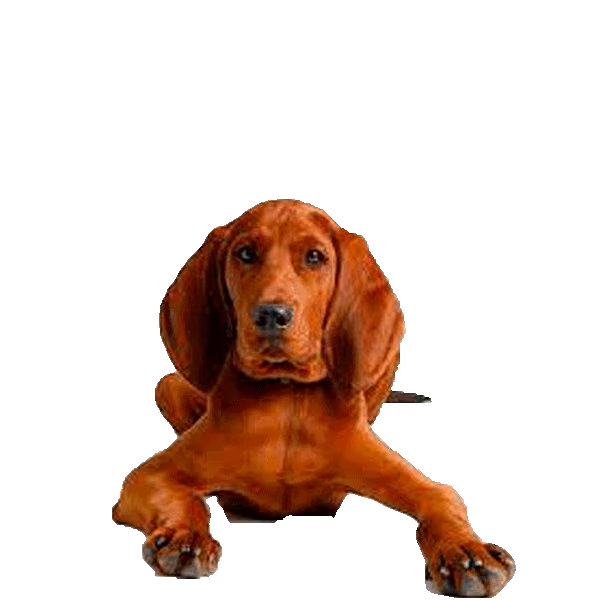
Redbone Coonhound
The Redbone Coonhound is an even-tempered, striking red scenthound known for its eager hunting drive and amiable family nature.
- Size
- Large
- Lifespan
- 12–15 years
- Origin
- United States
- Temperament
- Even-tempered
- Standard colors
- Red
Characteristics
Coat and grooming
How the Redbone Coonhound coat is built, and what that means when you groom it.
- Coat layers
- Single coat
- Coat texture
- Smooth
- Coat length
- Short
- Shedding
- Moderate shedding
Redbone Coonhound colors and patterns
What each club's breed standard says about every Redbone Coonhound color and pattern. Point at a ruling to see the club's own wording.
Breed standards describe the Redbone Coonhound in Red. Standard patterns: Solid.
| Color or pattern | UKC | AKC |
|---|---|---|
| Red | Standard (“Solid red preferred”) | Standard (“Red”) |
| Albino | Disqualifying (“Albinism”) | No ruling |
| Patterns | ||
| Solid | Standard (“Solid red preferred”) | Standard (“Solid red preferred”) |

| Color or pattern | UKC | AKC |
|---|---|---|
| Brown | Standard (“brown to hazel in color, with the darker color preferred”) | No ruling |
| Dark brown | No ruling | Standard (“Dark brown to hazel in color, dark preferred”) |
| Hazel | Standard (“brown to hazel in color”) | Standard (“Dark brown to hazel in color”) |
| Yellow | No ruling | Fault (“Yellow eyes”) |
What the rulings mean
- Standard
- Described by the club's breed standard.
- Fault
- Named by the club's breed standard as a fault: the animal can be shown but is penalised.
- Disqualifying
- The club's breed standard disqualifies an animal of this colour or pattern.
Color changes
How a Redbone Coonhound's colors can change over its life.
Blackchanges toSnow nose
Nose · With the season · can change back
Blackchanges toPink
Nose · With the season · can change back
%22%3E%3Crect%20x%3D%2217%22%20y%3D%2210%22%20width%3D%2230%22%20height%3D%2242%22%20fill%3D%22url(%23g)%22%2F%3E%3C%2Fg%3E%3Cuse%20href%3D%22%23s%22%20fill%3D%22none%22%20stroke%3D%22%233B2A20%22%20stroke-opacity%3D%220.6%22%20stroke-width%3D%221%22%20stroke-linejoin%3D%22round%22%2F%3E%3Cpath%20d%3D%22M12.5%2037Q13%2032%2018.5%2032Q23.5%2032.5%2023.5%2036.5Q20.5%2035.5%2018.8%2037Q17.4%2038.6%2018%2041.5Q13.6%2040.4%2012.5%2037Z%22%20fill%3D%22%231C1C1C%22%20fill-opacity%3D%220.8%22%20stroke%3D%22%23F5F5F0%22%20stroke-opacity%3D%220.4%22%20stroke-width%3D%220.9%22%2F%3E%3Cpath%20d%3D%22M51.5%2037Q51%2032%2045.5%2032Q40.5%2032.5%2040.5%2036.5Q43.5%2035.5%2045.2%2037Q46.6%2038.6%2046%2041.5Q50.4%2040.4%2051.5%2037Z%22%20fill%3D%22%231C1C1C%22%20fill-opacity%3D%220.8%22%20stroke%3D%22%23F5F5F0%22%20stroke-opacity%3D%220.4%22%20stroke-width%3D%220.9%22%2F%3E%3Cpath%20d%3D%22M32%2040V50%22%20fill%3D%22none%22%20stroke%3D%22%231C1C1C%22%20stroke-width%3D%221.3%22%20stroke-opacity%3D%220.5%22%20stroke-linecap%3D%22round%22%20stroke-linejoin%3D%22round%22%2F%3E%3Cellipse%20cx%3D%2232%22%20cy%3D%2221%22%20rx%3D%2212%22%20ry%3D%223.5%22%20fill%3D%22%23F5F5F0%22%20fill-opacity%3D%220.18%22%2F%3E%3C%2Fsvg%3E)
Sources
Each ruling comes from the club's published breed standard or color list.
Meet some of our Redbone Coonhound
A few of the Redbone Coonhound profiles members have added to United Pet Club.


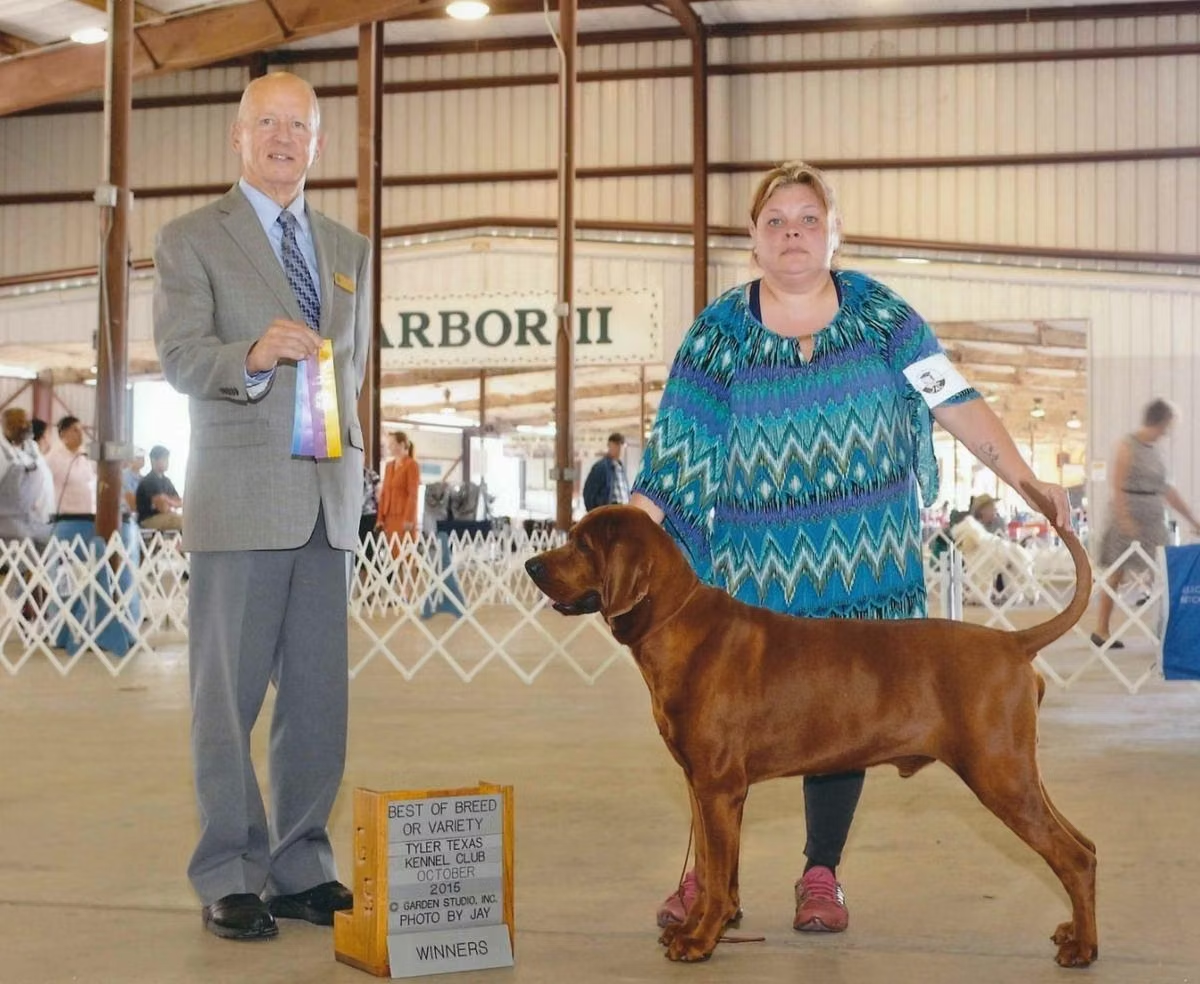


About the Redbone Coonhound
The Redbone Coonhound is a solid-red American scenthound built for stamina and trailing, suited in New Zealand to possum work, pig hunting, or life as an active companion.
The Redbone Coonhound is a medium to large scenthound bred in the United States to trail and tree raccoon and other game. It is the only coonhound with a solid red coat, which sets it apart from its cousins in the same hound family. Dogs stand roughly 56 to 69 centimetres at the shoulder and weigh 20 to 32 kilograms, with a lean, athletic frame built for covering ground rather than short bursts of speed.
At home the breed is friendly and settled, but its working drive stays switched on in the field. Redbones follow a scent for hours, work well alongside other dogs, and bay loudly once they have something treed or cornered, a trait bred into them rather than a behaviour problem. They tend to be gentle with their own families and generally patient around children they have grown up with.
New Zealand has no raccoons, so a Redbone here rarely does the job it was bred for. Owners tend to put that nose to work on possum control, pig hunting in scrub country, or tracking and trailing trials instead, and plenty are kept simply as an energetic family dog. Whatever the role, a Redbone left short of exercise gets bored fast and lets the whole street know about it.
| Trait | Detail |
|---|---|
| Origin | United States |
| Size | Large (20 to 32 kg) |
| Lifespan | 12 to 15 years |
| Group/role | Hound, scenthound bred to trail and tree game |
| Good with | Families and children; mixes well with other dogs, especially when raised together |
Who it suits
The Redbone Coonhound suits people who genuinely want to get outdoors every day, whether that means hunting, tramping, running, or working scent sports. It follows its nose over almost anything else, so a securely fenced section and solid recall training are non-negotiable, not optional extras. City flats and long working hours away from home do not bring out the best in this breed.
History of the Redbone Coonhound
Bred in the southern United States from red foxhounds through the 1800s, the Redbone Coonhound only reached New Zealand in small numbers, mostly through hunting circles.
The Redbone Coonhound traces back to red-coated foxhounds carried to North America by Scottish and other European settlers from the late 1700s. Breeders crossed these dogs with imported Irish hound stock to build a hound suited to American terrain and quarry.
Through the 1800s, breeders across the southern states worked toward a hound fast on the trail and confident enough to tree raccoon, bear, or cougar. Selective breeding gradually bred out the black saddle markings seen on earlier red hounds, leaving the clear solid red coat that gives the breed its name and its trademark look.
The American Kennel Club recognised the Redbone Coonhound in 2009, placing it in the Hound Group. The breed has never built a real following in New Zealand and does not turn up in Dogs New Zealand's mainstream ranks. What examples exist here have generally arrived through hunting connections rather than the show ring, and anyone bringing one in from overseas needs to work through MPI's biosecurity and quarantine requirements well ahead of time.
Appearance of the Redbone Coonhound
The Redbone Coonhound is a lean, muscular hound with a short solid red coat, long drop ears, and a build made for covering distance.
The Redbone Coonhound has an athletic, well-proportioned build with a deep chest, straight legs, and a body slightly longer than it stands tall. Everything about the shape points to endurance rather than bulk. The head is moderately broad with a clean muzzle, and the long, low-set ears hang close against the cheeks. The expression is soft, almost pleading, which is typical of scenthounds generally.
| Feature | Detail |
|---|---|
| Height | 53 to 69 cm at the shoulder |
| Weight | 20 to 32 kg |
| Coat | Short, smooth, and coarse enough to handle rough scrub |
| Colours | Solid red; a touch of white on the chest or feet sometimes shows up |
| Eyes | Dark brown to hazel, round, with a kind expression |
Coat and colours
The standout feature is the solid red coat, which ranges from a light red through to a deep mahogany. A little white on the chest or feet is allowed under the breed standard, but it should stay minimal. The coat lies short and flat against the body and copes reasonably well with scrub and weather when the dog is out working. The nose is dark, and dark pigment around the eyes rounds out the breed's steady, watchful look.
Temperament of the Redbone Coonhound
The Redbone Coonhound is affectionate and even-tempered at home, with a strong scent drive and a loud voice carried over from its hunting background.
The Redbone Coonhound is even-tempered and bonds closely with its family. Indoors it tends to be relaxed and affectionate, happy to flop down near its people once the day's activity is done. Most are good with children and reasonably patient, though supervision matters given the dog's size and energy around younger kids.
With strangers, Redbones lean friendly rather than wary, so they make poor guard dogs even though a loud bay will let the household know someone is at the gate. Bred to work in packs, they generally get along well with other dogs. Cats and smaller pets are a different story, since a strong prey drive can switch on fast, so introductions need care and patience.
This is a vocal breed. Baying and barking come with the job description, and a bored or lonely Redbone will make plenty of noise about it, which will not go down well with neighbours in a suburban cul-de-sac. A scent on the ground can pull the dog away in an instant, so secure fencing and a genuinely reliable recall matter more than they might for a less nose-driven breed.
| Trait | Rating |
|---|---|
| Affection | 5 |
| Energy | 4 |
| Trainability | 3 |
| Vocalness | 5 |
| Shedding | 2 |
Care for the Redbone Coonhound
The Redbone Coonhound is low-maintenance to groom but needs serious daily exercise and secure, scent-proof containment to stay settled and quiet.
The Redbone Coonhound is easy enough to keep tidy, but its body and mind ask for a lot more than its coat does. A weekly brush covers the grooming side; daily exercise is where the real commitment lies.
Grooming
- Brush weekly with a rubber curry comb or hound mitt to lift loose hair and spread natural oils through the coat.
- Bathe only when needed, since the coat carries a natural hound smell that comes straight back after a wash.
- Check and clean the long drop ears regularly; the shape traps moisture and can lead to infection.
- Trim nails every few weeks and brush teeth several times a week.
Exercise
- Aim for at least 60 to 90 minutes of activity a day through walking, running, or fieldwork.
- Use scent games, tracking, or trailing work to give the dog's nose a proper job to do.
- Keep the dog on lead or inside a fenced area in open country, since a scent will beat recall most days.
- Add short training sessions and puzzle feeders to tire the mind along with the body.
Environment
A Redbone does best with a securely fenced section and room to run. Flats, terraces, and homes with neighbours close enough to hear every bay are not a good match. The breed copes with New Zealand's range of climates thanks to its working coat, but still needs shade and water on hot days and shelter through a wet Southland or high-country winter.
Nutrition for the Redbone Coonhound
The Redbone Coonhound needs a complete diet matched to its size and workload, split into two meals, with care taken to avoid bloat and toxic foods.
Feed a complete and balanced diet formulated for a large, active breed. A dog that hunts or works regularly burns through more calories than one kept mainly as a house pet, so portions need adjusting to the individual dog and what it actually does day to day. Protein and fat levels should support muscle and stamina without tipping the dog into excess weight. Split the daily amount into two meals to help guard against bloat, a serious stomach condition that deep-chested breeds are prone to.
| Life stage | Amount per day | Meals |
|---|---|---|
| Puppy (2 to 12 months) | Per the puppy food label, spread across the day | 3 to 4 |
| Adult (pet, moderate activity) | About 2.5 to 3.5 cups of dry food | 2 |
| Adult (working or hunting) | Increased to match energy output | 2 |
| Senior (7+ years) | Reduced to hold a healthy weight | 2 |
Treats and supplements
Keep treats to around 10 percent of daily calories so the overall diet stays balanced. Small pieces of plain cooked meat or a decent commercial training treat both work well. Most Redbones on a complete diet do not need extra supplements, though a vet might suggest joint support for an older or hard-working dog. Fresh water should always be on hand, especially around exercise and on warm days.
Health of the Redbone Coonhound
The Redbone Coonhound generally lives 12 to 15 years, though it can be prone to hip dysplasia, ear infections, and bloat.
The Redbone Coonhound is a hardy working breed that typically lives 12 to 15 years. As with many large dogs, a handful of conditions are worth watching for, and responsible breeders screen their stock to cut the risk of passing on inherited problems. Regular vet visits and a healthy weight do most of the heavy lifting toward a long, active life.
| Condition | Signs | Note |
|---|---|---|
| Hip dysplasia | Stiffness, limping, reluctance to get up | Hereditary; breeders should screen hips |
| Ear infections | Head shaking, odour, scratching at the ears | Long drop ears trap moisture; clean regularly |
| Bloat (gastric torsion) | Swollen belly, retching with nothing coming up, distress | A medical emergency; feed smaller meals |
| Obesity | Weight gain, low energy | Manage portions and keep the dog active |
Preventive care
- Keep vaccinations and parasite prevention current, including flea, tick, and heartworm control.
- Book yearly vet check-ups, more often once the dog reaches its senior years.
- Clean and dry the ears regularly to head off infection before it starts.
- Maintain a healthy weight to protect the joints long term.
- Ask the breeder about hip and eye screening carried out on the parents.
Training the Redbone Coonhound
The Redbone Coonhound is smart and willing but independent and scent-driven, so it responds best to early, consistent, reward-based training.
The Redbone Coonhound is intelligent and generally keen to cooperate, but it carries the independent streak common to scenthounds. A dog that picks up an interesting scent can tune out every command going, so training calls for patience as much as consistency. Start early, keep sessions short and varied, and build a genuinely reliable recall before trusting the dog off lead anywhere near open ground. Harsh handling gets nowhere with this breed; food, praise, and play work far better as rewards. That strong nose can be channelled into tracking and scent-based activities, which burn energy and cut down on nuisance baying at the same time.
Basics
- Socialise the puppy early with people, places, dogs, and other animals.
- Teach name response and a marker word, such as "yes," to flag correct behaviour.
- Build sit, down, and stay through short, frequent sessions.
- Train a strong recall, starting inside a fenced area and rewarding generously.
- Work on loose-lead walking, since a Redbone will pull hard toward anything interesting.
- Add scent or tracking games to give the working drive somewhere to go.
Breeding the Redbone Coonhound
Redbone Coonhounds reach breeding maturity at one to two years, carry a roughly 63-day pregnancy, and typically have litters of 6 to 10 puppies.
Breeding a Redbone Coonhound needs planning around health and temperament rather than convenience. Dogs are best bred once they are physically mature and have cleared health screening, generally from one to two years old, rather than at the very first season. Hip and eye screening on both parents helps cut the odds of inherited problems turning up in the litter.
Pregnancy in dogs runs about 63 days. Litters in this breed commonly land between 6 and 10 puppies, though the number varies with the individual female. The pregnant dam needs solid nutrition, a calm environment, and veterinary oversight right through gestation and whelping.
Newborn puppies arrive blind and deaf and rely completely on their mother for warmth and feeding. Eyes open at around two weeks, and weaning generally starts near the four-week mark. Gentle handling and early socialisation from a few weeks old help puppies grow into stable, friendly adults. Most go to new homes at around eight weeks old. Given how thin on the ground this breed is in New Zealand, prospective owners bringing a dog in from overseas should factor in MPI's biosecurity and quarantine requirements well before making any commitment.
| Metric | Value |
|---|---|
| Breeding maturity | 1 to 2 years |
| Gestation | About 63 days |
| Average litter size | 6 to 10 puppies |
| Eyes open | About 2 weeks |
| Weaning begins | About 4 weeks |
| Typical age to new home | About 8 weeks |
Registering a Redbone Coonhound in New Zealand, microchip and all
Alongside council registration, a free United Pet Club record keeps a live phone number behind your Redbone Coonhound and its chip.
Redbone Coonhound registration and microchip registration in New Zealand
Keeping a Redbone Coonhound findable is mostly paperwork: a profile carrying your phone number, a photo, and the dog's details, sitting where a scan can reach it. Registering your dog with United Pet Club sets that up free, and the record never lapses or bills you.
A scanned chip is only ever as useful as its record. Pop your Redbone Coonhound's fifteen digit number into a free United Pet Club account and the record does the rest: free updates after every move, every brand accepted, searchable day and night. Microchip registration first, account alongside.
How do I register my Redbone Coonhound in New Zealand?
Setting up a free United Pet Club account, adding your Redbone Coonhound's details and a photo, and saving is all it takes. The record stays free for the dog's whole life, chip or no chip.
How do I register my Redbone Coonhound's microchip?
Just add the fifteen digit number to your free account along with your current address and phone. Under the lifetime plan there is nothing to pay for the registration or any later update.
Does my Redbone Coonhound need a microchip in New Zealand?
Dogs registered for the first time since 2006 need one under the National Dog Database rules, working farm dogs aside. The council record and your United Pet Club profile do different jobs, and the second one is free.
What does registering a Redbone Coonhound cost?
Nothing. The free lifetime plan carries the profile, the chip record, and every update, and no renewal notice ever arrives.
Redbone Coonhound frequently asked questions
Common questions about the Redbone Coonhound cover its size, temperament, care needs, lifespan, and how it fits into life in New Zealand.
How big does a Redbone Coonhound get?
It's a large hound, standing about 53 to 69 cm at the shoulder and weighing 20 to 32 kg, with males usually bigger than females.
Are Redbone Coonhounds good family dogs?
Yes, generally. They're friendly, even-tempered, and affectionate with their own family, and usually good with kids they've grown up with. Supervise play with very young children given the dog's size and energy.
Are Redbone Coonhounds easy to look after?
Grooming is simple thanks to the short coat, but the breed needs plenty of exercise and can be quite vocal. Owners who can offer daily activity and a securely fenced section find them manageable.
How long do Redbone Coonhounds live?
Typically 12 to 15 years, given good care, a healthy weight, and regular trips to the vet.
Do Redbone Coonhounds bark a lot?
They can be loud. Baying and barking are part of their hunting background, and a bored or under-exercised dog will use its voice plenty. Regular activity and training help keep the noise down.
Do Redbone Coonhounds get on with other pets?
They usually get on well with other dogs, since they were bred to work in packs. A strong prey drive means cats and smaller pets need careful, supervised introductions.
Can I get a Redbone Coonhound in New Zealand?
They're rare here, since New Zealand has no raccoons and the breed never built much of a following outside hunting circles. Anyone keen on one should expect a long search among specialist breeders or hunting connections, and bringing a dog in from overseas means working through MPI's biosecurity and quarantine rules.
From the community
Ask about the Redbone CoonhoundNo questions about the Redbone Coonhound yet. Be the first to ask.
Browse Dog breeds