The Brittany is a bright, athletic French pointing breed, beloved for its boundless energy and friendly, eager-to-please nature.
How the Brittany coat is built, and what that means when you groom it.
Caution: A Brittany coat mats easily.
Fine or long hair tangles at the base of the coat, out of sight, where the mats tighten and pull on the skin. Brushing has to reach right down to the roots in sections, not just skim the surface.
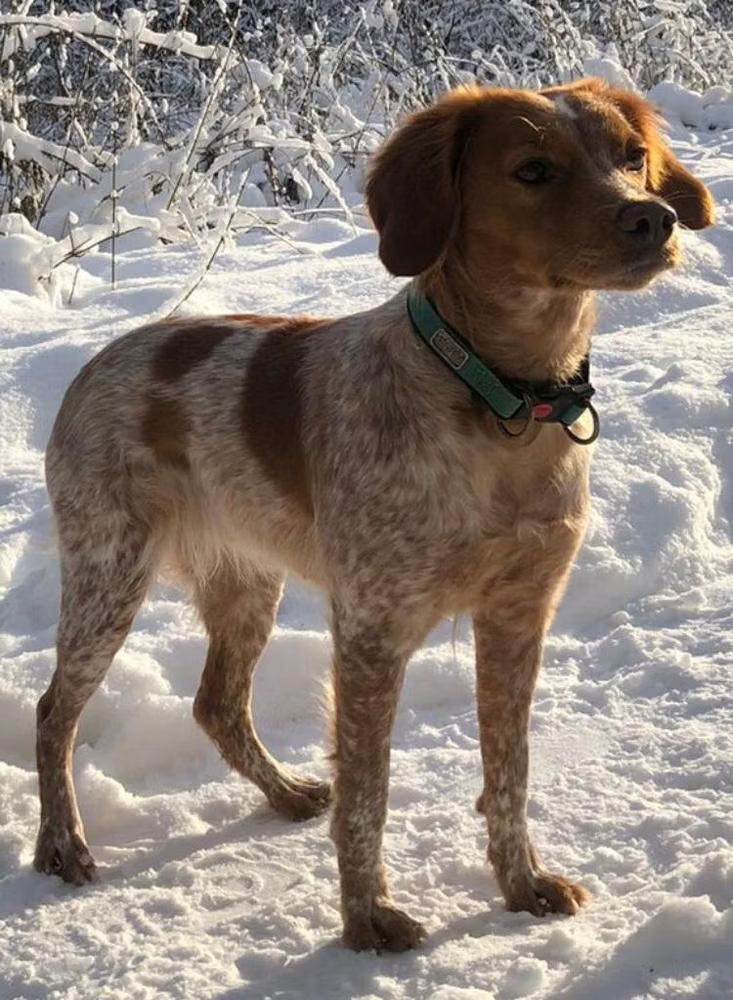
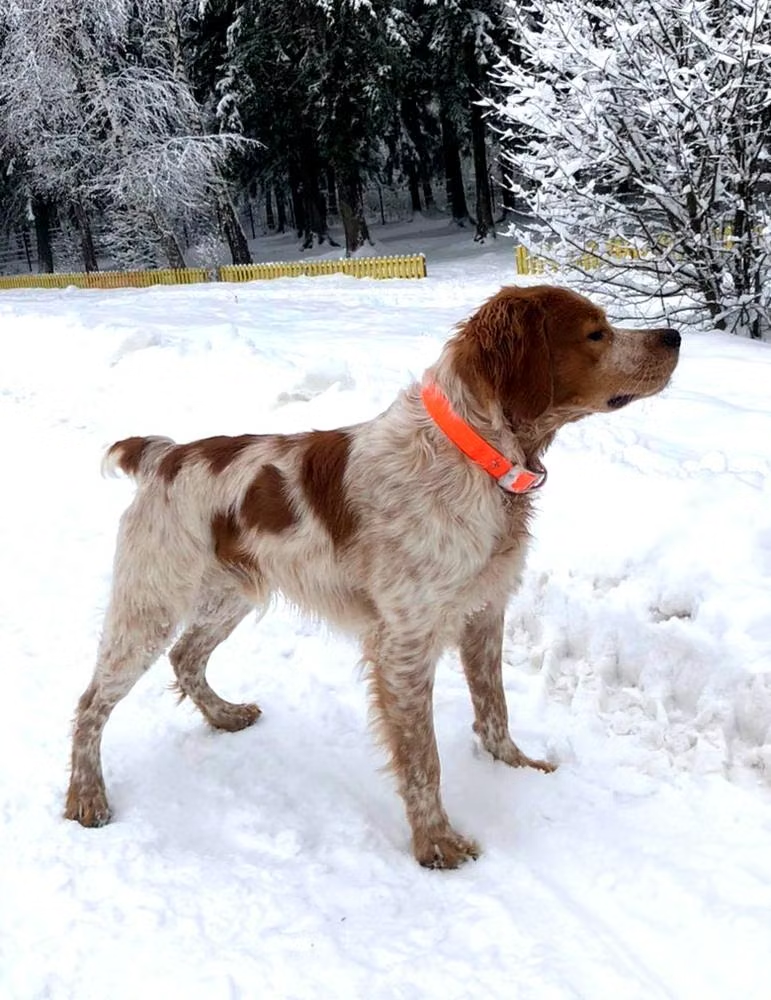
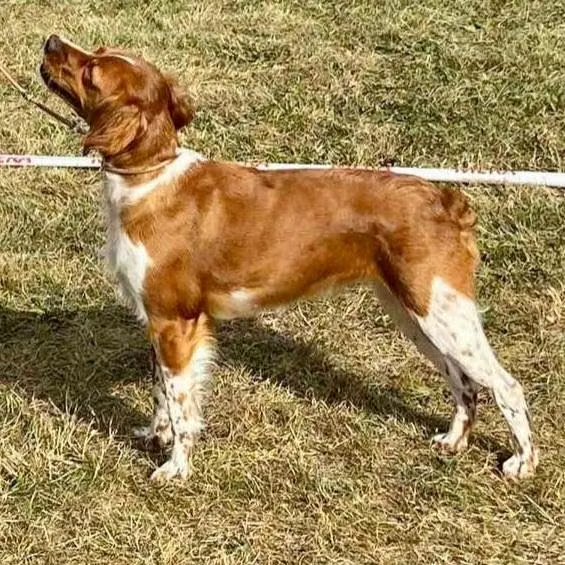
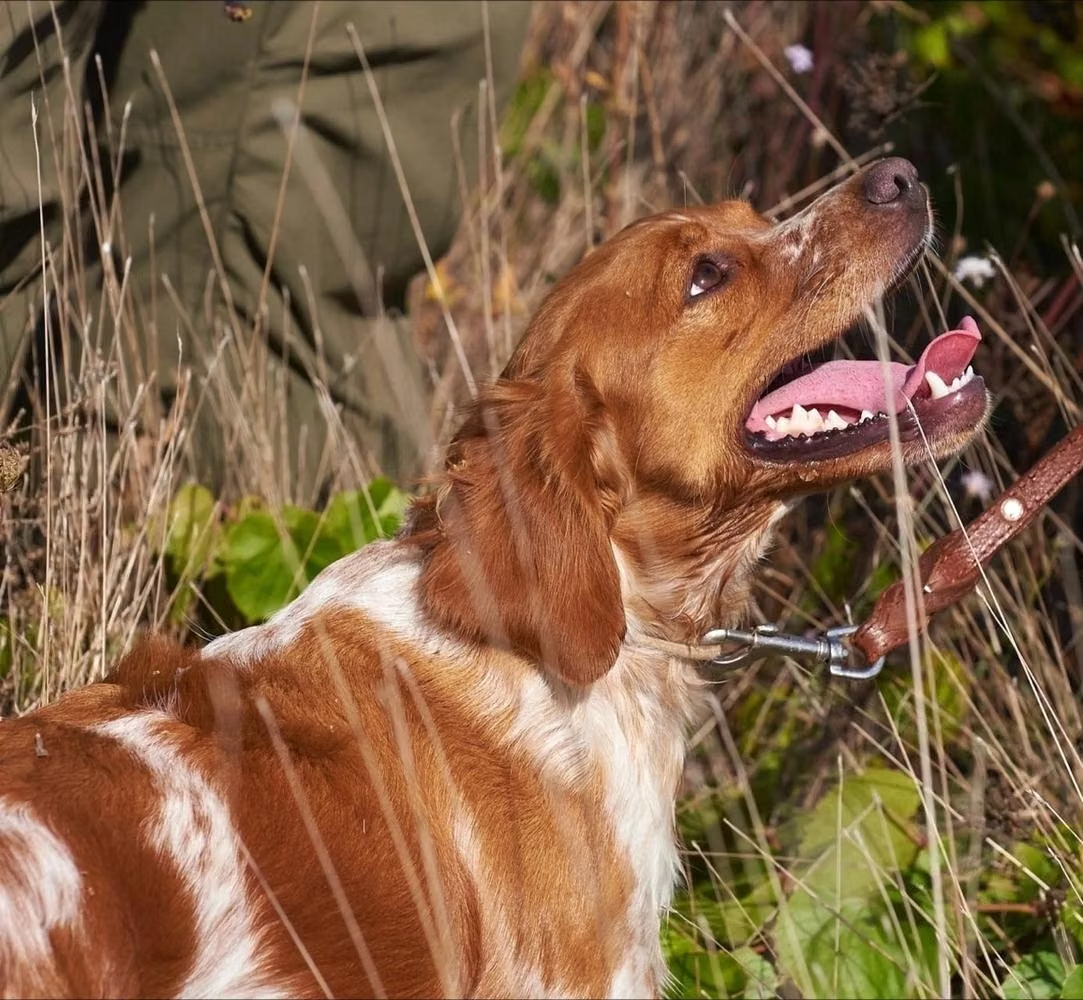
A few of the Brittany profiles members have added to United Pet Club.
The Brittany is a medium French pointing gundog with a 12 to 14 year lifespan, recognised in the NZKC Gundog Group. It suits active NZ families, field trials and upland bird hunting.
The Brittany is a compact, energetic pointing gundog from France. In New Zealand, it is valued for upland bird hunting, NZKC field trials, and active family life.
| Trait | Detail |
|---|---|
| Origin | France (Brittany region) |
| Size | Medium |
| Lifespan | 12 to 14 years |
| Group / role | Gundog / pointing gundog (NZKC Gundog Group) |
| Good with | Active families, older children, other dogs when socialised |
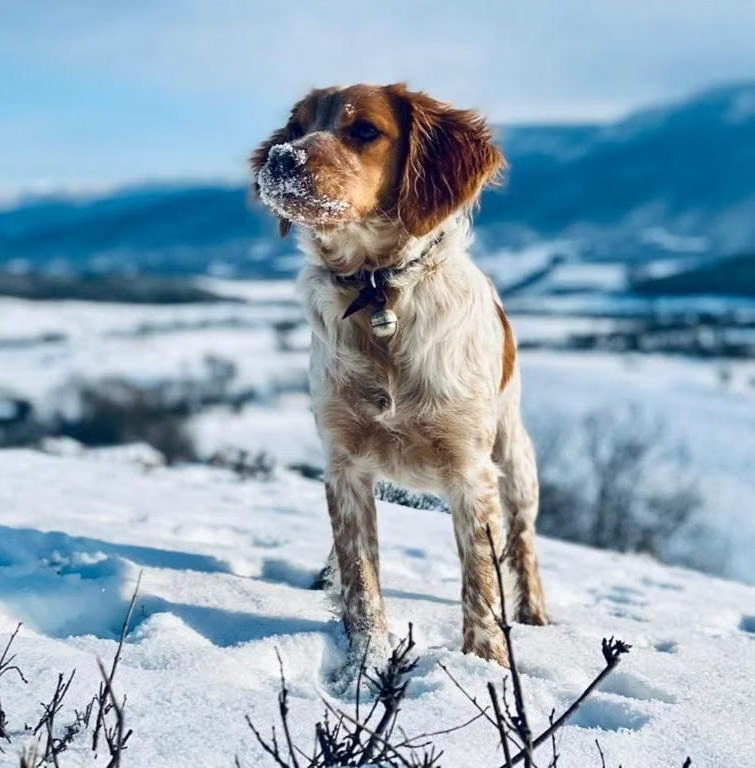
Recognised by the New Zealand Kennel Club under the Gundog Group, the Brittany has a modest but established presence in New Zealand. It is lighter and faster than many traditional setters, making it well suited to NZ's open hill country, Canterbury quail habitat, and pheasant estates in Hawke's Bay and Otago.
The Brittany was developed in 19th century France as a light pointing gundog for hunters on foot. In New Zealand it works quail country in Canterbury and Otago and competes in NZKC field trials.
The Brittany developed in the Brittany region of north-western France during the 19th century as a versatile pointing and flushing gundog for hunters on foot. Lighter and faster than the heavy setters of the era, it could work close to the hunter while still covering ground efficiently. The breed was standardised in the early 20th century and spread to Europe, North America, and eventually to New Zealand and Australia.
In New Zealand, the Brittany's dual ability as both a field trial competitor and a family companion has earned it a loyal following among hunters and sporting-dog enthusiasts. Its natural pointing instinct, compact size, and willing temperament make it well suited to NZ's quail country in Canterbury, Marlborough, and Central Otago, and to pheasant hunting on private estates in Hawke's Bay and Otago.
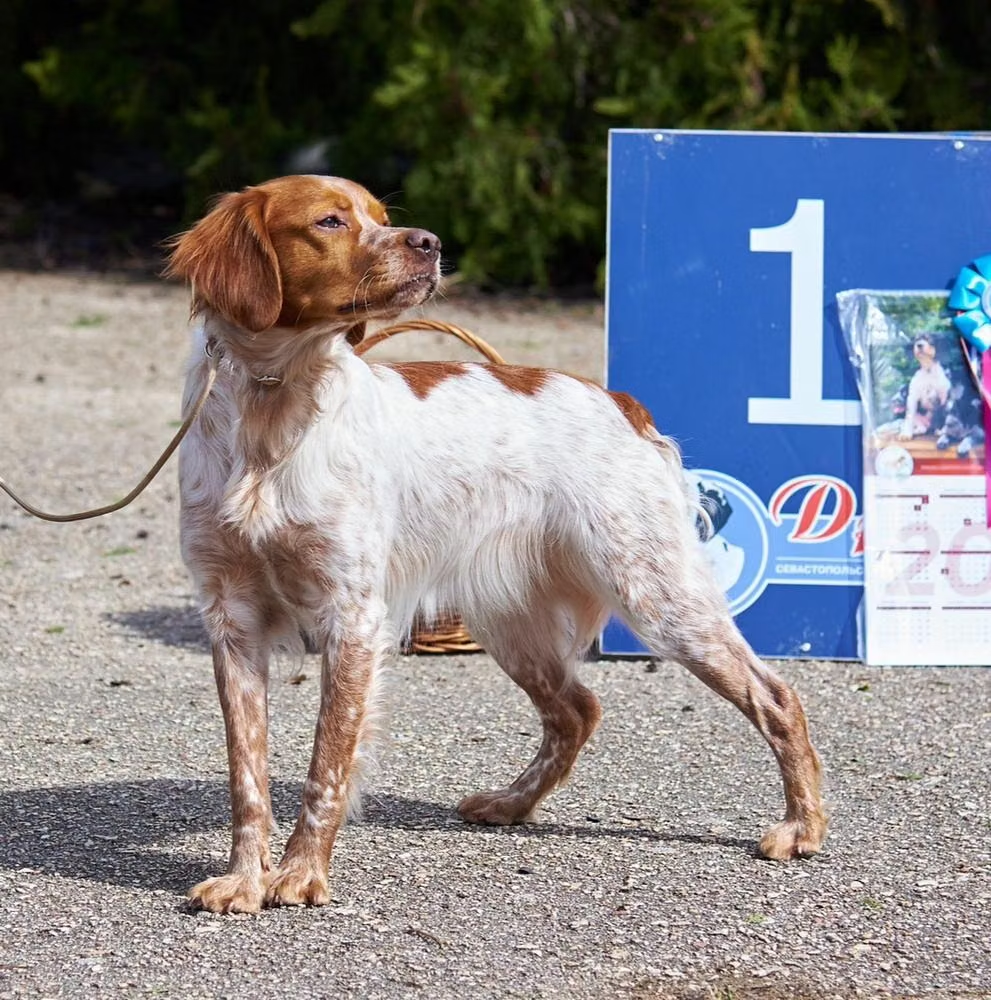
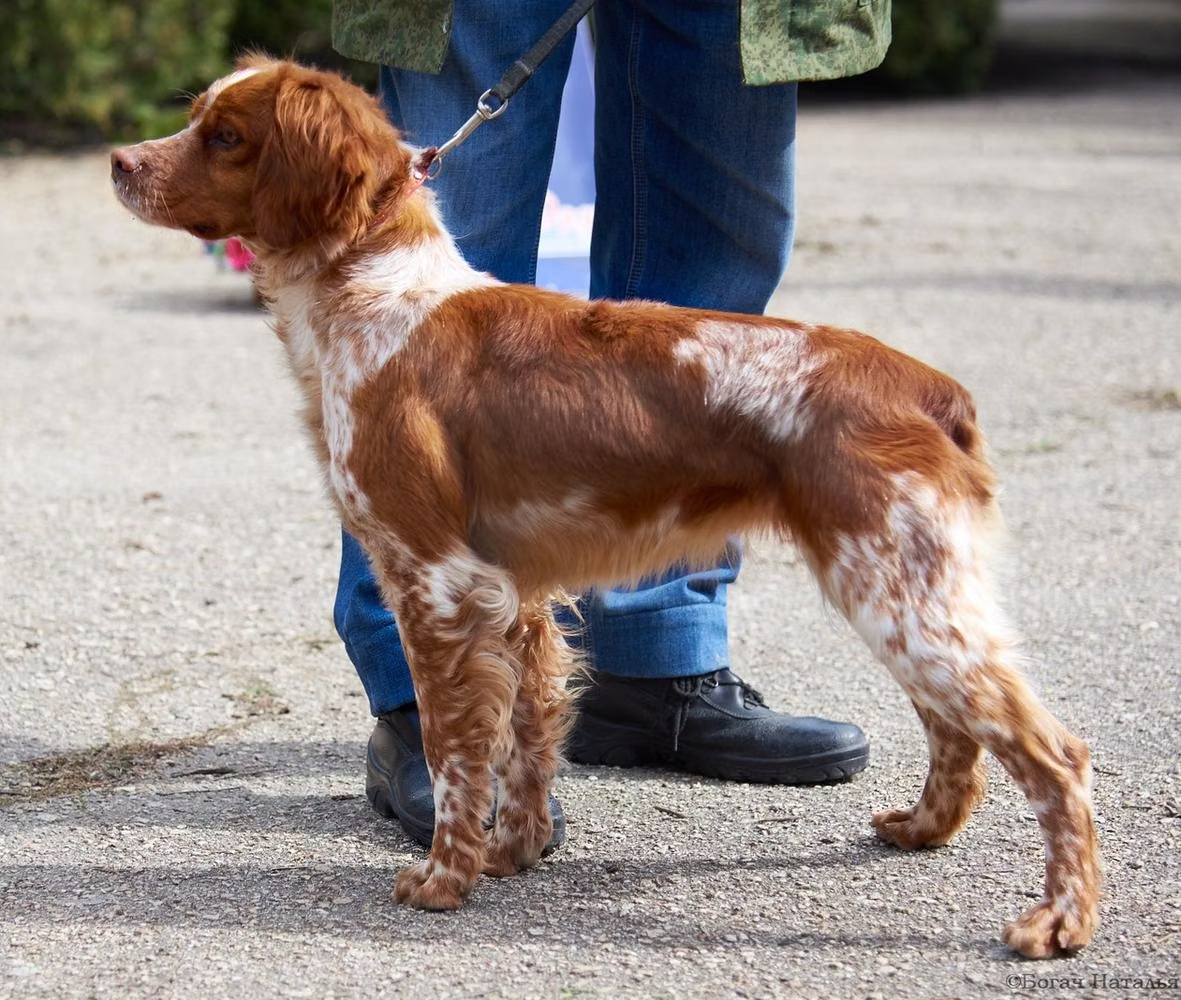
Brittanys stand 44 to 52 cm and weigh 14 to 18 kg, with orange and white or liver and white coats. Many are born with short tails, and the leg feathering picks up grass seeds in NZ scrub.
The Brittany is a square-proportioned, medium-sized dog with a light, athletic build. Its coat is orange and white or liver and white, with dense, flat or slightly wavy hair and light feathering on the legs and ears. The breed is often born tailless or with a short bob; under New Zealand's Animal Welfare Act 1999, tail docking is banned, though this is largely academic given the breed's natural tendency toward short tails.
| Feature | Standard |
|---|---|
| Height | Approximately 44 to 52 cm (17.5 to 20.5 in) at shoulder |
| Weight | 14 to 18 kg (30 to 40 lb) |
| Coat | Dense, flat or slightly wavy, with light feathering on legs and ears |
| Colours | Orange and white, liver and white, roan and tricolour patterns |
| Eyes | Amber to brown, set well back, alert and gentle expression |
In the field, the Brittany moves with a ground-covering, efficient gait. Its expression is alert yet gentle, reflecting the breed's combination of drive and biddable nature. The feathering on the legs and ears picks up grass seeds and burrs in NZ scrub country, so a quick check after each outing is worthwhile.
The Brittany is affectionate, high energy and highly trainable, rating 5 out of 5 for all three. It is sensitive to harsh handling and needs daily work, so NZ farms and rural properties suit it well.
The Brittany is affectionate, high-energy, and eager to work alongside people. It forms strong bonds with its family and is generally good with children and other dogs when properly socialised from an early age. The breed is sensitive by nature, which means it responds well to calm, consistent handling. Harsh correction is counterproductive and can undermine the trust needed for reliable field or trial work.
On NZ farms and rural properties, the Brittany is in its element. It is curious and alert, and while not aggressive, it will bark to signal unfamiliar arrivals. Daily mental and physical engagement is important: a Brittany left alone for long periods or under-exercised will find its own entertainment, which is rarely what owners have in mind.
| Trait | Rating (out of 5) |
|---|---|
| Affection | 5 |
| Energy | 5 |
| Trainability | 5 |
| Vocalness | 3 |
| Shedding | 3 |
Brittany care in NZ: weekly brushing, ear drying after water work, and 60 to 90 minutes of vigorous exercise daily. Lifestyle blocks suit the breed; provide warm shelter through Southland winters.
Grooming
Exercise
Environment
Feed an adult Brittany roughly 1.5 to 2 cups of quality dry food across two meals, with more during hunting season. Keep the dog lean, as the breed gains weight when exercise drops off.
The Brittany is an active breed with a lean build, and its diet should reflect its energy output. During hunting season or periods of heavy training, caloric needs increase noticeably. Choose a complete, balanced dry food appropriate for the dog's life stage and activity level. NZ-based premium brands and imported options are both available; look for real meat as the first ingredient and no artificial preservatives.
| Life stage | Amount per day | Meals per day |
|---|---|---|
| Puppy (2 to 6 months) | Per puppy-food label, divided | 3 to 4 meals |
| Junior (6 to 12 months) | Roughly 1.5 to 2 cups dry food | 2 to 3 meals |
| Adult (1 to 7 years) | Roughly 1.5 to 2 cups dry food | 2 meals |
| Senior (8 years and over) | Slightly reduced, adjusted for activity level | 2 meals |
Fresh water should be available at all times, especially after field work or vigorous exercise. Treats should make up no more than 10 percent of daily calories. During active hunting seasons, consult your vet about whether a performance formula is appropriate.
The Brittany lives 12 to 14 years. Main health concerns are hip dysplasia, epilepsy, ear infections and hypothyroidism. Ask NZ breeders for hip scores and screening records before buying a puppy.
The Brittany is generally a healthy, robust breed with a lifespan of 12 to 14 years. Responsible breeders in New Zealand screen for the hereditary conditions most common in the breed before using dogs for breeding. Sourcing a puppy from health-tested parents and maintaining a regular veterinary programme are the most effective steps an owner can take.
| Condition | Signs | Note |
|---|---|---|
| Hip dysplasia | Stiffness, limping, trouble rising | Hereditary; screen breeding dogs; maintain lean weight |
| Epilepsy | Seizures, collapse, disorientation | Managed with medication; genetic component suspected |
| Ear infections | Head shaking, odour, scratching at ears | Drop ears trap moisture; clean after water work |
| Hypothyroidism | Weight gain, low energy, coat changes | Managed with daily medication once diagnosed |
Ear care is particularly important for Brittanys used in water work or hunting near NZ streams and rivers. The drop ears limit airflow and can trap moisture, creating the warm, damp conditions that allow bacterial and yeast infections to develop. Weekly cleaning and thorough drying after any water exposure reduce this risk considerably.
Brittanys are quick to learn but sensitive to harsh handling. Socialise puppies before 16 weeks, build a reliable recall for open country, and use reward based methods for NZKC trial work.
The Brittany is one of the more trainable gundogs: quick to learn, eager to please, and responsive to clear communication. It picks up both basic obedience and advanced field skills with relative ease when training is consistent and reward-based. However, the breed is sensitive, and a heavy-handed or impatient approach damages its confidence and willingness to work. Short, varied sessions are more effective than long, repetitive drills.
Training priorities for NZ owners
Breeding Brittanys in NZ calls for hip scoring of both parents and NZKC registration. Gestation runs about 63 days, litters average 6 to 8 puppies, and pups go to new homes at about 8 weeks.
Breeding Brittanys in New Zealand should be approached with care and a commitment to the breed's long-term health and working ability. The New Zealand Kennel Club provides registration services and maintains breed records. Before breeding, both sire and dam should have hip scores and be free of significant hereditary conditions. Given the breed's modest numbers in NZ, ethical breeding practices are important for maintaining genetic diversity and quality.
| Stage | Detail |
|---|---|
| Sexual maturity | About 6 to 12 months |
| Recommended breeding age | Around 2 years, after health screening |
| Heat cycle | Roughly twice per year |
| Gestation | About 63 days |
| Average litter size | 6 to 8 puppies |
| Weaning | About 3 to 4 weeks, complete by 7 to 8 weeks |
| Typical age to new home | About 8 weeks |
Alongside council registration, a free United Pet Club record keeps a live phone number behind your Brittany and its chip.
Keeping a Brittany findable is mostly paperwork: a profile carrying your phone number, a photo, and the dog's details, sitting where a scan can reach it. Registering your dog with United Pet Club sets that up free, and the record never lapses or bills you.
A scanned chip is only ever as useful as its record. Pop your Brittany's fifteen digit number into a free United Pet Club account and the record does the rest: free updates after every move, every brand accepted, searchable day and night. Microchip registration first, account alongside.
Setting up a free United Pet Club account, adding your Brittany's details and a photo, and saving is all it takes. The record stays free for the dog's whole life, chip or no chip.
Just add the fifteen digit number to your free account along with your current address and phone. Under the lifetime plan there is nothing to pay for the registration or any later update.
Dogs registered for the first time since 2006 need one under the National Dog Database rules, working farm dogs aside. The council record and your United Pet Club profile do different jobs, and the second one is free.
Nothing. The free lifetime plan carries the profile, the chip record, and every update, and no renewal notice ever arrives.
Common Brittany questions answered for NZ owners: adult size of 44 to 52 cm, a 12 to 14 year lifespan, daily exercise needs, hunting ability, and how to find an NZKC registered puppy.
The Brittany is a medium-sized dog. Adults typically stand 44 to 52 cm (17.5 to 20.5 in) at the shoulder and weigh 14 to 18 kg (30 to 40 lb).
Yes. The Brittany is affectionate and bonds closely with its family. It is well suited to active NZ families, particularly those with older children and access to outdoor space. Early socialisation helps it get on well with other dogs. Families on lifestyle blocks or rural properties will find the breed a natural fit.
Grooming is low-maintenance: a weekly brush and regular ear checks are the main requirements. Exercise needs are high. The breed needs 60 to 90 minutes of vigorous activity each day. For NZ owners who hunt, hike, or spend time outdoors regularly, the Brittany is a natural companion rather than a burden.
The typical lifespan is 12 to 14 years. Regular veterinary care, keeping the dog at a healthy weight, and sourcing from health-tested parents all contribute to a long, active life.
Yes, the Brittany is an excellent upland pointing dog and is well suited to NZ conditions. It performs well on California quail in Canterbury, Marlborough, and Central Otago, and on pheasant on private estates in Hawke's Bay and Otago. Its pointing style and moderate size suit NZ hill country, and it is active in NZKC field trial circles.
Yes. The Brittany is among the more trainable sporting breeds, with high scores for both willingness and ability. It responds best to calm, positive methods and is sensitive to harsh handling. With consistent training it performs well in NZKC obedience and field trial competitions.
Contact the New Zealand Kennel Club (NZKC) for a list of registered breeders. Some NZ breeders do exist, so check locally before looking overseas. Importing from France or the USA is possible but requires compliance with MPI and Biosecurity NZ requirements, including microchipping, a rabies titre test, parasite treatment, and an MPI health certificate, as both countries are Category 2 under NZ import rules.