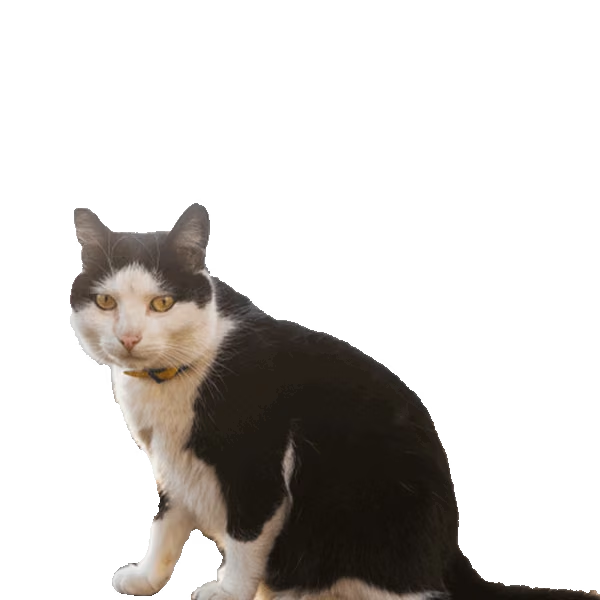
The Cyprus is a friendly, affectionate breed valued for its sociable, easygoing nature and naturally robust island heritage.
How the Cyprus coat is built, and what that means when you groom it.
Critical: A Cyprus should not be shaved.
The undercoat keeps heat out as well as in, and the outer coat shields the skin from sun and insect bites. Clipping the whole coat off removes both. It often grows back patchy, soft or a different colour, and in some animals the guard hairs never return properly. Brush the undercoat out instead of cutting it off.
Caution: A Cyprus coat mats easily.
Fine or long hair tangles at the base of the coat, out of sight, where the mats tighten and pull on the skin. Brushing has to reach right down to the roots in sections, not just skim the surface.
A medium-sized natural breed from the Mediterranean island of Cyprus, the Cyprus cat is a friendly, adaptable companion well suited to New Zealand homes and lifestyles.
The Cyprus cat is a medium-sized natural breed that evolved on the Mediterranean island of Cyprus, a warm, coastal environment with more than a passing resemblance to parts of New Zealand's northern coastline. Unlike many pedigreed cats that have been intensively developed over a short period, the Cyprus cat shaped itself over thousands of years as a working and village companion, producing a hardy, even-tempered animal that fits comfortably into family life. New Zealanders, who are among the world's keenest cat owners, tend to appreciate exactly the kind of practical, people-friendly cat the Cyprus has become.
| Attribute | Detail |
|---|---|
| Origin | Cyprus (Mediterranean) |
| Size | Medium |
| Lifespan | 12–15 years |
| Group Role | Companion / natural breed |
| Good With | Families, older children, other cats |
The Cyprus cat is a practical choice for a wide range of New Zealand households, families with older kids, couples with other cats, or individuals who want genuine feline company without a high-maintenance grooming commitment. It's not a breed you'll find at every cattery, but for those who track one down, it's a genuinely rewarding companion.
One of the oldest documented cat populations in the world, the Cyprus cat has been living alongside people on the island of Cyprus since the Neolithic period.
The Cyprus cat's story goes back a long way, longer than most breeds can claim. Archaeological evidence from Neolithic sites on Cyprus suggests cats were living alongside human settlements there around nine thousand years ago, predating the Egyptian cat culture that often gets the credit for domestic cat history. These early island cats earned their keep as farm mousers and village companions, doing the kind of practical work that cats in rural communities have done the world over.
For most of their history, Cyprus cats were simply the everyday cats of the island, no breed clubs, no written standards, just naturally selected animals shaped by the Mediterranean environment and the communities they lived with. It is only in recent decades that breed enthusiasts have begun the process of formally documenting and standardising the Cyprus cat's characteristics.
That long, unmanaged history as a working natural breed is exactly what gives the Cyprus cat its robustness. There has been no pressure to select for appearance at the expense of health or temperament, qualities that make it a solid, no-nonsense companion.
The Cyprus cat is a well-built, athletic-looking cat with a rounded head, large expressive eyes, and an easy-care short to medium coat available in a wide range of colours and patterns.
There is nothing fussy about the way a Cyprus cat looks. It has the kind of well-proportioned, capable build you would expect from a cat that developed through natural selection rather than deliberate breeding programmes, rounded head, medium-to-large ears, a solid athletic frame, and large, bright eyes. It is neither a heavy cobby cat nor a slender oriental type; it sits comfortably in the middle as a practical, well-balanced animal. The coat is short to medium in length, close-lying, and does not require anything particularly involved to keep in good order.
| Feature | Description |
|---|---|
| Height | Medium, proportionate to body length |
| Weight | 4–6 kg (adult) |
| Coat | Short to medium length, close-lying |
| Colours | Wide variety, tabby, solid, bicolour and more |
| Eyes | Large, expressive; various colours accepted |
Tabby patterns are common across the breed, but solid colours and bicolour combinations are also well represented. The coat lacks the heavy undercoat of some northern breeds, which keeps seasonal shedding manageable. You will notice a bit more hair around in spring and autumn, but a weekly brush handles it without any drama.
The Cyprus cat is warm, people-oriented, and confident, it forms close bonds with its family, handles visitors without fuss, and brings a good level of energy to daily life without being over the top.
What stands out most about the Cyprus cat is how genuinely people-focused it is. It is not the kind of cat that tolerates its owners from a distance, it actively enjoys their company, tends to follow family members around the house, and wants to be part of whatever is going on. That said, it is not clingy or demanding; it reads the room well and can settle quietly when the household is busy.
It is gentle and patient with older children, and it handles visitors and new situations with a calm confidence that makes it an easy cat to live with. There is a decent amount of energy in there, it enjoys a good play session and likes to climb, but it is not the kind of cat that will bounce off the walls at two in the morning. Vocalness is quite low; it communicates when it needs to and does not feel the need to commentate on everything.
| Trait | Rating (out of 5) |
|---|---|
| Affection | 5 |
| Energy | 4 |
| Trainability | 3 |
| Vocalness | 2 |
| Shedding | 3 |
The Cyprus cat is a low-fuss, adaptable cat to care for, its grooming needs are minimal, and it settles well into indoor NZ homes with decent enrichment.
Caring for a Cyprus cat is genuinely straightforward. It does not have the exaggerated physical features that can cause ongoing health issues in some breeds, and its coat does not need the regular professional attention of a long-haired cat. The main investment is time, daily interaction, regular play, and a consistent routine of basic health maintenance. Get those right and you have a very easy cat to keep.
Grooming:
Exercise and Enrichment:
Environment:
With NZ's biosecurity concerns and the very real threat domestic cats pose to native wildlife, keeping your Cyprus cat indoors or within a cat-proof garden enclosure is strongly encouraged. The good news is that the Cyprus cat adapts well to indoor living as long as it has decent enrichment and company. A cat-run or enclosed outdoor space gives it the fresh air and stimulation it enjoys without the risks to local birds and lizards.
Feed your Cyprus cat a complete, meat-based diet suited to its life stage, keep portions sensible, and make sure fresh water is always on offer.
Like every cat, the Cyprus cat is an obligate carnivore, it needs animal protein and fat to thrive, and it cannot meet its nutritional requirements on a plant-based diet. A quality complete commercial cat food, whether wet or dry or a mix of both, covers all the bases for most healthy adult cats. Choose a food appropriate to your cat's life stage, since kittens, adults, and seniors all have different nutritional needs. Fresh water should always be available, especially important if your cat is on a predominantly dry diet.
| Life Stage | Meals per Day | Approximate Portion |
|---|---|---|
| Kitten (up to 12 months) | 3–4 | Follow manufacturer's guidance by body weight |
| Adult (1–7 years) | 2 | 50–70 g dry food per meal, adjusted for weight |
| Senior (7+ years) | 2 | Adjusted portions, often reduced; check with your vet |
Treats are handy for training and bonding, and Cyprus cats tend to be quite motivated by them. Just keep treats to under ten percent of total daily calories, it is surprisingly easy to overfeed a cat on treats without realising it, and obesity is one of the most common preventable health problems in domestic cats. Stick to cat-specific treats rather than human food.
A hardy natural breed with a 12 to 15 year lifespan, the Cyprus cat does not carry significant breed-specific health conditions. Routine preventive care keeps most problems at bay.
The Cyprus cat is a reassuringly healthy breed. Because it developed through natural selection rather than intensive breeding for a specific look, it does not carry the hereditary health baggage of some pedigreed cats. With good nutrition, a safe environment, and regular vet checks, you can reasonably expect a healthy Cyprus cat to live twelve to fifteen years. That does not mean it is entirely maintenance-free, all cats benefit from consistent preventive care, but you are not managing a breed with known structural problems or a catalogue of inherited conditions.
| Condition | Common Signs | Note |
|---|---|---|
| Dental Disease | Bad breath, difficulty eating, inflamed gums | Regular brushing and periodic dental checks make a big difference |
| Obesity | Weight gain, sluggishness, difficulty grooming | Weigh portions rather than free-feeding; adjust as needed |
| Parasites | Scratching, coat changes, digestive upsets | Keep up with preventive treatments year-round |
| Kidney Disease | Increased thirst, weight loss, reduced appetite | More common in older cats; annual blood and urine screening is worthwhile |
Preventive Care Checklist:
Intelligent and sociable, the Cyprus cat picks up routines and simple cues without much fuss, keep sessions short, use treats, and stay consistent.
The Cyprus cat is smart and people-focused, which makes it a reasonable candidate for training, more so than many cats. It is not going to learn complex tricks on command, but it responds well to a consistent reward-based approach for the practical stuff that actually matters in daily life. Short sessions work best, five to ten minutes, a few times a day, and the cat's natural interest in engaging with its people helps keep things on track.
Here are the basics worth covering with every Cyprus cat:
Cyprus cats are seasonal breeders with litters of four to six kittens. Responsible breeding prioritises health screening, appropriate mating age, and keeping kittens with their mother until twelve weeks.
The Cyprus cat is a seasonal breeder, with females typically coming into season in the longer daylight months. Females can reach sexual maturity as early as five to ten months, but responsible breeders wait until the cat is fully physically mature before permitting a first mating, early breeding is not good for the queen's health and is not something reputable breeders support.
Gestation runs around 63 to 65 days, and a typical litter is four to six kittens. Kittens should stay with their mother and siblings until at least twelve weeks, this is not just a welfare nicety but a genuine developmental necessity. Kittens taken away too early are more likely to develop behavioural problems down the track.
The Cyprus cat is rare in New Zealand, so anyone keen on the breed will need to do some work to track down a reputable breeder, likely overseas. Any responsible breeder should be able to provide health documentation for both parents, confirm vaccinations are current, and show genuine care for the breed beyond simply producing kittens. Imported cats may be subject to MPI biosecurity requirements; make sure you research these well in advance.
| Parameter | Detail |
|---|---|
| Sexual Maturity (female) | 5–10 months (responsible breeders wait longer) |
| Gestation Period | 63–65 days |
| Average Litter Size | 4–6 kittens |
| Weaning Age | Approximately 8 weeks |
| Recommended Rehoming Age | 12 weeks minimum |
Cats sit outside the National Dog Database, so a free United Pet Club record is what stands behind your Cyprus's chip.
Keeping an indoor Cyprus safe is partly latches and partly paperwork. The paperwork half is a free profile carrying your contact details and her photo, ready for the day a door swings wider than it should. Cat registration with United Pet Club never costs anything.
If she is chipped already, finish the job the implant started: a chip with no record reads as a dead end. Registering the microchip is free for life with United Pet Club, open to any brand, with updates that never cost a thing. Creating a free account sorts the profile at the same time.
It's a matter of creating a free United Pet Club account, adding her name, colouring, and a photo, and saving. The record is free for her whole life, indoors or out.
Adding the fifteen digit number to your free account with your current details is the whole job. The lifetime plan never charges for the record or its updates, whatever the chip brand.
There's no national requirement the way the dog database works, though some councils encourage it and shelters chip on rehoming. Requirement or not, a registered chip is what turns a found Cyprus into a phone call.
Nothing at all. Profile, chip registration, and every later update are free under the lifetime plan.
Common questions answered about the Cyprus cat, size, temperament, care needs, lifespan, suitability as a family pet, where to find one in NZ, and whether it needs a companion.
Cyprus cats are a medium-sized breed. Adults typically come in at 4 to 6 kilograms, with males usually at the heavier end of that range. They have an athletic, well-proportioned build, not particularly heavy, not slender.
Friendly, sociable, and genuinely people-focused. The Cyprus cat forms real bonds with its family and wants to be involved in everyday life without being demanding about it. It is gentle with older children, composed around visitors, and generally gets along well with other cats. Not vocal at all, it is quite a quiet breed.
Not at all, it is one of the more straightforward breeds to care for. The grooming is easy, there are no significant breed-specific health concerns, and the temperament is adaptable. It suits first-time cat owners who are prepared to provide proper vet care and daily interaction.
Typically 12 to 15 years with good care. Being a hardy natural breed without exaggerated physical traits, they tend to age well.
Yes, it is well suited to family life. It is patient and gentle with older children who know how to treat cats respectfully. As with any cat, young children should always be supervised, and it is worth teaching kids early how to interact with animals appropriately.
The Cyprus cat is quite rare here, and honestly rare in most places outside Cyprus itself. You are unlikely to find one at a local cattery. Anyone seriously keen on the breed would need to research specialist overseas breeders, and should be prepared to navigate MPI biosecurity and import requirements. It takes some effort, but it is not impossible.
It is a sociable breed and often does well with another cat for company, particularly in households where it would be home alone for long stretches. That said, plenty of Cyprus cats are happy as solo pets, provided they get enough human interaction and daily enrichment. If you are out of the house for most of the day, a second cat is worth considering.
