
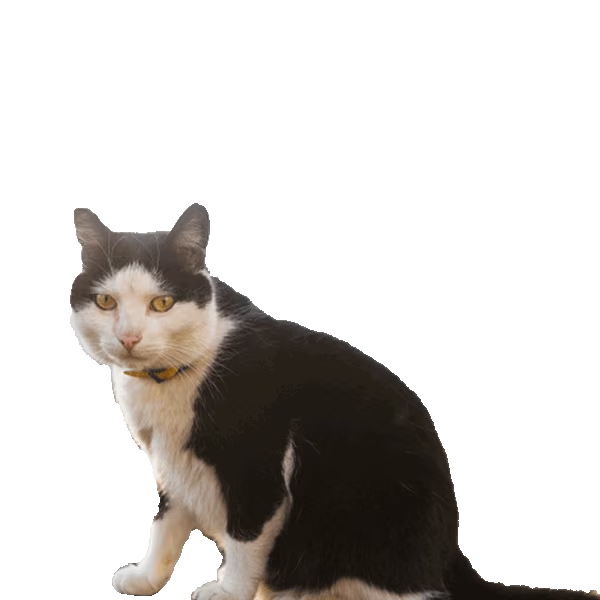
Cyprus
The Cyprus is a friendly, affectionate breed valued for its sociable, easygoing nature and naturally robust island heritage.
- Size
- Medium
- Lifespan
- 12–15 years
- Origin
- Cyprus
- Temperament
- Friendly
Characteristics
Coat and grooming
How the Cyprus coat is built, and what that means when you groom it.
- Coat layers
- Double coat
- Coat texture
- Silky
- Coat length
- Medium
- Shedding
- Moderate shedding
Grooming guidance
Critical: A Cyprus should not be shaved.
The undercoat keeps heat out as well as in, and the outer coat shields the skin from sun and insect bites. Clipping the whole coat off removes both. It often grows back patchy, soft or a different colour, and in some animals the guard hairs never return properly. Brush the undercoat out instead of cutting it off.
Caution: A Cyprus coat mats easily.
Fine or long hair tangles at the base of the coat, out of sight, where the mats tighten and pull on the skin. Brushing has to reach right down to the roots in sections, not just skim the surface.
About the Cyprus cat
The Cyprus is a medium-sized natural cat breed from the island of Cyprus, loved for its warm, sociable temperament and the sturdy, capable build it earned through centuries of island living.
The Cyprus is a medium-sized domestic cat with its roots firmly on the Mediterranean island of Cyprus. It's a natural breed through and through, its form and character took shape gradually through local conditions and ordinary natural selection, rather than any deliberate plan to cross two existing breeds. Cats of this kind have been sharing the island with people for an extraordinarily long time, and the breed today still carries that same toughness and good-natured balance that its free-living ancestors had.
In build, the Cyprus is sensibly moderate, well muscled and athletic, without leaning toward anything extreme. Owners tend to describe the breed as genuinely warm and affectionate, with an easy, good-humoured way about it that settles naturally into a lively household. It's the sort of cat that takes a real interest in the people it knows and makes its presence felt in a quiet, sociable way.
Day to day, a Cyprus is grand company. It enjoys being part of family life, keeps good energy through adulthood, and doesn't ask a great deal on the grooming front. The short to medium coat is easy enough to look after, which is very welcome.
| Attribute | Detail |
|---|---|
| Origin | Cyprus |
| Size | Medium |
| Lifespan | 12 to 15 years |
| Group / role | Natural breed, companion cat |
| Good with | Families, older children, other cats; people who want a sociable pet |
Who it suits
The Cyprus is a fine choice for a home that can offer it decent company and a bit of daily activity. It fits well with adults, older children, or other cats, and it thrives when someone is about for a good part of the day. If you're after a warm, interactive companion rather than a cat that keeps mostly to itself, the Cyprus is likely to suit you very well indeed. Those who are away from home for long spells should think about getting a second pet or adding some extra enrichment to keep up with the breed's sociable nature.
History and origin
The Cyprus descends from cats that have lived on the island of Cyprus for thousands of years, with modern breeding efforts working to record and formalise this long-established local type.
The connection between cats and Cyprus is a wonderfully long one. Archaeological finds on the island have revealed evidence of cats kept close to people during the early Neolithic period, one of the oldest known associations between humans and cats anywhere in the world. The cats living on Cyprus today are regarded as part of that same, unbroken lineage.
For most of its history the Cyprus was a working and farm cat rather than any kind of recognised breed. It made itself useful in villages, monasteries, and rural areas, keeping rodent numbers down while living alongside ordinary people in everyday life. The island's hot, dry summers and cooler mountain winters, a climate not entirely unlike parts of the west of Ireland in reverse, favoured a hardy, adaptable animal, and that character has persisted down through the generations.
In more recent decades, breeders and cat enthusiasts took to documenting the local cats as a distinct type and drawing up a formal standard. The purpose was to preserve the natural Cyprus cat and give it proper recognition, not to change what it already was. The breed is best understood, then, as the formalised version of a long-rooted island population.
Because the Cyprus grew from an established native population rather than from a single founding pair, precise founding records and modern-style pedigrees are naturally limited. What runs consistently through its entire history is continuity: a working island cat, valued on Cyprus for a very long time, now recognised as a named breed.
Appearance
The Cyprus is a medium to large, well-muscled cat with a short to medium coat that comes in a great variety of colours and patterns.
The Cyprus has a well-balanced, athletic look about it. The body is medium in length and solidly built, carried on legs of moderate length with good firm muscle. The head is rounded with a gentle profile, the ears are medium to fairly large and set comfortably wide apart, and the eyes are large and full of expression. The overall impression is of a natural, capable working cat rather than anything extreme or overly refined.
| Trait | Typical range |
|---|---|
| Height (at shoulder) | About 23 to 30 cm |
| Weight | About 4 to 6 kg, males larger than females |
| Coat | Short to medium, lying close to the body |
| Colours | Many, including tabby, solid, bicolour, and other patterns |
| Eyes | Large, rounded; colour often relates to coat colour |
Coat and colours
The coat is short to medium in length and is very easy to look after. Because the breed comes from a broad island population, colour and pattern vary quite a bit, there's great variety here, which is part of the breed's natural charm. Tabby patterns are particularly common, though solid colours, bicolours, and all manner of other markings appear regularly as well. No single colour is required, and the breed standard welcomes a wide range. The coat typically comes in a little thicker over winter and lightens again as the warmer months arrive.
Temperament
The Cyprus is a friendly, affectionate, and sociable cat with an energetic, good-natured personality that suits engaged, lively households.
The Cyprus has a genuinely warm, people-centred personality, the kind of cat that makes you feel at home, if you will. It builds close bonds with its family and regularly seeks out company, following household members from room to room and settling comfortably nearby. The breed is affectionate without ever becoming clingy or demanding about it, and most individuals are at their happiest when they can be part of what's going on around them.
With family the Cyprus is gentle and good-natured, and it typically gets on well with older children who treat it with a bit of care and respect. With strangers it usually shows confidence rather than nervousness, though it appreciates, as any sensible cat would, the chance to approach new people on its own terms. With other animals it tends to be sociable, and sharing a home with another cat often works out very well, helping to satisfy its need for ongoing company.
The breed holds onto good energy through its life. It enjoys play, climbing, and keeping a watchful eye on its surroundings, and it remains alert and engaged well into adulthood. It's not a particularly loud cat, it'll have its say when it needs to, but it won't make a great song and dance of things.
| Trait | Rating |
|---|---|
| Affection | 5 |
| Energy | 4 |
| Trainability | 3 |
| Vocalness | 2 |
| Shedding | 3 |
Care and grooming
The Cyprus needs only routine grooming, regular active play, and a safe indoor or supervised outdoor space to remain healthy and content.
The Cyprus is a pleasantly low-maintenance breed in terms of grooming and general upkeep. Its main needs are regular company, daily activity, and a safe space where it can climb and observe the world at its leisure.
Grooming
- Brush once or twice a week to remove loose hair and reduce shedding around the home.
- Increase brushing during the seasonal coat changes in spring and autumn.
- Check ears weekly and clean gently only when there's a clear need.
- Trim claws every few weeks and make sure a sturdy scratching post is always available.
- Brush teeth regularly or follow a dental care routine recommended by your vet.
Exercise
- Offer at least two short, lively play sessions each day using wand toys or chase toys.
- Provide climbing furniture such as a cat tree or shelves to give the breed an outlet for its energy.
- Rotate toys and introduce puzzle feeders to keep the cat mentally engaged.
- In homes where people are out for long stretches, a second cat can be great company for the Cyprus.
Environment
The Cyprus adjusts well to indoor living when it has enough vertical space and things to keep it occupied. Supervised outdoor access or a secure enclosure can be a lovely addition. The breed is used to a warm Mediterranean climate, so a cosy, draught-free resting spot is always appreciated, grand in front of a radiator on a wet Irish day, no doubt.
Nutrition and feeding
The Cyprus thrives on a complete, meat-based cat food offered in measured daily portions, with fresh water always to hand.
Cats are obligate carnivores, and the Cyprus is no exception, it needs a diet built around animal protein. A complete commercial food that meets recognised nutritional standards will cover the breed's core needs. Portions should reflect the individual cat's age, body weight, and activity level, with fresh water available at all times. Given that the Cyprus is an active, well-muscled breed, keeping it at a lean, healthy weight through measured feeding is a sound approach to preventing excess weight over time.
| Life stage | Amount per day | Meals |
|---|---|---|
| Kitten (2 to 12 months) | Per package guidance, fed to appetite while growing | 3 to 4 |
| Adult (1 to 7 years) | About 50 to 70 g dry, or equivalent wet food | 2 |
| Senior (7 years and older) | Adjusted to weight and activity | 2 |
Treats and supplements
Treats should stay at around ten per cent of daily calories so the main diet remains properly balanced. A cat on a complete commercial food generally has no need for extra supplements. Before adding anything, a joint support product or a skin and coat supplement, say, it's well worth checking with your vet first, as unnecessary additions can upset the nutritional balance of the diet.
Health
The Cyprus is a generally robust natural breed with a typical lifespan of 12 to 15 years, supported by routine veterinary care and sensible weight management.
As a natural breed with roots in a long-established island population, the Cyprus tends to be hardy and isn't associated with the narrow hereditary problems sometimes seen in breeds that have been heavily manipulated. Most individuals live healthy lives of around 12 to 15 years with good care. The conditions listed here are general feline health matters to be aware of, rather than problems specific to this breed.
| Condition | Signs | Note |
|---|---|---|
| Dental disease | Bad breath, drooling, trouble eating | Common in cats; regular dental care helps prevent it |
| Obesity | Weight gain, low activity | Manage with measured feeding and play |
| Parasites | Scratching, poor coat, digestive upset | Use routine flea and worm prevention |
| Kidney disease (older cats) | Increased thirst, weight loss | Senior screening aids early detection |
Preventive care
- Keep core vaccinations and parasite prevention up to date.
- Schedule an annual vet check, and twice yearly for senior cats.
- Maintain a lean body condition through careful portioning.
- Keep up with dental care and check teeth and gums regularly.
- Consider neutering or spaying, both of which support long-term health and wellbeing.
Training
The Cyprus is moderately trainable and responds well to patient, reward-based methods covering litter habits, handling, and simple cues.
The Cyprus is an intelligent, sociable cat that picks up household routines and simple behaviours without too much bother when training is consistent and positive. Like most cats, it works for rewards rather than commands, so short, regular sessions tend to get far better results than long, infrequent ones. Its warm, people-focused nature means it's generally willing to engage with an owner who keeps training calm and predictable.
Basics
- Set up a clean, quiet litter tray early and keep it in the same place consistently.
- Reward use of the scratching post to protect your furniture, consistency is key here.
- Get the cat comfortable with gentle handling, carriers, and grooming from a young age.
- Build simple cues, like coming when called, by pairing them consistently with a small reward.
- Redirect unwanted behaviour toward something acceptable rather than punishing it.
Breeding
The Cyprus reaches breeding maturity in its first year, with a standard feline gestation of around nine weeks and typical litters of four to six kittens.
The Cyprus follows the general reproductive pattern of domestic cats. Females usually reach sexual maturity somewhere between five and ten months of age, though responsible breeders wait until a queen is fully grown before going ahead with mating. In many parts of the world cats are seasonal breeders and can have more than one litter in a year. Mating stimulates ovulation in cats, so successful pairings frequently lead to pregnancy.
Gestation lasts about 63 to 65 days. Litters typically contain four to six kittens, with some natural variation from queen to queen. Queens generally handle birth and the early stages of kitten care very capably, with kittens nursing for several weeks before weaning begins.
Kittens should remain with their mother and littermates until at least twelve weeks of age. This period is vital for socialisation, something that matters a great deal for a breed valued for its friendly, warm-natured temperament. Gentle handling during these early weeks helps kittens develop into confident, sociable adults. Anyone breeding the Cyprus should screen for general feline health concerns, keep vaccination and parasite records current, and only place kittens with homes that are genuinely ready and prepared for the commitment.
| Metric | Value |
|---|---|
| Sexual maturity | About 5 to 10 months |
| Gestation | About 63 to 65 days |
| Average litter size | 4 to 6 kittens |
| Weaning age | About 6 to 8 weeks |
| Recommended rehoming age | 12 weeks or older |
Your Cyprus registered and chipped, sorted for good
No law covers cat chips in Ireland, which makes a free United Pet Club record the only thing standing behind your Cyprus's number.
Registering a Cyprus in Ireland
An ISPCA branch or a vet scanning a found Cyprus gets exactly as far as her record allows. Give the scan somewhere to land: a free profile with your name, your number, and her photo. Register your cat once and it holds for good.
A chip under her skin with no record behind it is a riddle nobody can solve. Lodge the number with United Pet Club instead: free for life, any brand at all, updates that never cost a cent, and a record that answers scans at home or abroad. Register the microchip, then the free account finishes the profile.
How do I register my Cyprus in Ireland?
Open a free United Pet Club account, put in her name, colouring, and a photo, and save the profile. It stays live for the whole of her life at no cost, and a chip is not needed to begin.
How do I register my Cyprus's microchip?
Lodge the fifteen digit number from the vet's paperwork in your free account with your current contact details. The lifetime plan never asks for a penny, not for the record and not for updates.
Do cats have to be chipped in Ireland?
No, the 2015 chipping law covers dogs only. That is exactly why a registered chip matters for a Cyprus: without your record, there is nothing at all connecting her number to your phone.
What does it cost to register a Cyprus?
Nothing whatsoever. United Pet Club's lifetime plan takes care of the profile, the chip record, and every amendment, free for the whole of her life.
Frequently asked questions
Common questions about the Cyprus cat cover its size, temperament, care needs, lifespan, suitability as a family pet, and where to find one.
How big does a Cyprus cat get?
The Cyprus is a medium-sized cat, typically weighing around 4 to 6 kg, with males generally a fair bit larger than females. It has a solid, well-muscled build rather than anything slight or delicate.
What is the Cyprus cat's temperament like?
The breed is warm, affectionate, and sociable, genuinely fond of people. It bonds closely with its family and tends to get along well with older children and other cats.
Is the Cyprus cat hard to care for?
Not at all. It needs weekly brushing, daily play, and a safe indoor or supervised environment. The short to medium coat is easy to manage, which makes grooming a simple and pleasant routine.
How long do Cyprus cats live?
A typical lifespan is 12 to 15 years. As a naturally hardy breed, the Cyprus usually enjoys good health throughout its life with regular vet care and a sensible body weight.
Is the Cyprus cat a good family pet?
It is indeed. Its warm, sociable nature suits family homes and households with other cats. It does best where it has company for a good part of the day and room to stay active.
Are Cyprus cats easy to find?
They're common on the island of Cyprus itself, but considerably less so elsewhere. Outside the region, finding a kitten will likely take a bit of time and patience, and it's best done through reputable breeders.
Do Cyprus cats need another pet for company?
Not strictly, but they are sociable cats that truly enjoy company. In homes where people are regularly out for long periods, a second cat can make a real and meaningful difference to their happiness.