
Common pet health issues every owner should know
The most common health problems in dogs and cats, from obesity to ear infections, with the early signs that tell you when to book a vet visit.
United Pet Club@unitedpetclub5 Min. Lesezeit
The most common pet health issues in dogs and cats are obesity, dental disease, fleas and ticks, ear infections, allergies, arthritis, and gastrointestinal problems, and most of them show early signs long before they become an emergency. Weight gain, bad breath, constant scratching, head shaking, stiffness after rest, and vomiting or diarrhea are the signals worth acting on. Catching any of these early, and getting your pet in for a checkup rather than waiting to see if it resolves on its own, is what keeps a manageable problem from turning into a costly and painful one.
Pets cannot tell you where it hurts, so the responsibility for noticing falls on you. A lot of the signs below look minor in isolation, a little extra scratching, slightly worse breath, a bit less enthusiasm for the stairs, which is exactly why they get missed until the problem has progressed. Knowing what normal looks like for your own pet is the single best tool you have for catching a change early.
Obesity: the health issue hiding in plain sight
Extra weight puts a pet at meaningfully higher risk for diabetes, joint problems, and heart disease, and unlike a lot of health issues on this list, obesity is something an owner has almost complete control over. A pet that is reluctant to jump onto furniture, gets winded on a walk that used to be easy, or has visibly thickened around the middle has likely put on more weight than is healthy.
Portion control matters more than most owners assume: measuring food rather than eyeballing it, cutting back on table scraps, and choosing treats with a specific calorie budget in mind all add up. Daily exercise, even a modest walk, helps maintain a healthy weight and gives a pet an outlet that also reduces boredom related behavior problems.

Dental disease builds up quietly
Plaque and tartar accumulate on a pet's teeth the same way they do on a person's, except most pets never get a toothbrush anywhere near their mouth. Left untreated, that buildup leads to gum disease, tooth loss, and in more advanced cases, bacteria that reach the bloodstream and affect the heart or kidneys. Cats and small dog breeds are particularly prone to it.
Bad breath is the first sign most owners notice, along with drooling, reluctance to chew, or visibly red or swollen gums. Regular brushing with a pet safe toothpaste, along with dental chews, slows the buildup considerably, but it does not replace a professional cleaning once tartar has already hardened. A vet can tell you during a routine exam whether your pet's teeth need more than home care.
| Health issue | Early sign to watch for | See a vet if |
|---|---|---|
| Obesity | Reduced energy, visible weight gain | Difficulty breathing or moving normally |
| Dental disease | Bad breath, drooling | Red or swollen gums, reluctance to eat |
| Fleas and ticks | Excessive scratching or biting | Hair loss, scabs, or a visible tick |
| Ear infections | Head shaking, pawing at ears | Discharge, odor, or loss of balance |
| Allergies | Itchy skin, sneezing | Hot spots, chronic ear infections |
| Arthritis | Stiffness after resting | Limping or reluctance to jump or climb |
| Gastrointestinal issues | Occasional vomiting or soft stool | Symptoms lasting more than 24 hours |
Fleas, ticks, and the problems they bring with them
Fleas and ticks cause more than surface level itching. Flea infestations can lead to skin infections and, in young or small pets, anemia from blood loss, while ticks carry Lyme disease and other illnesses that show up weeks after the actual bite. Pets that spend real time outdoors, in tall grass, wooded trails, or off leash areas, are at the highest risk.
Excessive scratching, biting at the skin, or small dark specks in the fur (flea dirt) are usually the first visible signs. A thorough check after any outdoor walk, especially around the ears, between the toes, and along the collar line where ticks tend to attach, catches most problems before they become an infestation. Vet recommended preventatives, applied on the schedule your vet actually prescribes rather than whenever you remember, are far more reliable than store bought alternatives.
Ear infections, especially in floppy eared breeds
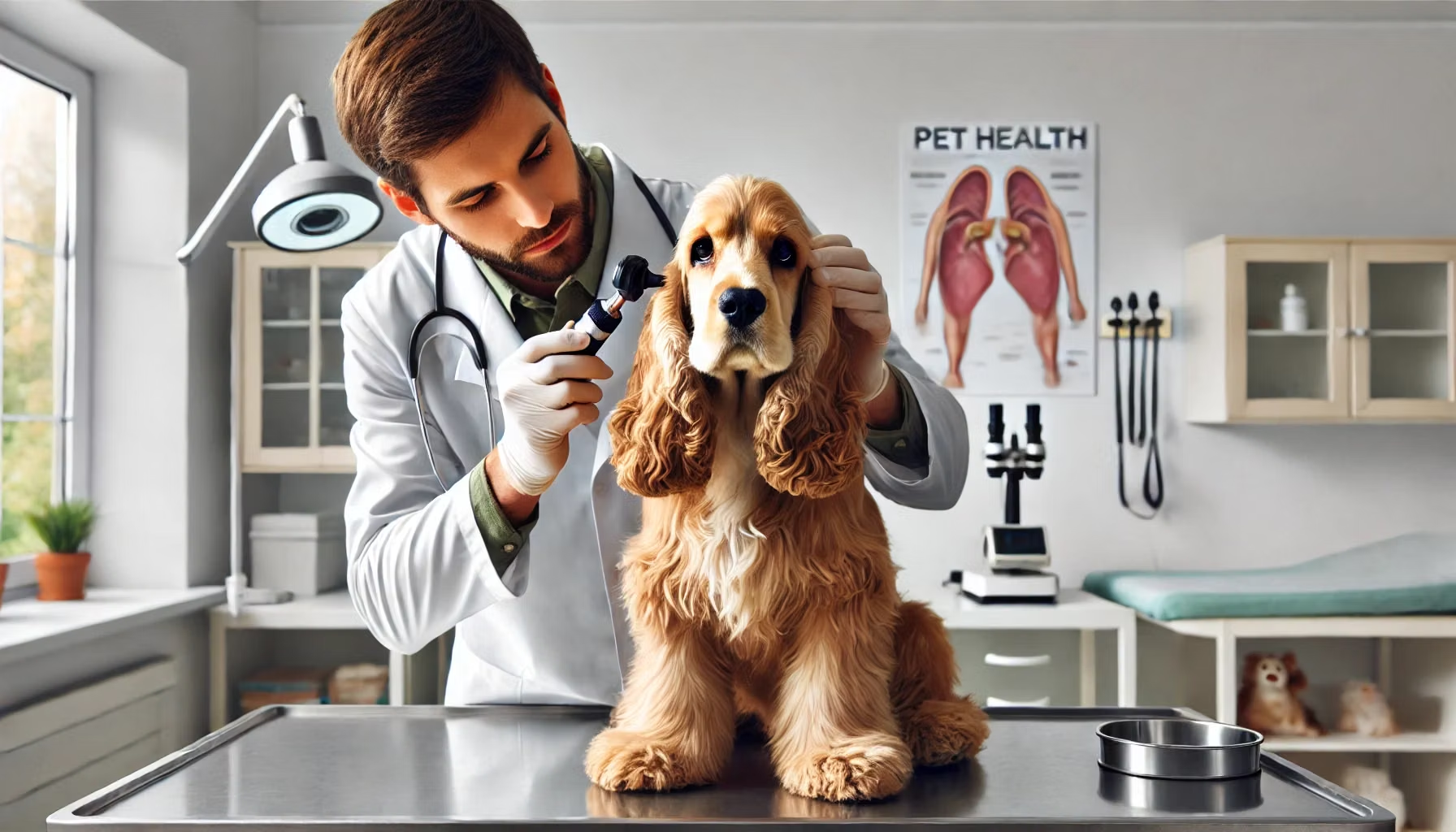
Dogs with heavy, floppy ears, spaniels, retrievers, hounds, trap moisture and warmth in the ear canal, which makes them more prone to the yeast and bacterial infections that cause chronic ear problems. Cats get ear infections too, though less often, usually linked to mites or allergies rather than ear shape.
Head shaking, scratching at the ears, and a noticeably foul smell are the signs to watch for, along with visible redness or discharge inside the ear. Keeping ears clean and thoroughly dried after baths or swimming prevents a lot of infections before they start. An infection that goes untreated can spread and, in severe or repeated cases, affect a pet's balance and hearing, so a same week vet visit is worth it rather than waiting to see if it clears on its own.
Allergies and arthritis: two different problems with overlapping signs
Allergies and arthritis do not look alike on paper, but in practice they can both leave a pet itchy, uncomfortable, and less willing to move around. Allergies, whether triggered by food, fleas, or something in the environment like pollen or dust, tend to show up as itchy skin, watery eyes, or recurring ear infections. Identifying the actual trigger, sometimes through an elimination diet your vet helps design, is the only real path to managing symptoms long term rather than just treating flare ups as they happen.
Arthritis shows up differently: stiffness after resting, hesitation before jumping onto furniture, or a limp that gets better as a pet warms up and moves around. It is most common in older, larger breed dogs, though joint injuries can bring it on in younger pets too. Maintaining a healthy weight takes real pressure off the joints, and a vet can recommend supplements or medication that make a meaningful difference in comfort and mobility.
Gastrointestinal problems and when they need same day attention
Vomiting, diarrhea, and constipation are common enough that a single episode rarely means anything serious. Food changes, a piece of something they should not have eaten, or mild stress can all cause a day of digestive upset that resolves on its own with rest and access to water.
What changes the calculation is duration and severity. Symptoms that persist past 24 hours, blood in vomit or stool, a swollen or painful abdomen, or a pet that seems increasingly lethargic all point toward something that needs a vet the same day rather than a wait and see approach. Sudden changes in diet are one of the more preventable triggers, so introducing new food gradually over a week or so, mixed in increasing amounts with the old food, avoids a lot of unnecessary digestive upset.
Staying ahead of all of these issues comes down to the same habits: regular vet checkups, a diet suited to your pet's actual needs, and paying attention to small changes before they become big ones. If your pet is getting older, our guide to preventive care for senior pets covers the health issues that become more common with age.
What are the most common health problems in dogs and cats?
The most common issues are obesity, dental disease, fleas and ticks, ear infections, allergies, arthritis, and gastrointestinal upset. Most of them develop gradually and show early, easy to miss signs, such as slightly worse breath or a little extra scratching, well before they become a serious or expensive problem to treat.
How do I know if my dog or cat is overweight?
You should be able to feel your pet's ribs with light pressure and see a visible waist when looking down at their body from above. If your pet is reluctant to jump, gets winded easily on walks, or has lost that visible waist, it is worth discussing a weight check with your vet at the next visit.
When should I take my pet to the vet for vomiting or diarrhea?
A single episode that resolves within a day usually is not an emergency. See a vet the same day if symptoms last more than 24 hours, if there is blood in the vomit or stool, if your pet's abdomen looks swollen or painful, or if they seem unusually weak or lethargic alongside the digestive symptoms.
Why does my dog keep getting ear infections?
Dogs with floppy ears trap moisture and warmth inside the ear canal, which creates conditions where yeast and bacteria thrive, leading to repeat infections. Allergies also make some dogs more prone to chronic ear problems. Keeping ears clean and fully dry after baths or swimming, and treating underlying allergies, reduces how often infections recur.