
10 reasons to buy a puppy from a responsible breeder
A balanced look at what a responsible breeder actually offers over adoption: predictability, verified health testing, and lifelong support, along with the real cost and wait times involved.
United Pet Technologies@unitedpettech4 min čtení
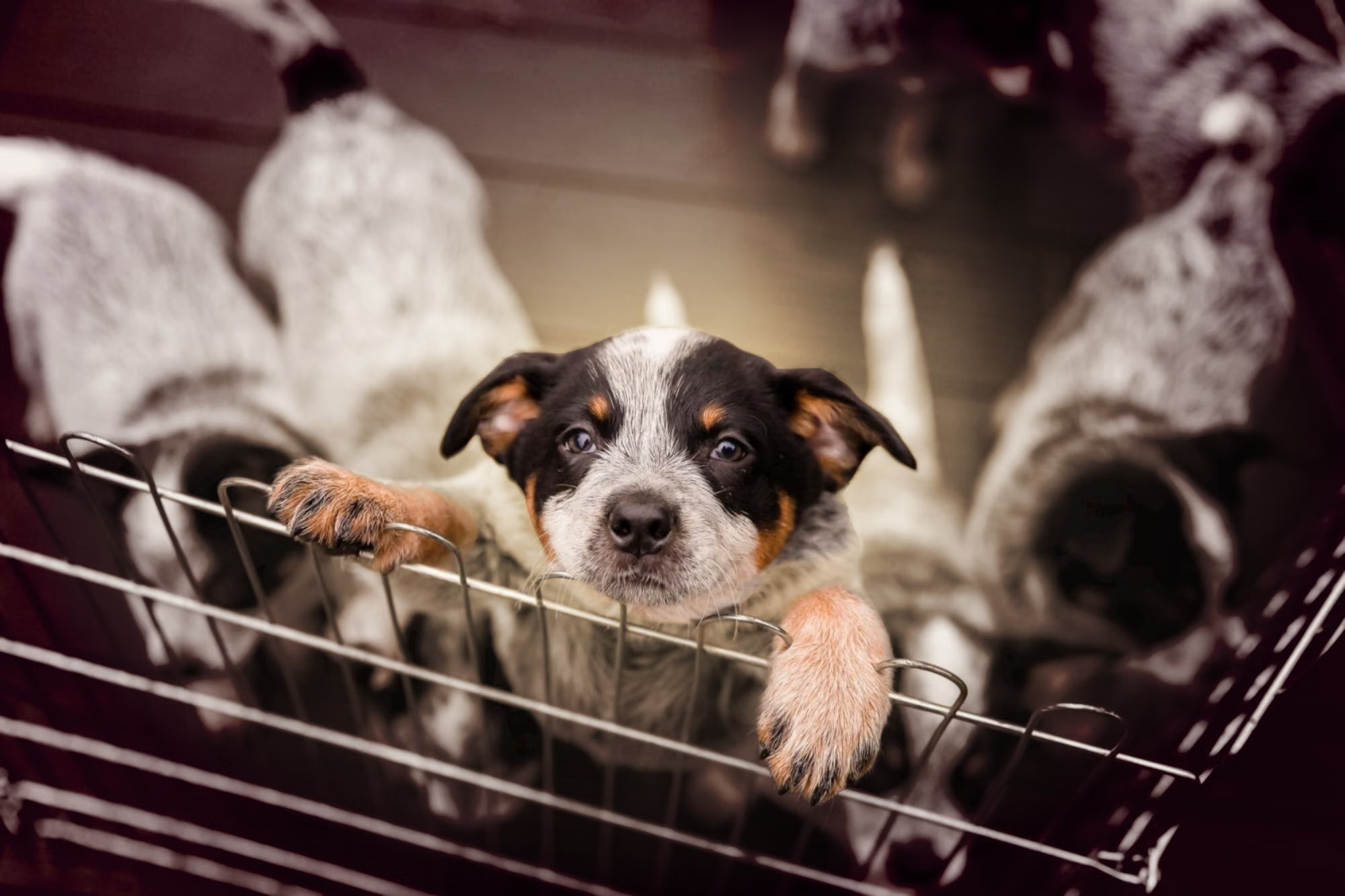
Buying a puppy from a responsible breeder makes the most sense when you want predictability: a specific breed suited to your lifestyle, and documented health testing behind the parents. You pay more up front, typically several times an adoption fee, and you may wait months for a litter, but you get a puppy whose adult size, temperament tendencies, and known health risks are much easier to predict than with a rescue dog of unknown background. This is not automatically the better option for every household. It is the right one for households whose needs specifically call for a known breed and a documented health history. Adopting a dog from a shelter is a genuinely strong alternative for a lot of the same people, and it is worth comparing directly before you decide.
Predictable size, coat, and temperament
A responsible breeder is working within a known breed standard, so a puppy from a litter of Labrador Retrievers is going to grow into a dog with a fairly narrow range of adult size, coat type, and typical energy level. That matters if you have a specific need: a low shedding coat because someone in the house has allergies, a size that fits a small apartment, or an activity level that matches a household that runs or hikes daily. A shelter dog described as a Lab mix can still grow into something quite different from what the intake paperwork guessed, because visual breed guesses are frequently wrong. Neither path guarantees a perfect match, but a breeder bred puppy narrows the range of outcomes considerably.
Health testing you can actually verify
Reputable breeders test breeding parents for the genetic and orthopedic conditions common in that breed before pairing them: hip and elbow scores, eye exams, cardiac clearances, and increasingly, DNA panels for known inherited conditions. Ask to see the actual paperwork rather than taking a breeder's word for it. A legitimate breeder will show it without hesitation. This is a real, verifiable advantage over a shelter puppy, whose genetic background is usually unknown. It is worth reading more about what genetic screening for breeders actually involves so you know what to ask for before you meet a litter.
| Factor | Responsible breeder | Shelter or rescue |
|---|---|---|
| Typical upfront cost | $1,500 to $4,000 or more depending on breed | $50 to $400 adoption fee |
| Health testing of parents | Documented, verifiable | Usually unknown |
| Spay or neuter included | Rarely, done later by owner | Almost always included |
| Wait time for a puppy | Weeks to over a year for popular breeds | Often available the same week |
| Breed predictability | High, known standard | Variable, especially for mixes |
| Age typically available | 8 weeks and up | Puppies through senior dogs |
Meeting the parents and getting a temperament preview
A puppy's temperament is easier to predict once you have seen at least one parent in person, usually the dam, and sometimes the sire if he lives on site. Nervous, reactive, or highly excitable parents tend to produce puppies with some of the same tendencies, and a good breeder will not hide a parent's quirks from you. Early handling matters too. Puppies raised underfoot in a household, exposed daily to household noise, other pets, and different people, tend to settle into new homes with fewer fear based behavior problems than puppies raised in isolation. Ask a breeder directly what the first eight weeks looked like for the litter, not just what the parents look like on paper.
Ongoing support and a lifetime resource
A responsible breeder does not disappear at pickup. Most stay reachable for the life of the dog, answering questions about diet changes, unexpected behavior, or a breed specific health concern years down the line. Many include a written clause requiring or offering to take the dog back at any age if the original owner can no longer keep it, which is a meaningful safety net that a private rehoming rarely offers. That relationship also connects you to a broader breed community: other owners of the same breed, breed clubs, and sometimes structured events, which is useful if you plan to compete, show, or simply want other owners who understand the breed's specific needs.
What buying from a breeder actually costs
Price is the most obvious tradeoff, and it deserves an honest number rather than a vague one. Depending on breed popularity and the amount of health testing behind a litter, expect anywhere from fifteen hundred to several thousand dollars for a puppy from a reputable breeder, a figure that reflects the cost of health testing, stud fees, whelping care, and often a limited number of puppies per litter rather than pure markup. That is a real barrier for a lot of households, and it is worth being honest that adoption fees running a few hundred dollars, usually with spay or neuter, vaccines, and a microchip already included, cover a meaningfully different set of costs. Neither number is wrong. They are pricing two different things.
Questions to ask before you commit
Whether you have found a breeder through a breed club, a referral, or an online listing, ask these before putting down a deposit:
- Can I see health clearances for both parents, not just claims that they were tested?
- Can I visit where the puppies are raised, and is that space clean and set up for socialization?
- Is there a written contract covering health guarantees and a return or rehoming policy?
- Will you take this dog back at any point in its life if I cannot keep it?
- Can you connect me with previous puppy buyers as references?
A breeder who answers all five without hesitation, and preferably in writing, is operating the way this article describes. One who dodges two or more of these questions is worth walking away from, regardless of how appealing the puppy photos are. If you are still weighing this against adoption, the case for adopting a dog covers the other side honestly, including where it beats buying from a breeder outright.
Is buying from a breeder always more expensive than adopting?
Almost always, yes. Even a modest breeder litter typically costs well over a thousand dollars once health testing, whelping care, and registration are factored in, compared to a shelter adoption fee that is usually a few hundred dollars and often includes spay or neuter surgery. The price difference reflects real costs on the breeder's side, not simply markup.
How do I tell a responsible breeder from a puppy mill or backyard breeder?
A responsible breeder will show you documented health clearances for both parents, let you visit where puppies are raised, provide a written contract, and offer to take the dog back at any age. Refusal to let you visit, no health testing paperwork, or multiple breeds and litters always available at once are signs to walk away.
How long do I have to wait for a puppy from a good breeder?
It varies by breed and demand. Popular breeds from well regarded breeders often have waiting lists of six months to over a year, while less common breeds may be available sooner. A breeder with puppies always in stock across several breeds is often a red flag rather than good availability.
Do breeders offer any guarantee if my puppy develops health problems?
Reputable breeders typically include a written health guarantee covering specific genetic conditions for a defined period, often one to two years, and will discuss what happens if a covered condition appears. Read the contract closely, since guarantees vary widely in what they actually cover and what they require of you.
Can I still get a purebred dog by adopting instead of buying?
Yes. Breed specific rescues exist for most recognized breeds, and general shelters regularly take in purebred dogs surrendered by their previous owners. It takes more patience and searching than buying from a breeder with an open litter, but it is a realistic path to a specific breed at adoption cost.