
Schipperke
The Schipperke is a curious, foxy little Belgian dog with boundless energy and a sharp, watchful nature that makes it a tireless little watchdog.
- Size
- Small
- Lifespan
- 13–15 years
- Origin
- Belgium
- Temperament
- Curious
- Standard colors
- Чорны, Карычневы і Чырвоны and 3 more
Characteristics
Coat and grooming
How the Schipperke coat is built, and what that means when you groom it.
- Слаі поўсці
- Падвойная поўсць
- Структура поўсці
- Грубая
- Даўжыня поўсці
- Сярэдняя
- Лінька
- Сезонная лінька
Grooming guidance
Крытычна: A Schipperke should not be shaved.
Падшэрстак трымае спёку гэтак жа, як і холад, а осцевы волас абараняе скуру ад сонца і ўкусаў насякомых. Стрыжка ўсёй поўсці пазбаўляе жывёлу і таго, і другога. Яна часта адрастае лапікамі, мяккай або іншага колеру, а ў некаторых жывёл осцевы волас ужо не вяртаецца як след. Вычэсвайце падшэрстак, а не зразайце яго.
Да ведама: A Schipperke drops its undercoat in heavy bursts.
Падшэрстак выходзіць магутнымі ўсплёскамі на працягу некалькіх тыдняў. Граблі для падшэрстку або купанне з наступнай сушкай фенам прыбіраюць яго значна хутчэй за штодзённае расчэсванне. Кароткая стрыжка тут вычэсвання не замяняе.
Schipperke colors and patterns
What each club's breed standard says about every Schipperke color and pattern. Point at a ruling to see the club's own wording.
Breed standards describe the Schipperke in Чорны, Карычневы, Чырвоны, Залацісты, Крэмавы і Палевы. Standard patterns: Аднатонны.
| Color or pattern | FCI | AKC | UKC | KC | KUSA |
|---|---|---|---|---|---|
| Чорны | Па стандарце (“Totally black”) | Па стандарце (“Black”) | Па стандарце (“solid black”) | Па стандарце (“jet black”) | Па стандарце (“jet black”) |
| Карычневы | Недахоп (“Grey, brownish or reddish tones in the top coat”) | Дыскваліфікацыйны (“Chocolate”) | Па стандарце (“brown (light mocha to dark chocolate)”) | Не прызнаны | Не прызнаны |
| Чырвоны | Недахоп (“Grey, brownish or reddish tones in the top coat”) | Недахоп (“a transitory reddish cast, which is to be penalized”) | Не прызнаны | Па стандарце (“range from pale ivory through shades of cream, fawn and gold to light red”) | Па стандарце (“range from pale ivory through shades of cream, fawn and gold to light red”) |
| Залацісты | Дыскваліфікацыйны | Дыскваліфікацыйны | Не прызнаны | Па стандарце (“shades of cream, fawn and gold”) | Па стандарце (“shades of cream, fawn and gold”) |
| Крэмавы | Дыскваліфікацыйны | Дыскваліфікацыйны (“Cream”) | Па стандарце (“blonde (platinum to strawberry)”) | Па стандарце (“Cream”) | Па стандарце (“Cream”) |
| Палевы | Дыскваліфікацыйны | Дыскваліфікацыйны (“Fawn”) | Не прызнаны | Па стандарце (“shades of cream, fawn and gold”) | Па стандарце (“shades of cream, fawn and gold”) |
| Шэры | Недахоп (“Grey, brownish or reddish tones in the top coat”) | Дыскваліфікацыйны (“Gray”) | Дыскваліфікацыйны (“Dilute colors such as grey, blue, or blue-cream”) | Не прызнаны | Не прызнаны |
| Белы | Дыскваліфікацыйны (“with tiny white spots, even on the toes”) | Дыскваліфікацыйны (“White”) | Дыскваліфікацыйны (“Any white markings”) | Не прызнаны | Не прызнаны |
| Альбінос | Дыскваліфікацыйны | Дыскваліфікацыйны | Дыскваліфікацыйны (“Albinism”) | Не прызнаны | Не прызнаны |
| Блакітны | Дыскваліфікацыйны | Дыскваліфікацыйны (“Blue”) | Дыскваліфікацыйны (“Dilute colors such as grey, blue, or blue-cream”) | Не прызнаны | Не прызнаны |
| Падпал | Дыскваліфікацыйны | Дыскваліфікацыйны (“Black & Tan”) | Дыскваліфікацыйны (“Bi-colored dogs such as black and tan”) | Не прызнаны | Не прызнаны |
| Абрыкосавы | Дыскваліфікацыйны | Дыскваліфікацыйны (“Apricot”) | Не прызнаны | Не прызнаны | Не прызнаны |
| Patterns | |||||
| Аднатонны | Па стандарце (“Totally black”) | Па стандарце (“Black”) | Па стандарце (“solid black”) | Па стандарце (“jet black”) | Па стандарце (“jet black”) |
| Двухколерны | No ruling | No ruling | Дыскваліфікацыйны (“Bi-colored dogs such as black and tan”) | Не прызнаны | Не прызнаны |
| З падпалам | No ruling | Дыскваліфікацыйны (“Black & Tan”) | Дыскваліфікацыйны (“Bi-colored dogs such as black and tan”) | Не прызнаны | Не прызнаны |

%22%3E%3Cpath%20d%3D%22M0%2023L9.5%2020.4L14%2025.4L19%2029.6Q21%2035%2023.5%2035.5Q36%2033%2050%2036L56%2040V64H0Z%22%20fill%3D%22%23F5F5F0%22%2F%3E%3C%2Fg%3E%3Cuse%20href%3D%22%23s%22%20fill%3D%22none%22%20stroke%3D%22%233B2A20%22%20stroke-opacity%3D%220.6%22%20stroke-width%3D%221%22%20stroke-linejoin%3D%22round%22%2F%3E%3Cellipse%20cx%3D%223.2%22%20cy%3D%2221.7%22%20rx%3D%221.3%22%20ry%3D%221.2%22%20fill%3D%22%231C1C1C%22%2F%3E%3Ccircle%20cx%3D%2210.8%22%20cy%3D%2219.3%22%20r%3D%221.1%22%20fill%3D%22%231C1C1C%22%2F%3E%3C%2Fsvg%3E)
%22%3E%3Ccircle%20cx%3D%2212%22%20cy%3D%2217.2%22%20r%3D%221.25%22%20fill%3D%22%23C4996A%22%2F%3E%3Cpath%20d%3D%22M1.5%2021.2L9%2018.6L12.6%2021L12.2%2026.2L3.5%2024.4Z%22%20fill%3D%22%23C4996A%22%2F%3E%3Cpath%20d%3D%22M10%2026L14.5%2026.4L18.2%2029.2L13.5%2029.8Z%22%20fill%3D%22%23C4996A%22%2F%3E%3Cellipse%20cx%3D%2221.2%22%20cy%3D%2230.6%22%20rx%3D%221.6%22%20ry%3D%222.3%22%20fill%3D%22%23C4996A%22%2F%3E%3Crect%20x%3D%220%22%20y%3D%2247%22%20width%3D%2264%22%20height%3D%2217%22%20fill%3D%22%23C4996A%22%2F%3E%3Cpath%20d%3D%22M51.5%2024.5L55%2027L54.2%2032L50.5%2028.5Z%22%20fill%3D%22%23C4996A%22%2F%3E%3Cpath%20d%3D%22M45%2038.5L48%2039L48.5%2047L45.5%2047Z%22%20fill%3D%22%23C4996A%22%2F%3E%3C%2Fg%3E%3Cuse%20href%3D%22%23s%22%20fill%3D%22none%22%20stroke%3D%22%233B2A20%22%20stroke-opacity%3D%220.6%22%20stroke-width%3D%221%22%20stroke-linejoin%3D%22round%22%2F%3E%3Cellipse%20cx%3D%223.2%22%20cy%3D%2221.7%22%20rx%3D%221.3%22%20ry%3D%221.2%22%20fill%3D%22%231C1C1C%22%2F%3E%3Ccircle%20cx%3D%2210.8%22%20cy%3D%2219.3%22%20r%3D%221.1%22%20fill%3D%22%231C1C1C%22%2F%3E%3C%2Fsvg%3E)
| Color or pattern | FCI | AKC | UKC | KC | KUSA |
|---|---|---|---|---|---|
| Цёмна-карычневы | Па стандарце (“Dark brown in colour”) | Па стандарце (“dark brown”) | Па стандарце (“eyes are dark brown”) | Па стандарце (“Dark brown”) | Па стандарце (“Dark brown”) |
| Арэхавы | Па стандарце (“hazel eyes still acceptable”) | No ruling | No ruling | No ruling | No ruling |
| Светла-карычневы | Недахоп (“light in colour”) | No ruling | Недахоп (“Light eyes”) | No ruling | No ruling |
| Ружова-чырвоны | No ruling | No ruling | Дыскваліфікацыйны (“Pink eyes”) | No ruling | No ruling |
| Color or pattern | FCI | AKC | UKC | KC | KUSA |
|---|---|---|---|---|---|
| Чорны | Па стандарце (“nose leather always black”) | Па стандарце (“The nose is small and black”) | Па стандарце (“black for the black and blonde”) | Па стандарце (“Nose black”) | Па стандарце (“Nose black”) |
| Пячоначны | No ruling | No ruling | Па стандарце (“self-colored on the brown dogs”) | Па стандарце (“Nose may be black or dark brown”) | Па стандарце (“Nose may be black or dark brown”) |
| Ружовы | Дыскваліфікацыйны (“Lack of pigment on nose, lips and eyelids”) | No ruling | Дыскваліфікацыйны (“Pink nose”) | No ruling | No ruling |
What the rulings mean
- Па стандарце
- Described by the club's breed standard.
- Недахоп
- Named by the club's breed standard as a fault: the animal can be shown but is penalized.
- Дыскваліфікацыйны
- The club's breed standard disqualifies an animal of this color or pattern.
- Не прызнаны
- The club does not accept this color or pattern for the breed.
Color changes
How a Schipperke's colors can change over its life.
Чорныchanges toІржавы
Поўсць · Са станам арганізма · can change back
Чорныchanges toШэры
Поўсць · Прагрэсіўнае
Чорныchanges toКарычневы
Поўсць · На сонцы · can change back
Чорныchanges toЗімовы нос
Мочка носа · Па сезоне · can change back
Чорныchanges toРужовы
Мочка носа · Па сезоне · can change back
%22%3E%3Crect%20x%3D%2217%22%20y%3D%2210%22%20width%3D%2230%22%20height%3D%2242%22%20fill%3D%22url(%23g)%22%2F%3E%3C%2Fg%3E%3Cuse%20href%3D%22%23s%22%20fill%3D%22none%22%20stroke%3D%22%233B2A20%22%20stroke-opacity%3D%220.6%22%20stroke-width%3D%221%22%20stroke-linejoin%3D%22round%22%2F%3E%3Cpath%20d%3D%22M12.5%2037Q13%2032%2018.5%2032Q23.5%2032.5%2023.5%2036.5Q20.5%2035.5%2018.8%2037Q17.4%2038.6%2018%2041.5Q13.6%2040.4%2012.5%2037Z%22%20fill%3D%22%231C1C1C%22%20fill-opacity%3D%220.8%22%20stroke%3D%22%23F5F5F0%22%20stroke-opacity%3D%220.4%22%20stroke-width%3D%220.9%22%2F%3E%3Cpath%20d%3D%22M51.5%2037Q51%2032%2045.5%2032Q40.5%2032.5%2040.5%2036.5Q43.5%2035.5%2045.2%2037Q46.6%2038.6%2046%2041.5Q50.4%2040.4%2051.5%2037Z%22%20fill%3D%22%231C1C1C%22%20fill-opacity%3D%220.8%22%20stroke%3D%22%23F5F5F0%22%20stroke-opacity%3D%220.4%22%20stroke-width%3D%220.9%22%2F%3E%3Cpath%20d%3D%22M32%2040V50%22%20fill%3D%22none%22%20stroke%3D%22%231C1C1C%22%20stroke-width%3D%221.3%22%20stroke-opacity%3D%220.5%22%20stroke-linecap%3D%22round%22%20stroke-linejoin%3D%22round%22%2F%3E%3Cellipse%20cx%3D%2232%22%20cy%3D%2221%22%20rx%3D%2212%22%20ry%3D%223.5%22%20fill%3D%22%23F5F5F0%22%20fill-opacity%3D%220.18%22%2F%3E%3C%2Fsvg%3E)
Sources
Each ruling comes from the club's published breed standard or color list.
Meet some of our Schipperke
A few of the Schipperke profiles members have added to United Pet Club.




Пра шыпэрке
Шыпэрке з'яўляецца невялікай бельгійскай сабакай з лісінай мардачкай, густой чорнай поўсцю і пільным, актыўным характарам, які падыходзіць актыўным гаспадарам.
Шыпэрке паходзіць з Бельгіі, дзе яна служыла вартаўнічым сабакам і лаўцом пацукоў на баржах і ў майстэрнях. Дарослыя асобіны звычайна важаць ад 3 да 7 кілаграмаў і маюць вышыню ў холцы прыблізна 25-33 сантыметры. Парода вядомая завостранай, лісінай галавой, густой чорнай поўсцю і ўпэўненымі, руплівымі паводзінамі.
Нягледзячы на невялікі памер, шыпэрке паводзіць сябе як значна большая сабака. Яна цікаўная, пільная і хутка падымае трывогу пры з'яўленні чагосьці новага. Гаспадары часта апісваюць яе як маленькі скрутак з вялікім характарам. Парода моцна прывязваецца да сваёй сям'і і імкнецца ўдзельнічаць ва ўсім, чым займаецца хатнія.
Гэта актыўная сабака, якой патрэбны штодзённыя фізічныя нагрузкі і занятак для розуму. Яна можа прыстасавацца да кватэры або дома, калі атрымлівае дастаткова стымуляцыі. Калі шыпэрке сумуе, яна знойдзе сабе занятак сама, і гэта не заўсёды падабаецца гаспадарам.
| Характарыстыка | Дэталі |
|---|---|
| Паходжанне | Бельгія |
| Памер | Малы (3-7 кг) |
| Працягласць жыцця | 13-15 гадоў |
| Група/роля | Кампаньён і вартаўнік (гістарычна ахоўнік баржаў і майстэрняў) |
| Добра ладзіць з | Сем'ямі і старэйшымі дзецьмі; актыўнымі гаспадарствамі |
Каму падыходзіць
Шыпэрке падыходзіць гаспадарам, якія хочуць мець пільнага, жвавага кампаньёна і могуць забяспечыць яму дастаткова актыўнасці. Яна ўзнагароджвае людзей, якім падабаюцца трэніроўкі і гульні. Гаспадарствы, якія шукаюць спакойную, нявыбагліваю сабаку, могуць палічыць яе энергію і сігнальны брэх занадта складанымі.
Гісторыя і паходжанне
Шыпэрке развілася ў Бельгіі як маленькая чорная працоўная сабака, якую выкарыстоўвалі для аховы і лоўлі пацукоў, і атрымала афіцыйную назву і стандарт у канцы XIX стагоддзя.
Шыпэрке паходзіць з фламандскага рэгіёна Бельгіі. Яе звычайна лічаць нашчадкам буйнейшага чорнага бельгійскага пастушынага тыпу сабак, з якога з часам адбіралі меншых асобін для працы ў цесных прасторах.
Большую частку сваёй ранняй гісторыі парода была працоўнай жывёлай для рамеснікаў. Шыпэрке ахоўвалі майстэрні, дамы і канальныя баржы, а таксама трымалі пад кантролем грызуноў. Сувязь з жыццём на баржах адлюстравана ў назве, якую часта тлумачаць як указанне на маленькае судна або шкіпера, хоць дакладнае паходжанне слова застаецца спрэчным.
Парода атрымала шырэйшую вядомасць у Бельгіі на працягу XIX стагоддзя. У 1888 годзе ў Бельгіі быў створаны клуб пароды, а пасля з'явіўся пісьмовы стандарт, які дапамог замацаваць тып, вядомы сёння.
З Бельгіі шыпэрке пашырылася ў іншыя краіны, у тым ліку ў Брытанію і ЗША, дзе яе трымалі як кампаньёна і невялікага вартаўнічага сабаку. Яна застаецца адносна рэдкай пародай, якую трымаюць пераважна аматары.
Знешні выгляд
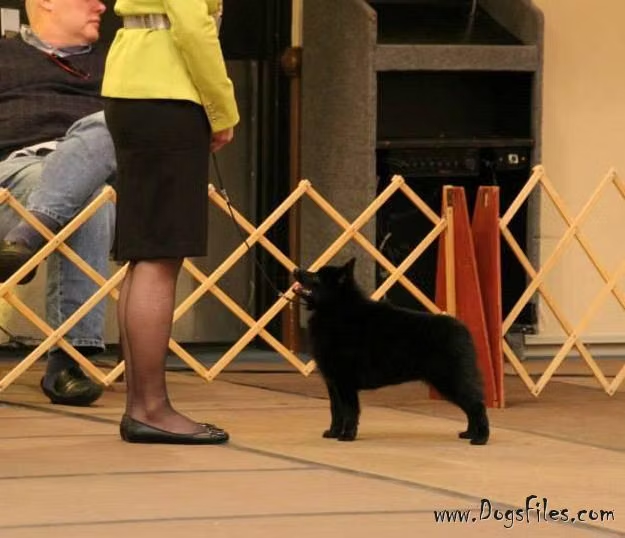
Шыпэрке мае невялікае, каржакаватае чорнае цела, лісіную галаву, стаячыя вушы і густую двайную поўсць, якая ўтварае выразны каўнер вакол шыі.
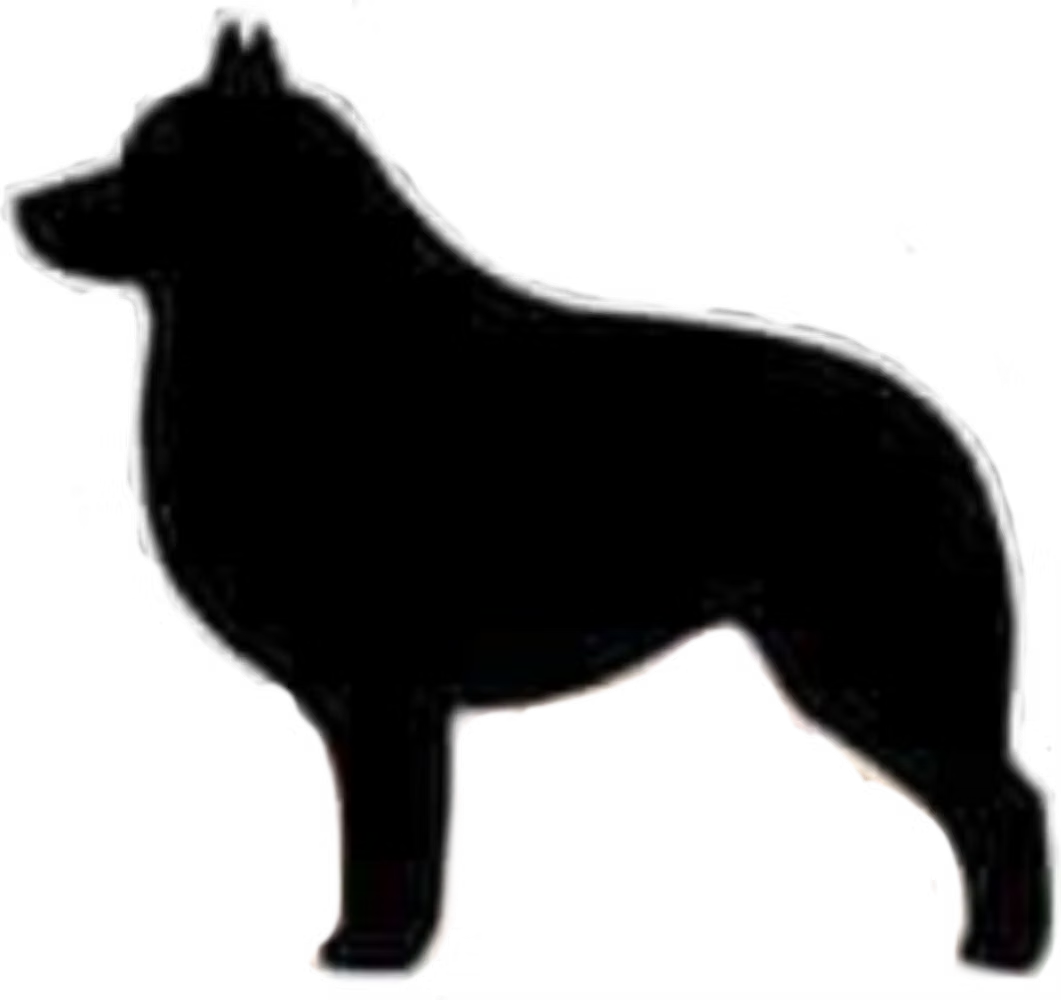
Шыпэрке мае кампактны, квадратны сілуэт з глыбокімі грудзьмі і роўнай спінай. Галава лісінай формы, з завостранай мордай, маленькімі стаячымі трохвугольнымі вушамі і цёмнымі авальнымі вачыма, якія надаюць пільны выраз. У цэлым яна выглядае як руплівая, спрытная маленькая сабака.
| Прымета | Тыповы дыяпазон |
|---|---|
| Вышыня | 25-33 см у холцы |
| Вага | 3-7 кг |
| Поўсць | Густая двайная поўсць; кароткая на мордзе і пярэдняй частцы лап, даўжэйшая вакол шыі, грудзей і задняй часткі |
| Колеры | Суцэльны чорны колер з'яўляецца традыцыйным і найбольш распаўсюджаным |
| Вочы | Маленькія, авальныя, цёмна-карыя |
Поўсць і колеры
Поўсць адстае ад цела і ўтварае некалькі выразных участкаў даўжэйшай поўсці: каўнер вакол шыі, накідку на плячах і доўгае аперанне ззаду, якое часта называюць кюлотамі. Суцэльны чорны колер з'яўляецца класічным і найбольш звязаным з пародай. Некаторыя рэестры і рэгіёны дапускаюць іншыя суцэльныя колеры, але чорны застаецца асноўным чаканым варыянтам. Двайная поўсць паступова ліняе на працягу года і моцна ліняе ў сезонныя перыяды.
Тэмперамент
Шыпэрке ўпэўненая, цікаўная і пільная, адданая сваёй сям'і, але насцярожаная з незнаёмцамі і хутка брэша, што робіць яе эфектыўным маленькім вартаўніком.
Шыпэрке ўпэўненая ў сабе і смелая, нягледзячы на свой памер. Яна глыбока прывязана да сваёй сям'і і любіць знаходзіцца ў цэнтры хатніх спраў. З людзьмі, якіх яна добра ведае, сабака пяшчотная і гуллівая.
З незнаёмцамі парода звычайна трымаецца стрымана і насцярожана. Яна хутка заўважае змены ў навакольным асяроддзі і брэша, каб паведаміць пра гасцей або незвычайныя гукі. Гэтая рыса паходзіць ад яе працы вартаўніка. Ранняя і пастаянная сацыялізацыя дапамагае не даваць гэтай насцярожанасці перарастаць у празмерную падазронасць.
Побач з іншымі жывёламі шыпэрке звычайна ладзіць добра, асабліва калі яе выхоўвалі разам з імі, хоць моцны паляўнічы інстынкт можа прымусіць яе ганяцца за дробнымі жывёламі, такімі як грызуны. Яна звычайна добра паводзіць сябе са старэйшымі дзецьмі, якія ставяцца да яе з павагай. Яе энергічнасць і хуткая рэакцыя азначаюць, што кантакты з зусім маленькімі дзецьмі трэба наглядаць.
| Рыса | Ацэнка |
|---|---|
| Прыхільнасць | 4 |
| Энергія | 5 |
| Здольнасць да навучання | 4 |
| Схільнасць да брэху | 5 |
| Ліньванне | 3 |
Догляд і грумінг
Шыпэрке патрабуе рэгулярнага вычэсвання двайной поўсці, штодзённых нагрузак і разумовай актыўнасці, а таксама бяспечнага асяроддзя, якое стрымлівае яе цікаўнасць.
Догляд за поўсцю
- Расчэсвайце двайную поўсць адзін-два разы на тыдзень, каб прыбраць адмерлую поўсць і прадухіліць скатванне ў каўняры і задняй частцы.
- Падчас сезоннага ліньвання расчэсвайце некалькі разоў на тыдзень, калі падшэрстак актыўна выпадае.
- Купайце сабаку толькі пры неабходнасці; бруд даволі лёгка вычэсваецца з поўсці.
- Абразайце кіпці кожныя некалькі тыдняў і правярайце вушы на наяўнасць вушнай серы ці бруду.
- Рэгулярна чысціце зубы, каб падтрымліваць здароўе ротавай поласці.
Фізічныя нагрузкі
- Забяспечвайце не менш за 45-60 хвілін актыўнасці ў дзень паміж прагулкамі і гульнямі.
- Дадавайце разумовую нагрузку: трэніровачныя гульні, пошукавыя гульні або галаваломкі-цацкі.
- Выкарыстоўвайце надзейна агароджаную пляцоўку для гульняў без павадка, бо парода спрытная і схільная да даследавання.
- Разгледзьце занятак сабачымі відамі спорту, такімі як аджыліці або паслухмянасць, якія адпавядаюць энергіі пароды.
Асяроддзе
Шыпэрке прыстасоўваецца да кватэры або дома, калі яе патрэбы ў фізічных нагрузках задавальняюцца. Лепш за ўсё яна пачувае сябе пры наяўнасці агароджанага двара або надзейнага рэжыму прагулак. У беларускіх умовах з халодным кантынентальным кліматам і суровымі зімамі густая двайная поўсць добра абараняе сабаку ад холаду, але патрабуе дадатковай увагі падчас ліньвання. Паколькі шыпэрке цікаўная і можа лазіць і ўцякаць, агароджы і брамкі трэба правяраць на наяўнасць прабелаў.
Харчаванне
Шыпэрке добра пачувае сябе на поўнацэнным рацыёне, разлічаным на яе невялікі памер і высокую актыўнасць, які падаецца дазаванымі порцыямі, каб прадухіліць набор вагі.
Шыпэрке патрэбны поўнацэнны і збалансаваны рацыён, адпаведны яе жыццёваму этапу. Паколькі яна невялікая і актыўная, кантроль порцый мае значэнне: сабаку такога памеру лёгка перакарміць, а лішняя вага стварае нагрузку на суставы і спіну. Абірайце корм, распрацаваны для дробных парод, або корм з адпаведным памерам гранул, і карэктуйце колькасць, каб сабака заставалася стройнай.
| Жыццёвы этап | Колькасць у дзень | Прыёмы ежы |
|---|---|---|
| Шчаня (2-6 месяцаў) | Паводле інструкцыі вытворцы для вагі, дзеліцца на маленькія порцыі | 3-4 |
| Шчаня (6-12 месяцаў) | Паводле інструкцыі вытворцы для вагі | 2-3 |
| Дарослая сабака | Прыблізна 70-150 г сухога корму ў залежнасці ад вагі і актыўнасці | 2 |
| Сабака сталага веку | Дарослая норма, зменшаная пры зніжэнні актыўнасці | 2 |
Ласункі і дабаўкі
Абмяжоўвайце ласункі невялікай доляй ад штодзённай нормы калорый і ўлічвайце іх пры вымярэнні порцый ежы. Большасці шыпэрке на поўнацэнным рацыёне дабаўкі не патрэбныя. Абмяркуйце любую дабаўку для суставаў, скуры ці іншых мэт з ветэрынарам перад яе ўвядзеннем і забяспечвайце пастаянны доступ да свежай вады.
Здароўе і працягласць жыцця
Шыпэрке звычайна вызначаецца моцным здароўем і мае працягласць жыцця 13-15 гадоў, хоць мае некалькі вядомых спадчынных станаў, на якія варта праводзіць скрынінг.
Шыпэрке з'яўляецца, як правіла, здаровай і даўгавечнай пародай, з тыповай працягласцю жыцця 13-15 гадоў. Адказнае разводжанне і рэгулярны ветэрынарны догляд спрыяюць гэтай даўгавечнасці. Як і ў любой пароды, некаторыя спадчынныя і ўзроставыя станы сустракаюцца часцей, і пра іх варта ведаць.
| Стан | Прыметы | Заўвага |
|---|---|---|
| Мукаполісахарыдоз тыпу IIIB (хвароба назапашвання) | Прагрэсуючая страта каардынацыі і раўнавагі ва ўзросце | Даступны генетычны тэст; сумленныя заводчыкі праводзяць скрынінг |
| Вывіх каленнай кубачкі | Скачкападобная хада, перыядычная кульгавасць на заднія лапы | Ад лёгкай формы да патрэбы ў аперацыі |
| Дысплазія тазасцегнавага сустава | Скаванасць, зніжэнне актыўнасці, кульгавасць | Ацэньваецца шляхам абследавання тазасцегнавых суставаў |
| Захворванні вачэй | Замутненне або змены зроку | Рэгулярныя праверкі вачэй дапамагаюць ранняму выяўленню |
| Гіпатыраёз | Набор вагі, нізкая энергія, змены поўсці | Кантралюецца штодзённым медыкаментозным лячэннем |
Прафілактычны догляд
- Своечасова праводзьце асноўныя вакцынацыі і прафілактыку паразітаў.
- Плануйце штогадовыя агляды, а для сабак сталага веку прызначайце больш частыя візіты.
- Падтрымлівайце стройную форму цела, каб абараняць суставы і спіну.
- Сачыце за станам зубоў, каб прадухіліць захворванні тканак ротавай поласці.
- Абірайце шчанят ад заводчыкаў, якія тэсціруюць на вядомыя спадчынныя станы.
Дрэсіроўка
Шыпэрке разумная і хутка вучыцца, але яе незалежнасць і энергія патрабуюць паслядоўнай дрэсіроўкі на аснове заахвочвання і ранняй сацыялізацыі.
Шыпэрке кемлівая і хутка засвойвае новае, таму дрэсіроўка прыносіць добры вынік пры паслядоўным падыходзе. Тая ж кемлівасць спалучаецца з незалежным характарам, так што сабака будзе правяраць межы дазволенага і губляць цікавасць да аднастайных практыкаванняў. Лепш за ўсё працуюць кароткія, разнастайныя і матывуючыя заняткі. Ранняя сацыялізацыя важная, каб змякчыць прыродную насцярожанасць пароды да незнаёмцаў і кантраляваць сігнальны брэх, пакуль ён не стаў звычкай.
Асновы
- Пачынайце сацыялізацыю рана, знаёмячы шчаня з людзьмі, месцамі і іншымі жывёламі.
- Навучыце надзейнай камандзе "да мяне", паколькі парода цікаўная і схільная да блукання.
- Устанаўлівайце хатнія правілы і прывучэнне да клеткі або межаў з самага пачатку.
- Увядзіце каманду для супакойвання, каб кантраляваць брэх.
- Паступова павялічвайце працягласць заняткаў і ўзровень адцягненняў, захоўваючы заняткі кароткімі і бадзёрымі.
Разводжанне
У шыпэрке звычайна нараджаюцца невялікія або сярэднія па памеры памёты, а адказнае разводжанне залежыць ад медыцынскага скрынінгу абаіх бацькоў на вядомыя спадчынныя станы.
Шыпэрке дасягаюць фізічнай сталасці на першым годзе жыцця, хоць заводчыкі звычайна чакаюць, пакуль сабака поўнасцю не сфарміруецца і не пройдзе медыцынскае тэставанне, перш чым дапускаць яе да разводжання. Сук вяжуць па разумным, добра размеркаваным графіку з улікам іх стану і ўзросту. Цяжарнасць у сабак у сярэднім працягваецца каля 63 дзён.
Памёты звычайна невялікія або сярэднія па памеры. За акоцінам і раннім доглядам звычайна сочыць маці, але спакойнае, цёплае месца для акоціну і ўважлівы нагляд дапамагаюць, асабліва ў дробнай пароды, дзе шчаняты нараджаюцца вельмі маленькімі. Шчанят адлучаюць ад маці на працягу некалькіх тыдняў, і ім карысна раннае, далікатнае абыходжанне і сацыялізацыя для падтрымання тэмпераменту пароды.
Адказнае разводжанне грунтуецца на здароўі. Абаіх бацькоў трэба праверыць на станы, вядомыя ў пароды, уключаючы генетычны тэст на мукаполісахарыдоз тыпу IIIB, а таксама ацэнку каленных кубачак, тазасцегнавых суставаў і вачэй. Падбор сабак па тэмпераменце і будове дапамагае захоўваць працоўны характар пароды.
| Паказчык | Значэнне |
|---|---|
| Палавая сталасць | Прыблізна 6-12 месяцаў (разводжанне адкладаецца да поўнай сталасці) |
| Цяжарнасць | Каля 63 дзён |
| Памер памёту | Невялікі або сярэдні, звычайна некалькі шчанят |
| Адлучэнне | Прыблізна 6-8 тыдняў |
| Ключавыя медыцынскія тэсты | Генетычны тэст на мукаполісахарыдоз IIIB, ацэнка каленных кубачак, тазасцегнавых суставаў і вачэй |
Рэгістрацыя сабакі пароды Schipperke і мікрачыпа
Бясплатны пажыццёвы профіль для сабакі пароды Schipperke ў United Pet Club, з зарэгістраваным чыпам і без платы за падаўжэнне.
Як зарэгістраваць сабаку пароды Schipperke у Беларусі
Сканер у прытулку карысны роўна настолькі, наколькі карысны рэестр за нумарам. Дайце сабаку пароды Schipperke рэестр, які адказвае заўсёды: бясплатная картка з фота, дадзенымі і вашым тэлефонам, даступная кругласутачна, дома і за мяжой. Рэгістрацыя робіцца адзін раз і застаецца назаўсёды.
Пятнаццаць лічбаў пад скурай сабакі пароды Schipperke пакажуць на вас толькі тады, калі пра гэта скажа рэестр. Няхай скажа бясплатна: запіс у United Pet Club не мае тэрміну дзеяння, прымае чып любой маркі, а кожная змена дадзеных бясплатная. Рэгістрацыя мікрачыпа спачатку, акаўнт адразу за ёй.
Як зарэгістраваць сабаку пароды Schipperke у Беларусі?
Стварыце бясплатны акаўнт у United Pet Club, запоўніце дадзеныя сабакі пароды Schipperke з фота і захавайце профіль. Ён бясплатны ўсё жыццё сабакі, а мясцовая рэгістрацыя па месцы жыхарства ідзе сваім парадкам.
Як зарэгістраваць мікрачып сабакі пароды Schipperke?
Увядзіце 15-значны нумар чыпа ў бясплатным акаўнце разам з адрасам і тэлефонам. Пажыццёвы план прымае чып любой маркі і ніколі не бярэ платы за абнаўленні.
Ці абавязкова чыпаваць сабаку пароды Schipperke у Беларусі?
Адзінага дзяржаўнага патрабавання аб чыпах няма; сабак рэгіструюць у мясцовых службах па месцы жыхарства. Карысць ад чыпа з'яўляецца толькі з актуальным запісам, і гэты запіс United Pet Club вядзе бясплатна.
Колькі каштуе рэгістрацыя сабакі пароды Schipperke?
Нічога. Бясплатны пажыццёвы план уключае профіль, рэгістрацыю мікрачыпа і ўсе будучыя абнаўленні, без штогадовых плацяжоў.
Частыя пытанні
Частыя пытанні пра памер, тэмперамент, патрэбы ў доглядзе, працягласць жыцця, прыдатнасць і даступнасць шыпэрке.
Які памер у шыпэрке?
Гэта дробная парода, звычайна вагой 3-7 кілаграмаў і вышынёй у холцы каля 25-33 сантыметраў, хоць трымаецца яна, як значна большая сабака.
Які тэмперамент у шыпэрке?
Упэўнены, цікаўны і пільны. Сабака пяшчотная са сваёй сям'ёй, стрыманая з незнаёмцамі і хутка брэша, што робіць яе здольным маленькім вартаўніком.
Ці складана даглядаць шыпэрке?
Догляд умераны. Двайная поўсць патрабуе штотыднёвага расчэсвання з больш інтэнсіўным ліньваннем у сезонныя перыяды, а сабаку патрэбныя штодзённыя фізічныя нагрузкі і разумовая стымуляцыя, каб яна была задаволеная.
Колькі жывуць шыпэрке?
Звычайна 13-15 гадоў, што вельмі шмат для сабакі і адлюстроўвае агульнае моцнае здароўе пароды.
Ці добрая шыпэрке для сям'і?
Так, для актыўных гаспадарстваў. Яна моцна прывязваецца да сваёй сям'і і добра ладзіць са старэйшымі дзецьмі, якія ставяцца да яе з павагай, хоць яе энергія і паляўнічы інстынкт патрабуюць нагляду побач з зусім маленькімі дзецьмі і дробнымі жывёламі.
Ці лёгка знайсці шыпэрке?
Гэта адносна рэдкая парода, якую трымаюць пераважна аматары, таму пошук шчаняці ад заводчыка, які праводзіць медыцынскае тэставанне, можа спатрэбіць чаргу чакання.
Ці шмат брэшуць шыпэрке?
Яны голасныя ад прыроды і брэшуць, каб папярэдзіць пра небяспеку. Ранняя дрэсіроўка і каманда для супакойвання дапамагаюць трымаць брэх пад кантролем.
From the community
Ask about the SchipperkeNo questions about the Schipperke yet. Be the first to ask.
Browse Dog breeds