
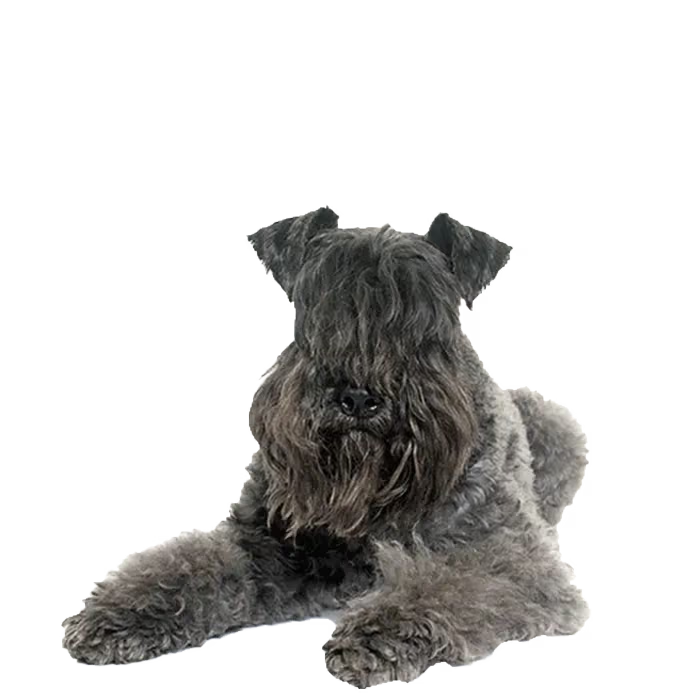
Kerry Blue Terrier
The Kerry Blue Terrier is a spirited, intelligent Irish breed known for its distinctive soft blue coat and devoted, alert nature.
- Size
- Medium
- Lifespan
- 12–15 years
- Origin
- Ireland
- Temperament
- Spirited
- Standard colors
- Чорны, Шэры і Блакітны and 3 more
Characteristics
Coat and grooming
How the Kerry Blue Terrier coat is built, and what that means when you groom it.
- Слаі поўсці
- Адзінарная поўсць
- Структура поўсці
- Хвалістая, Кучаравая
- Даўжыня поўсці
- Сярэдняя
- Лінька
- Слабая лінька
Grooming guidance
Асцярожна: A Kerry Blue Terrier coat mats easily.
Тонкі або доўгі волас блытаецца каля асновы поўсці, дзе гэтага не відаць, і каўтуны сцягваюцца і цягнуць скуру. Расчэсваць трэба пасмамі да самых каранёў, а не толькі па паверхні.
Да ведама: A Kerry Blue Terrier needs clipping every few weeks.
Гэтая поўсць расце бесперапынна, а не выпадае, таму яе трэба падраўноўваць кожныя некалькі тыдняў. Калі яе не стрыгчы, яна збіваецца каля самай скуры і ўтрымлівае вільгаць, бруд і цяпло.
Kerry Blue Terrier colors and patterns
What each club's breed standard says about every Kerry Blue Terrier color and pattern. Point at a ruling to see the club's own wording.
Breed standards describe the Kerry Blue Terrier in Чорны, Шэры, Блакітны, Серабрысты, Аспідны і Падпал. Standard patterns: Аднатонны.
| Color or pattern | FCI | AKC | UKC | KC | KUSA |
|---|---|---|---|---|---|
| Чорны | Па стандарце (“Black is permissible only up to the age of 18 months”) | Па стандарце (“an apparent black at birth”) | Па стандарце (“puppies are born black or nearly black”) | Па стандарце (“Black”) | Па стандарце (“a dark colour up to the age of 18 months”) |
| Шэры | Па стандарце (“Blue of any shade”) | Па стандарце (“Gray”) | Па стандарце (“Any shade of blue is permissible”) | Па стандарце (“Any shade of blue”) | Па стандарце (“Any shade of blue”) |
| Блакітны | Па стандарце (“Blue of any shade”) | Па стандарце (“Blue”) | Па стандарце (“Any shade of blue is permissible”) | Па стандарце (“Any shade of blue”) | Па стандарце (“Any shade of blue”) |
| Серабрысты | Па стандарце (“Blue of any shade”) | Па стандарце (“Silver”) | Па стандарце (“Any shade of blue is permissible”) | Па стандарце (“Any shade of blue”) | Па стандарце (“Any shade of blue”) |
| Аспідны | Па стандарце (“Blue of any shade”) | Па стандарце (“Slate Blue”) | Па стандарце (“Any shade of blue is permissible”) | Па стандарце (“Any shade of blue”) | Па стандарце (“Any shade of blue”) |
| Падпал | Па стандарце (“as is also a shade of tan”) | Па стандарце (“shades or tinges of brown”) | Па стандарце (“shades of brown”) | Па стандарце (“Tan permissible in puppies”) | Па стандарце (“Tan permissible in puppies”) |
| Альбінос | Недахоп | No ruling | Дыскваліфікацыйны (“Albinism”) | Не прызнаны | Не прызнаны |
| Patterns | |||||
| Аднатонны | No ruling | Па стандарце (“of a fairly uniform color throughout”) | Па стандарце (“Color is fairly uniform”) | Не прызнаны | Не прызнаны |

| Color or pattern | FCI | AKC | UKC | KC | KUSA |
|---|---|---|---|---|---|
| Цёмна-карычневы | Па стандарце (“Dark”) | Па стандарце (“Dark”) | Па стандарце (“Dark”) | Па стандарце (“Dark as possible”) | Па стандарце (“Dark as possible”) |
| Арэхавы | Па стандарце (“dark hazel”) | No ruling | Па стандарце (“dark hazel”) | No ruling | No ruling |
| Светла-карычневы | Недахоп (“Yellow or light coloured eyes”) | No ruling | Недахоп (“light eyes”) | No ruling | No ruling |
| Жоўты | Недахоп (“Yellow or light coloured eyes”) | Недахоп (“Anything approaching a yellow eye is very undesirable”) | Недахоп (“Yellow eyes”) | No ruling | No ruling |
| Color or pattern | FCI | AKC | UKC | KC | KUSA |
|---|---|---|---|---|---|
| Чорны | Па стандарце (“Black”) | Па стандарце (“Black”) | Па стандарце (“Nose is black”) | Па стандарце (“nose black”) | Па стандарце (“nose black”) |
What the rulings mean
- Па стандарце
- Described by the club's breed standard.
- Недахоп
- Named by the club's breed standard as a fault: the animal can be shown but is penalized.
- Дыскваліфікацыйны
- The club's breed standard disqualifies an animal of this color or pattern.
- Не прызнаны
- The club does not accept this color or pattern for the breed.
Color changes
How a Kerry Blue Terrier's colors can change over its life.
Чорныchanges toІржавы
Поўсць · Са станам арганізма · can change back
Чорныchanges toШэры
Поўсць · Прагрэсіўнае
Чорныchanges toБлакітны
Поўсць · Прагрэсіўнае · from 0 to 78 weeks
Чорныchanges toКарычневы
Поўсць · На сонцы · can change back
Чорныchanges toЗімовы нос
Мочка носа · Па сезоне · can change back
Чорныchanges toРужовы
Мочка носа · Па сезоне · can change back
%22%3E%3Crect%20x%3D%2217%22%20y%3D%2210%22%20width%3D%2230%22%20height%3D%2242%22%20fill%3D%22url(%23g)%22%2F%3E%3C%2Fg%3E%3Cuse%20href%3D%22%23s%22%20fill%3D%22none%22%20stroke%3D%22%233B2A20%22%20stroke-opacity%3D%220.6%22%20stroke-width%3D%221%22%20stroke-linejoin%3D%22round%22%2F%3E%3Cpath%20d%3D%22M12.5%2037Q13%2032%2018.5%2032Q23.5%2032.5%2023.5%2036.5Q20.5%2035.5%2018.8%2037Q17.4%2038.6%2018%2041.5Q13.6%2040.4%2012.5%2037Z%22%20fill%3D%22%231C1C1C%22%20fill-opacity%3D%220.8%22%20stroke%3D%22%23F5F5F0%22%20stroke-opacity%3D%220.4%22%20stroke-width%3D%220.9%22%2F%3E%3Cpath%20d%3D%22M51.5%2037Q51%2032%2045.5%2032Q40.5%2032.5%2040.5%2036.5Q43.5%2035.5%2045.2%2037Q46.6%2038.6%2046%2041.5Q50.4%2040.4%2051.5%2037Z%22%20fill%3D%22%231C1C1C%22%20fill-opacity%3D%220.8%22%20stroke%3D%22%23F5F5F0%22%20stroke-opacity%3D%220.4%22%20stroke-width%3D%220.9%22%2F%3E%3Cpath%20d%3D%22M32%2040V50%22%20fill%3D%22none%22%20stroke%3D%22%231C1C1C%22%20stroke-width%3D%221.3%22%20stroke-opacity%3D%220.5%22%20stroke-linecap%3D%22round%22%20stroke-linejoin%3D%22round%22%2F%3E%3Cellipse%20cx%3D%2232%22%20cy%3D%2221%22%20rx%3D%2212%22%20ry%3D%223.5%22%20fill%3D%22%23F5F5F0%22%20fill-opacity%3D%220.18%22%2F%3E%3C%2Fsvg%3E)
Sources
Each ruling comes from the club's published breed standard or color list.
Meet some of our Kerry Blue Terrier
A few of the Kerry Blue Terrier profiles members have added to United Pet Club.


Керы-блю-тэр'ер: апісанне пароды
Керы-блю-тэр'ер з'яўляецца ірландскім рабочым тэр'ерам сярэдняга памеру з мяккай хвалістай блакітна-шэрай шэрсцю, адданым сям'і, жвавым і пільным па характары.
Гэтая парода тэр'ераў сярэдняга памеру паходзіць з горных раёнаў графства Керы на поўдні Ірландыі. Сабак выкарыстоўвалі як універсальных фермерскіх памочнікаў: яны лавілі пацукоў і іншых шкодных жывёл, пасвілі жывёлу, ахоўвалі гаспадарку і прыносілі здабычу з вады. Гэтае рабочае мінулае адчуваецца ў пародзе і сёння: сабака энергічны, хутка вучыцца і ўважліва сочыць за навакольным асяроддзем.
Самай пазнавальнай рысай пароды з'яўляецца шэрсць. Шчаняты нараджаюцца чорнымі і паступова, на працягу першых 12-18 месяцаў, змяняюць колер на сталую блакітна-шэрую афарбоўку, якая і дала пародзе назву. Шэрсць мяккая, шчыльная і хвалістая, а не жорсткая, і амаль не ліняе, што прываблівае гаспадароў, якія шукаюць тэр'ера з мінімальным ліненнем.
Керы-блю-тэр'еры адданыя сваім сем'ям і, як правіла, моцна прывязваюцца да людзей, з якімі жывуць. Яны пільныя і схільныя ахоўваць тэрыторыю, таму з іх атрымліваюцца ўважлівыя вартавыя, аднак для захавання ўраўнаважанасці ў зносінах з незнаёмцамі і іншымі сабакамі неабходная паслядоўная сацыялізацыя.
| Параметр | Апісанне |
|---|---|
| Паходжанне | Ірландыя (графства Керы) |
| Памер | Сярэдні |
| Працягласць жыцця | 12-15 гадоў |
| Група / прызначэнне | Тэр'ер; у мінулым фермерскі сабака і паляўнічы на грызуноў |
| Падыходзіць для | Адказных сем'яў; дзяцей старэйшага ўзросту; дамоў без іншых сабак пры ранняй сацыялізацыі |
Каму падыходзіць гэтая парода
Керы-блю-тэр'ер падыходзіць актыўным гаспадарам, здольным забяспечыць штодзённыя фізічныя нагрузкі, рэгулярны догляд шэрсці і паслядоўнае навучанне. Лепш за ўсё сабака адчувае сябе з людзьмі, якія любяць актыўнае, узаемадзейнае жыццё з жывёлай і ўмеюць кантраляваць тэр'ерскі інстынкт побач з дробнымі жывёламі і незнаёмымі сабакамі. Парода менш падыходзіць сем'ям, якія шукаюць сабаку, што не патрабуе шмат увагі.
Гісторыя і паходжанне пароды
Керы-блю-тэр'ер сфарміраваўся ў графстве Керы на Ірландыі як фермерскі рабочы сабака і ў пачатку XX стагоддзя стаў адной з нацыянальных парод краіны.
Назву парода атрымала ад графства Керы на паўднёвым захадзе Ірландыі, дзе ўжо ў XIX стагоддзі яна склалася як рабочы сабака невялікіх ферм. Мясцовыя жыхары выкарыстоўвалі яе для самых розных задач: знішчэння пацукоў і іншых шкоднікаў, выпасу буйной рагатай жывёлы і авечак, аховы гаспадаркі, а таксама пошуку і прыносу здабычы на сушы і ў вадзе. Дакладнае паходжанне пароды не задакументавана, існуе некалькі тэорый пра тое, якія пароды маглі паўплываць на яе фарміраванне, аднак ніводная з іх канчаткова не пацверджана.
Большую частку сваёй ранняй гісторыі керы-блю-тэр'ер заставаўся сабакам фермера, а не выставачным сабакам. Шырэйшую вядомасць у Ірландыі ён атрымаў у пачатку 1900-х гадоў, тады ж узніклі першыя клубы аматараў пароды. У 1920 годзе быў заснаваны Дублінскі клуб ірландскага блакітнага тэр'ера, які спрыяў афіцыйнаму афармленню пароды і яе распаўсюджванню за межамі роднага рэгіёна.
Керы-блю-тэр'ер звязаны з ірландскай нацыянальнай ідэнтычнасцю, і ў папулярных апавяданнях яго часам згадваюць побач з дзеячамі эпохі барацьбы Ірландыі за незалежнасць. Брытанскі Кенэл-клуб прызнаў пароду ў пачатку 1920-х гадоў, а Амерыканскі кенэл-клуб прызнаў яе ў 1922 годзе.
З Ірландыі парода распаўсюдзілася ў Брытанію, ЗША і краіны кантынентальнай Еўропы. Сёння керы-блю-тэр'ера трымаюць пераважна як кампаньёна, выставачнага і спартыўнага сабаку, аднак ён захаваў энергію і інстынкты, уласцівыя яго рабочым продкам.
Знешні выгляд і стандарт пароды
Керы-блю-тэр'ер мае кампактнае мускулістае цела сярэдняга памеру, мяккую хвалістую блакітна-шэрую шэрсць, падоўжаную галаву і роўную лінію спіны.
Керы-блю-тэр'ер мае прапарцыянальнае, мускулістае цела сярэдняга памеру. У яго падоўжаная галава, невялікія цёмныя вочы, моцныя сківіцы і невялікія або сярэднія вушы, якія звісаюць наперад да чэрапа. Тулава кароткае і кампактнае, з роўнай лініяй спіны, а хвост трымаецца ўзнята. У цэлым сабака ўспрымаецца як збалансаваны, моцны тэр'ер, пабудаваны для працы, а не толькі для выстаў.
| Паказчык | Норма |
|---|---|
| Рост | Кабелі каля 46-48 см (18-19,5 цаля); сукі трохі меншыя |
| Вага | Каля 15-18 кг (33-40 фунтаў) |
| Шэрсць | Мяккая, шчыльная, хвалістая; амаль не ліняе; адзін пласт без падшэрстку |
| Афарбоўка | Любое адценне блакітна-шэрага, з чорнымі адзнакамі або без іх |
| Вочы | Невялікія, цёмныя, правільна пастаўленыя |
Шэрсць і афарбоўка
Шчаняты керы-блю-тэр'ера нараджаюцца чорнымі. На працягу першых 12-18 месяцаў шэрсць святлее і набывае сталую блакітна-шэрую афарбоўку, характэрную для пароды. Дапушчальныя адценні вар'іруюцца ад глыбокага графітавага да больш светлага блакітна-шэрага, і ў некаторых сабак сустракаюцца чорныя адзнакі на мордзе, вушах, лапах або хвасце. Калі да 18 месяцаў шэрсць яшчэ не набыла блакітны колер цалкам, гэта лічыцца недахопам паводле большасці стандартаў. Тэкстура шэрсці мяккая і хвалістая, а не грубая, і з-за таго, што шэрсць расце пастаянна, яе трэба рэгулярна падстрыгаць, каб захаваць форму.
Характар і паводзіны
Керы-блю-тэр'ер адрозніваецца адданасцю, жвавасцю і розумам, моцна прывязваецца да сям'і, насцярожана ставіцца да незнаёмцаў і мае выяўлены тэр'ерскі інстынкт да іншых жывёл.
Керы-блю-тэр'ер вылучаецца жывасцю, упэўненасцю і моцнай прывязанасцю да свайго дому. Ён ласкавы і гуллівы з людзьмі, якіх ведае, і імкнецца ўдзельнічаць ва ўсім, чым займаецца сям'я. Развіты інтэлект дазваляе яму хутка вучыцца, аднак той жа розум прыводзіць да таго, што сабака сумуе або становіцца ўпартым, калі не атрымлівае дастаткова разумовай нагрузкі.
З незнаёмцамі парода звычайна насцярожаная і стрыманая. Дзякуючы гэтай насцярожанасці керы-блю-тэр'ер становіцца эфектыўным вартавым. Ранняя і пастаянная сацыялізацыя дапамагае сабаку адрозніваць сапраўдную пагрозу ад звычайных гасцей. З дзецьмі ён звычайна добра ладзіць, калі расце побач з імі, і лепш за ўсё падыходзіць для дзяцей старэйшага ўзросту, якія ўмеюць паводзіць сябе з актыўным сабакам.
Тэр'ерскае мінулае пароды найбольш выразна праяўляецца ў паводзінах з іншымі жывёламі. У многіх керы-блю-тэр'ераў высокі паляўнічы інстынкт да дробных хатніх жывёл, і яны могуць паводзіць сябе настойліва з незнаёмымі сабакамі, асабліва аднаго з імі полу. У дамах з некалькімі жывёламі важныя асцярожныя знаёмствы і паслядоўны кантроль, а некаторым керы-блю-тэр'ерам лепш заставацца адзінай сабакай у сям'і.
| Рыса | Ацэнка |
|---|---|
| Прыхільнасць | 5 |
| Энергічнасць | 4 |
| Здольнасць да навучання | 4 |
| Гаваркосць | 3 |
| Ліненне | 1 |
Догляд і штодзённыя патрэбы
Керы-блю-тэр'еру патрэбны частыя працэдуры догляду за шэрсцю, якая пастаянна расце, штодзённыя фізічныя нагрузкі і асяроддзе з надзейна абгароджанай тэрыторыяй.
Догляд за керы-блю-тэр'ерам грунтуецца на доглядзе шэрсці і фізічных нагрузках. Шэрсць расце пастаянна і амаль не ліняе, таму адмерлыя валаскі застаюцца ў шэрсці і прыводзяць да збіцця ў каўтуны, калі за імі не сачыць. Фізічная і разумовая актыўнасць аднолькава важныя, бо сабака, які атрымлівае недастаткова нагрузкі, можа стаць неспакойным і разбуральным.
Догляд за шэрсцю
- Расчэсвайце шэрсць некалькі разоў на тыдзень, каб пазбегнуць каўтуноў у мяккай хвалістай шэрсці.
- Падстрыгайце або стрыжыце шэрсць прыкладна кожныя 4-6 тыдняў, каб захаваць яе форму.
- Рэгулярна ачышчайце барадку і вобласць морды, бо там збіраюцца рэшткі ежы і вады.
- Правярайце і чысціце вушы, а таксама пры неабходнасці падстрыгайце кіпці.
Фізічныя нагрузкі
- Забяспечвайце сабаку не менш за 45-60 хвілін актыўнасці штодня.
- Спалучайце шпацыры з актыўнымі гульнямі, кіданнем цацак і бегам без павадка на агароджанай тэрыторыі.
- Дадавайце трэніровачныя гульні, пошукавую работу па паху або інтэлектуальныя цацкі для разумовай стымуляцыі.
- На адкрытай мясцовасці трымайце сабаку на павадку або ў агароджанай прасторы з-за яго паляўнічага інстынкту.
Умовы ўтрымання
Керы-блю-тэр'ер прыстасоўваецца да жыцця ў доме або кватэры, калі атрымлівае дастаткова штодзённых нагрузак, аднак лепш адчувае сябе там, дзе ёсць надзейна агароджаны двор для руху і даследавання тэрыторыі. У беларускіх умовах з халодным кантынентальным кліматам і суровымі зімамі шчыльная, але не занадта тоўстая шэрсць пароды не дае поўнай абароны ад маразоў, таму ў моцны холад сабаку не варта пакідаць надоўга на вуліцы без цёплай коўдры ці цёплага камбінезона. Гэта хатні сабака, які хоча знаходзіцца побач з сям'ёй, і не падыходзіць для доўгага ўтрымання на вуліцы.
Харчаванне і кармленне
Керы-блю-тэр'ер добра сябе адчувае на поўнацэнным рацыёне, падабраным паводле ўзросту, які падаецца дазаванымі порцыямі для падтрымання пругкага мускулістага цела.
Керы-блю-тэр'ер павінен атрымліваць поўнацэнны, збалансаваны корм, распрацаваны з улікам яго памеру і ўзроставай катэгорыі. Як актыўнай мускулістай пародзе, яму карысны якасны бялок, аднак порцыі трэба кантраляваць, каб сабака заставаўся пругкім, бо лішняя вага стварае нагрузку на суставы. Дзённую норму лепш дзяліць на два кармленні, каб падтрымліваць роўны ўзровень энергіі і знізіць рызыку расстройства страўніка. Заўсёды забяспечвайце сабаку свежай вадой і выцірайце барадку пасля ежы, каб вобласць морды заставалася сухой.
| Узроставы этап | Колькасць у дзень | Кармленні |
|---|---|---|
| Шчаня (2-6 месяцаў) | Паводле этыкеткі корму для шчанят, падзелена на порцыі | 3-4 |
| Малады сабака (6-12 месяцаў) | Паводле этыкеткі корму для маладых сабак | 2-3 |
| Дарослы сабака (1-7 гадоў) | Каля 200-300 г сухога корму | 2 |
| Сабака сталага ўзросту (7+ гадоў) | Зніжаная калорыйнасць, падтрыманне вагі | 2 |
Ласункі і дабаўкі
Колькасць ласункаў не павінна перавышаць прыкладна 10 працэнтаў ад дзённай нормы калорый, і іх трэба ўлічваць у агульным рацыёне. Большасці керы-блю-тэр'ераў, якія харчуюцца поўнацэнным гатовым кормам, дадатковыя дабаўкі не патрэбныя, хаця ветэрынар можа парэкамендаваць падтрымку для суставаў сабакам сталага ўзросту або вельмі актыўным жывёлам. Любую змену рацыёну ўводзьце паступова, на працягу прыкладна тыдня, каб пазбегнуць расстройства страўніка.
Здароўе і працягласць жыцця
Керы-блю-тэр'ер у цэлым здаровая парода з працягласцю жыцця 12-15 гадоў, аднак мае некалькі парода-абумоўленых захворванняў, за якімі варта сачыць.
Керы-блю-тэр'ер лічыцца ў цэлым моцнай пародай з тыповай працягласцю жыцця 12-15 гадоў. Як і ў любой пародзе, некаторыя захворванні сустракаюцца часцей, і адказныя заводчыкі правяраюць бацькоў на тыя з іх, якія маюць спадчынную прыроду. Рэгулярны ветэрынарны догляд, кантроль вагі і ўвага да стану скуры і шэрсці дапамагаюць большасці керы-блю-тэр'ераў заставацца здаровымі на працягу ўсяго жыцця.
| Захворванне | Прыкметы | Каментарый |
|---|---|---|
| Дысплазія тазасцегнавых суставаў | Скаванасць рухаў, кульгавасць, нежаданне рухацца | Правяраць плямённых сабак; трымаць сабаку ў пругкай форме |
| Прагрэсіўная нейронавая абіятрафія | Страта каардынацыі, трымценне галавы ў шчанят | Рэдкае спадчыннае неўралагічнае захворванне |
| Захворванні вачэй (напрыклад, катаракта, сіндром сухога вока) | Памутненне, пачырваненне, залішняе слёзацячэнне | Рэкамендуюцца рэгулярныя агляды вачэй |
| Праблемы са скурай і шэрсцю (кісты, дэрматыт) | Ушчыльненні, свербеж, раздражненне | Часта сустракаецца ў пароды; сачыце за станам шэрсці |
| Гіпатыраоз | Набор вагі, млявасць, змены шэрсці | Дыягнастуецца аналізам крыві; паддаецца кантролю |
Прафілактычны догляд
- Своечасова рабіце прышчэпкі і апрацоўку ад паразітаў.
- Падтрымлівайце пругкую форму цела, каб зберагчы суставы.
- Праходзьце штогадовы ветэрынарны агляд, а сабакам сталага ўзросту наведвайце ветэрынара двойчы на год.
- Рэгулярна аглядайце скуру і шэрсць на прадмет ушчыльненняў, кіст або раздражнення.
- Набывайце шчанят у заводчыкаў, якія праводзяць тэсціраванне на дысплазію тазасцегнавых суставаў і захворванні вачэй.
Навучанне і сацыялізацыя
Керы-блю-тэр'ер разумны і паддаецца навучанню, аднак незалежны па натуры, таму лепш за ўсё рэагуе на паслядоўнае навучанне з заахвочваннем, пачатае з ранняга ўзросту.
Керы-блю-тэр'ер хутка вучыцца і любіць мець занятак, таму паказвае добрыя вынікі ў паслухмянасці, аджыліці і іншых сабачых спортах. Тэр'ерская незалежнасць азначае, што ён таксама можа правяраць межы дазволенага, таму навучанне павінна быць паслядоўным, справядлівым і цікавым. Кароткія разнастайныя заняткі ўтрымліваюць яго ўвагу лепш, чым доўгія аднастайныя трэніроўкі. Ранняя сацыялізацыя асабліва важная з улікам насцярожанасці пароды да незнаёмцаў і яе інстынкту да іншых жывёл.
Асновы навучання
- Пачынайце сацыялізацыю яшчэ ў шчанячым узросце, знаёмячы сабаку з людзьмі, месцамі і іншымі жывёламі.
- Навучайце асноўным камандам (сядзець, чакаць, вяртацца, пакінуць) на кароткіх штодзённых занятках.
- Адразу заахвочвайце правільныя дзеянні ласункам, пахвалой або гульнёй.
- Адпрацуйце надзейнае вяртанне па камандзе, перш чым дазваляць бегаць без павадка.
- Захоўвайце адзіныя правілы навучання для ўсіх членаў сям'і.
- Дадавайце больш складаныя заняткі, такія як аджыліці або пошукавыя гульні па паху, каб заняць розум сабакі.
Разводжанне і выхаванне шчанят
Керы-блю-тэр'еры дасягаюць паловай сталасці прыблізна ў 1-2 гады, прыносяць памёты сярэдняга памеру, і перад вязкай карысна праверыць здароўе бацькоў.
Керы-блю-тэр'еры дасягаюць фізічнай сталасці прыблізна да 1-2 гадоў, аднак заводчыкі звычайна чакаюць поўнага сталення і медыцынскага абследавання сабакі, перш чым дапускаць яго да вязкі. Цыкл цечкі ў сук паўтараецца прыблізна двойчы на год. Цяжарнасць працягваецца каля 63 дзён, а памёты для сярэдняй пароды маюць умерены памер.
Адказнае разводжанне пачынаецца з праверкі бацькоў на спадчынныя захворванні тазасцегнавых суставаў, вачэй і нервовай сістэмы, а таксама з увагі да характару жывёлы. Цяжарным суком патрэбны спакойны кут, поўнацэнны рацыён, скарэктаваны з улікам патрэб цяжарнасці і кармлення, і ветэрынарны кантроль аж да акоту.
Нованароджаныя шчаняты нараджаюцца чорнымі і поўнасцю залежаць ад маці ў першыя тыдні жыцця. Адлучэнне ад маці звычайна пачынаецца прыблізна ў 3-4 тыдні, і шчаняты паступова пераводзяцца на цвёрдую ежу. Сацыялізацыю трэба пачынаць яшчэ ў памёце, бо кантакт з дотыкам, гукамі і новымі, мяккімі паводле інтэнсіўнасці, з'явамі ў першыя тыдні фарміруе дарослы характар. Звычайна шчаняты трапляюць у новыя дамы прыблізна з васьмі тыдняў, і да гэтага часу шэрсць яшчэ не паспявае набыць сваю сталую блакітную афарбоўку.
| Паказчык | Значэнне |
|---|---|
| Палавая сталасць | Каля 12-24 месяцаў |
| Цыклы цечкі | Прыблізна двойчы на год |
| Цяжарнасць | Каля 63 дзён |
| Сярэдні памер памёту | Каля 4-8 шчанят |
| Адлучэнне ад маці | Каля 3-6 тыдняў |
| Колер шэрсці пры нараджэнні | Чорны, святлее да блакітнага на працягу 12-18 месяцаў |
Рэгістрацыя сабакі пароды Kerry Blue Terrier і мікрачыпа
Бясплатны пажыццёвы профіль для сабакі пароды Kerry Blue Terrier ў United Pet Club, з зарэгістраваным чыпам і без платы за падаўжэнне.
Як зарэгістраваць сабаку пароды Kerry Blue Terrier у Беларусі
Запоўніце мянушку сабакі пароды Kerry Blue Terrier, дату нараджэння і выразнае фота, дадайце свой тэлефон і захавайце. Гэта ўвесь клопат, і ён нічога не каштуе, ні цяпер, ні потым. Рэгістрацыя сабакі працуе з чыпам і без яго.
Пятнаццаць лічбаў пад скурай сабакі пароды Kerry Blue Terrier пакажуць на вас толькі тады, калі пра гэта скажа рэестр. Няхай скажа бясплатна: запіс у United Pet Club не мае тэрміну дзеяння, прымае чып любой маркі, а кожная змена дадзеных бясплатная. Рэгістрацыя мікрачыпа спачатку, акаўнт адразу за ёй.
Як зарэгістраваць сабаку пароды Kerry Blue Terrier у Беларусі?
Стварыце бясплатны акаўнт у United Pet Club, запоўніце дадзеныя сабакі пароды Kerry Blue Terrier з фота і захавайце профіль. Ён бясплатны ўсё жыццё сабакі, а мясцовая рэгістрацыя па месцы жыхарства ідзе сваім парадкам.
Як зарэгістраваць мікрачып сабакі пароды Kerry Blue Terrier?
Увядзіце 15-значны нумар чыпа ў бясплатным акаўнце разам з адрасам і тэлефонам. Пажыццёвы план прымае чып любой маркі і ніколі не бярэ платы за абнаўленні.
Ці абавязкова чыпаваць сабаку пароды Kerry Blue Terrier у Беларусі?
Адзінага дзяржаўнага патрабавання аб чыпах няма; сабак рэгіструюць у мясцовых службах па месцы жыхарства. Карысць ад чыпа з'яўляецца толькі з актуальным запісам, і гэты запіс United Pet Club вядзе бясплатна.
Колькі каштуе рэгістрацыя сабакі пароды Kerry Blue Terrier?
Нічога. Бясплатны пажыццёвы план уключае профіль, рэгістрацыю мікрачыпа і ўсе будучыя абнаўленні, без штогадовых плацяжоў.
Частыя пытанні
Частыя пытанні пра памер, характар, догляд за шэрсцю, працягласць жыцця, прыдатнасць і даступнасць керы-блю-тэр'ера.
Якога памеру дасягае керы-блю-тэр'ер?
Гэта парода сярэдняга памеру. Кабелі маюць рост каля 46-48 см (18-19,5 цаля) у плячах, сукі трохі меншыя, а большасць сабак важыць каля 15-18 кг (33-40 фунтаў).
Які характар у керы-блю-тэр'ера?
Ён адданы, жвавы, разумны і пільны. Моцна прывязваецца да сям'і, насцярожана ставіцца да незнаёмцаў і мае выяўлены тэр'ерскі інстынкт да іншых жывёл, што патрабуе ранняй сацыялізацыі.
Ці цяжка даглядаць за керы-блю-тэр'ерам?
Догляд патрабуецца ад умеранага да сур'ёзнага ўзроўню. Шэрсць, якая расце пастаянна, трэба расчэсваць некалькі разоў на тыдзень і падстрыгаць кожныя 4-6 тыдняў. Акрамя таго, сабаку трэба забяспечваць штодзённымі нагрузкамі і паслядоўным навучаннем, каб ён заставаўся ўраўнаважаным.
Колькі жывуць керы-блю-тэр'еры?
Пры добрым доглядзе, рэгулярных ветэрынарных аглядах і здаровай вазе большасць сабак жыве 12-15 гадоў.
Ці ліняе керы-блю-тэр'ер?
Ліняе ён вельмі мала. Мяккая аднашаровая шэрсць утрымлівае адмерлыя валаскі, а не скідвае іх, таму рэгулярнае расчэсванне і стрыжка неабходныя, каб пазбегнуць каўтуноў.
Ці добры керы-блю-тэр'ер для сям'і?
Так, у актыўным доме, дзе яму забяспечваюць нагрузкі, догляд і навучанне. Звычайна ён падыходзіць для дзяцей старэйшага ўзросту і лепш за ўсё паказвае сябе пры ранняй сацыялізацыі, а некаторыя асобіны аддаюць перавагу быць адзінай сабакай у сям'і.
Ці лёгка знайсці керы-блю-тэр'ера?
Параўнальна з масавымі пародамі, яны сустракаюцца рэдка. Будучыя гаспадары часта запісваюцца ў чаргу да сумленнага заводчыка, які тэсціруе бацькоў на здароўе.
From the community
Ask about the Kerry Blue TerrierNo questions about the Kerry Blue Terrier yet. Be the first to ask.
Browse Dog breeds