

Border Terrier
The Border Terrier is a happy, good-natured working terrier known for its easygoing affection and tireless love of activity.
- Size
- Small
- Lifespan
- 12–15 years
- Origin
- England
- Temperament
- Good-natured
- Standard colors
- Блакітны, Падпал, Чырвоны і Пшанічны
Characteristics
Coat and grooming
How the Border Terrier coat is built, and what that means when you groom it.
- Слаі поўсці
- Падвойная поўсць
- Структура поўсці
- Жорсткая
- Даўжыня поўсці
- Сярэдняя
- Лінька
- Слабая лінька
Grooming guidance
Асцярожна: A Border Terrier coat should be hand-stripped rather than clipped.
Жорсткая поўсць разлічана на выскубванне з коранем, калі волас паспеў і гатовы аддзяліцца. Машынка замест гэтага зразае яго на палове даўжыні і пакідае мяккі падшэрстак. З-за гэтага поўсць адрастае млявай і выцвілай, а вадаадштурхоўваючая структура вяртаецца толькі пасля новага трымінгу.
Border Terrier colors and patterns
What each club's breed standard says about every Border Terrier color and pattern. Point at a ruling to see the club's own wording.
Breed standards describe the Border Terrier in Блакітны, Падпал, Чырвоны і Пшанічны. Standard patterns: Грызлі і З падпалам.
| Color or pattern | FCI | AKC | UKC | KC | KUSA |
|---|---|---|---|---|---|
| Блакітны | Па стандарце (“blue and tan”) | Па стандарце (“Blue & Tan”) | Па стандарце (“blue and tan”) | Па стандарце (“blue and tan”) | Па стандарце (“blue and tan”) |
| Падпал | Па стандарце (“grizzle and tan, or blue and tan”) | Па стандарце (“Grizzle & Tan”) | Па стандарце (“grizzle and tan and blue and tan”) | Па стандарце (“grizzle and tan, or blue and tan”) | Па стандарце (“grizzle and tan, or blue and tan”) |
| Чырвоны | Па стандарце (“Red”) | Па стандарце (“Red”) | Па стандарце (“red”) | Па стандарце (“Red”) | Па стандарце (“Red”) |
| Пшанічны | Па стандарце (“wheaten”) | Па стандарце (“Wheaten”) | Па стандарце (“wheaten”) | Па стандарце (“wheaten”) | Па стандарце (“wheaten”) |
| Чорны | Не прызнаны | Альтэрнатыўны (“Black & Tan”) | Не прызнаны | Не прызнаны | Не прызнаны |
| Альбінос | Не прызнаны | Не прызнаны | Дыскваліфікацыйны (“Albinism”) | Не прызнаны | Не прызнаны |
| Patterns | |||||
| Грызлі | Па стандарце (“grizzle and tan”) | Па стандарце (“Grizzle & Tan”) | Па стандарце (“grizzle and tan”) | Па стандарце (“grizzle and tan”) | Па стандарце (“grizzle and tan”) |
| З падпалам | Па стандарце (“grizzle and tan, or blue and tan”) | Па стандарце (“Blue & Tan”) | Па стандарце (“grizzle and tan and blue and tan”) | Па стандарце (“grizzle and tan, or blue and tan”) | Па стандарце (“grizzle and tan, or blue and tan”) |
%22%3E%3Cg%20fill%3D%22none%22%20stroke%3D%22%23F5F5F0%22%20stroke-width%3D%221.1%22%20stroke-linecap%3D%22round%22%20stroke-linejoin%3D%22round%22%3E%3Cpath%20d%3D%22M51.8%2048.2l1%203.9M57%2019.4l0.9%203.4M35.6%2022.4l2.5%204.3M54.7%2043.7l0%203.8M30.3%2038.2l0.4%203.3M29.4%2048.1l1.8%203.7M22.9%2035.8l0.5%204.8M27%2035.6l1.9%203.7M17.2%2016.4l0.1%203.9M15.5%2026.2l0.4%203.5M35.7%2027.4l1.2%202.8M27.3%2038.6l1.2%203.6M44.1%2042.1l1.1%203.4M41%2026.7l2.2%204.3M48.3%2027l0.6%203.4M49.6%2037.4l1.6%203.5M48.9%2029.3l1.8%203.7M40%2033.6l1%203M23.7%2034.5l2.1%203.7M53.8%2028.5l0%203.9M41.2%2026.3l2.3%204.2M16.9%2017.7l1.3%204.3M44%2030.8l1.6%203M34.6%2034.6l0.1%203.8M13.1%2013.6l2%204.4M38.9%2033.1l1.5%204.3M45.5%2027.8l0.4%203.4M14.9%2023.8l0.9%204.6M11.8%2024l1.1%204.3M25.9%2031.7l0.3%203.5M39%2023.7l2.1%204M19.7%2034.2l1.1%202.9M39.7%2027.2l2.3%204.4M21%2032.6l1%203M53.4%2031.5l1.9%204.5M43.4%2032.8l0.9%203.4M31.4%2029.1l0%204.6M12.8%2023.7l1.3%203.9M45.9%2042.2l1.5%202.7M54.2%2041l1.1%204.7M26.2%2055l0.7%204.3M18.7%2015.6l0.4%204.6M50.3%2032.5l0.8%204.1M32.1%2051.6l0.6%203.4M24%2021.4l0.9%204.5M48.9%2033.8l0.6%204.9M47.3%2030.5l1.5%203.3M36.5%2034.8l0.6%204.1M24.1%2047.8l0.3%203.4M29.9%2028.1l1.9%203.7M19.8%2019l1.5%203.4M37.7%2033.7l0.6%203.6M39.2%2029.4l0.3%204.1M51%2025.1l0.5%203.8M43.9%2030.4l0.2%203.5M29.3%2038.8l0.5%204.6M42.8%2046l0.5%204.8M53.4%2022l0.2%204M25.1%2051.1l0.2%203M33.5%2034.7l0.9%202.9M19.1%2028.5l0.7%203.4M6.4%2023.2l0.8%203.8M50.8%2042.2l0.2%204M44.7%2046.2l1.9%204.5M13.7%2015.7l2%204.2M46.1%2026.7l0.8%204.7M47.1%2025.3l0.1%203.8M35.6%2035.3l0.7%204.3M31.6%2052.3l0.3%203.4M51.6%2036.3l0.3%204M52.1%2028.7l1.6%203.6M48.6%2028.3l0.4%203.2M15.4%2011.6l0.5%204.2M37.5%2034.9l0.9%203.6M30.4%2033.3l0.3%204.1M49.9%2053.6l0.5%204M48%2036l0.4%203.4M25.3%2034.1l1.9%203.7M42.5%2037.3l1.3%203.4M46.2%2028.3l0.8%203.8M53.5%2041.1l0.8%204.4M24.1%2052.9l1.4%204.5M20.8%2032l1.5%203.9M46.2%2046l1.1%204.6M14.4%2019.4l0.7%203.5M11.6%2018.8l1.2%204M42.2%2027.7l1.6%202.8M24.7%2030l1.7%203.5M55.5%2023.3l0.1%204.6M53.4%2044.6l0.9%204.8M19.4%2022l1%203.1M43.6%2023.9l1.4%203.2M22.4%2020.3l0.6%203.9M15%2019.3l1.8%204.3M18.3%2029.3l1.6%203.7M46.3%2033.8l1.5%203M44.4%2035.9l1.6%202.9M53.3%2036.3l0%203.3M40.2%2025.2l1.3%203.2M41.7%2030.3l1.2%204.7M26%2039.8l0.6%203.8M32.4%2027.6l0.6%204M7.7%2023.3l0.1%203.3M17.5%2020.9l1.2%203.2M8.1%2021.8l0.5%203.1M10.4%2021.4l2.1%204.1M46.3%2043l1.9%203.6M43.2%2054.9l1.1%203.8M14.6%2019.8l1.3%203.6M31.7%2038.5l0.8%203.5M49.3%2026.7l1%203.2%22%2F%3E%3Cpath%20d%3D%22M46.7%2037.9l0.8%204.2M32.3%2037l1.4%204.1M18%2018.6l1.8%203.4M22.5%2023.8l0.6%203.6M50%2050.2l0.1%203.6M41.3%2038.1l1.1%203.1M44.1%2050.8l1.9%203.4M32.2%2045.8l1.9%204.4M52%2050.3l1.3%204.5M34.9%2025.1l1.2%203.7M42.9%2024.8l1.4%204M9.9%2023.9l0.5%203.1M25.4%2046.1l1.7%203.2M45.8%2053.5l0.2%204.5M23%2045.6l0.3%203.8M51%2038.8l0.9%203.4M22.1%2053.2l1.2%203.6M55%2040.1l0.2%204M36.8%2025.5l0.2%203M15%2011.2l1%204.6M14.6%206.6l1.5%204.1M13.9%2012.1l1.5%203.2M22.4%2028.6l1.4%204M42%2032.8l1.6%203.9M54%2047.8l1.1%203.4M54.1%2048.2l0.5%203.2M24.8%2034.7l0.6%204.5M7.8%2021.4l0.1%203.2M15.9%2024.4l1.7%203.3M28.4%2035.5l1.1%204.3M40.8%2026.2l0.4%203.4M21.2%2034.1l1%203.2M16.4%2023.8l1.2%204.8M29.2%2056l0.9%204.2M25.4%2039.6l1.1%204.9M17.6%2018.9l1.7%203.4M50.5%2050.3l1.5%203M43.3%2040.6l0.6%203.4M44.3%2041.6l1%203.8M7.8%2024.5l0.4%204.8M45.7%2040.1l1.6%203.6M13.4%2019.8l1.1%204.8M58%2015.7l0%203.3M24.2%2038.3l0.3%204.5M30.1%2045l1.6%204.7M18.1%2016.2l2.1%204M24.1%2027l2.1%204M50.3%2053.6l1.4%204.1M53.7%2049.7l0.8%203.4M37.1%2028.9l2.4%204.1M27.3%2038.9l0.4%204.2M52.8%2041.4l1%203M24.8%2027.3l1.4%203.2M28.3%2024.9l2%204.2M54.2%2036.5l1.4%203.8M47.6%2029.9l1.9%203.9M49%2036.5l1.5%204.7M46.2%2027.3l0.1%204.3M52.3%2041.9l1.1%203.2M24.5%2050.4l2.1%203.7M10.2%2024.7l0.1%204.4M8.7%2020.5l1.6%203.5M54.5%2042.8l1.7%203.9M20.1%2017.4l2%203.4M22.4%2021.6l0.7%203.9M24.8%2052l0%203.5M38%2037.6l1.5%203.8M38.3%2035.9l1.2%204.6M16.9%2021.4l1%203.1M57.2%2014.1l1.1%203.8M49%2038.3l1.9%204.5M43.5%2035.4l0.4%203.5M25.9%2054.8l0.8%204.4M31.4%2051.5l1.9%204.4M48.8%2026.1l1.5%203.8M21.3%2033.2l1.9%203.5M13.4%2017.6l0%204.4M43.5%2029l1.1%202.9M45.6%2051.7l0%203.8M7.7%2018.9l1.4%203M23.4%2021.6l1.1%203.6M29.2%2025.2l1.6%203.6M23.3%2051l0%203.3M23.6%2053.5l1.5%204.3M43.5%2053l0.3%203.6M29.9%2039.1l0.3%203.6M51.8%2033.5l0.6%203.9M39.9%2032.1l1.4%203.5M28.6%2024.3l0.5%203.6M18.7%2029.3l0.7%204.9M52.1%2024.9l2.1%204M26.8%2027.4l0.4%203.5M6.8%2021.5l0.4%204.4M24.6%2048.5l1%204.6M52.2%2024.3l1.2%203.7M4.8%2020.7l1.5%202.9M47%2024.4l1.4%203.2M44.9%2028l1%202.8M44.1%2055.5l1.5%203.9M31%2027.9l0.5%204.4M35%2033.6l0.5%203M27.2%2024.7l0.4%203.2M13.7%2024.9l0%204.6M16.7%2017l0.8%203.9M45.9%2046.8l0.2%203.5M33.2%2036.5l0.7%202.9M17.2%2020.7l2.2%204.1M30%2050.7l2%204.1M23.6%2042.9l1.4%204.7M27.8%2033.9l1.6%204.3M53.7%2036.4l1%203M54.2%2034.4l1.4%203.1%22%2F%3E%3Cpath%20d%3D%22M32.1%2046.4l2.2%203.8M54.6%2020.7l1.8%204.1M54.4%2040.4l1.8%204.1M38.4%2031l1.5%203.9M50.4%2050.2l0.6%204.4M23.5%2019.6l1.3%203.3M51.5%2044l1.1%203.7%22%2F%3E%3C%2Fg%3E%3C%2Fg%3E%3Cuse%20href%3D%22%23s%22%20fill%3D%22none%22%20stroke%3D%22%233B2A20%22%20stroke-opacity%3D%220.6%22%20stroke-width%3D%221%22%20stroke-linejoin%3D%22round%22%2F%3E%3Cellipse%20cx%3D%223.2%22%20cy%3D%2221.7%22%20rx%3D%221.3%22%20ry%3D%221.2%22%20fill%3D%22%231C1C1C%22%2F%3E%3Ccircle%20cx%3D%2210.8%22%20cy%3D%2219.3%22%20r%3D%221.1%22%20fill%3D%22%231C1C1C%22%2F%3E%3C%2Fsvg%3E)
%22%3E%3Ccircle%20cx%3D%2212%22%20cy%3D%2217.2%22%20r%3D%221.25%22%20fill%3D%22%23C4996A%22%2F%3E%3Cpath%20d%3D%22M1.5%2021.2L9%2018.6L12.6%2021L12.2%2026.2L3.5%2024.4Z%22%20fill%3D%22%23C4996A%22%2F%3E%3Cpath%20d%3D%22M10%2026L14.5%2026.4L18.2%2029.2L13.5%2029.8Z%22%20fill%3D%22%23C4996A%22%2F%3E%3Cellipse%20cx%3D%2221.2%22%20cy%3D%2230.6%22%20rx%3D%221.6%22%20ry%3D%222.3%22%20fill%3D%22%23C4996A%22%2F%3E%3Crect%20x%3D%220%22%20y%3D%2247%22%20width%3D%2264%22%20height%3D%2217%22%20fill%3D%22%23C4996A%22%2F%3E%3Cpath%20d%3D%22M51.5%2024.5L55%2027L54.2%2032L50.5%2028.5Z%22%20fill%3D%22%23C4996A%22%2F%3E%3Cpath%20d%3D%22M45%2038.5L48%2039L48.5%2047L45.5%2047Z%22%20fill%3D%22%23C4996A%22%2F%3E%3C%2Fg%3E%3Cuse%20href%3D%22%23s%22%20fill%3D%22none%22%20stroke%3D%22%233B2A20%22%20stroke-opacity%3D%220.6%22%20stroke-width%3D%221%22%20stroke-linejoin%3D%22round%22%2F%3E%3Cellipse%20cx%3D%223.2%22%20cy%3D%2221.7%22%20rx%3D%221.3%22%20ry%3D%221.2%22%20fill%3D%22%231C1C1C%22%2F%3E%3Ccircle%20cx%3D%2210.8%22%20cy%3D%2219.3%22%20r%3D%221.1%22%20fill%3D%22%231C1C1C%22%2F%3E%3C%2Fsvg%3E)
| Color or pattern | FCI | AKC | UKC | KC | KUSA |
|---|---|---|---|---|---|
| Цёмна-карычневы | Па стандарце (“dark”) | No ruling | Па стандарце (“dark”) | Па стандарце (“Dark”) | Па стандарце (“Dark”) |
| Арэхавы | No ruling | Па стандарце (“Eyes dark hazel”) | No ruling | No ruling | No ruling |
| Color or pattern | FCI | AKC | UKC | KC | KUSA |
|---|---|---|---|---|---|
| Чорны | Па стандарце (“Black nose preferable”) | Па стандарце (“Nose black”) | Па стандарце (“black preferred”) | Па стандарце (“Black nose preferable”) | Па стандарце (“Black nose preferable”) |
| Пячоначны | Недахоп (“liver or flesh-coloured one not a serious fault”) | No ruling | Па стандарце (“liver or flesh colored are acceptable”) | Недахоп (“liver- or flesh-coloured nose not a serious fault and tolerated”) | Недахоп (“liver- or flesh-coloured nose not a serious fault and tolerated”) |
| Ружовы | Недахоп (“liver or flesh-coloured one not a serious fault”) | No ruling | Па стандарце (“liver or flesh colored are acceptable”) | Недахоп (“liver- or flesh-coloured nose not a serious fault and tolerated”) | Недахоп (“liver- or flesh-coloured nose not a serious fault and tolerated”) |
What the rulings mean
- Па стандарце
- Described by the club's breed standard.
- Альтэрнатыўны
- Registrable with the club but not described by its breed standard, such as an AKC alternate color.
- Недахоп
- Named by the club's breed standard as a fault: the animal can be shown but is penalized.
- Дыскваліфікацыйны
- The club's breed standard disqualifies an animal of this color or pattern.
- Не прызнаны
- The club does not accept this color or pattern for the breed.
Color changes
How a Border Terrier's colors can change over its life.
Чорныchanges toІржавы
Поўсць · Са станам арганізма · can change back
Чорныchanges toШэры
Поўсць · Прагрэсіўнае
Чорныchanges toКарычневы
Поўсць · На сонцы · can change back
З падпаламchanges toСядлападобны
Поўсць · З узростам · from 6 to 156 weeks
Чорныchanges toЗімовы нос
Мочка носа · Па сезоне · can change back
Чорныchanges toРужовы
Мочка носа · Па сезоне · can change back
%22%3E%3Cpath%20d%3D%22M22.5%2018.5Q24%2021%2025%2021.5L47%2022.5Q50%2022.5%2051.5%2023.5L54%2026Q55%2032%2053%2034Q46%2031.5%2038%2033Q30%2034.5%2025.5%2032Q22.5%2026%2022.5%2018.5Z%22%20fill%3D%22%231C1C1C%22%2F%3E%3Cpath%20d%3D%22M51%2024L56%209L63%209L61%2019L54.5%2028Z%22%20fill%3D%22%231C1C1C%22%2F%3E%3Cpath%20d%3D%22M2%2021.2L7.5%2019.2L8.5%2023.6L3.5%2024.2Z%22%20fill%3D%22%231C1C1C%22%20fill-opacity%3D%220.85%22%2F%3E%3C%2Fg%3E%3Cuse%20href%3D%22%23s%22%20fill%3D%22none%22%20stroke%3D%22%233B2A20%22%20stroke-opacity%3D%220.6%22%20stroke-width%3D%221%22%20stroke-linejoin%3D%22round%22%2F%3E%3Cellipse%20cx%3D%223.2%22%20cy%3D%2221.7%22%20rx%3D%221.3%22%20ry%3D%221.2%22%20fill%3D%22%231C1C1C%22%2F%3E%3Ccircle%20cx%3D%2210.8%22%20cy%3D%2219.3%22%20r%3D%221.1%22%20fill%3D%22%231C1C1C%22%2F%3E%3C%2Fsvg%3E)
%22%3E%3Crect%20x%3D%2217%22%20y%3D%2210%22%20width%3D%2230%22%20height%3D%2242%22%20fill%3D%22url(%23g)%22%2F%3E%3C%2Fg%3E%3Cuse%20href%3D%22%23s%22%20fill%3D%22none%22%20stroke%3D%22%233B2A20%22%20stroke-opacity%3D%220.6%22%20stroke-width%3D%221%22%20stroke-linejoin%3D%22round%22%2F%3E%3Cpath%20d%3D%22M12.5%2037Q13%2032%2018.5%2032Q23.5%2032.5%2023.5%2036.5Q20.5%2035.5%2018.8%2037Q17.4%2038.6%2018%2041.5Q13.6%2040.4%2012.5%2037Z%22%20fill%3D%22%231C1C1C%22%20fill-opacity%3D%220.8%22%20stroke%3D%22%23F5F5F0%22%20stroke-opacity%3D%220.4%22%20stroke-width%3D%220.9%22%2F%3E%3Cpath%20d%3D%22M51.5%2037Q51%2032%2045.5%2032Q40.5%2032.5%2040.5%2036.5Q43.5%2035.5%2045.2%2037Q46.6%2038.6%2046%2041.5Q50.4%2040.4%2051.5%2037Z%22%20fill%3D%22%231C1C1C%22%20fill-opacity%3D%220.8%22%20stroke%3D%22%23F5F5F0%22%20stroke-opacity%3D%220.4%22%20stroke-width%3D%220.9%22%2F%3E%3Cpath%20d%3D%22M32%2040V50%22%20fill%3D%22none%22%20stroke%3D%22%231C1C1C%22%20stroke-width%3D%221.3%22%20stroke-opacity%3D%220.5%22%20stroke-linecap%3D%22round%22%20stroke-linejoin%3D%22round%22%2F%3E%3Cellipse%20cx%3D%2232%22%20cy%3D%2221%22%20rx%3D%2212%22%20ry%3D%223.5%22%20fill%3D%22%23F5F5F0%22%20fill-opacity%3D%220.18%22%2F%3E%3C%2Fsvg%3E)
Sources
Each ruling comes from the club's published breed standard or color list.
Meet some of our Border Terrier
A few of the Border Terrier profiles members have added to United Pet Club.


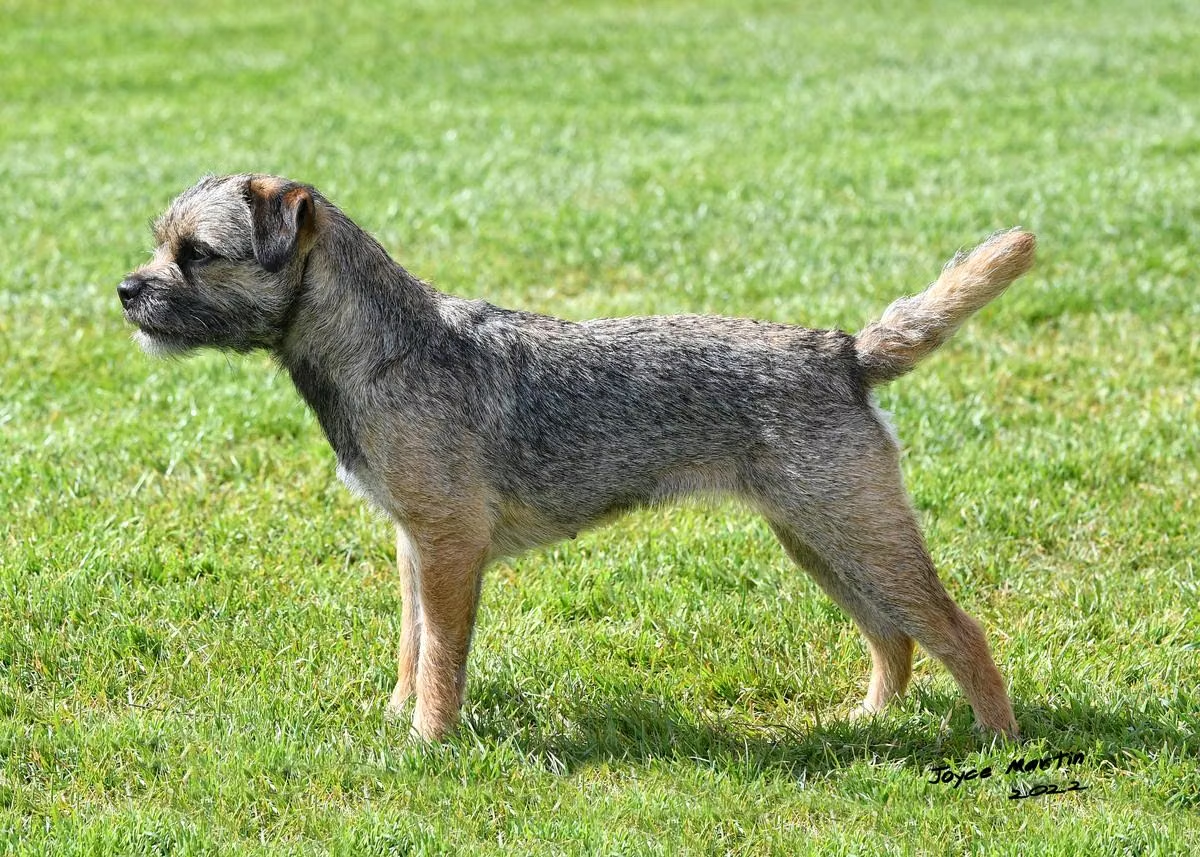


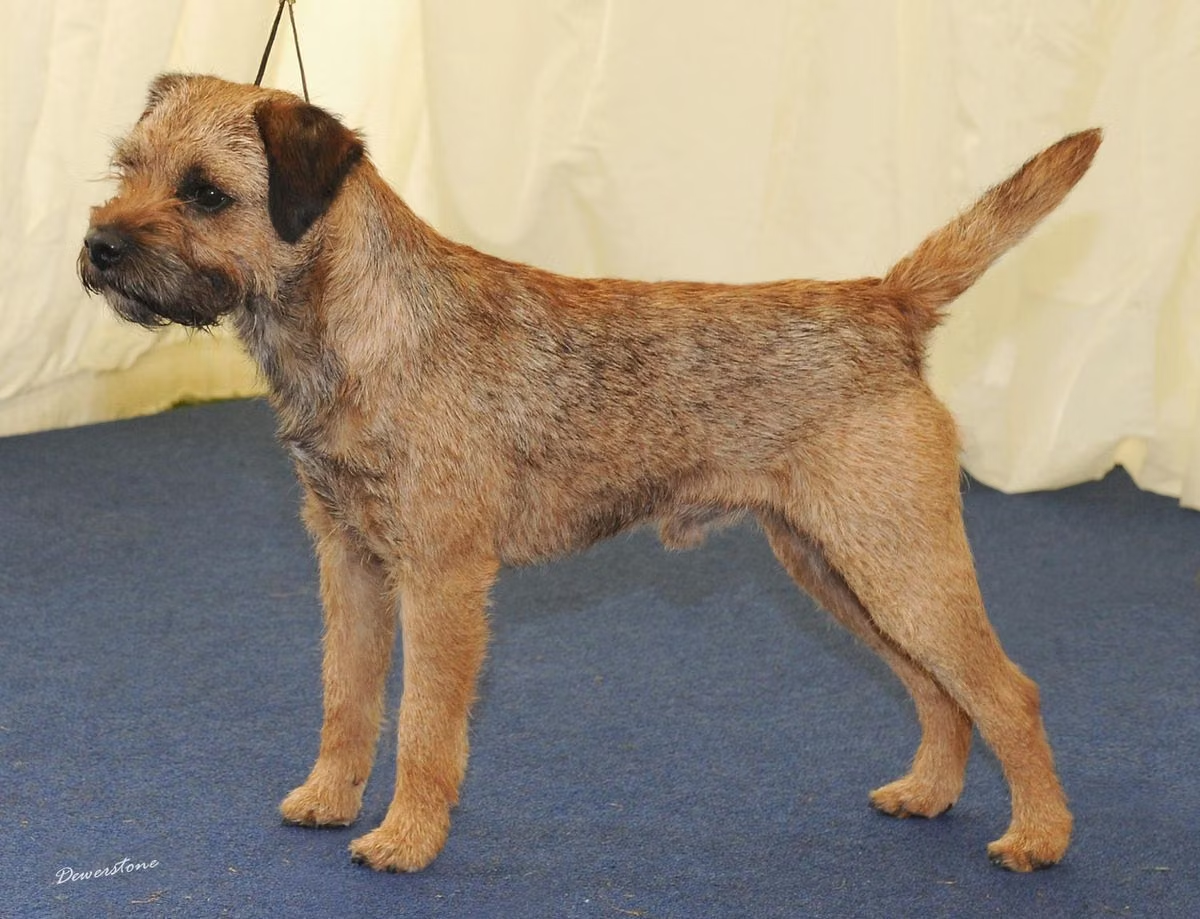
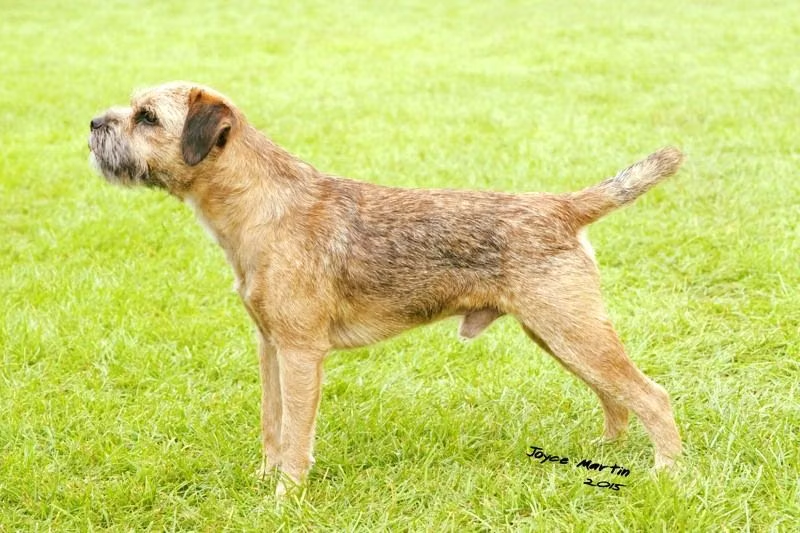


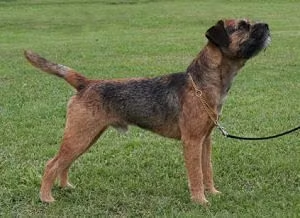
Пра бордэр-тэр'ера
Бордэр-тэр'ер паходзіць з Англіі і лічыцца нізкарослым працоўным тэр'ерам, добразычлівым і прывязаным да гаспадароў, якому патрэбны штодзённы рух.
Бордэр-тэр'ер зарадзіўся ў памежнай мясцовасці паміж Англіяй і Шатландыяй як невялікі, каржакаваты працоўны тэр'ер. Яго вывелі, каб ён паспяваў за коннымі паляўнічымі і зграяй ганчакоў, а потым залазіў у нару за лісіцай, таму парода спалучае памер невялікай сабакі з вынослівасцю і ўпартасцю значна большай жывёлы. Дарослыя асобіны звычайна важаць ад 5 да 7 кг, і гэта робіць пароду зручнай для хатняга жыцця і разам з тым досыць трывалай для цэлага дня на вуліцы.
Шэрсць у бордэр-тэр'ера двайная, драцяная і ўстойлівая да непагоды, яна пакрывае тоўстую, свабодна прылягаючую скуру. Галава мае характэрную форму, падобную да выдры, чым парода і адрозніваецца ад іншых тэр'ераў. Нягледзячы на паляўнічае мінулае, характар у сабакі надзвычай спакойны для тэр'ера. Бордэр-тэр'еры прывязаныя да гаспадароў, гуллівыя і добразычлівыя, звычайна ладзяць з іншымі жывёламі, калі растуць побач з імі.
Гэта актыўная парода, якой патрэбны занятак або, прынамсі, штодзённы рух. Бордэр-тэр'ер, з якім рэгулярна шпацыруюць, гуляюць і займаюць яго розум, дома паводзіць сябе спакойна і кампанейска. Пакінуты без нагрузкі сабака знойдзе занятак самастойна, часта пачынае капаць зямлю ці грызці рэчы.
| Характарыстыка | Дэталі |
|---|---|
| Паходжанне | Англія |
| Памер | Невялікі (ад 5 да 7 кг) |
| Працягласць жыцця | Ад 12 да 15 гадоў |
| Група / роля | Тэр'ер; першапачаткова сабака для палявання на лісіц |
| Ладзіць з | Сем'ямі, дзецьмі і іншымі жывёламі пры своечасовай сацыялізацыі |
Каму падыдзе
Бордэр-тэр'ер падыходзіць актыўным гаспадарам і сем'ям, якія могуць забяспечыць штодзённы шпацыр і гульні і якім падабаецца сабака, што хоча ўдзельнічаць ва ўсім, што адбываецца вакол. Ён добра адчувае сябе ў доме з агароджаным дваром і прыстасоўваецца да меншай кватэры, калі яго патрэбы ў руху задаволены. У сем'ях з катамі ці дробнымі жывёламі знаёмства трэба праводзіць асцярожна, бо парода захоўвае паляўнічы інстынкт да дробных жывёл, якіх сабака яшчэ не ведае.
Гісторыя і паходжанне
Бордэр-тэр'ер сфарміраваўся ва ўзгорыстай мясцовасці паміж Англіяй і Шатландыяй як працоўны тэр'ер, выведзены для бегу з ганчакамі і працы пад зямлёй.
Парода атрымала сваю назву ад памежнага рэгіёна паміж Англіяй і Шатландыяй, у прыватнасці ад мясцовасці вакол узгоркаў Чэвіят у Нортумберлендзе. Фермерам і паляўнічым гэтай мясцовасці патрэбны быў тэр'ер, здольны праходзіць вялікія адлегласці разам са зграяй ганчакоў па цяжкай мясцовасці, а потым пралазіць у нару, каб выгнаць адтуль ці сустрэцца твар у твар з лісіцай, якая нападала на хатнюю жывёлу. Вынікам стаў невялікі тэр'ер, пабудаваны для вынослівасці, а не для выставачнага рынга.
Сабакі такога тыпу працавалі ва ўзгорках некалькі пакаленняў, перш чым парода была афіцыйна зафіксавана. Раннія назвы звязвалі тэр'ераў з мясцовымі паляваннямі, а сучасны выгляд пароды замацавалі фермерскія сем'і, якія цанілі працоўныя якасці вышэй за знешнасць. Ногі захоўвалі дастатковую даўжыню, каб паспяваць за коньмі і ганчакамі, а грудная клетка заставалася вузкай, каб сабака мог ісці за здабычай пад зямлёй.
Кіналагічны клуб Вялікабрытаніі прызнаў бордэр-тэр'ера ў 1920 годзе, і стандарт пароды замацаваў тую працоўную будову, якую заводчыкі імкнуліся захаваць. Амерыканскі кіналагічны клуб (AKC) прызнаў пароду ў 1930 годзе. На працягу гэтага часу заводчыкі стараліся захоўваць функцыянальнасць сабакі, супраціўляючыся больш цяжкаму ці перабольшанаму выгляду, характэрнаму для некаторых іншых тэр'ераў.
Сёння бордэр-тэр'ера значна часцей трымаюць як кампаньёна, чым як паляўнічага сабаку, аднак працоўны характар захаваўся. Якасці, якія рабілі яго карысным ва ўзгорках (вынослівасць, ураўнаважаны нораў і здольнасць жыць побач з ганчакамі), сёння робяць яго надзейным сямейным сабакам.
Экстэр'ер і стандарт пароды
Бордэр-тэр'ер мае невялікае, вузкае цела, драцяную двайную шэрсць і характэрную галаву формы выдры.
Бордэр-тэр'ер мае рабочы, неперабольшаны выгляд. Тулава вузкае, і сабаку павінна быць магчыма ахапіць далонямі ззаду за плячыма: гэтая праверка адлюстроўвае патрэбу пралазіць за здабычай у нару. Ногі ўмерана доўгія адносна памеру цела, спіна даволі доўгая, а агульны контур хутчэй лёгкі, чым каржакаваты. Найбольш пазнавальная рыса: галава, якую часта апісваюць як падобную да выдравай, з кароткай моцнай мордай і ўмераным пераходам ад ілба да морды.
| Прыкмета | Стандарт |
|---|---|
| Вышыня | Каля 28-40 см у плячах |
| Вага | Кабелі 6-7 кг; сукі 5-6,4 кг |
| Шэрсць | Жорсткі, густы, драцяны знешні пласт над мяккім, шчыльна прылягаючым падшэрсткам; тоўстая, свабодная скура |
| Колеры | Рыжы, шызы з падпалам, сіні з падпалам або пшанічны |
| Вочы | Цёмныя, з праніклівым выразам, умерана пасаджаныя |
Шэрсць і колеры
Двайная шэрсць з'яўляецца галоўнай абаронай ад непагоды. Жорсткі знешні пласт адштурхоўвае дождж і бруд, а густы падшэрстак утрымлівае цяпло. Да прызнаных колераў належаць рыжы, шызы з падпалам, сіні з падпалам і пшанічны, і многія сабакі маюць невялікую белую пляму на грудзях. З узростам колер шэрсці можа мяняцца, а шызае адценне асабліва змяняецца па меры сталення сабакі. Каб захаваць тэкстуру і абарончыя якасці шэрсці, яе трымінгуюць уручную, а не стрыгуць машынкай: гэта прыбірае адмерлыя валаскі і дазваляе прабіцца новай жорсткай шэрсці.
Характар і нораў
Бордэр-тэр'ер добразычлівы, гуллівы і мае лагодны нораў, сяброўскі з людзьмі і звычайна кампанейскі з іншымі сабакамі, хоць захоўвае паляўнічы інстынкт тэр'ера да дробных жывёл.
Бордэр-тэр'ер мае спакойны, лагодны нораў, менш рэзкі, чым у многіх тэр'ераў. Ён прывязаны да сваёй сям'і і любіць быць часткай штодзённага жыцця, ходзіць за людзьмі з пакоя ў пакой і далучаецца да гульняў. З дзецьмі сабака звычайна цярплівы і гуллівы, добра пераносіць актыўнасць вялікай сям'і, хоць гульні з маленькімі дзецьмі заўсёды трэба наглядаць.
З незнаёмымі парода звычайна сяброўская або ветліва стрыманая, а не агрэсіўная, таму з бордэр-тэр'ера выйдзе слабы ахоўнік, затое прыемны кампаньён. Паколькі парода была выведзена для жыцця і працы ў зграі з ганчакамі, сабака звычайна ладзіць з іншымі сабакамі і можа жыць з іншымі жывёламі, калі расце побач з імі з маленства. Выключэннем з'яўляюцца дробныя жывёлы, якія хутка бегаюць, накшталт грызуноў, трусоў, а часам і незнаёмых катоў, бо паляўнічы інстынкт застаецца моцным.
Гэта пільны, энергічны сабака, якому патрэбны выхад энергіі. Бордэр-тэр'ер, які атрымлівае дастаткова руху і кампаніі, паводзіць сябе дома спакойна і лёгка прыстасоўваецца. Без гэтага парода можа капаць зямлю, грызці рэчы ці брахаць ад нуды, а некаторыя асобіны развіваюць трывожныя паводзіны пры расставанні, калі іх пакідаюць адных надоўга.
| Рыса | Ацэнка |
|---|---|
| Прывязанасць | 5 |
| Энергічнасць | 5 |
| Здольнасць да навучання | 4 |
| Гаваркосць | 3 |
| Ліньванне | 2 |
Догляд і грумінг
Бордэр-тэр'еру патрэбны трымінг некалькі разоў у год, штодзённы рух і кампанія, і ён добра адчувае сябе ў большасці дамоў з агароджаным дваром.
Бордэр-тэр'ер у большасці адносін непатрабавальны сабака, аднак увагі патрабуюць яго шэрсць і ўзровень актыўнасці. Штотыднёвы догляд просты, а вось руху і разумовай нагрузцы гаспадары павінны надаваць увагу кожны дзень.
Грумінг
- Расчэсвайце шэрсць адзін-два разы на тыдзень, каб прыбраць адмерлую поўсць і не дапусціць збіцця ў колтуны.
- Трымінгуйце шэрсць прыкладна два-тры разы на год, каб захаваць яе жорсткую тэкстуру і абарончыя ўласцівасці. Стрыжка машынкай размякчае шэрсць і прыглушае колер.
- Рэгулярна правярайце і чысціце вушы, а кіпці падразайце раз у некалькі тыдняў.
- Купайце сабаку толькі пры неабходнасці, бо частае мыццё размякчае шэрсць і змывае прыродныя алеі.
Фізічная актыўнасць
- Забяспечвайце не менш за гадзіну актыўнасці ў дзень, падзеленую на шпацыры і гульні.
- Дазваляйце бегаць без павадка ў агароджаных месцах, бо ў пароды хапае вынослівасці.
- Дадавайце гульні на пошук па паху, апорт і галаваломкі-кармушкі, каб заняць не толькі цела, але і розум.
- Ля дробных жывёл ці дарог трымайце сабаку на павадку ці ў агароджаным месцы, бо паляўнічы інстынкт можа перамагчы каманду вярнуцца.
Умовы ўтрымання
Бордэр-тэр'ер прыстасоўваецца і да кватэры, і да дома, калі яго патрэбы ў руху задаволены, аднак найлепш адчувае сябе, маючы доступ да агароджанага двара. У Беларусі з яе халодным кантынентальным кліматам і суровымі зімамі двайная драцяная шэрсць пароды дае дадатковую абарону, хоць у моцны мароз сабаку ўсё роўна трэба забяспечыць цёплым прытулкам і сухой падсцілкай. Агароджа павінна быць трывалай і глыбока ўкапанай, бо парода схільная актыўна капаць і ўцякаць з двара. Сабака патрабуе кампаніі і не падыходзіць для доўгіх працоўных дзён у поўнай адзіноце без плана, чым заняць яго час.
Харчаванне
Бордэр-тэр'ер добра адчувае сябе на поўнацэнным збалансаваным рацыёне, разлічаным на яго вагу і актыўнасць, які даюць два разы ў дзень, з кантролем порцый, каб не дапусціць лішняй вагі.
Карміце сабаку поўнацэнным збалансаваным кормам, падабраным пад памер і ўзроставую групу пароды. Паколькі бордэр-тэр'ер невялікі, але актыўны, патрэба ў энергіі моцна адрозніваецца ў працоўнага сабакі і хатняга кампаньёна, таму порцыю варта падбіраць пад канкрэтную жывёлу, а не пад сярэдняе значэнне на пакаванні. У пароды добры апетыт, і вага можа набірацца хутка, таму сутачную норму лепш адмерваць, а не пакідаць корм у вольным доступе.
| Узроставая група | Колькасць на дзень | Кармленняў |
|---|---|---|
| Шчаня (2-6 месяцаў) | Паводле этыкеткі корма, разбіта на некалькі прыёмаў | 3-4 |
| Малады сабака (6-12 месяцаў) | Паводле этыкеткі корма для маладняку | 2-3 |
| Дарослы | Каля 100-160 г поўнацэннага сухога корма | 2 |
| Стары / менш актыўны | Зменшаная порцыя для падтрымання здаровай вагі | 2 |
Ласункі і дадатковыя дабаўкі
Ласункі павінны складаць не больш за прыкладна 10 працэнтаў сутачнага рацыёну, і іх варта вылічваць з асноўнай нормы корма, каб пазбегнуць лішняй вагі. Для трэніроўкі добра падыходзяць невялікія нізкакаларыйныя ласункі. Сабаку на поўнацэнным збалансаваным корме звычайна не патрэбны дадатковыя дабаўкі; уводзьце іх толькі па парадзе ветэрынара. Забяспечвайце пастаянны доступ да свежай вады, асабліва пасля фізічнай нагрузкі.
Здароўе і працягласць жыцця
Бордэр-тэр'ер, як правіла, здаровая і вынослівая парода з тыповай працягласцю жыцця ад 12 да 15 гадоў, хоць варта правяраць некалькі спадчынных захворванняў.
Бордэр-тэр'ер лічыцца адной з найбольш вынослівых парод тэр'ераў і часта жыве ад 12 да 15 гадоў. Працоўнае мінулае спрыяла адбору моцных, функцыянальных сабак, таму парода пазбегла многіх структурных праблем, характэрных для больш перабольшаных тыпаў целабудовы. Тым не менш, як і ва ўсіх парод, у яе ёсць пэўныя спадчынныя рызыкі, і адказныя заводчыкі правяраюць сваіх племянных жывёл і адкрыта дзеляцца вынікамі.
| Захворванне | Прыкметы | Заўвага |
|---|---|---|
| Сіндром эпілептоідных курчаў сабак (CECS) | Прыступы курчаў, хістанне пры хадзе, спазмы мышцаў | Таксама вядомы як хвароба Спайка; часта паддаецца дыетычнай карэкцыі |
| Дысплазія кульшавых суставаў | Скаванасць, кульгавасць, нежаданне скакаць | Рызыка зніжаецца пры адборы племянных сабак |
| Вывіх каленнай чашачкі | Скачкападобная хада, перыядычная кульгавасць на задняю нагу | Ад лёгкіх выпадкаў да выпадкаў, якія патрабуюць аперацыі |
| Шумы ў сэрцы / сардэчныя дэфекты | Хутка стамляецца, кашаль, страта прытомнасці | Выяўляюцца пры звычайным ветэрынарным аглядзе |
Прафілактыка
- Своечасова рабіце прышчэпкі і апрацоўку ад блох, кляшчоў і глістоў.
- Наведвайце ветэрынара штогод, а для старых сабак два разы на год.
- Падтрымлівайце падцягнутую вагу сабакі, каб берагчы суставы і сэрца.
- Рэгулярна чысціце зубы і давайце стаматалагічныя ласункі, каб абмежаваць развіццё захворванняў поласці рота.
- Набывайце шчанят у заводчыкаў, якія правяраюць племянных жывёл на спадчынныя захворванні там, дзе такія тэсты існуюць.
Дрэсіроўка і сацыялізацыя
Бордэр-тэр'ер разумны і імкнецца дагадзіць, таму лёгка паддаецца дрэсіроўцы, аднак мае незалежны характар і моцны паляўнічы інстынкт, якія патрабуюць ранняй і паслядоўнай працы.
Бордэр-тэр'ер кемлівы і ахвотны да супрацы, ён хутка засвойвае каманды, калі трэніроўка прыносіць яму задавальненне. Ён, як правіла, больш паслухмяны, чым многія тэр'еры, часткова дзякуючы супрацоўніцкаму, добразычліваму да зграі нораву, закладзенаму ў пароды. Асноўныя цяжкасці: незалежны характар, атрыманы ад працоўных продкаў, і моцны інстынкт пагоні за дробнымі жывёламі, які можа перашкаджаць выкананню каманды вярнуцца. Абедзве цяжкасці вырашаюцца ранняй, паслядоўнай дрэсіроўкай і добрай сацыялізацыяй, а не сілай.
Пачынайце сацыялізацыю яшчэ ў шчанячым узросце, знаёмячы сабаку з людзьмі, іншымі сабакамі, транспартам і хатнімі гукамі спакойна і станоўча. Трымайце заняткі кароткімі і рознымі, бо парода хутка стамляецца ад паўтарэння. Асобнай увагі патрабуе каманда «да мяне»: трэніруйце яе з ранняга ўзросту, выкарыстоўвайце вельмі каштоўныя ласункі і паступова дадавайце адцягненні, перш чым давяраць сабаку без павадка каля дарог ці дзікай прыроды.
Асновы
- Пачніце з рэакцыі на мянушку і навучання ўвазе, каб сфарміраваць кантакт.
- Вучыце «сядзець», «ляжаць» і «чакаць» у кароткіх штодзённых занятках.
- Спачатку трэніруйце надзейнае «да мяне» дома, потым у агароджаным двары, потым у больш адкрытых месцах.
- Прывучайце да культуры хадзьбы на павадку рана, пакуль сабака яшчэ не дастаткова моцны, каб цягнуць з сілай.
- Увядзіце каманду «месца» ці «супакойся», каб дапамагчы сабаку расслабляцца ў доме.
- Выкарыстоўвайце ўзбагачэнне асяроддзя, накшталт пошуку па паху і галаваломак-цацак, каб накіраваць яго энергію.
Развядзенне і выхаванне шчанят
Бордэр-тэр'ер дасягае здольнасці да размнажэння прыкладна ў 1-2 гады, прыносіць памёты каля 4-6 шчанят, і абодвум бацькам карысна прайсці медыцынскае абследаванне.
Адказнае развядзенне бордэр-тэр'ераў засярэджана на нораве, працоўных якасцях і здароўі, а не толькі на знешнасці. Суку не варта вязаць у першую цечку; чаканне фізічнай і псіхічнай сталасці, звычайна каля двух гадоў, дае здаравейшае патомства. Абодвух бацькоў варта абследаваць на вядомыя спадчынныя захворванні там, дзе такія тэсты даступныя, а заводчыкі павінны адкрыта паведамляць вынікі.
Цяжарнасць доўжыцца каля 63 дзён. Памёты звычайна невялікія ці сярэднія, часта ад 4 да 6 шчанят. Сукі бордэр-тэр'ера, як правіла, добрыя маці і ў большасці выпадкаў акочваюцца без ускладненняў, хоць ветэрынар павінен быць даступны для кансультацыі. Шчанят паступова адлучаюць ад маці прыкладна з 3-4 тыдняў, і ім карысны ранні, добразычлівы кантакт з чалавекам і знаёмства са звычайным хатнім жыццём.
Шчаняты павінны заставацца з маці і памётнікамі прынамсі да васьмі тыдняў: гэта спрыяе сацыяльнаму развіццю. Ранняя сацыялізацыя ў гэты перыяд фарміруе ўпэўнены, ураўнаважаны нораў, за які цэняць пароду. Пакупнікам варта чакаць, што заводчык будзе распытваць пра ўмовы, у якія трапіць шчаня, бо гэтай парадзе патрэбны актыўныя гаспадары, здатныя забяспечыць яе патрэбы ў руху і кампаніі.
| Паказчык | Значэнне |
|---|---|
| Палавая сталасць | Каля 6-12 месяцаў (пароду лепш вязаць пазней, каля 2 гадоў) |
| Цяжарнасць | Каля 63 дзён |
| Сярэдні памёт | 4-6 шчанят |
| Адлучэнне | Прыкладна з 3-4 тыдняў |
| Пераезд у новы дом | Не раней за 8 тыдняў |
Рэгістрацыя сабакі пароды Border Terrier і мікрачыпа
Бясплатны пажыццёвы профіль для сабакі пароды Border Terrier ў United Pet Club, з зарэгістраваным чыпам і без платы за падаўжэнне.
Як зарэгістраваць сабаку пароды Border Terrier у Беларусі
Сканер у прытулку карысны роўна настолькі, наколькі карысны рэестр за нумарам. Дайце сабаку пароды Border Terrier рэестр, які адказвае заўсёды: бясплатная картка з фота, дадзенымі і вашым тэлефонам, даступная кругласутачна, дома і за мяжой. Рэгістрацыя робіцца адзін раз і застаецца назаўсёды.
Пятнаццаць лічбаў пад скурай сабакі пароды Border Terrier пакажуць на вас толькі тады, калі пра гэта скажа рэестр. Няхай скажа бясплатна: запіс у United Pet Club не мае тэрміну дзеяння, прымае чып любой маркі, а кожная змена дадзеных бясплатная. Рэгістрацыя мікрачыпа спачатку, акаўнт адразу за ёй.
Як зарэгістраваць сабаку пароды Border Terrier у Беларусі?
Стварыце бясплатны акаўнт у United Pet Club, запоўніце дадзеныя сабакі пароды Border Terrier з фота і захавайце профіль. Ён бясплатны ўсё жыццё сабакі, а мясцовая рэгістрацыя па месцы жыхарства ідзе сваім парадкам.
Як зарэгістраваць мікрачып сабакі пароды Border Terrier?
Увядзіце 15-значны нумар чыпа ў бясплатным акаўнце разам з адрасам і тэлефонам. Пажыццёвы план прымае чып любой маркі і ніколі не бярэ платы за абнаўленні.
Ці абавязкова чыпаваць сабаку пароды Border Terrier у Беларусі?
Адзінага дзяржаўнага патрабавання аб чыпах няма; сабак рэгіструюць у мясцовых службах па месцы жыхарства. Карысць ад чыпа з'яўляецца толькі з актуальным запісам, і гэты запіс United Pet Club вядзе бясплатна.
Колькі каштуе рэгістрацыя сабакі пароды Border Terrier?
Нічога. Бясплатны пажыццёвы план уключае профіль, рэгістрацыю мікрачыпа і ўсе будучыя абнаўленні, без штогадовых плацяжоў.
Частыя пытанні
Частыя пытанні пра памер, характар, патрэбы ў доглядзе, працягласць жыцця і прыдатнасць бордэр-тэр'ера для сям'і.
Якога памеру дасягае бордэр-тэр'ер?
Гэта невялікая парода. Дарослыя сабакі дасягаюць вышыні каля 28-40 см у плячах і звычайна важаць ад 5 да 7 кг, прычым кабелі крыху буйнейшыя за сук.
Ці добра бордэр-тэр'ер ладзіць з сем'ямі і дзецьмі?
Так. Парода добразычлівая, гуллівая і мае лагодны нораў, звычайна цярплівая і памяркоўная з дзецьмі. Як і з любым сабакам, гульні з зусім маленькімі дзецьмі трэба наглядаць.
Ці ладзіць бордэр-тэр'ер з іншымі жывёламі?
Звычайна ён добра ладзіць з іншымі сабакамі і можа жыць з катамі, калі растуць разам з маленства. Да незнаёмых дробных жывёл, накшталт грызуноў і трусоў, парода захоўвае моцны паляўнічы інстынкт, таму знаёмства варта праводзіць асцярожна.
Ці складана даглядаць за бордэр-тэр'ерам?
Грумінг просты: дастаткова штотыднёвага расчэсвання плюс трымінг некалькі разоў у год. Больш сур'ёзны абавязак звязаны з рухам і кампаніяй: гэта актыўны сабака, якому патрэбна штодзённая актыўнасць і які не любіць доўгую адзіноту.
Колькі жывуць бордэр-тэр'еры?
Звычайна ад 12 да 15 гадоў. Гэта адна з больш вынослівых парод тэр'ераў, і здаровая вага, добрая прафілактыка ды правераныя племянныя жывёлы спрыяюць даўгалеццю.
Ці падыходзіць бордэр-тэр'ер у якасці першага сабакі?
Можа падысці актыўным гаспадарам, гатовым забяспечыць штодзённы рух і паслядоўную дрэсіроўку праз узнагароджанне. Гаспадарам, якія цэлы дзень адсутнічаюць дома ці хочуць спакойнага сабакі-канапы, парода падыдзе дрэнна.
Ці моцна ліняе бордэр-тэр'ер?
Ліньванне ў яго нязначнае ў параўнанні з многімі пародамі, асабліва калі жорсткую шэрсць трымінгуюць паводле графіка. Рэгулярны догляд трымае выпадзенне шэрсці пад кантролем.
From the community
Ask about the Border TerrierNo questions about the Border Terrier yet. Be the first to ask.
Browse Dog breeds