
Pet health innovations: what is actually changing in veterinary care
From genetic screening to wearable activity monitors, several real changes in veterinary care are making it easier to catch problems early and manage them better.
United Pet Club@unitedpetclub5 دقيقة قراءة
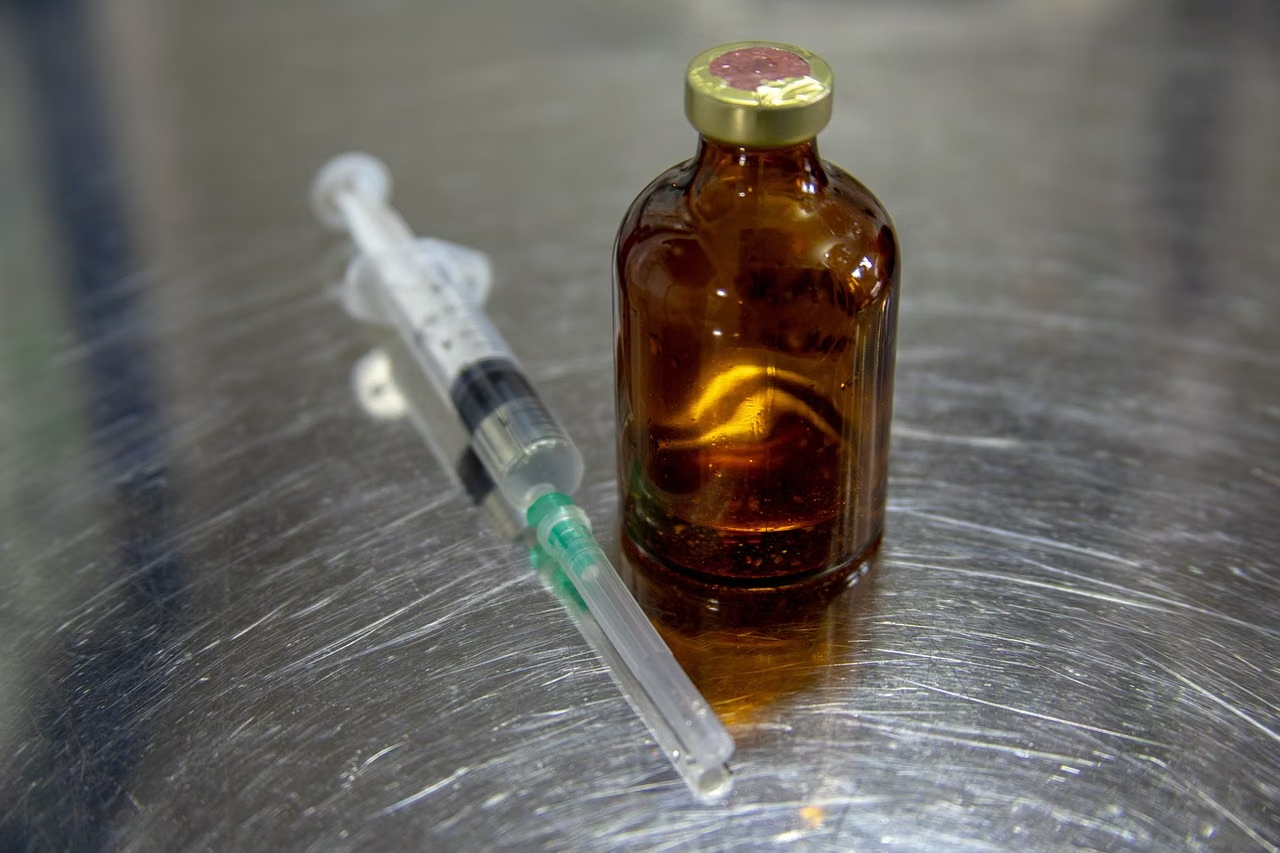
The biggest changes in pet health right now are not exotic treatments, they are better tools for catching problems earlier: genetic panels that flag inherited risks before symptoms appear, wearable monitors that track activity and vital signs at home, and pain management options for older pets that do not carry the risks of long term medication. None of this replaces a veterinarian, but it gives owners and vets more information sooner, which is usually what actually changes an outcome.
Genetic testing moved from rare to routine
DNA panels that used to be a specialty tool for breeders are now inexpensive enough that any owner can run one on a dog or cat. These panels flag known inherited risks, certain heart conditions, kidney disease markers, and breed specific disorders, before an animal shows any symptoms. That lead time matters: a vet who knows a dog carries a marker for a heart condition can schedule earlier cardiac screening rather than waiting for symptoms to show up on their own.
Breeders have used versions of this testing for longer, pairing animals to avoid passing on known conditions, and our guide to genetic screening for breeders covers that side of it. For pet owners buying rather than breeding, the value is simpler: knowing what to watch for changes how you and your vet plan care over the animal's life, rather than reacting after a problem shows up.
The tests themselves have also gotten easier to run. Many now only require a cheek swab or a small blood sample mailed to a lab, with results back within a couple of weeks rather than requiring a specialist referral. That accessibility is a big part of why testing has moved from a niche breeder tool to something a general practice vet can recommend for almost any pet during a routine visit.

Diagnostics you can run without a clinic visit
Wearable monitors built for pets, generally a sensor on a collar or harness, track activity level, sleep patterns, and in some devices heart rate, then flag changes that might indicate a problem before it becomes obvious to an owner. A sudden drop in activity or a change in resting heart rate can be the earliest sign of joint pain, heart disease, or another condition, well before an animal shows visible discomfort.
In clinics, portable ultrasound and other imaging tools have made the diagnostic side faster too, cutting down on the wait between a suspicious symptom and an actual answer. None of these tools replace a physical exam, and a device flagging a change is a reason to call your vet, not a substitute for one. For a broader look at what a thorough exam should cover, see our guide to vet checkups.
Some clinics have also started offering telehealth follow ups for minor concerns, a video call to assess a limp or a skin issue before deciding whether an in person visit is needed. This does not replace hands on care for anything serious, but it does cut down on unnecessary trips for questions that a vet can answer just by looking at the animal on screen.
| Health need | Older standard approach | Newer option now available |
|---|---|---|
| Detecting inherited health risk | Wait for symptoms to appear, then test | DNA panel run early, often before any symptoms |
| Tracking daily activity and early symptoms | Owner notices a visible change | Wearable monitor flags a shift in activity or heart rate |
| Chronic joint pain in older pets | Daily anti inflammatory medication only | Laser therapy or joint injections alongside medication |
| Digestive and immune support | General commercial diet only | Targeted probiotics and high fiber formulas |
| Parasite prevention | Monthly topical or oral treatment only | Longer acting preventive options with fewer doses per year |
Wearables are becoming part of the toolkit
Home monitoring devices are the newest item on this list to reach mainstream pet owners, moving from a novelty category into something general practice vets increasingly ask about at checkups. They work best as an early warning system that tells you something is worth checking, not as a replacement for the checking itself.
Pain management that does not rely only on daily medication
Chronic joint pain, especially arthritis in older dogs and cats, has more treatment options now than a course of anti inflammatory medication alone. Laser therapy, which uses targeted light to reduce inflammation in a joint, and injectable joint treatments have both become common enough that most general practice vets can offer them or refer out easily. For a senior pet with reduced mobility, these options can mean noticeably more comfortable days without the stomach or kidney risks that come with long term daily medication use.
This matters most for pets already dealing with age related conditions, where the goal shifts from cure to comfort. Our guide to senior pet preventive care goes into more detail on building a care plan around an aging animal's actual needs rather than a generic checklist.
Weight management plays into this more than owners often expect. Extra weight puts direct added strain on already compromised joints, so a pain management plan that does not also address body condition tends to underperform. Ask your vet whether a modest weight loss target should be part of the plan alongside any therapy or medication, since even a small reduction can measurably ease joint load in a mid size or larger dog.
Nutrition and gut health getting more attention
The role of gut bacteria in overall health has gotten more research attention in veterinary medicine, following a similar trend in human health. A balanced gut microbiome is associated with better immune function and digestion, and probiotic supplements formulated for dogs and cats are now widely available rather than a niche product. High fiber diets and prebiotic ingredients are showing up in more mainstream commercial foods as a result.
Diets tailored to specific conditions, kidney disease, weight management, joint support, have also become more precise, with formulas built around a single condition rather than one general senior or adult formula covering everything. If your pet has an ongoing health issue, ask your vet whether a condition specific diet is worth trying rather than assuming a standard food covers it. Our guide to common pet health issues covers several conditions where diet plays a meaningful role in management.
None of this means every pet needs a specialty diet or a supplement added to its bowl. A young, healthy animal on a complete and balanced commercial diet generally does not need probiotics or a condition specific formula, and adding them without a reason rarely does much beyond adding cost. The value of these newer nutrition options shows up mainly once a specific issue, digestive sensitivity, a diagnosed condition, or advancing age, is already in play.
Is genetic testing for pets actually worth doing?
For most owners, yes, especially for breeds known to carry specific inherited risks. A DNA panel does not prevent a condition, but it tells you and your vet what to screen for early, which often makes a real difference in how a condition is managed. Costs have dropped enough that it is a reasonable addition to a first year wellness visit.
Do wearable health monitors for pets actually work?
They are good at detecting changes in activity level, sleep, or in some models heart rate, and flagging them for you. They are not diagnostic tools on their own. Treat a flagged change as a reason to schedule a vet visit rather than trying to self diagnose from the data.
What is laser therapy for pets and is it safe?
Laser therapy uses targeted light to reduce inflammation and pain, most commonly for arthritis in older dogs and cats. It is non invasive, does not require sedation, and is generally considered safe when performed by a trained veterinary provider, though it works best alongside other pain management rather than replacing it entirely.
Should I put my pet on probiotics?
Probiotics can help pets with digestive sensitivity or those recovering from antibiotic treatment, which disrupts normal gut bacteria. They are not necessary for every healthy pet on a balanced diet, so it is worth asking your vet whether your pet's specific situation would benefit before adding one.
How often should genetic or diagnostic testing be repeated?
A genetic DNA panel typically only needs to be run once, since an animal's genetic risk markers do not change. Diagnostic monitoring, like bloodwork or imaging, is usually repeated on a schedule tied to age and health status, which your vet can set based on your specific pet.